

2019 Acura RDX 2.0L Turbo Transmission: Problems, Identification, and Used Replacement
Identify the PYKA/MPYA transmission, learn what causes harsh shifting and limp mode, and know when to replace it with a used OEM unit.
- Verify the transmission code is PYKA or MPYA for SH-AWD models; the FWD PYJA unit is not compatible.
- Many shifting problems are software-related; ensure the latest TCM/PCM updates are applied before suspecting mechanical failure.
- A mandatory TCM Adaptive Relearn procedure using a dealer-level scan tool is required after installing a replacement unit.
- Use only Acura/Honda ATF Type 2.0 fluid; using incorrect fluid like DW-1 or universal ATF will cause severe damage.
- Finding metal shavings in the transmission fluid is a critical sign of internal failure that requires a complete replacement.
Vehicle Fitment and Part Identification

This article covers the 10-speed automatic transmission assembly for the 2019 Acura RDX equipped with the 2.0L K20C4 turbocharged engine and Super Handling All-Wheel Drive (SH-AWD). This specific transmission is part of the Honda 10-speed automatic family, designed for a transverse (sideways) engine layout.
To ensure you have the correct vehicle, check the following identifiers:
| Identifier | Value |
|---|---|
| Vehicle Identification Number (VIN) | The 5th and 6th digits of your VIN should be TC2, which confirms the vehicle is an RDX with a 2.0L Turbo and SH-AWD. |
| Transmission Code | Look for a white barcode label on the transmission case. The code for this unit is PYKA or MPYA. |
| Engine | This transmission is only paired with the 2.0-liter turbocharged 4-cylinder engine, known as the K20C4. |
Warning: This transmission does NOT fit Front-Wheel Drive (FWD) 2019 RDX models. FWD versions use a different transmission with the case code PYJA (part number 20021-5YL-A55). It is also not interchangeable with 10-speed transmissions from other Honda or Acura models like the Accord, Odyssey, Pilot, MDX, or TLX due to differences in the bellhousing (the part that bolts to the engine), mounting brackets, gear ratios, and internal valve-body calibrations.
Common Symptoms of a Failing Transmission

A failing transmission can show several signs. Some are obvious, while others are more subtle. If you experience any of the following, it is time to have the transmission inspected by a professional technician.
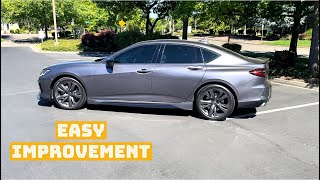
- Harsh or Delayed Shifting: You may feel a noticeable jolt or lag when the transmission shifts gears, especially between 1st, 2nd, and 3rd gears 🎬 See this quick fix for common shifting issues when the engine is cold.
- Sudden Loss of Power (Limp Mode): The vehicle may suddenly lose acceleration and the check engine light may start flashing. This is a protective state called "limp mode," designed to prevent further damage.
- Warning Lights: An illuminated transmission warning light or "AWD" indicator on your dashboard is a clear sign of a problem.
- Grinding Noises or Shaking: Any unusual grinding sounds during shifts or shaking felt throughout the vehicle can point to internal transmission issues.
- Metal Shavings in Fluid: Finding metallic particles in the transmission fluid during a service is a major red flag indicating severe internal wear and likely failure.
Diagnostic Flowchart

Known Problems, Bulletins, and Recalls
The 2019 RDX 10-speed transmission has several documented issues. Always have a technician check for the latest software updates, as these can resolve some shifting problems.
TSB 20-053: Sudden Loss of Power / Limp Mode
This severe issue affects 2019-2020 RDX models. Under certain conditions, especially in humid weather, condensation can build up in the engine's intercooler. This moisture can be drawn into the engine, causing a misfire that triggers a flashing check engine light and forces the transmission into limp mode. The official fix involves installing an updated intercooler assembly and updating the engine computer software.
TSB 20-032: AWD Indicator On
This bulletin applies to 2019-2020 RDX AWD models. It addresses a problem where the "AWD" light comes on due to diagnostic trouble codes C1843-62 or C1844-62. The cause is internal rust or corrosion on the rear differential's clutch linear solenoid valves. While this is not a transmission problem itself, it is directly related to the vehicle's drivetrain. The remedy is to replace the affected solenoid valves.
Harsh Shifting When Cold
Many 2019 RDX owners have reported rough or jerky shifting, particularly in lower gears (1st-to-2nd and 2nd-to-3rd), before the vehicle is fully warmed up. This is often a software issue. Acura has released multiple software updates for the Transmission Control Module (TCM) to improve shift quality. The fix requires a dealer or qualified shop to apply ONEpack Update #7 (and subsequent updates), perform a software recalibration, and execute a clutch break-in procedure.
Warning: A class-action lawsuit (Abel v. American Honda Motor Co.) was filed concerning sudden deceleration events in 2019-2020 models. This dangerous issue is linked to software glitches causing miscommunication between the engine, transmission, and throttle control computers. Ensuring the vehicle's Powertrain Control Module (PCM) and TCM software is fully updated to the latest factory calibration is the primary preventative measure.
Premature Failure
Some 2019 models experience severe internal failure requiring full transmission replacement. This is often evidenced by metal shavings found in the transmission fluid between 60,000 and 80,000 miles.
What Fails at Every Mileage Band
Pro Tip: The mileage bands below describe the condition and expected maintenance of USED replacement units of that mileage. The checklists provided are things to do WHILE INSTALLING the purchased transmission, not maintenance for your current failing transmission.
Under 60K Miles
Transmissions in this range are generally healthy but may exhibit the harsh or jerky shifting at low speeds common to this first-year design. Software glitches causing limp mode or a clunk when accelerating from a stop are the most frequent complaints.
- ✓Do during install (required): Verify all TSBs and software updates, especially for the PCM/TCM, have been performed to address harsh shifting. Perform a transmission fluid drain and fill.
- ✓Do during install (recommended): Replace the internal spin-on transmission filter and the associated O-rings, as it is often neglected but critical for longevity.
- ✓Cheap insurance while the engine is out: Replace front axle seals and the torque converter hub seal as preventative measures.
60K-100K Miles
At this mileage, there are increased reports of transmission hesitation, rough shifting, and units getting stuck in a high gear. Some transmissions have required complete replacement due to bad gears or internal failures.
- ✓Do during install (required): Perform a full transmission fluid exchange (not just a drain and fill) and replace the internal filter and O-rings. Flush the transmission cooler lines and warmer to remove any potential debris from the previous unit.
- ✓Do during install (recommended): Replace the external transmission filter, pickup tube, gasket, and rubber seal. Change the transfer case fluid using Acura HGO-1 or equivalent.
- ✓Cheap insurance while the engine is out: Inspect and consider replacing transmission mounts.
100K-150K Miles
Units over 100,000 miles have an increased likelihood of internal component wear. Owners report intermittent failures to shift into specific gears, such as reverse, which points to internal mechanical or hydraulic issues.
- ✓Do during install (required): All items from the 60-100K band are considered mandatory.
- ✓Do during install (recommended): Strongly consider replacing all external seals, including axle seals and the transfer case input/output seals.
- ✓Cheap insurance while the engine is out: Inspect the engine flexplate for any signs of cracking or wear. It is highly advisable to purchase a lower-mileage used unit if possible, given the increased risk of wear at this stage.
Real Owner Experiences
| Source | Mileage | What Happened | Cost |
|---|---|---|---|
| AcuraZine Forums | 1,600-4,000 | Owners noted feeling a 'jerk' or 'positive shift' during gear changes at low speeds (under 30 mph), which is a noticeable characteristic of the 10-speed transmission. | N/A |
| AcuraZine | 27,000 | Owner experienced the transmission getting stuck in 2nd gear. The dealer could not reproduce the problem and data logs showed no issues. | N/A |
| 50,000 | A torque converter was reported to be making noises while idling and was replaced under warranty. | $0 (Warranty) | |
| NHTSA | 60,000 | Dealer found metal shavings in transmission oil 6 weeks after warranty expired. | $13,000 quoted |
| 75,000 | After a start-stop cycle at a light, the car clunked, started in a higher gear, and would not build boost (limp mode). Restarting the car resolved the issue temporarily. | N/A | |
| 83,000 | After experiencing clumsy and non-shifting, the dealer diagnosed a needed new transmission. Acura agreed to cover 80% of the OEM replacement cost. | $2,400 paid ($12,000 quoted) | |
| 94,000 | Owner experienced 'limp mode' twice when passing a truck in the rain, related to the known intercooler TSB. Turbo assembly was replaced to address the root cause. | N/A | |
| 115,000 | Vehicle experienced an intermittent issue where it would not shift into reverse. The dealer immediately recommended a full transmission replacement. | $9,000 quoted | |
| 120,000 | Owner reported no major issues with the engine or transmission. | N/A | |
| Not Specified | Owner noticed a severe transmission fluid leak, likely from the torque converter, leading to a huge repair bill. | N/A | |
| CarComplaints.com | Not Specified | Complaints were filed for rough shifting and acceleration issues. | N/A |
Repair or Replace?
Deciding whether to repair your existing transmission or replace it entirely depends on the specific failure mode.
- Software and Intercooler Issues (TSB 20-053): If your vehicle enters limp mode with a flashing check engine light, this is often repairable. The repair involves a software update and replacing the intercooler assembly, which is targeted and less costly than a transmission replacement.
- Solenoid Failures: If diagnostics point to a specific solenoid failure, replacing the solenoid or solenoid pack makes sense. This repair typically costs between $400 and $1,500, factoring in 2 to 5 hours of labor.
- Harsh Shifting: If the issue is related to software calibration, paying for a dealer diagnostic and applying the latest OEM updates is the first and most logical step before considering mechanical failure.
When Replacement is Smarter: Full replacement is necessary when internal mechanical failure is evident. Finding significant metal shavings in the transmission fluid indicates widespread internal damage that a simple repair cannot fix. Additionally, if multiple diagnostic approaches do not resolve shifting issues, and the vehicle has high mileage, replacing it with a used or remanufactured unit is often more economical. Used units typically run $1,800 to $2,100, while remanufactured units cost upwards of $3,500.
If you choose to replace the transmission, ask your installer these critical questions:
- Have you confirmed the latest TCM/PCM software updates have been applied to my vehicle?
- Can you show me the condition of the transmission fluid?
- Have you flushed the transmission cooler lines and replaced the external filter?
- Will you be performing the mandatory TCM adaptive relearn procedure after installation?
- What is the mileage and warranty on the used transmission you are sourcing?
- Is the torque converter included and has it been tested?
- Are you transferring my original AWD transfer case to the replacement unit?
Replacement Cost Estimates
Replacing the transmission is a major repair. Costs can vary significantly based on the type of replacement unit, labor rates in your area, and the shop performing the work. The job typically requires between 7 and 12 hours of labor.
| Part or Service | Estimated Cost (USD) |
|---|---|
| New OEM Unit | $6,600 - $12,000+ |
| Remanufactured Unit | $3,500+ |
| Used OEM Unit | $1,800 - $2,100 |
| Installation Labor | $1,050 - $1,800 |
Freight, Delivery, and Pre-Purchase Verification

If you are purchasing a used replacement transmission online, understand that it will not arrive in a standard cardboard box. This assembly weighs approximately 215 lbs and measures roughly 24" x 20" x 18" before crating. It ships as Less-Than-Truckload (LTL) freight strapped to a wooden pallet.
Because of its size and weight, delivery requires a commercial loading dock, a forklift, or a truck equipped with a liftgate. Always inspect the transmission carefully while the delivery driver is present. Check the casing, sensors, and pan for any damage that may have occurred during transit before signing the delivery receipt.
Before pulling the trigger on a purchase, verify you are buying the correct unit:
- Verify the 5th and 6th digits of your VIN are TC2 (confirming AWD).
- Verify the transmission code on the white barcode label is PYKA or MPYA.
- Confirm your engine is the 2.0-liter Turbocharged 4-cylinder (K20C4).
Installation and Programming Essentials

Professional Installation Recommended
This is an expert-level job that is not DIY-friendly. The front subframe must be dropped to remove and install the transmission, and the engine must be supported from above. Special tools are required, including an engine support fixture, a subframe adapter/jack, a heavy-duty transmission jack, and an OBD2 diagnostic scan tool with Honda/Acura OEM capabilities (HDS or a compatible J2534 device).
Pro Tip: Before installing the replacement transmission, make sure the torque converter is fully seated into the transmission's front pump. You should feel it drop into place two or three times as you rotate and push it. Failure to do this will crack the internal oil pump gear and destroy the new transmission before you even start the engine.
Required Post-Installation Programming
Warning: A replacement transmission cannot simply be installed and driven. The Transmission Control Module (TCM) must be programmed to work with the new unit. This involves clearing its old memory and performing a TCM Adaptive Relearn (Clutch Estimate Relearn) procedure so it can adapt to the replacement unit. This step is mandatory and requires a dealer-level tool. Skipping this will cause extremely harsh shifting, slipping, or dashboard warnings.
Required Parts and Fluids
Always use new fluids and certain replacement parts during installation to avoid immediate problems.
| Item | Specification / Part Number |
|---|---|
| Transmission Fluid | Use only Acura/Honda ATF Type 2.0. |
| Transfer Case Fluid | Use Acura/Honda HGO-1 (Hypoid Gear Oil) or a quality synthetic 75W-85 / 75W-90 gear oil. |
| Filters and Seals | Always replace the spin-on transmission filter (PN: 25450-P4V-013), the filter O-ring (PN: 91305-PN4-003), warmer/cooler housing O-rings (PNs: 25564-5LJ-A01 and 25565-5LJ-A01), front axle seals, and the torque converter hub seal (input shaft seal). |
| Other Consumables | Transmission cooler-line flush solvent is mandatory. |
Warning: Do NOT use universal ATF, Honda DW-1, or ATF Type 3.1 fluid. Using the wrong fluid is a common and costly mistake that will cause severe shifting problems and damage the transmission.
Frequently Asked Questions
What is included with a used transmission assembly?
A standard used transmission assembly includes the transmission case, all internally lubricated parts, the extension/tail housing, transmission oil pan, torque converter, valve body, and solenoids. It does not include external sensors, wiring harnesses, the Transmission Control Module (TCM), shifter assembly, shift cables/linkage, engine flexplate/flywheel, external transmission cooler lines, or the AWD transfer case (power take-off unit).
Do I need to program the transmission after installation?
Yes. A programming and relearn procedure is absolutely required. A technician must use a dealer-level scan tool to clear the old adaptive values from the Transmission Control Module (TCM) and perform a TCM Adaptive Relearn (Clutch Estimate Relearn). Skipping this step will result in harsh shifting, slipping, and potential damage to the replacement unit.
Is the AWD transfer case included?
No, the external AWD transfer case (power take-off unit) is not included with a replacement transmission assembly. You must carefully align the splines of the intermediate shaft and transfer your original transfer case to the new unit during installation, replacing and lubricating the transfer case O-rings in the process.
What is the most common installation mistake?
Besides using the wrong fluid (like DW-1 or Type 3.1), frequent errors include failing to flush the external transmission cooler lines with solvent, and reusing the old warmer filter. Debris from the old transmission gets trapped in the cooler and will immediately wash back into the new transmission, causing it to fail quickly. Another major mistake is ordering a FWD transmission (PYJA) for an AWD vehicle (PYKA).
How do I check the fluid level on this transmission?
There is no dipstick present on this 10-speed transmission. The vehicle must be perfectly level on a lift with the engine running. You must monitor the fluid temperature via a scan tool until it reaches exactly 104°F to 113°F. Once at temperature, open the overflow bolt on the side of the case and let the fluid drain until it slows to a drip. Mistaking the fill plug for the level check plug is a common error that leads to severe overfilling.
How long should this transmission last?
The mechanical components are generally expected to last over 200,000 miles with proper care. However, the single most critical factor for longevity is strict adherence to fluid service intervals. Owners and shops recommend changing the Acura ATF Type 2.0 fluid and the transmission filter every 30,000 to 50,000 miles to prevent slipping, overheating, and premature failure.
Helpful Videos

Technical Specifications
OEM Part Numbers: 25450-P4V-013 (Filter) 91305-PN4-003 (Filter O-Ring) 25564-5LJ-A01 (Warmer O-Ring) 25565-5LJ-A01 (Warmer O-Ring) 20021-5YL-A55 (FWD Transmission Assembly)
Type: 10-speed automatic; Engine Application: 2.0L K20C4 Turbocharged; Drivetrain: Super Handling All-Wheel Drive (SH-AWD); Engine Layout: Transverse; Transmission Codes: PYKA, MPYA; Weight: Approx. 215 lbs; Dimensions: Approx. 24" x 20" x 18"
We Have This Part in Stock


The information in this article is provided for general reference and educational purposes only. Vehicle specifications, procedures, and part compatibility can vary by production date, trim level, and region. Always consult your vehicle's factory service manual and verify part numbers before purchasing or performing repairs. Safety-critical components such as airbags, seat belts, and braking systems should be installed by a qualified professional.
- Acura RDX:
- 🎬 Helpful Videos
- 🛍️ Shop This Part
- Vehicle Fitment and Part Identification
- Common Symptoms of a Failing Transmission
- Diagnostic Flowchart
- Known Problems, Bulletins, and Recalls
- TSB 20-053: Sudden Loss of Power / Limp Mode
- TSB 20-032: AWD Indicator On
- Harsh Shifting When Cold
- Premature Failure
- What Fails at Every Mileage Band
- Under 60K Miles
- 60K-100K Miles
- 100K-150K Miles
- Real Owner Experiences
- Repair or Replace?
- Replacement Cost Estimates
- Freight, Delivery, and Pre-Purchase Verification
- Installation and Programming Essentials
- Professional Installation Recommended
- Required Post-Installation Programming
- Required Parts and Fluids
- Frequently Asked Questions
- 🎟️ Get 5% Off