

A Guide to Disc Brake Pad Sets for the 2005-2011 Workhorse LF72
Stopping power is critical for your heavy-duty LF72 chassis; here’s what you need to know before you buy new brake pads.
- Check for sticking or seized brake calipers, a known recall issue on this chassis, before installing new pads.
- Choose high-quality, heavy-duty semi-metallic brake pads from brands like Bendix or Wagner for durability and heat resistance.
- Plan to inspect and likely replace your brake rotors at the same time as your pads for the best and safest performance.
- Symptoms like a burning smell or a 'dragging' feeling are serious and point to the known caliper issue.
Signs of Failing Brake Pads on Your Workhorse LF72
Worn brake pads can't create the friction needed to stop your vehicle safely. Pay attention to these warning signs. Ignoring them can lead to more expensive repairs.
- Squealing or Screeching Noises: Many brake pads have a small metal tab called a wear indicator. When the pad material wears down, this tab scrapes against the rotor, making a high-pitched noise to alert you.
- Grinding Sounds: If you hear a deep, metallic grinding, it means the pad material is completely gone. The metal backing plate of the pad is now grinding against the rotor, causing severe damage. Stop driving immediately and have the brakes serviced.
- Longer Stopping Distances: If you notice your vehicle takes longer to stop than it used to, your brake pads may be worn out or contaminated.
- Spongy or Soft Brake Pedal: A pedal that feels soft or goes further to the floor can indicate a problem in the brake system, possibly related to overheating from worn pads or a dragging caliper.
Important Vehicle History: Workhorse Brake Caliper Recall
Many Workhorse W-series chassis from 2001-2011, which includes the LF72 platform, were subject to a major NHTSA safety recall for their Bosch brake calipers. The issue involved caliper pistons sticking, which caused the brakes to drag. This dragging leads to extreme heat, which can destroy new brake pads and rotors, boil your brake fluid, and cause a dangerous loss of braking power. Symptoms include a burning brake smell, a feeling that the vehicle is being held back, and a soft or spongy brake pedal. Before you replace your brake pads, it is critical to verify that your calipers are functioning correctly and are not seized. If your vehicle was not serviced under the recall, consider replacing the calipers along with the pads and rotors to prevent immediate failure of your new parts.
Choosing the Right Aftermarket Brake Pads
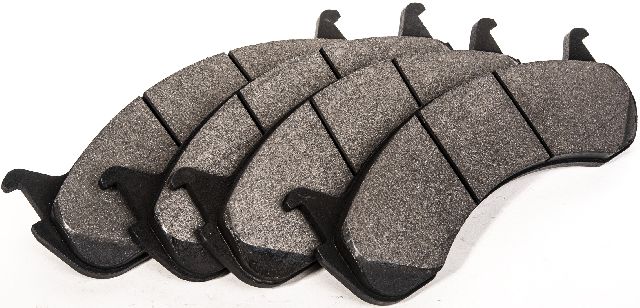
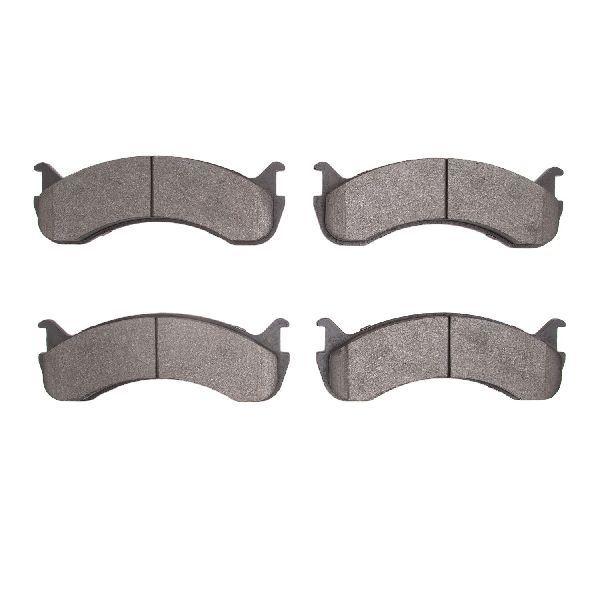
For a heavy-duty vehicle like the LF72, the type of brake pad you choose matters. The material must be able to handle high temperatures and heavy loads. Semi-metallic pads are the most common and recommended choice for this application due to their durability and performance under heat.
Heavy-Duty / Fleet-Grade Brands
These brands are known for making durable parts for commercial and severe-use vehicles. They are excellent choices for reliability and longevity.
- Bendix: A well-regarded manufacturer of brakes for commercial vehicles, Bendix is a trusted name. Their Heavy Duty line is specifically formulated for the demands of trucks and vans, offering cooler braking and long life.
- Wagner Brakes: Wagner is another top-tier brand. Their Wagner SD™ (Severe Duty) pads are designed for vehicles that operate in extreme conditions, like fleet or commercial trucks, making them a perfect match for the LF72 chassis.
Performance Aftermarket Brands
These brands focus on exceeding OEM performance, often providing better stopping power or fade resistance.
- Performance Friction: This brand offers CarbonMetallic® pads that are marketed to stop quicker, run quieter, and last longer than other materials, specifically for severe duty fleets.
- Dynamic Friction: DFC offers several lines, including their "Active Performance" pads, which are designed for aggressive use and high heat resistance. They can be a good upgrade for drivers who need maximum stopping power.
Standard Aftermarket & Other Brands
These brands offer quality replacement parts that meet or exceed original specifications.
- Centric Parts: Centric is a major aftermarket supplier with a reputation for quality. They offer a variety of brake pad lines that provide a balance of performance and value.
- Mevotech: While Mevotech is a well-known brand for chassis and suspension components, they are not primarily a brake manufacturer. Their brake pads are available but may be a rebranded product.
Pro Tip: Always Inspect Your Rotors
When you replace your brake pads, always inspect the brake rotors. On a heavy vehicle like the LF72, rotors can develop hotspots, deep grooves, or warp from heat. A dragging caliper from the recall issue mentioned above will almost certainly damage the rotor. For best performance and safety, it is highly recommended to replace the rotors at the same time as the pads.
Frequently Asked Questions
How often should I replace the brake pads on my LF72?
There is no single answer, as it depends entirely on your driving conditions (city vs. highway), load, and driving style. For a commercial vehicle, you should have the brakes inspected at every oil change or at least twice a year. Replace the pads when the friction material is at or near the manufacturer's minimum thickness, typically around 3-4 millimeters.
Should I use ceramic or semi-metallic pads on my Workhorse?
For the Workhorse LF72, semi-metallic brake pads are the superior choice. They are designed to handle the high heat and pressure associated with stopping a heavy vehicle. While ceramic pads are quiet and produce less dust, they may not offer the same level of performance and durability under heavy-duty commercial use.
Do I need to replace the calipers with the pads?
Not always, but given the widespread recall for sticking calipers on this chassis, you absolutely must inspect them. If a caliper is seized or not moving freely on its slide pins, it must be replaced. Replacing a faulty caliper will prevent the premature destruction of your new pads and rotors.
What is brake pad "bedding" and do I need to do it?
Bedding-in is the process of breaking in new brake pads and rotors. It involves a series of controlled stops to transfer an even layer of friction material onto the rotor face. This process improves brake performance and prevents future vibration. Always follow the specific bedding procedure recommended by the brake pad manufacturer.
Technical Specifications
Vehicle is typically equipped with hydraulic disc brakes with 66mm calipers. The brake system was part of a major recall involving Bosch ZOPS or ZOHT Pin Slide hydraulic disc brakes.
We Have This Part in Stock


The information in this article is provided for general reference and educational purposes only. Vehicle specifications, procedures, and part compatibility can vary by production date, trim level, and region. Always consult your vehicle's factory service manual and verify part numbers before purchasing or performing repairs. Safety-critical components such as airbags, seat belts, and braking systems should be installed by a qualified professional.
- Workhorse LF72: