

A Guide to the Accessory Drive Belt on Your 2002-2006 Peterbilt 320
Keep your Peterbilt 320 running strong by knowing when and how to replace your accessory drive belt.
- You MUST get the correct belt for your Peterbilt 320's specific engine and accessory setup; they are not all the same.
- A squealing noise is a serious warning; inspect the belt and tensioner immediately to avoid being stranded.
- While replacing the belt, always inspect the tensioner and pulleys for wear; replacing them at the same time is smart preventative maintenance.
- If the belt breaks, pull over and shut off the engine immediately to prevent catastrophic overheating damage.
Is Your Accessory Drive Belt Failing?
On a hard-working truck like the Peterbilt 320, the accessory drive belt is under constant stress from heat and tension. It's important to spot the signs of wear before it breaks and leaves you stranded. A snapped belt will cause the engine to overheat quickly and can lead to serious damage. During your regular inspections, look and listen for these symptoms.
Common Ordering Mistakes
Verify Your Engine. The 2002-2006 Peterbilt 320 was offered with several different Cummins engine options. The accessory drive belt is NOT one-size-fits-all. The correct length and rib count depend on your specific engine and accessories. Always confirm the part number using your truck's VIN or engine serial number before ordering a new belt.
Symptoms of a Bad Accessory Drive Belt
- Squealing or Chirping Noises: This is the most common sign of a problem. A high-pitched squeal, especially on startup or on damp mornings, usually means the belt is slipping because it's worn or the tensioner is weak.
- Visible Damage: Look closely at the belt. If you see multiple cracks, frayed edges, missing chunks of the ribs, or a surface that looks shiny and smooth (glazed), the belt is worn out and needs to be replaced.
- Accessory Problems: If your battery light comes on, headlights seem dim, or the engine temperature gauge starts to climb, the belt could be slipping. This means it's not properly powering the alternator or water pump.
Choosing the Right Aftermarket Belt
For a commercial vehicle, you don't want to risk using a low-quality belt. Aftermarket brands offer a great balance of price and performance. OEM parts from Peterbilt are a guaranteed fit but will cost more. Reputable aftermarket brands are a reliable choice for the Peterbilt 320.
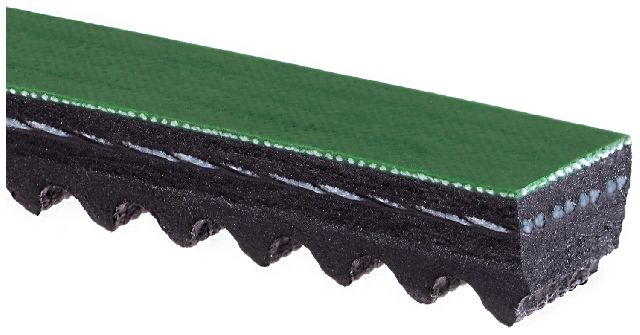
- Gates: Often considered a top-tier choice for heavy-duty applications. Many mechanics trust Gates belts, like the FleetRunner series, for their durability and resistance to heat and cracking.
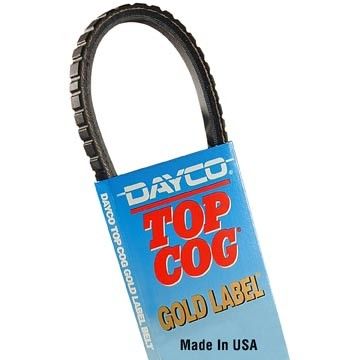
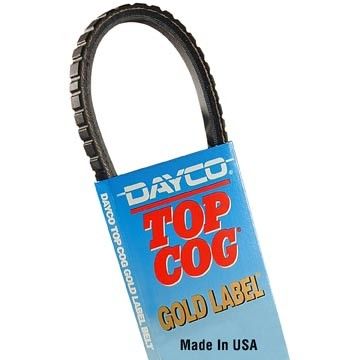
- Dayco: A well-known brand that produces quality belts. While some users in forums report occasional noise issues, Dayco states their EPDM rubber belts are just as durable as their competitors'. They are a solid and widely available option.
When you replace the belt, it's a smart move to also replace the belt tensioner. The tensioner's spring gets weak over time, and a weak tensioner can cause even a new belt to slip and wear out fast. Also, spin all the pulleys by hand. They should be smooth and quiet. A wobbly or noisy pulley will destroy a new belt and must be replaced.
| Part Type | Estimated Cost |
|---|---|
| New Aftermarket (Dayco, Gates) | $26.59 - $39.06 |
| New OEM | $60 - $100 |
| Shop Labor | $150 - $250 |
Frequently Asked Questions (FAQ)
How often should I replace the accessory drive belt?
There is no exact mileage. For a commercial truck, a good rule is to inspect the belt at every oil change and plan to replace it every 50,000 to 100,000 miles as preventative maintenance, even if it looks okay.
Why is my new belt squeaking?
If a new belt is making noise, the problem is likely not the belt itself. The most common causes are a weak or failing belt tensioner, a misaligned pulley, or fluids like oil or coolant leaking onto the belt.
Is this a difficult job to do myself?
For someone with mechanical experience, it's a manageable job. The Peterbilt 320's cab tilts forward, giving good access. You will need a long breaker bar or a special belt tensioner tool to release the tension. The most important step is to draw or photograph the belt's routing path before you take the old one off.
Were there any recalls for the Peterbilt 320 drive belt?
No. Searches of the National Highway Traffic Safety Administration (NHTSA) database did not find any recalls or technical service bulletins (TSBs) specifically related to the accessory drive belt for the 2002-2006 Peterbilt 320.
Technical Specifications
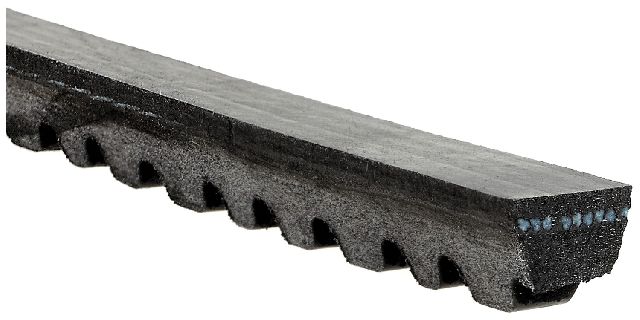
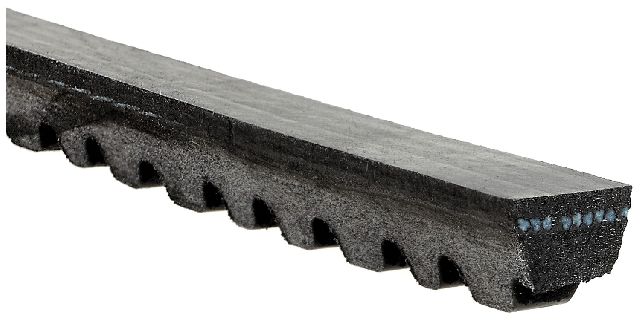
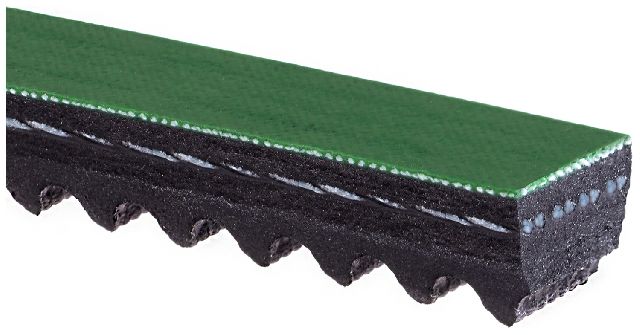
The specific belt length, width, and rib count (e.g., 6-rib, 8-rib) are critical and vary based on the engine (e.g., Cummins ISL9, ISX12) and accessories installed on the truck. Belts are typically made from durable EPDM rubber compounds.
We Have This Part in Stock

The information in this article is provided for general reference and educational purposes only. Vehicle specifications, procedures, and part compatibility can vary by production date, trim level, and region. Always consult your vehicle's factory service manual and verify part numbers before purchasing or performing repairs. Safety-critical components such as airbags, seat belts, and braking systems should be installed by a qualified professional.
- Peterbilt 320: