

Chevrolet B7 Brake Caliper Guide: Choosing the Right Replacement for 1993-2002
If you own a 1993-2002 Chevrolet B7, you know that reliable brakes are not just a feature—they're a necessity.
- The most common failure for B7 calipers is seizing or sticking due to heat and corrosion; regular slide pin lubrication is critical for prevention.
- Always replace calipers in pairs on the same axle to ensure even braking performance and safety.
- Before ordering, verify your caliper's piston size (either 2.88" or 2.5") to avoid incorrect fitment and brake imbalance.
- For a heavy-duty vehicle, choosing a new caliper from a quality aftermarket brand is often a better investment than a remanufactured one.
Is Your Chevrolet B7 Brake Caliper Failing?
The hydraulic disc brake system on the 1993-2002 Chevrolet B7 is robust, but its calipers are a known wear item, especially under the demanding conditions these vehicles operate in. Sticking or seizing is the most common failure, often due to heat, corrosion, and issues with the caliper slide pins. Because this is a heavy commercial chassis, any symptom of brake trouble should be addressed immediately.
Symptoms of a Bad Brake Caliper:
- Vehicle Pulling:** Your bus or truck pulls to one side when you brake. This often means one caliper is working harder than the other.
- Spongy or Soft Brake Pedal: If a caliper seal fails and leaks brake fluid, the pedal may feel soft or go closer to the floor. You might also see fluid on the inside of the wheel.
- Dragging Sensation: A seized caliper piston or stuck slide pins can prevent the brake from releasing completely. You may notice a lack of power, poor fuel economy, and a hot, burning smell from one of the wheels.
- Uneven Brake Pad Wear: When inspecting your brakes, if one pad is significantly more worn than the other, it's a classic sign of a malfunctioning caliper or stuck slide pins.
- Visible Fluid Leaks: Any sign of brake fluid leaking from around the caliper piston boot or bleeder screw indicates a failed seal and a necessary replacement.
A Critical Ordering Mistake
The Chevrolet B7 chassis was equipped with calipers that have different piston sizes. The most common are 2.88-inch and 2.5-inch pistons. Ordering the wrong size will affect brake balance and performance. Always measure your existing caliper's pistons or verify the original equipment part number before ordering a replacement.
Choosing the Right Aftermarket Caliper for Your B7
Since Original Equipment (OE) calipers for a vehicle this age are often unavailable or prohibitively expensive, the aftermarket is your go-to source. The brands available offer a range of quality and price points. For a heavy-duty application like the B7, choosing a quality new part over a remanufactured one can provide extra peace of mind.
Brand Quality Tiers
Premium Aftermarket (Best Quality):
- ACDelco: As GM's own parts brand, ACDelco offers new calipers that are considered a benchmark for fit and function. Their professional-grade parts are a reliable choice for maintaining original performance. Some new ACDelco calipers are made by other reputable manufacturers like Raybestos.
- Centric: Centric is a well-respected name in the brake industry, known for quality engineering. Their new calipers, especially those with protective coatings, are an excellent option to fight corrosion and ensure longevity.
Standard Aftermarket (Good Value & Performance):
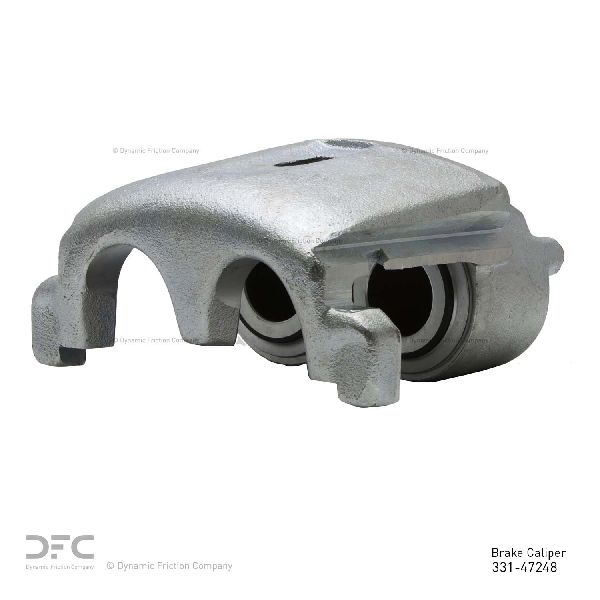
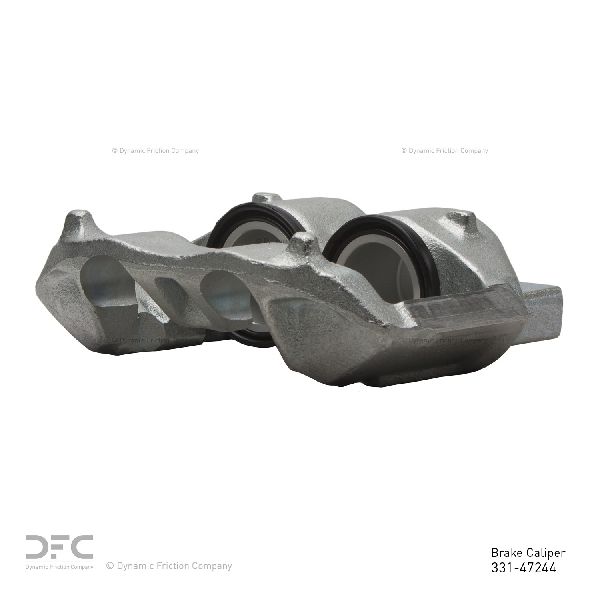
- Dynamic Friction (DFC): This brand offers new, OEM-quality calipers that are often competitively priced. They feature protective coatings to prevent rust and are 100% pressure tested, making them a solid choice for any B7.
- Cardone (New): While widely known for remanufacturing, Cardone also produces new calipers. These parts avoid the potential pitfalls of remanufactured units and provide a dependable, cost-effective solution.
Remanufactured (Budget-Friendly):
- Cardone (Remanufactured) & BBB Industries: These brands are major suppliers of remanufactured calipers. A reman caliper is an original part that has been rebuilt with new seals and wear components. While they are a budget-friendly option, the quality can sometimes be inconsistent. For a critical safety component on a heavy vehicle, a new caliper is often the recommended choice.
Pro Tip: Always Replace in Pairs
If one caliper has failed, the caliper on the other side of the same axle has endured the same mileage and conditions. To ensure even braking and prevent future issues, always replace calipers in pairs (both front or both rear). This is standard procedure in professional shops.
Cost of Replacing a Chevrolet B7 Brake Caliper
| Part Type | Estimated Cost Range (Per Caliper) |
|---|---|
| New Aftermarket | $70 - $217 |
| Remanufactured Aftermarket | $50 - $120 + Core Charge |
| Shop Labor (Per Axle) | $250 - $500 |
Note: Costs are estimates and will vary based on your location, the specific brand, and your mechanic's labor rates.
Frequently Asked Questions
Why do the calipers on my B7 keep seizing?
Sticking calipers are a common issue on these heavy hydraulic brake systems. The primary causes are lack of use, which allows corrosion to build on pistons and slide pins, and intense heat from braking. Regular maintenance, including cleaning and lubricating the caliper slide pins with high-temperature grease during every brake service, is the best way to prevent this.
Is a new or remanufactured caliper better for my B7?
For a heavy commercial vehicle, a new caliper is generally the safer, more reliable choice. New calipers from brands like ACDelco, Centric, or Dynamic Friction are made with all-new materials and are not subject to the potential metal fatigue of a rebuilt core. While remanufactured calipers can be a good value, the peace of mind that comes with a new part is often worth the extra cost for a safety-critical component.
Were there any recalls for the 1993-2002 B7 brake calipers?
There are no specific NHTSA recalls or Technical Service Bulletins (TSBs) found for disc brake calipers on the 1993-2002 Chevrolet B7 chassis. Recalls for GM brake calipers you may find online are for much newer passenger vehicles and do not apply to this model.
Should I also replace the brake hose?
Yes, it is highly recommended. A seized caliper generates extreme heat, which can break down the internal structure of the flexible rubber brake hose connected to it. This can cause the hose to act like a one-way valve, trapping pressure and causing the new caliper to stick. Replacing the hose is a cheap and effective way to ensure your new caliper functions correctly.
Technical Specifications
OEM Part Numbers: 15618891 15615220 15608854 15566042 15514583 15622036 15574500
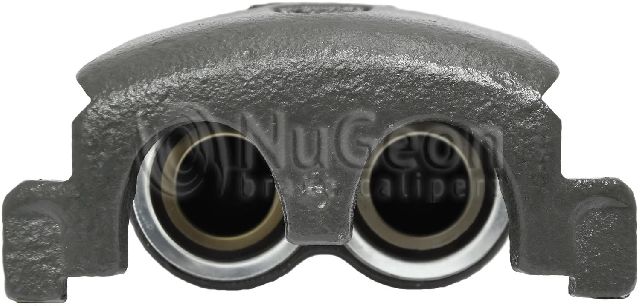
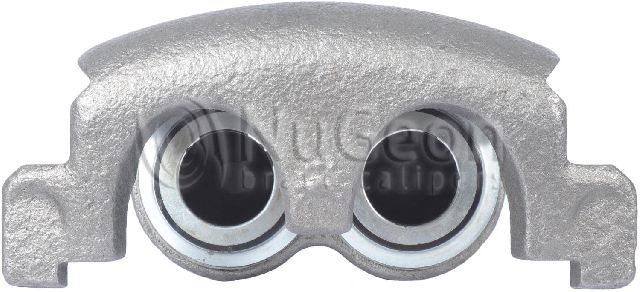
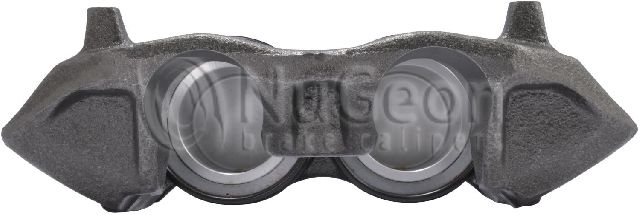
Configuration: 2-Piston floating caliper. Piston Material: Phenolic or Steel. Piston Diameter: 2.88 inches or 2.5 inches (verify before purchase). Position: Can be used for Front or Rear depending on the specific part number.
We Have This Part in Stock

The information in this article is provided for general reference and educational purposes only. Vehicle specifications, procedures, and part compatibility can vary by production date, trim level, and region. Always consult your vehicle's factory service manual and verify part numbers before purchasing or performing repairs. Safety-critical components such as airbags, seat belts, and braking systems should be installed by a qualified professional.
- Chevrolet B7: