

GMC P6500 Disc Brake Caliper Guide: 1992-1996 Models
Everything you need to know about replacing the disc brake calipers on your 1992-1996 GMC P6500 medium-duty truck.
- A seized caliper is the most common failure, causing symptoms like pulling, dragging, and burning smells that require immediate attention.
- For this vehicle age, new aftermarket (like Dynamic Friction) or quality remanufactured (like Centric) calipers are the best options.
- Always replace calipers in pairs (both fronts or both rears) and replace the brake fluid to ensure safety and performance.
- Due to the vehicle's size, components are heavy and bolts may be difficult to remove, making the job more challenging than on a light-duty truck.
Is Your P6500's Brake Caliper Failing?
On a heavy vehicle like the GMC P6500, brake components are put under extreme stress. The most common failure for a caliper is seizing or sticking. This can happen in two ways: the caliper can get stuck clamped down on the rotor, or it can get stuck in the open position and not apply pressure. A stuck caliper is a serious safety issue that needs immediate attention.
Key Symptoms of a Bad Brake Caliper
- Vehicle Pulling to One Side: When you brake, the truck may pull sharply to the left or right. If a caliper is seized, it can also cause pulling even when you aren't braking.
- Burning Smell: A strong, acrid burning smell from one of the wheels indicates constant friction from a pad dragging on the rotor due to a stuck caliper.
- Brake Drag or Sluggishness: The truck may feel slow or like the parking brake is on. This is a classic sign of a seized caliper not releasing its grip.
- Grinding or Squealing Noises: Loud grinding can occur when a stuck caliper causes brake pads to wear down completely, resulting in metal-on-metal contact.
- Visible Brake Fluid Leak: Fluid leaking around the wheel or on the inner side of the tire can point to a failed seal in the caliper piston.
Choosing the Right Aftermarket Caliper
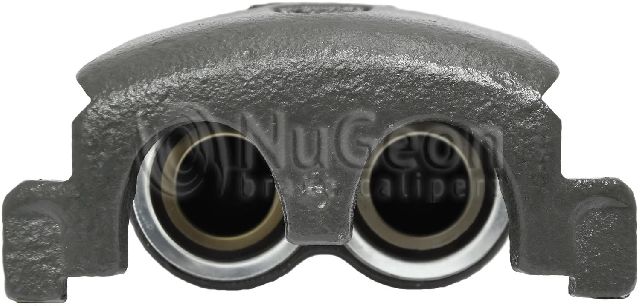
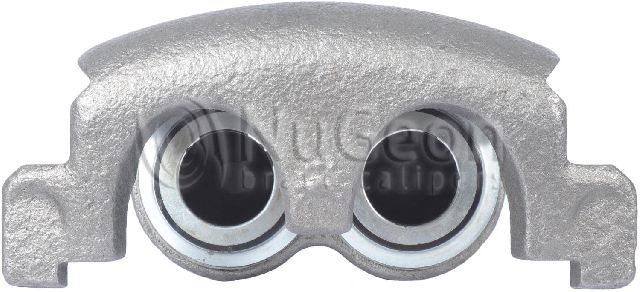
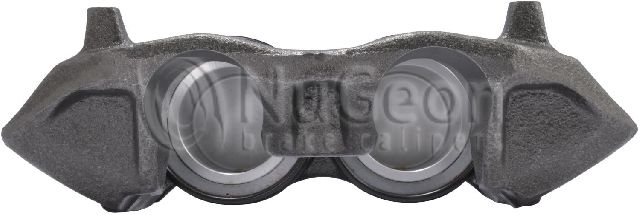
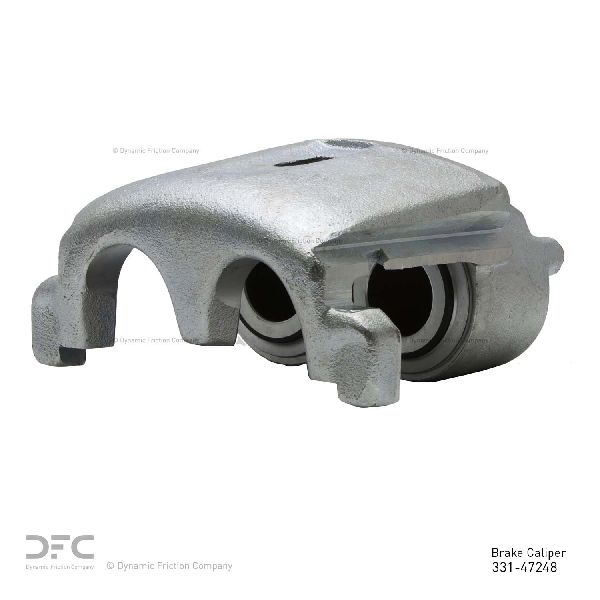
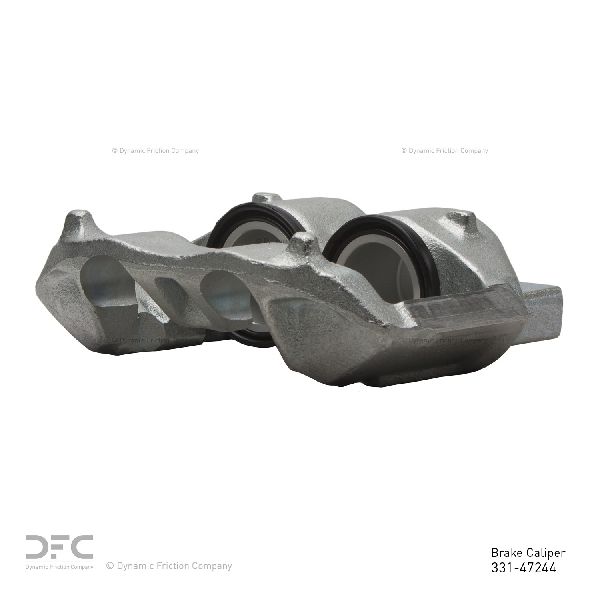
For a 1992-1996 vehicle, new OEM calipers are often discontinued or very expensive. The aftermarket offers both new and remanufactured options that provide a good balance of quality and cost. Your P6500 uses robust dual-piston calipers on the rear axle to handle heavy loads.
New vs. Remanufactured Calipers
New aftermarket calipers are made with 100% new components. Brands like Dynamic Friction often specialize in new parts. They have no core charge and you don't have to worry about the history of the part. Remanufactured calipers are original equipment (OE) cores that have been disassembled, cleaned, and rebuilt with new seals, boots, and other wear components. Brands like Cardone, Centric, and BBB Industries are well-known for remanufacturing. Quality can vary depending on the rebuilder's process.
Brand Quality Tiers for Your P6500
- Good (Standard Replacement): Brands like Cardone and BBB Industries are major suppliers of remanufactured calipers. They are an affordable solution for getting a truck back on the road. However, quality control can sometimes be inconsistent, with occasional reports of issues like poorly installed seals or incorrect hardware out of the box. It's wise to inspect these parts carefully before installation.
- Better (Enhanced Aftermarket): Centric is generally regarded as a reliable choice for remanufactured calipers, with many professional installers using them daily. They are often noted for having a better core cleaning and preparation process than some budget brands. Dynamic Friction offers new calipers that are considered good quality for daily use, providing a solid alternative to remanufactured parts.
Pro Tip: When replacing calipers, it's highly recommended to replace them in pairs (both front wheels or both rear wheels) to ensure even braking performance. Also, flush the brake fluid and consider replacing the flexible brake hoses at the same time, as an old, internally collapsed hose can mimic the symptoms of a seized caliper.
Estimated Replacement Costs
The cost to replace a disc brake caliper on your P6500 will vary based on the part brand and local labor rates. Because this is a medium-duty truck, labor costs may be higher than for a standard pickup.
| Item | Estimated Cost |
|---|---|
| New Aftermarket Caliper | $70 - $217 (per caliper) |
| Remanufactured Caliper | $70 - $180 (per caliper, may require core return) |
| Shop Labor | $150 - $300 (per caliper) |
Frequently Asked Questions
Should I buy a caliper with or without the mounting bracket?
If the caliper slide pins are seized or the bracket is heavily corroded, it's best to buy a loaded caliper that includes the bracket. This saves time and ensures all related components are new and move freely.
Do I need special tools to replace a P6500 caliper?
You will need a robust set of tools, including large sockets, a breaker bar for leverage on tight bolts, a C-clamp or piston compression tool to retract the pistons, and a brake bleeding kit. Due to the size and weight of the components, this job is more difficult than on a passenger car.
What is a phenolic vs. a steel piston?
Phenolic (plastic composite) pistons are resistant to rust and transfer less heat to the brake fluid, which can help prevent fluid boiling. Steel pistons are stronger and more durable against physical damage but can rust over time if moisture enters the system. For a heavy-duty application like the P6500, either is acceptable, but phenolic pistons offer better corrosion resistance.
Are there any recalls for my truck's calipers?
There are no specific recalls for the disc brake calipers on the 1992-1996 GMC P6500. However, there was a recall for the anti-lock brake system on some 1991-1996 GM trucks that could affect stopping distance. It is always a good practice to check for any open recalls on your vehicle using its VIN on the NHTSA website.
Technical Specifications
The 1992-1996 GMC P6500 can be equipped with different brake systems depending on the GVWR. Rear calipers are typically dual-piston designs to provide adequate stopping force for a medium-duty chassis.
We Have This Part in Stock


The information in this article is provided for general reference and educational purposes only. Vehicle specifications, procedures, and part compatibility can vary by production date, trim level, and region. Always consult your vehicle's factory service manual and verify part numbers before purchasing or performing repairs. Safety-critical components such as airbags, seat belts, and braking systems should be installed by a qualified professional.
- GMC P6500: