

Ford L9000 Accessory Drive Belt Guide: 1981-1986
Keep your 1981-1986 Ford L9000 running strong by understanding when and how to replace your accessory drive belts.
- Visually inspect belts for cracks and fraying; listen for squealing noises as signs of wear.
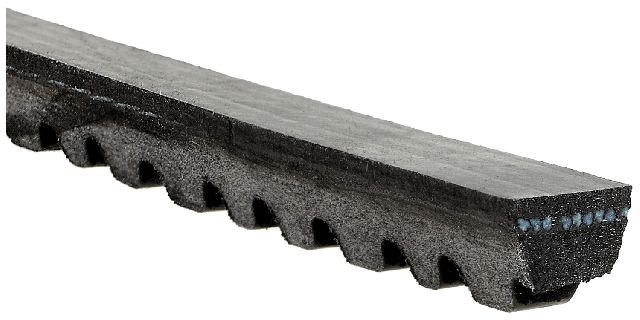
- Your L9000 likely uses multiple V-belts; confirm the correct belt for each accessory before ordering.
- For maximum durability, choose a premium heavy-duty belt from a brand like Gates.
- While replacing belts, always inspect pulleys for smoothness and play to prevent premature failure of the new belt.
Is Your Drive Belt Failing? Symptoms to Watch For
A failing drive belt on a heavy-duty truck like the L9000 gives clear warning signs. Ignoring them can leave you stranded. Look and listen for these symptoms:
🎬 Watch: A guide to identifying common bad belt symptoms.- Squealing or Chirping Noises: This is the most common sign. A high-pitched squeal, especially when starting the engine or during sharp turns, often means the belt is slipping due to wear or improper tension.
- Visible Wear and Damage: Do a visual inspection. Look for cracks, frayed edges, missing chunks, or a glazed, shiny appearance on the belt's surface. Heavy-duty belts operate under harsh conditions, and any visible damage means it's time for a replacement. 🎬 See these professional tips for inspecting heavy-duty belts.
- Accessory Performance Issues: If your headlights are dimming, the battery isn't staying charged, or the power steering feels heavy, it could be a slipping belt failing to power the alternator or power steering pump properly.
- Engine Overheating: If the drive belt runs your water pump, a failure can stop coolant circulation, leading to rapid engine overheating. This is a critical issue that can cause severe engine damage.
Complete Belt Failure is Critical
If a drive belt snaps, your truck will immediately lose power to all related accessories. This can result in a loss of power steering and the engine overheating, creating a serious safety hazard.
Choosing the Right Aftermarket Belt for Your L9000
For a vehicle from this era, Original Equipment (OEM) belts are likely discontinued. The aftermarket is your primary source, offering several reliable brands known for their performance in heavy-duty applications.
Your choice comes down to good, better, and best tiers:
- Good (Standard Replacement): Brands like ACDelco and Dayco offer quality standard replacement belts that meet or exceed original specifications. They are a reliable and cost-effective choice for regular use. Dayco is often noted as a solid brand with few issues. When choosing ACDelco, ensure you are getting their professional-grade part, not a lower-tier "service grade" option.
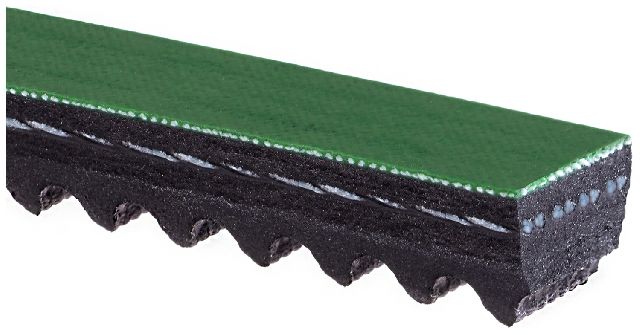
- Best (Heavy-Duty/Premium): For the most demanding applications, Gates is frequently recommended by mechanics. Look for their heavy-duty lines, sometimes referred to as "Fleetrunner" or identified by a green color. These belts are built with superior materials to better withstand the high temperatures and loads of a commercial diesel engine.
Pro Tip: Inspect Pulleys and Tensioners
When you replace the belts, always inspect the pulleys and tensioners. Spin each pulley by hand (with the belt off). They should spin smoothly and quietly. Any roughness, noise, or wobble indicates a bad bearing, and the pulley or accessory should be replaced to prevent damage to your new belt. On these trucks, tension is often set manually, so check for proper adjustment.
🎬 Watch: How to ensure your V-belts have the correct tension.Known Issues, Recalls, and Service Bulletins
Searches of the National Highway Traffic Safety Administration (NHTSA) database and other technical resources show no specific recalls or technical service bulletins (TSBs) for the accessory drive belts on the 1981-1986 Ford L9000. Any issues you encounter are most likely due to normal wear and tear from age and mileage.
| Part/Service | Estimated Cost |
|---|---|
| New Aftermarket Accessory Drive Belt | $21.07 - $57.89 |
| Shop Labor for Replacement | $100 - $200 |
Frequently Asked Questions
How often should I replace the drive belts on my L9000?
For heavy-duty trucks, a good practice is to inspect belts thoroughly at least every 60,000 miles and consider replacement every 90,000-100,000 miles, or sooner if you see any signs of wear like cracking or fraying. Given the age of these vehicles, annual inspection is highly recommended.
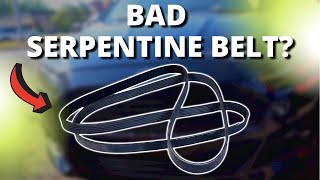
Is this a single serpentine belt or multiple V-belts?
Most trucks from this era, including the L9000, use multiple individual V-belts to drive the accessories. It's crucial to order the correct belt for each specific component (e.g., alternator, A/C compressor). Check your existing setup or a repair manual to confirm the number and type of belts required.
Can I replace the accessory drive belts myself?
Yes, for a mechanically experienced owner, this is a feasible DIY job. Access on these large trucks is generally better than on modern cars. The key is understanding how to properly loosen, replace, and tension the belts using the manual adjustment points on each accessory. Always take a picture of the belt routing before you begin.
Should I replace the belt tensioner at the same time?
Your L9000 likely has manually adjusted accessories rather than a modern spring-loaded tensioner. However, it may have idler pulleys. It is highly recommended to inspect all pulleys when replacing the belts. If an idler pulley feels rough, noisy, or loose when spun by hand, it should be replaced to protect the new belt.
Helpful Videos
Technical Specifications
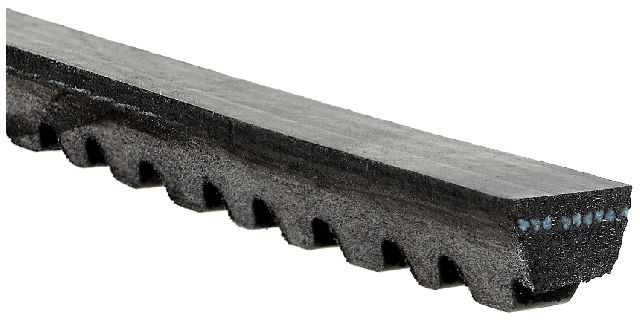
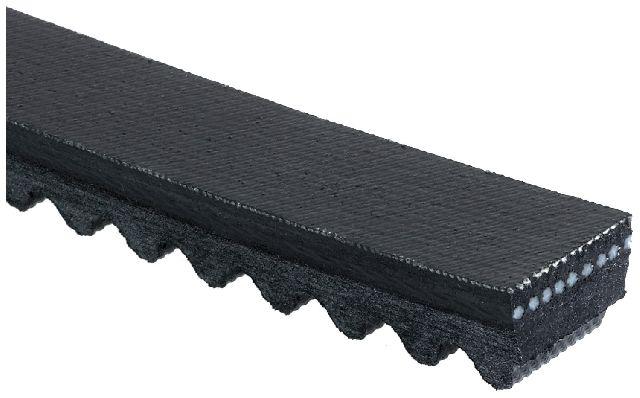
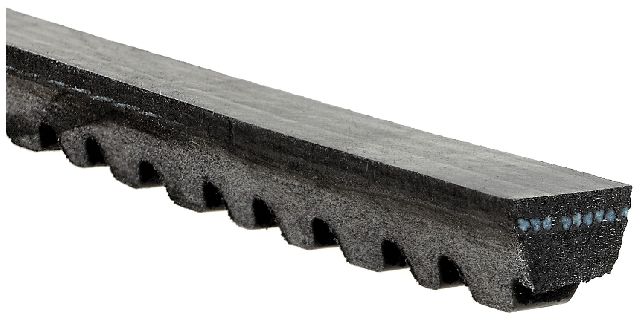
V-Belt or Poly-Rib (Serpentine) depending on engine and accessory. Common materials include EPDM rubber. Length and rib count are critical and vary by application (alternator, fan, etc.).
We Have This Part in Stock

The information in this article is provided for general reference and educational purposes only. Vehicle specifications, procedures, and part compatibility can vary by production date, trim level, and region. Always consult your vehicle's factory service manual and verify part numbers before purchasing or performing repairs. Safety-critical components such as airbags, seat belts, and braking systems should be installed by a qualified professional.
- Ford L9000: