

U1428 on 2013-2018 Ram 3500: Inaccurate Engine Torque Causes and Fixes
On a 2013-2018 Ram 3500, code U1428 most often means 'Inaccurate Engine Torque Received,' which forces the truck into limp mode. The most common causes are a weak battery or dual-battery setup, a faulty crankshaft position sensor, or outdated control module software that requires a dealer update.
- U1428 is a serious network code that will likely put your truck in a low-power limp mode, making it unsafe for highway driving.
- Before any expensive repairs, have your battery professionally load tested. This is the most common and least expensive potential fix.
- If the code is paired with P0335 or P0339, the crankshaft position sensor is the most likely culprit.
- If the battery is good and there are no other codes, the issue is likely a software glitch that requires a dealer or qualified shop to update the control module software.
What's Unique About the 2013-2018 Ram 3500
Fourth-generation Ram HD trucks have a complex network of electronic modules that are highly sensitive to system voltage. Unlike older vehicles, a slightly weak or aging battery can cause a cascade of communication codes, like U1428, before you even notice slow cranking. This code is often a symptom of an underlying electrical issue or a software glitch rather than a major mechanical failure. Owners frequently report that seemingly unrelated electrical problems are traced back to a failing battery.
Symptoms You May Notice
- Check Engine Light is on
- Vehicle enters 'limp mode' with drastically reduced power
- Inability to accelerate past a certain speed (e.g., 35-40 mph)
- Traction Control System (TCS) or Electronic Stability Control (ESC) light may illuminate
- Hard starting or crank-no-start condition
- Rough or erratic idle
- Flashing odometer, indicating a module communication issue
- Replacing the transmission or torque converter. This is a communication code, not a mechanical failure. Unnecessary transmission replacement can occur if the code is not diagnosed correctly.
- Replacing the Powertrain Control Module (PCM) or Transmission Control Module (TCM). While module failure is possible, it is rare. Software, battery, and sensor issues should be ruled out first.
Most Likely Causes
- Weak or Failing Battery 🔴 High Probability These trucks have a high electrical demand, and their control modules are very sensitive to low voltage. A battery that is starting to fail can cause communication dropouts between modules during startup or under load, triggering network codes.
How to confirm: Perform a load test on the battery (or batteries, if equipped with an auxiliary). A simple voltage check is not enough. A resting voltage below 12.4V or a failure to hold voltage under load indicates a bad battery.
Typical fix: Replace the battery. If the truck has a dual-battery system, it's best practice to replace both at the same time to prevent the old battery from damaging the new one.
Est. part cost: $150-$400 - Outdated Control Module Software 🔴 High Probability FCA (now Stellantis) has a history of releasing software updates to fix communication logic errors. TSB 18-091-19 was issued for the 2018 Jeep Compass to specifically address U1428 and limp mode by flashing the PCM. While not for a Ram truck, this establishes a strong precedent that a software update is a likely fix.
How to confirm: A dealer or a shop with a wiTECH scan tool must connect to the vehicle and check the current software calibration IDs for the PCM, TCM, and ABS modules against the latest available versions.
Typical fix: Reprogram (flash) the affected control module(s) with the latest software. This is a dealer or specialty shop repair.
Est. part cost: $0-$0 - Faulty Crankshaft Position Sensor (CPS) 🟡 Medium Probability The PCM uses the signal from the CPS to calculate engine RPM and torque. An intermittent or failing sensor sends erratic data, causing the PCM to broadcast an implausible torque value over the network, which the TCM or ABS module flags as an error.
How to confirm: Scan for codes P0335 or P0339, which specifically point to the CPS. A scan tool can also be used to monitor the engine RPM signal while cranking; a zero or erratic reading indicates a problem.
Typical fix: Replace the crankshaft position sensor. It is highly recommended to use an OEM Mopar sensor, as aftermarket sensors are known to cause issues on these trucks.
Est. part cost: $40-$120 - Damaged Wiring or Poor Grounds ⚪ Low Probability Vibrations, heat, and exposure can lead to chafed wires or corroded connectors in the CAN bus harness, particularly between the PCM and TCM. Poor ground connections can also introduce electrical noise that disrupts communication.
How to confirm: Visually inspect wiring harnesses around the engine, transmission, and control modules for any signs of damage, chafing, or corrosion. Check that all major ground straps on the engine, frame, and firewall are clean and tight, as suggested in forum discussions.
Typical fix: Repair the damaged section of the wiring harness or clean/tighten the affected ground connection.
Est. part cost: $5-$100
Diagnosis Steps
- Scan for All Codes: Use an OBD-II scanner to check for any accompanying codes, especially P0335/P0339 or P1DD2. These can point directly to the root cause.
- Check for TSBs and Recalls: Contact a Ram dealer or use an online service to check if your truck's VIN has any open recalls or Technical Service Bulletins related to the PCM, TCM, or this specific code. Note that TSBs for other FCA models often point to a software fix.
- Load Test the Battery: Have the battery/batteries professionally load tested. Do not rely on a simple voltage meter. A weak battery is a very common cause of this code, especially in dual-battery setups.
- Inspect Crankshaft Position Sensor Wiring: If P0335/P0339 are present, inspect the wiring and connector for the crankshaft position sensor for any visible damage before replacing the sensor.
- Inspect Wiring and Grounds: Perform a thorough visual inspection of the main wiring harnesses between the engine and transmission. Check for clean, tight connections at the PCM and TCM. Verify that engine and chassis ground straps are secure and free of corrosion.
- Seek Professional Diagnosis: If the above steps do not resolve the issue, the problem is likely a software glitch or a more complex wiring fault. A professional shop with a dealer-level scan tool (wiTECH) will be needed to check software versions and diagnose the CAN bus network.
Parts You'll Likely Need
- Battery — Modern Ram trucks are highly sensitive to voltage, and a weak battery is a primary cause of network communication faults like U1428.
Trusted brands: Mopar, Interstate, Odyssey
OEM price range: $200-$350
Aftermarket price range: $150-$300 - Crankshaft Position Sensor
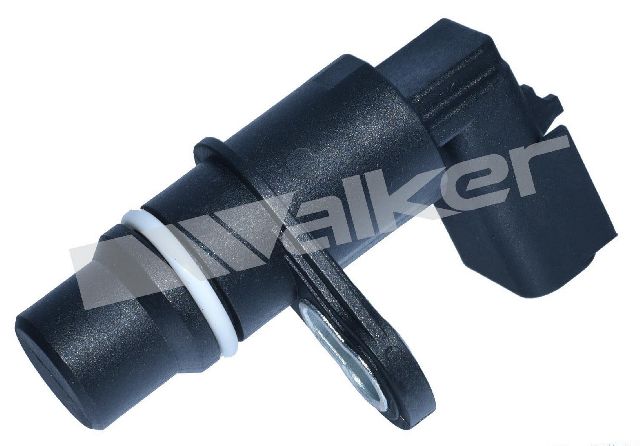
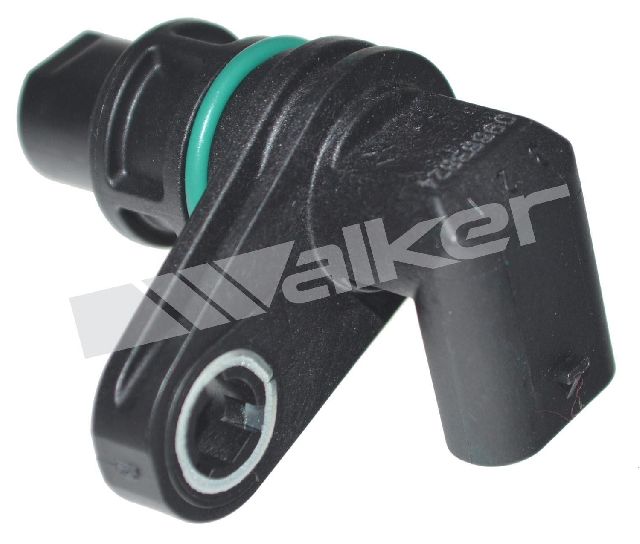
(OEM #68450921AA (superseded by 68581417AA, 68581417AB for 6.7L Diesel))— A failing CPS is a common hardware failure that directly causes the PCM to calculate and send incorrect torque data, triggering this code. Often seen with P0335/P0339.
Trusted brands: Mopar, Bosch, NTK
OEM price range: $80-$120
Aftermarket price range: $40-$80
Related Codes That Often Appear With This One
- P0335 / P0339 — These codes directly indicate a fault with the crankshaft position sensor circuit. Since the PCM uses this sensor to calculate engine torque, a CPS fault is a direct cause of the bad data that triggers U1428.
- P1DD2 — This code means 'Torque Request Signal From TCM Denied'. It is the flip side of U1428; the TCM sets this code when it rejects the implausible torque data it received from the PCM. Seeing them together confirms the communication fault between the two modules.
- P2173 — This code for 'High Airflow/Vacuum Leak Detected' can sometimes appear with U1428, suggesting the PCM is struggling to maintain control based on conflicting sensor inputs.
Technical Service Bulletins (TSBs) & Recalls
- 18-091-19: While for a different FCA vehicle, this TSB shows a history of using PCM software updates to correct U1428 and P1DD2 codes that cause limp mode.
Mechanic-Grade Diagnostic Values
- CAN Bus Network Resistance — expected: ~60 Ω. Failure: A reading of ~120 Ω indicates an open circuit or a missing terminating resistor. A reading significantly less than 60 Ω suggests a short in the wiring.
- CAN Bus Voltage (Key On, Engine Off) — expected: CAN-H: ~2.5V to 3.0V; CAN-L: ~2.0V to 2.5V. Failure: Voltages outside these ranges, or a voltage of 0V, indicates a short to ground or power on one of the lines.
- Crankshaft Position Sensor (3-wire Hall Effect) Power Supply — expected: 5V, 8V, or 9V reference voltage depending on the specific engine/year.. Failure: No voltage or significantly low voltage indicates a wiring issue or a problem with the PCM's 5V reference circuit.
- Crankshaft Position Sensor (3-wire Hall Effect) Ground Circuit — expected: Very low voltage (less than 100mV). Failure: Higher voltage indicates excessive resistance in the ground circuit (a poor ground).
Hidden / Shadow Codes Worth Checking
- P1DD2: 'Torque Request Signal From TCM Denied.' This code is the Transmission Control Module's (TCM) response to the invalid data that causes the PCM to set U1428. They are two sides of the same coin and almost always appear together for this fault. (see via A quality OBD-II scanner that can read manufacturer-specific transmission codes. It will be stored in the TCM memory.)
Scan Tool Commands That Help
- wiTECH (Dealer Tool): Reprogram PCM / Flash ECU — Used when a Technical Service Bulletin (TSB) identifies a software update as the fix for U1428. The tool downloads the latest calibration from FCA/Stellantis servers and flashes it to the module.
- wiTECH (Dealer Tool): Read System ID / View All DTCs — This is the initial step to see all active and stored codes in every module on the vehicle network, which is crucial for diagnosing network faults.
- AlphaOBD (Aftermarket): Read/Clear Faults — To read and clear manufacturer-specific codes from all modules, including the PCM, TCM, and ABS, which a basic code reader may not see.
- AlphaOBD (Aftermarket): Car Configuration Change — To review and correct vehicle configuration data in the Body Control Module (BCM). Incorrect settings (e.g., wrong transmission type, country code) from previous modifications can cause communication conflicts and trigger U-codes.
Wiring & Ground Locations
- Engine Block to Frame/Body Ground — A primary ground strap often runs from the back of the cylinder head to the firewall or frame.. A poor engine ground can cause a floating voltage reference for critical sensors like the crankshaft position sensor, leading to erratic signals and communication codes.
- Battery Negative Terminal Grounds — There are typically two ground wires connected to the negative battery terminal clamp: a large gauge wire to the engine block and a smaller gauge wire to the body/chassis, often near the driver's side headlight.. Corrosion or looseness at these primary ground points can disrupt the entire vehicle's electrical system and cause widespread communication faults.
- PCM Location — On Cummins diesel models, the Powertrain Control Module (PCM/ECM) is located on the driver's side of the engine block, just in front of the fuel transfer pump.. Knowing the PCM's location is necessary for visually inspecting its connectors and nearby wiring harnesses for damage, corrosion, or looseness.
Real Owner Repair Stories
- Reddit user checkmybloodpressure (2014 Ram 1500 V6, ~200,000 km) — Intermittent limp mode with cluster lights flashing. Restarting the truck would temporarily clear the issue. Codes U1428 and P2173 were present.
❌ Tried (didn't work) Dealer replaced a wiring harness, which did not fix the problem.
✅ What actually fixed it The mechanic found the transmission fluid was low. Topping off the fluid and later replacing the transmission filter resolved the issue completely. - RamForum.com user turkeybird56 (2020 Ram 1500 5.7L, 39k miles) — Sudden limp mode with multiple warnings (service stability control, etc.) and codes U1428 and P2173.
❌ Tried (didn't work) Dealer could not find a vacuum leak and replaced the MAP sensor, but the issue reoccurred.
✅ What actually fixed it The user was strongly advised by experienced forum members that a weak battery is the most common cause for a cascade of seemingly unrelated electronic codes and limp mode on modern Ram trucks, even if the battery is only a few years old and still starts the engine. The final fix was not posted, but the consensus pointed to a load test and battery replacement.
"I Checked Everything" — The Actual Cause
- A confirmed repair for U1428 involved finding and topping off low transmission fluid. This would be missed by standard diagnostic procedures for a network code, which focus on wiring, modules, and software. The TCM was likely denying torque requests as a protective measure due to an internal issue (low pressure) that hadn't yet triggered a specific transmission code.
OEM Part Supersession History
68450921AA→68581417AA, then 68581417AB— Part revision and improvement for the Crankshaft Position Sensor on 6.7L Cummins diesel engines.
Heads up: Always use the latest part number (68581417AB) to ensure you have the most current revision. The older numbers may still be in circulation but are considered obsolete.
Model Year Variations Within This Range
- 2018-onward: Introduction of the Security Gateway Module (SGW). This module sits between the OBD-II port and the vehicle's internal networks. It requires a specific bypass cable for aftermarket scan tools (like AlphaOBD) to perform bidirectional controls or configuration changes. Dealer tools (wiTECH) are designed to work with the SGW.
Diagnostic Flowchart
Other Known Issues on This Vehicle
Issues unrelated to this code that are worth knowing about as an owner of this generation:
- Death Wobble 🔴 High — Common on solid front axle trucks, especially after hitting a bump at highway speeds. Worsened by worn steering/suspension components or larger tires.
- Grid Heater Bolt Failure 🔴 High — Can occur at any mileage on 2007.5-2024 models. The bolt and nut can fall into the intake and cause catastrophic engine damage. (Ref: No recall for the bolt itself, but related recalls for the heater relay exist on some model years.)
- Water Pump Failure 🟠 Medium — Common enough to trigger a safety recall (T51 / NHTSA 17V-562) due to bearing failure that could lead to an engine compartment fire. (Ref: Recall T51 / NHTSA 17V-562)
- CP4.2 High-Pressure Fuel Pump Failure 🔴 High — Primarily affects 2019-2020 models, which are just outside the target vehicle range but highly relevant for owners. The pump self-destructs, sending metal through the fuel system. (Ref: Recall Y78 / NHTSA 21V880 (for 2019-2020 models))
Used vs. New Parts: Buying Guide for This Vehicle
When a used part is the smart pick: For this specific code, used parts are generally not recommended for the primary components. However, a used wiring harness from a low-mileage, non-corroded donor vehicle can be a cost-effective solution if a specific connector or section of wire is damaged and unavailable separately.
Donor-vehicle mileage cap: roughly under 75000 miles for the part to have meaningful remaining life.
What to inspect on the donor part:
- For wiring: Check for any signs of brittleness, cracking, or previous repairs (tape, splices).
- Ensure all connector locking tabs are intact and pins are clean and straight.
- Avoid parts from vehicles with signs of flood damage or heavy corrosion.
OEM-only on this vehicle (don't cheap out):
- Crankshaft Position Sensor: Aftermarket sensors are notoriously unreliable on FCA platforms and can cause the same or new codes to appear. Always use a genuine Mopar sensor.
- Control Modules (PCM, TCM, ABS): Module replacement should be done with a new or professionally remanufactured OEM unit that can be properly programmed to the vehicle's VIN and configuration. A used module from a junkyard will have the wrong VIN and software, causing further issues.
Aftermarket brands forum-validated for this vehicle:
- Batteries: Odyssey, Interstate, NorthStar (if available)
Brands owners have reported issues with on this vehicle:
- Unbranded or 'white box' electronic sensors (e.g., Crankshaft Position Sensor) from online marketplaces.
Real Owner Stories
Aggregated from forums and TSBs cited above. Mileages and costs reflect what owners reported in those sources.
2013-2018 Ram 3500
Symptoms: Crank-no-start condition and code U1428 present.
What fixed it: Performed a hard reset by disconnecting the battery and touching the cables together, and inspected the PCM harness connections for corrosion and grounds.
Source hint: Reddit r/ram_trucks - U1428 suggestions
Related OBD-II Codes
Frequently Asked Questions
Does TSB 18-091-19 apply to my 2013-2018 Ram 3500 to fix code U1428?
Can I use an aftermarket crankshaft position sensor to fix U1428 on my Ram truck?
Why is my odometer flashing along with the U1428 code?
How can I tell if my dual-battery system is causing this communication code?
Is there a recall for the grid heater on my 2013-2018 Ram 3500?
Could a water pump failure be related to my electrical codes?
We Have This Part in Stock


The information in this article is provided for general reference and educational purposes only. Vehicle specifications, procedures, and part compatibility can vary by production date, trim level, and region. Always consult your vehicle's factory service manual and verify part numbers before purchasing or performing repairs. Safety-critical components such as airbags, seat belts, and braking systems should be installed by a qualified professional.
- Ram 3500:
- 🛍️ Shop This Part
- What's Unique About the 2013-2018 Ram 3500
- Symptoms You May Notice
- Most Likely Causes
- Diagnosis Steps
- Parts You'll Likely Need
- Related Codes That Often Appear With This One
- Technical Service Bulletins (TSBs) & Recalls
- Mechanic-Grade Diagnostic Values
- Hidden / Shadow Codes Worth Checking
- Scan Tool Commands That Help
- Wiring & Ground Locations
- Real Owner Repair Stories
- "I Checked Everything" — The Actual Cause
- OEM Part Supersession History
- Model Year Variations Within This Range
- Diagnostic Flowchart
- Other Known Issues on This Vehicle
- Used vs. New Parts: Buying Guide for This Vehicle
- Real Owner Stories
- 2013-2018 Ram 3500
- Related OBD-II Codes
- Frequently Asked Questions
- 🎟️ Get 5% Off