

U1111 on 2010-2012 Audi Q5: Transmission Communication Fault Causes and Fixes
On a 2010-2012 Audi Q5, code U1111 almost always indicates the beginning of a mechatronic unit failure inside the S-Tronic automatic transmission. This is a known issue requiring professional repair, which can cost several thousand dollars. The failure is specifically within the DL501 (0B5) transmission's control module, which loses communication with the rest of the vehicle.
- Code U1111 on a 2010-2012 Q5 is a serious warning sign, not a random glitch.
- The fault is almost certainly a failing mechatronic unit inside the transmission, a common and well-documented problem for this model.
- Do not ignore symptoms like harsh shifting or dashboard warnings, as this can lead to more expensive mechanical damage.
- This is not a DIY repair. Seek a qualified independent specialist or dealer experienced with Audi S-Tronic transmissions.
- Always check the battery and wiring first, but be prepared for the diagnosis to point to the mechatronic unit.
What's Unique About the 2010-2012 Audi Q5

This generation of Audi Q5 often uses the DL501 (also called 0B5) S-Tronic dual-clutch transmission. Its primary weakness is the mechatronic unit—an electro-hydraulic module that houses the TCM, sensors, and solenoids. This entire unit is located inside the transmission, submerged in hot fluid. Over time, heat cycles cause the internal printed circuit boards and sensors to fail, leading to communication dropouts that trigger the U1111 code. The failure is so common that repair kits and even class-action lawsuits have been established for this transmission across various Audi models.
Diagnostic Flowchart
Tap your situation to follow the diagnostic path that matches what you're seeing on this vehicle.
Symptoms You May Notice

- "Gearbox Malfunction: You can continue driving" message on the instrument cluster
- Harsh jolt or clunk, especially when braking to a stop (shifting from 2nd to 1st gear)
- Flashing PRNDS gear selector indicator lights
- Hesitation or delay when accelerating from a standstill
- Erratic or harsh gear changes, sometimes specifically between 2nd-3rd or 4th-5th gears.
- Inability to select reverse or some forward gears, sometimes only after the car warms up.
- Transmission enters 'limp mode,' getting stuck in a single gear
- Complete loss of drive or reverse.
- Replacing the entire transmission when only the mechatronic unit is faulty.
- Replacing individual external sensors when the fault is internal to the mechatronic unit.
- Attributing symptoms to a bad Mass Airflow (MAF) sensor or other engine components when the root cause is the TCM communication loss.
Most Likely Causes

- Failing Mechatronic Unit (Internal TCM) 🔴 High Probability The Transmission Control Module (TCM) is integrated into the mechatronic unit inside the hot transmission housing. Heat cycles degrade the internal circuit boards, solder joints, and sensors, leading to failure. This is a well-documented design flaw of the DL501 transmission.
How to confirm: Use an Audi-specific scan tool (like VCDS or ODIS). Confirm if the TCM (address 02) is unresponsive or has stored faults related to sensors (P0726), solenoids (P174B, P174F), or pressure regulation (P179C). If the module cannot be communicated with at all, it's a strong indicator of total failure.
Typical fix: The mechatronic unit must be removed from the transmission. It can be replaced with a new/remanufactured unit or, more commonly, repaired using an OEM repair kit (Part No. 0B5398048D or similar 🎬 Watch: Step-by-step guide to using the mechatronic repair kit.) which includes new circuit boards and solenoids. The fix always includes new transmission fluid and filters.
Est. part cost: $400-$2500 - Damaged Transmission Wiring Harness or Connector ⚪ Low Probability The main 16-pin harness connector on the side of the transmission is exposed to the elements, making it susceptible to corrosion, water intrusion, or physical damage from road debris. In some cases, the harness can chafe against the transmission crossmember.
How to confirm: Visually inspect the large multi-pin connector (Part No. 420973716) at the transmission for corrosion, bent pins, or fluid contamination. Trace the harness (Part No. 0B5321391A) for any signs of physical damage, especially where it might rub against chassis components.
Typical fix: Clean the connector terminals with contact cleaner or repair/replace the damaged section of the wiring harness. In severe cases, the entire external harness needs replacement.
Est. part cost: $50-$600 - Low Battery Voltage or Bad Ground ⚪ Low Probability Modern Audis are highly sensitive to voltage. A weak battery or a corroded engine-to-chassis ground strap can cause random communication faults between modules before causing a no-start condition. A short during a battery replacement can also trigger numerous communication faults.
How to confirm: Test the battery voltage with a multimeter. A healthy, resting battery should be above 12.4V. Check the charging system voltage with the engine running (should be ~13.7-14.7V). Inspect the main ground straps for corrosion or looseness.
Typical fix: Recharge or replace the vehicle's battery, ensuring it is properly coded to the vehicle with a diagnostic tool. Clean or replace corroded ground straps.
Est. part cost: $200-$400
Rare But Worth Checking
- Water Intrusion in Cabin:
Diagnosis Steps
- Scan all modules with an Audi-specific diagnostic tool (e.g., VCDS, ODIS). Note all codes stored in the CAN Gateway (address 19) and the Transmission Control Module (address 02). If the TCM is completely unresponsive, this is a primary indicator of mechatronic failure.
- Check battery health and charging system performance. Ensure voltage is stable and within specification (~12.4V+ resting, ~13.7-14.7V running). Inspect main battery and engine ground connections for corrosion.
- If battery is healthy, raise the vehicle and perform a thorough visual inspection of the transmission's main 16-pin electrical connector and wiring harness. Look for any signs of corrosion, fluid leaks, or physical damage, particularly chafing against the crossmember.
- Check for known water leak issues, such as from a panoramic sunroof, which can damage other network modules and cause widespread communication faults.
- If all external wiring and voltage levels are correct, and other transmission-specific fault codes (like P179C, P17D8, P0726) are present, the mechatronic unit is the confirmed point of failure.
Parts You'll Likely Need

- Mechatronic Unit Repair Kit
(OEM #0B5398048D (supersedes 0B5398048C))— This is the root cause of the U1111 code on this vehicle in over 90% of cases. The internal electronics fail, and this kit contains the replacement circuit boards and solenoids needed for the repair.
Trusted brands: Audi (OEM), BorgWarner (OEM supplier)
OEM price range: $400-$800
Aftermarket price range: $250-$500 - S-Tronic Transmission Fluid and Filter Kit
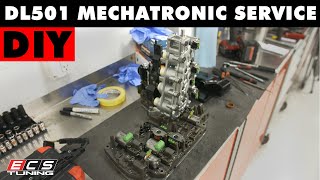
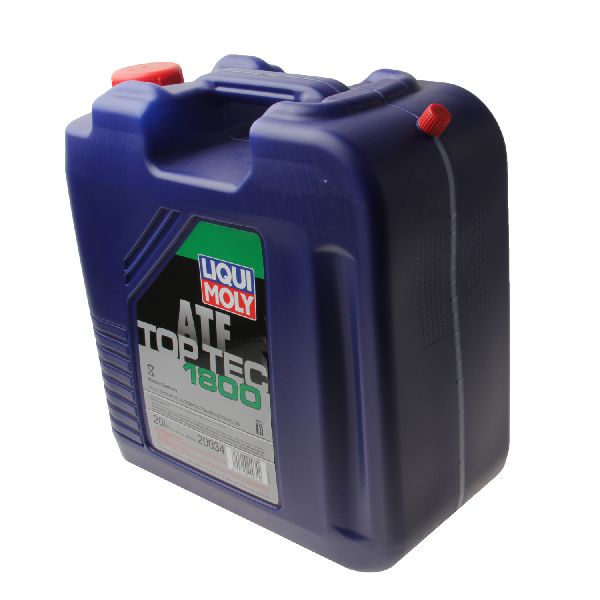
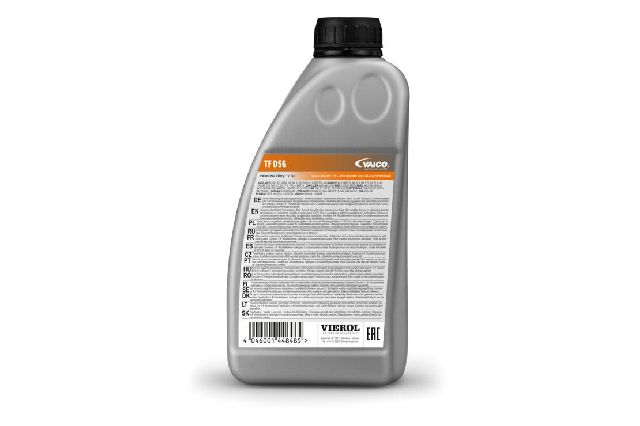
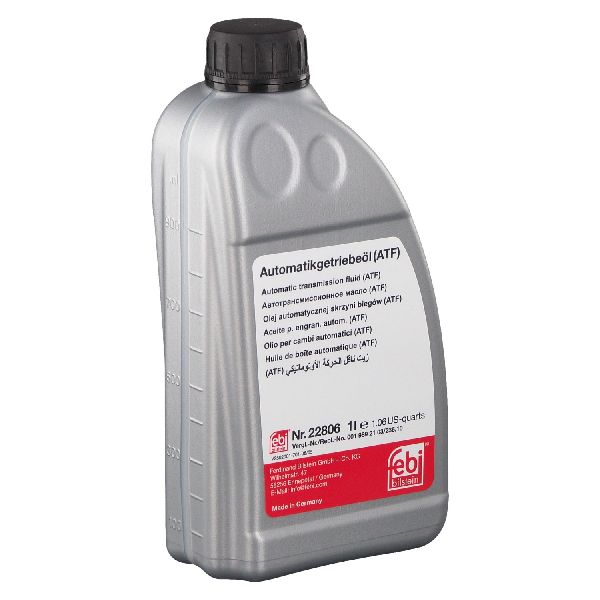
(OEM #G052529A2 (Fluid))— Fluid and filters must be replaced whenever the mechatronic unit is serviced. Using the correct OEM-spec fluid is critical for the health of the new unit. The full service kit includes gaskets, seals, and filters. 🎬 See this DIY walkthrough for a full mechatronic service.
Trusted brands: Audi (OEM), Fuchs, Liqui Moly, Vaico
OEM price range: $200-$300
Aftermarket price range: $150-$250 - Mechatronic Assembly (Remanufactured) — In cases of severe internal damage or for shops that prefer a complete unit swap, a remanufactured mechatronic is an option. This is more expensive than the repair kit.
Trusted brands: Audi (OEM Reman), Specialized Remanufacturers (e.g., MLREng)
OEM price range: $2000-$3500
Aftermarket price range: $1200-$2000
Related Codes That Often Appear With This One
- P179C — Indicates an electrical fault in the main pressure valve, which is controlled by the mechatronic unit.
- P17D8 — Indicates torque limitation due to clutch temperature, a common symptom of mechatronic issues causing clutch slip and overheating.
- P0726 — Fault for an implausible RPM signal from the engine control unit, often triggered by the failing TCM circuit board.
- P174B / P174F — These codes point to electrical faults in the valves that control the two sub-gearboxes, which are part of the mechatronic assembly.
Technical Service Bulletins (TSBs) & Recalls
- TSB #37144620255354: Notes that transmission faults, specifically DTC P1703 or U1111, may be stored.
- Audi TSB SB-10054213-2278: Details various 'Gearbox Malfunction' messages on the dash that point towards mechatronic unit failure.
- TSB #2039424/10: This TSB (and its revisions) addresses the mechatronic failure, symptoms, and the use of a repair kit for various models with the DL501 transmission.
Platform-Specific Known Issues
- The DL501 (0B5) S-Tronic transmission used in the 2010-2012 Q5 has a well-documented history of mechatronic unit failure. The failure is specifically tied to the degradation of the internal circuit board due to prolonged exposure to heat and vibration inside the transmission case.
- A class-action lawsuit was filed concerning this transmission defect in several Audi models (including S4/S5 which share the transmission), leading to a settlement that included warranty extensions and reimbursement for some owners. While the Q5 was not always explicitly named, the underlying hardware and failure mode are identical.
Mechanic-Grade Diagnostic Values
- Resistance of Clutch Cooling Valve Solenoid (N471) and Main Pressure Solenoid (N472) — expected: 4.2 Ohms (± 0.1) at 25°C; 4.8 Ohms (± 0.1) at 70°C. Failure: Readings significantly outside this range indicate a failing solenoid coil.
- Resistance of VFS Clutch Solenoids (N436, N440) — expected: 4.8 Ohms (± 0.1) at 25°C; 5.4 Ohms (± 0.1) at 70°C. Failure: An open circuit (infinite resistance) or a reading far from the specification points to a bad solenoid.
- Resistance of Gear Actuator Solenoids (N433, N434, N437, N438) — expected: 4.8 Ohms (± 0.1) at 25°C; 5.2 Ohms (± 0.1) at 70°C. Failure: Values outside the specified range suggest an internal fault in the solenoid.
- VCDS Live Data - Clutch Adaptation Point Pressure (K1 Clutch) — expected: Upper: 7.6 – 7.9 bar; Lower: 2.55 – 2.95 bar. Failure: Pressures outside these ranges after an adaptation procedure may indicate worn clutch packs or hydraulic pressure issues, even after a mechatronic repair.
- VCDS Live Data - Clutch Adaptation Point Pressure (K2 Clutch) — expected: Upper: 7.6 – 7.9 bar; Lower: 2.1 – 2.5 bar. Failure: Values outside the recommended ranges can point to mechanical clutch wear or persistent hydraulic control problems.
Scan Tool Commands That Help
- VCDS (VAG-COM): Basic Settings - Erase counter for start and stop processes — This is the first step in the adaptation process after replacing the mechatronic unit or repair kit. It should be performed with the key on, engine off.
- VCDS (VAG-COM): Basic Settings - Clutch valve calibration — Performed with the engine running after erasing counters. This step calibrates the new solenoid valves.
- VCDS (VAG-COM): Basic Settings - Distance sensor calibration — Performed with the engine running after clutch valve calibration. This is critical for the TCM to learn the positions of the gear selectors, especially after the wiring harness (part of the repair kit) has been replaced. Clunking noises are normal during this procedure.
- VCDS (VAG-COM): Basic Settings - Adaptation of clutch kiss points — This is a final adaptation step performed while driving, after the static basic settings are complete. It allows the TCM to fine-tune the clutch engagement points for smooth take-off.
Wiring & Ground Locations
- T16 Connector — The main 16-pin electrical connector on the side of the 0B5 transmission.. This is the primary interface between the vehicle's main wiring harness and the mechatronic unit. Corrosion or damage here can directly cause a U1111 communication loss. The part number for the plug is 420973716.
- Engine Compartment Ground (Left) — In the engine compartment, on the left side between the shock absorber strut tower and the water drainage box (plenum chamber).. A poor ground connection at this primary point can introduce electrical noise and voltage drops, leading to intermittent communication faults across various modules, including the TCM.
- Engine to Chassis Ground Strap — Typically located on the lower part of the engine, connecting the engine block to the vehicle's frame/subframe.. This is the main ground path for the entire powertrain. If this strap is corroded, loose, or broken, it can cause a wide range of bizarre electrical issues, including module communication errors like U1111.
- Ground Point on Center Tunnel — Inside the vehicle cabin, on the center tunnel.. This ground point is used by various interior control modules. While less likely to be the primary cause, a fault here could disrupt the CAN bus network that the TCM relies on.
Real Owner Repair Stories
- MHH Auto forum user 'vijayrelia' (Audi with 0B5 Transmission) — Fault code P17D5 after mechatronic work.
❌ Tried (didn't work) Installing a new mechatronic repair kit., Replacing the TCU (Transmission Control Unit).
✅ What actually fixed it The problem was resolved by replacing three specific solenoids: the two VFS solenoids (N436 and N440) and the main pressure solenoid (N472). This suggests that even new repair kits can sometimes have faulty components or that the issue was isolated to solenoids not included or replaced in the initial repair.
OEM Part Supersession History
0B5398048C→0B5398048D— Updated revision of the mechatronic repair kit. The 'D' version is the most current recommended replacement.
Heads up: While older versions may exist, 0B5398048D is the standard repair kit to use for this fault.Multiple, including 0B5398009A, B, C, E→0B5398009F (as part of kit)— These part numbers refer to the internal wiring harnesses/PCBs which are included in the main repair kit. Revisions often address durability issues.
Heads up: It is critical to use the complete repair kit (0B5398048D) which contains the latest revision of the circuit boards and corresponding solenoids.
Helpful Videos

Used OEM Parts in Stock


New Aftermarket Parts Available



The information in this article is provided for general reference and educational purposes only. Vehicle specifications, procedures, and part compatibility can vary by production date, trim level, and region. Always consult your vehicle's factory service manual and verify part numbers before purchasing or performing repairs. Safety-critical components such as airbags, seat belts, and braking systems should be installed by a qualified professional.
- Audi Q5:
- 🎬 Helpful Videos
- 🛍️ Shop This Part
- What's Unique About the 2010-2012 Audi Q5
- Diagnostic Flowchart
- Symptoms You May Notice
- Most Likely Causes
- Rare But Worth Checking
- Diagnosis Steps
- Parts You'll Likely Need
- Related Codes That Often Appear With This One
- Technical Service Bulletins (TSBs) & Recalls
- Platform-Specific Known Issues
- Mechanic-Grade Diagnostic Values
- Scan Tool Commands That Help
- Wiring & Ground Locations
- Real Owner Repair Stories
- OEM Part Supersession History
- 🎟️ Get 5% Off