

U0100 on 2018-2023 VW Jetta: Lost Communication with ECM Causes and Fixes
U0100 on a 2018-2023 VW Jetta means the Engine Control Module (ECM) has lost communication. This often causes a no-start condition or engine shutdown. Common causes are wiring issues, a blown fuse (specifically SB9), poor connections, or a faulty ECM, which can be damaged during improper battery replacement. Diagnosis is complex and usually requires professional service.
- U0100 on a 2018-2023 Jetta is a critical fault indicating the Engine Control Module is offline, which can cause a no-start or sudden shutdown.
- Do not drive the vehicle. There is a documented risk of the engine shutting off unexpectedly.
- Diagnosis should start with the basics: check the battery, fuses, and visually inspect the ECM wiring harness for any obvious damage.
- A real-world owner complaint links this failure to hitting a pothole, so pay special attention to the security of connectors and wiring.
- This is not a simple DIY fix. Repairing a U0100 code almost always requires professional diagnostic tools and expertise.
What's Unique About the 2018-2023 Volkswagen JETTA

For the 2018-2023 (A7 generation) Jetta and its platform mates, this code is particularly serious. Volkswagen issued Technical Tip (TT) 01 19 05 warning technicians that the ECM (J623) can be internally shorted and destroyed if the positive battery terminal makes contact with the ECM case while servicing the battery. This specific vulnerability, combined with an NHTSA complaint of a complete shutdown after hitting a pothole, points to both procedural and physical weaknesses in the platform's electrical system leading to U0100.
Diagnostic Flowchart

Tap your situation to follow the diagnostic path that matches what you're seeing on this vehicle.
Symptoms You May Notice

- Engine cranks but will not start.
- Engine shuts off while driving.
- Check Engine Light is on.
- EPC (Electronic Power Control) light is on.
- Multiple warning lights on the dashboard (ABS, Traction Control, ESC).
- Transmission gear indicator (PRNDS) on the dash may disappear or flash.
- Vehicle may be stuck in 'limp mode' with reduced power.
- No response when pushing the start button (no crank, no accessory mode).
- Replacing the battery without load testing it first. While a weak battery can cause this code, it's important to confirm its condition before replacement.
- Replacing the ECM without first verifying all its power, ground, and fuse connections (especially fuse SB9) are good, and that the battery was disconnected properly (ground first).
- Replacing other control modules (like the TCM or ABS module) before confirming the fault lies with the ECM or its wiring.
Most Likely Causes

- Wiring Harness or Connector Issues 🔴 High Probability An NHTSA complaint for a 2020 Jetta shows that a physical shock from a pothole caused a total loss of communication, suggesting wiring or connectors could be a weak point. A forum post on a platform-mate Golf also identified bad pin connections in the ECU loom as the cause of a U0100 code.
How to confirm: Perform a thorough visual inspection of the wiring harness leading to the ECM for any signs of damage, corrosion, or loose connections. Pay special attention to main ground straps (from battery to chassis, chassis to engine block). Wiggle the harness near the ECM to see if the fault is intermittent. Check for power and ground at the ECM connector using a multimeter and wiring diagram.
Typical fix: Repairing the damaged section of the wire, re-seating connector pins, or replacing the connector pigtail. In a documented case on a 2019 Jetta, a broken ground wire was the culprit. In severe cases, the entire engine harness may need replacement.
Est. part cost: $20-$500 - Failed Engine Control Module (ECM) 🟡 Medium Probability VW Technical Tip TT 01 19 05 states the ECM may become internally shorted if the positive battery terminal grounds out on the ECM case during battery service. Technicians are warned to always disconnect the battery ground cable first.
How to confirm: This is typically a last step after all wiring, power, ground inputs, and fuses have been confirmed to be good. An advanced scan tool may show the ECM is offline and won't communicate. A technician may perform bench testing on the module itself.
Typical fix: Replacing the ECM. This is a costly repair that requires programming the new module to the vehicle's immobilizer system and other components.
Est. part cost: $800-$2000 - Blown Fuse or Faulty Power Relay 🟡 Medium Probability
How to confirm: Check all fuses related to the ECM and powertrain. Specifically, check fuse SB9 in the engine bay fuse box, as recommended by VW Technical Tip TT 01 19 05 for a U0100 with a no-start condition. Locate the main ECM power relay (often called 'Terminal 30' or 'J271' in VW diagrams) and test its function.
Typical fix: Replace the blown fuse or faulty relay.
Est. part cost: $5-$50 - Low Battery Voltage or Poor Ground Connection 🟡 Medium Probability Modern VWs are highly sensitive to voltage. A Reddit user on a 2019 Jetta with a no-start condition traced the issue to a broken ground wire after collision work.
How to confirm: Test the battery voltage; it should be above 12.4 volts with the engine off. Load test the battery, as a battery can show good voltage but fail under load. Inspect the main battery terminals, chassis grounds (especially near the battery), and the specific ground straps for the ECM for tightness and corrosion.
Typical fix: Recharge or replace the battery. Clean, tighten, or replace faulty ground connections.
Est. part cost: $150-$350
Rare But Worth Checking
- Faulty CAN Gateway Module: The gateway module (J533) routes communication between different networks in the car. If it fails, it can prevent the ECM from talking to other modules. A forum post on a similar VW platform noted that if no modules can communicate, the gateway is a likely suspect.
- Faulty Ignition Switch: A Reddit user with a U0100 code on a 2017 Jetta (previous generation) reported that a faulty ignition switch lock cylinder was part of the final repair, which cost around $500 at a dealer.
Diagnosis Steps
- Check Battery Health and Connections: Ensure the battery has a full charge (12.4V+ engine off) and passes a load test. Terminals must be clean and tight. CRITICAL WARNING: If disconnecting the battery, ALWAYS disconnect the negative (ground) terminal first to prevent shorting the ECM, as per VW Technical Tip TT 01 19 05.
- Scan for All Codes: Use an advanced OBD-II scanner (like VCDS) to read codes from all available modules, not just the engine. Note which modules are reporting a loss of communication with the ECM.
- Inspect Fuses: Visually inspect all fuses related to the ECM, PCM, and ignition circuits. Pay special attention to fuse SB9 in the engine compartment fuse box.
- Visual Inspection of Wiring: Thoroughly inspect the engine wiring harness, especially around the ECM and main ground points (near battery, on chassis rails). Look for chafing, melting, corrosion, or rodent damage.
- Check Power and Ground at ECM: Using a multimeter and the vehicle's wiring diagram, carefully back-probe the ECM connector to verify it is receiving proper battery voltage, ignition-on voltage, and has a solid ground connection (less than 0.1 ohms of resistance).
- Check CAN Bus Integrity: With the battery disconnected, measure the resistance between the CAN High (Pin 6) and CAN Low (Pin 14) pins at the OBD-II port. It should be approximately 60 ohms. A reading of 120 ohms suggests an open circuit or a missing terminating resistor, while 0 ohms indicates a short between the two lines. 🎬 See how to perform a CAN bus resistance check
- Professional Diagnosis: If the above steps do not reveal the cause, the issue is likely a failed ECM or a complex network fault that requires an oscilloscope and professional expertise to diagnose.
Parts You'll Likely Need
- Engine Control Module (ECM)
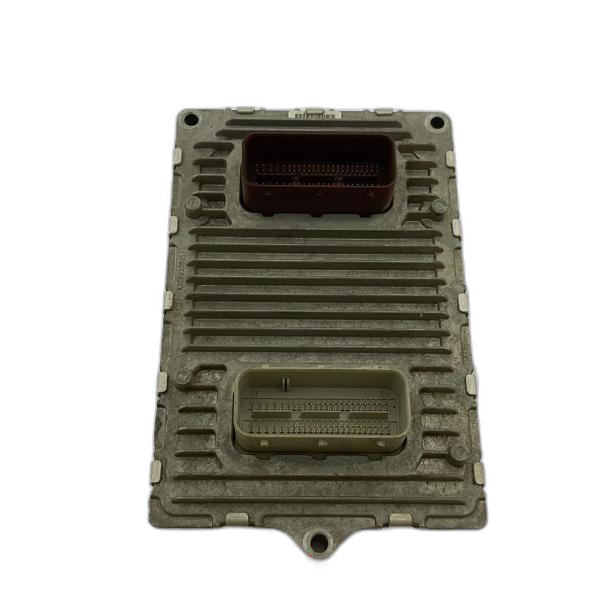
(OEM #04E907309BT (for 2019-2020 models, verify with VIN))— If all wiring, power, and grounds are confirmed to be good, the internal circuitry of the ECM itself may have failed. This can be caused by an internal short, sometimes due to improper battery service procedures.
Trusted brands: Bosch, Genuine Volkswagen
OEM price range: $1200-$2000
Aftermarket price range: $800-$1500 - Engine Wiring Harness — Physical damage from impact, heat, or rodents can cause open or short circuits in the CAN bus or power supply wires within the harness, leading to communication loss.
Trusted brands: Genuine Volkswagen
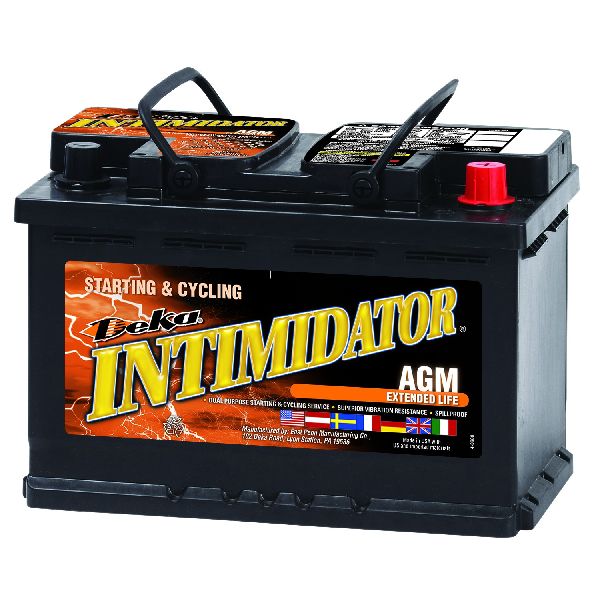
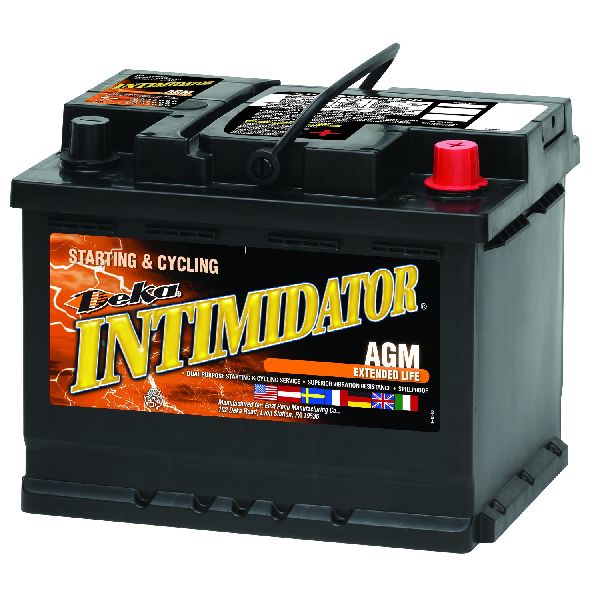
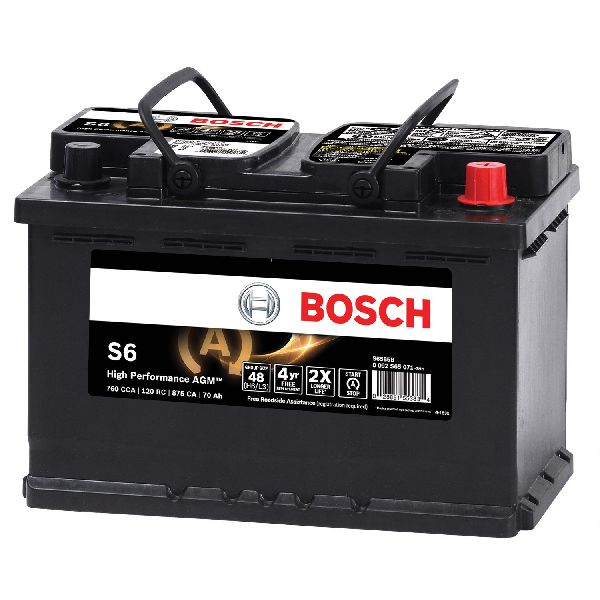
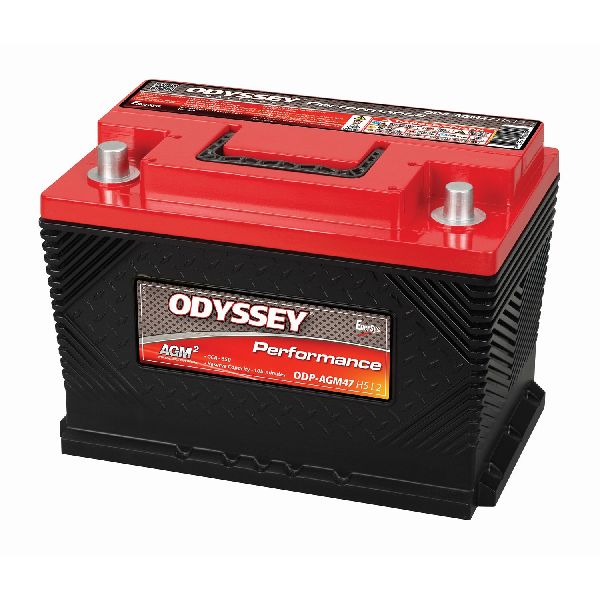
OEM price range: $800-$1500 - Battery — Low system voltage from a weak or failing battery is a common cause of communication faults between modules in modern vehicles.
Trusted brands: Varta, Bosch, Interstate
OEM price range: $250-$400
Aftermarket price range: $150-$300
Related Codes That Often Appear With This One
- U0101 — Lost Communication with TCM. The ECM and TCM (Transmission Control Module) work closely together. A network-wide issue or a problem with the ECM can easily disrupt communication with the TCM as well.
- U0073 — Control Module Communication Bus 'A' Off. This code indicates a general failure of the CAN bus itself, whereas U0100 is specific to the ECM not being heard. Seeing both could point to a more significant network wiring problem.
Technical Service Bulletins (TSBs) & Recalls
- TT 01 19 05_6: Engine Crank, No Start or No -J623- ECM Communication with DTC U0100 Stored in ECM Fault Memory
- TT 01 19 05_4: Diagnostic assistance for no start or no communication with ECM with DTC U0100 stored.
Platform-Specific Known Issues
- NHTSA Owner Complaint ODI #11498544: A 2020 Jetta owner reported that after hitting a pothole, the vehicle completely shut down and would not restart, storing code U0100. This suggests a potential vulnerability to physical shock in the ECM's wiring or connections.
- Manufacturer Tech Tip TT 01 19 05: Volkswagen warns that the ECM (J623) can be internally shorted if the positive battery terminal contacts the ECM case during service. The correct procedure is to always disconnect the ground cable first. This can lead to a U0100 code and a no-start condition.
Mechanic-Grade Diagnostic Values
- CAN Bus Resistance — expected: ~60 Ohms. Failure: 120 Ohms indicates an open circuit or missing terminating resistor; 0 Ohms indicates a short between CAN High and CAN Low wires.
- CAN Bus Voltage (Key On, Engine Off) — expected: Approximately 2.5 Volts on both CAN High and CAN Low lines.. Failure: Significant deviation from 2.5V on either line indicates a network bias issue or short.
- ECM Power Supply Relay (J271) Terminal 30 to Ground — expected: Battery Voltage. Failure: No voltage indicates an open or high resistance in the power feed from the battery.
- ECM Power Supply Relay (J271) Terminal 85 to Ground (Ignition ON) — expected: Battery Voltage. Failure: No voltage indicates a problem with the ignition switch signal or fuse.
- Ground Connection Resistance — expected: < 0.1 Ohms. Failure: Higher resistance indicates a poor ground connection, which is a common cause of communication failures.
Scan Tool Commands That Help
- VCDS (VAG-COM) or ODIS: Gateway Installation List Coding — When replacing the CAN Gateway module (J533), the new module must be coded with the vehicle's original installation list to know which other modules are present on the network. Failure to code the new gateway can cause communication errors.
- VCDS (VAG-COM) or ODIS: Read Measuring Value Blocks (MVB) — To observe real-time communication status between modules. A technician can monitor the status bits from the gateway to see which modules are online and which are not communicating, helping to isolate the source of the U0100 fault.
Wiring & Ground Locations
- J533 (CAN Gateway) — On the VW MQB platform (which the 2018+ Jetta uses), the J533 Gateway module is typically located high up in the driver's side footwell, behind the dashboard trim and often near the steering column.. The J533 is the central router for all CAN bus traffic. If it fails or loses power/ground, it can cut off communication to and from the ECM, triggering a U0100 code in other modules.
- J271 (ECM Power Supply Relay) — Typically located in the engine compartment fuse/relay box. It is often labeled as the 'Terminal 30' or 'Motronic Engine Control Module Power Supply Relay'.. This relay provides the main power to the ECM. If it fails, the ECM will lose power and be unable to communicate, directly causing a U0100 code.
- Engine Block / Transmission Ground Strap — A primary ground strap connects the engine block or transmission case to the vehicle's chassis. There are also smaller ground points on the fenders and chassis rails in the engine bay.. A loose, corroded, or broken main engine ground can cause intermittent and widespread electrical issues, including module communication failures. The ECM relies on a solid ground reference to function.
- Ground Point on Left Headlamp — A wiring diagram for a similar VW platform indicates a ground connection point (655) on the left headlamp assembly.. While not a primary engine ground, shared ground points for multiple components can introduce communication noise or failures if they become loose or corroded.
Real Owner Repair Stories
- Reddit user carlosvb11 (2017 VW Jetta 1.4T (Previous generation, but relevant failure mode)) — Check Engine Light with code U0100, car would not engage starter.
❌ Tried (didn't work) Initial diagnosis was unclear due to the generic nature of the U0100 code.
✅ What actually fixed it The final repair at a VW dealer involved replacing a faulty fuel sensor and the ignition switch lock cylinder. The lock cylinder was the part related to the no-start and communication issue, costing around $500. - Reddit user Rich-Cherry-5518 (2013 VW Passat TDI (Similar platform electronics)) — Car shut down on the freeway. Intermittent no-start with ESC error, pulsing tire pressure light, and no glow plug light. Scanned code U0100.
❌ Tried (didn't work) Battery was confirmed to be good.
✅ What actually fixed it Another user resolved a similar issue on a Golf by performing a continuity test on every pin of the control module connector, finding a broken wire between the module and a sensor. This highlights the need for wiring diagram-based diagnostics.
OEM Part Supersession History
04E907309BT→N/A, but listed as interchangeable with 590-10896.— This is an interchange part number used by parts recyclers.
Heads up: This ECM fits 2019-2020 Jetta models. It is critical to match the part number exactly. A replacement ECM, even with the correct part number, will require programming to the vehicle's VIN and immobilizer system by a dealer or qualified specialist.
Helpful Videos

![How To Test CAN BUS With A Multimeter [CAN Bus Resistance Check] Mechanic Mindset](https://img.youtube.com/vi/JPE42HSJxAk/mqdefault.jpg)
Used OEM Parts in Stock



New Aftermarket Parts Available


The information in this article is provided for general reference and educational purposes only. Vehicle specifications, procedures, and part compatibility can vary by production date, trim level, and region. Always consult your vehicle's factory service manual and verify part numbers before purchasing or performing repairs. Safety-critical components such as airbags, seat belts, and braking systems should be installed by a qualified professional.
- Volkswagen JETTA:
- 🎬 Helpful Videos
- 🛍️ Shop This Part
- What's Unique About the 2018-2023 Volkswagen JETTA
- Diagnostic Flowchart
- Symptoms You May Notice
- Most Likely Causes
- Rare But Worth Checking
- Diagnosis Steps
- Parts You'll Likely Need
- Related Codes That Often Appear With This One
- Technical Service Bulletins (TSBs) & Recalls
- Platform-Specific Known Issues
- Mechanic-Grade Diagnostic Values
- Scan Tool Commands That Help
- Wiring & Ground Locations
- Real Owner Repair Stories
- OEM Part Supersession History
- 🎟️ Get 5% Off