

U0100 on 2002-2016 Mercedes-Benz E-Class CDI: Lost Communication with ECM/PCM Causes and Fixes
On a 2002-2016 E-Class, U0100 means the Engine Control Module (ECM) is offline. This often causes a no-start or stalling. The most common causes are a failing battery, water damage to electronics like the Front SAM or Central Gateway, or a faulty ECM. Diagnosis is complex, requires a Mercedes-specific scanner like Xentry, and should start with checking battery voltage and looking for water intrusion.
- U0100 on this vehicle is a critical fault that will likely cause a no-start or stalling. Do not drive the vehicle.
- Before suspecting expensive components, ALWAYS check the battery, its connections, and look for signs of water damage in the cabin and engine bay.
- Diagnosing this code properly requires a Mercedes-specific scan tool (like Xentry) to identify which modules are offline.
- The most common causes are a weak battery, water damage to electronics (SAM/CGW), or a failed Engine Control Module (ECM).
- Due to the complexity of the CAN bus system and the need for vehicle-specific programming, this is a job best left to a qualified professional.
What's Unique About the 2002-2016 Mercedes-Benz E-Class

On the W211 and W212 E-Class, the U0100 code is frequently more than just a simple sensor fault. These platforms are highly susceptible to water ingress from clogged cowl and sunroof drains, which allows water to pool and corrode critical network components. Common victims are the Front Signal Acquisition Module (SAM) in the engine bay fuse box and the Central Gateway Module (CGW), which is located under the driver's side dashboard in the W211. Furthermore, the Bosch CDI ECU is a complex component that can fail internally after years of heat cycles and voltage fluctuations. Diagnosing this code almost always requires a Mercedes-specific scan tool like Xentry/STAR to see which modules are offline, as a generic scanner cannot navigate the complex network topology or access all manufacturer-specific fault codes.
Generation note: This guide covers the W211 (2002-2009) and W212 (2009-2016) generations of the E-Class. While the underlying U0100 code definition is the same, specific locations of control modules and wiring can differ. For example, the Central Gateway Module (CGW) is under the driver's dash in the W211. Both generations are known to be susceptible to water ingress issues that can cause this code.
Symptoms You May Notice
- Engine will not start or cranks but does not fire.
- Engine stalls intermittently while driving, sometimes without warning.
- Vehicle enters 'limp mode' with severely reduced power.
- Check Engine Light is on (may be intermittent or accompanied by all other warning lights).
- Multiple other warning lights are illuminated (ABS, ESP, Airbag, SRS, etc.).
- Transmission may not shift correctly or may be stuck in one gear.
- Instrument cluster gauges behave erratically or go dark.
- Reduced fuel economy.
- Power steering may fail or feel heavy.
- Cooling fans may run at maximum speed constantly with the key on.
- Replacing the ECM without first checking for power, ground, and CAN bus integrity. The ECM is often blamed when the root cause is a simple wiring, fuse, or power supply issue.
- Replacing other components like fuel pumps or sensors when the core issue is a communication breakdown preventing those components from being activated. 🎬 See this guide on common causes for the U0100 code
- Ignoring water damage. Simply replacing a corroded module without fixing the underlying leak will result in the new part failing again.
Most Likely Causes

- Low Battery Voltage or Failing Battery 🔴 High Probability Complex electronic systems on Mercedes-Benz vehicles are very sensitive to voltage. A weak battery can cause modules to drop off the network during the voltage sag of engine cranking.
How to confirm: Test the battery voltage with a multimeter. A healthy, fully charged battery should read at least 12.6 volts with the engine off. Check the charging system voltage with the engine running (should be ~13.7-14.7V). Voltage dropping below 10V during cranking is a strong indicator of a weak battery.
Typical fix: Recharge or replace the battery. Ensure battery terminals are clean and tight. It is critical to address the battery first before attempting more complex diagnostics.
Est. part cost: $150-$350 - Water Intrusion and Corrosion 🔴 High Probability Clogged sunroof drains, cowl drains, or failed body seals can allow water to collect in areas housing electronics. The Front SAM (in the engine bay fuse box) and the Central Gateway Module (under the driver's dash) are common victims.
How to confirm: Inspect for dampness, water stains, or a musty smell in the carpets, particularly on the passenger side and driver's footwell. Pull up the carpet if necessary. Check the engine bay fuse box/SAM module area for signs of moisture or green/white corrosion on connectors. Visually inspect connectors on the Central Gateway, SAMs, and ECM.
Typical fix: Dry out the affected area completely. Clean corroded connectors and pins with an electronics cleaner and a small brush. Most importantly, repair the source of the water leak (e.g., clear drains with compressed air, reseal body seams). If a module's circuit board is corroded, it will likely need replacement or professional repair.
Est. part cost: $0 (cleaning) - $1500+ (module replacement) - Failed Engine Control Module (ECM) 🟡 Medium Probability The Bosch CDI ECU can fail due to internal component degradation from heat cycles, software corruption, or damage from voltage spikes.
How to confirm: This is a diagnosis of exclusion. After confirming the ECM has proper power (check fuses 53/54), ground, and the CAN bus wiring is intact, the ECM itself is the likely culprit. A specialist may be able to test the ECU on a bench. A key sign is a lack of 5V reference voltage at engine sensors with the key on.
Typical fix: The ECM must be replaced or sent out for repair/cloning. A replacement unit (new or used) must be programmed (SCN coded) to the vehicle's VIN and configuration.
Est. part cost: $800-$2000+ - CAN Bus Wiring or Connector Fault 🟡 Medium Probability
How to confirm: Perform a visual inspection of the main wiring harnesses for chafing, rodent damage, or impact damage. With a multimeter and the battery disconnected, check for CAN bus resistance between Pin 6 (CAN-High) and Pin 14 (CAN-Low) at the OBD-II port. It should be approximately 60 ohms. If it's 120 ohms, a terminating resistor (or a module containing one) is offline. If it's near 0 ohms, the CAN High and Low wires are shorted together.
Typical fix: Repair the damaged section of wiring. Clean or replace faulty connectors. Tracing a CAN fault can be time-consuming and may require disconnecting modules one by one from the network to isolate the source of the incorrect resistance reading.
Est. part cost: $10-$500
Rare But Worth Checking
- Faulty Central Gateway Module (CGW/ZGW): The CGW (Zentrales Gateway) acts as the router between different CAN bus networks. If it fails, communication between major systems can be severed, leading to a U0100 code even if the ECM is functional. Often caused by water damage or internal failure. On the W211, it is located under the driver's side dash.
- Fault in another CAN module (ABS, TCM, SAM): A single faulty module can sometimes broadcast corrupt data ('babbling idiot') or short the CAN bus, bringing down the entire network and preventing the ECM from communicating.
- Faulty Electronic Ignition Switch (EIS): The EIS is a critical node on the network that authorizes startup. A failing EIS can prevent the ECM and other modules from activating, sometimes leading to communication fault codes.
Diagnosis Steps

- Check Battery Health: Ensure the battery is fully charged (12.6V+) and the terminals are clean. A weak battery is a very common cause. Load test the battery to confirm it can handle the draw from cranking.
- Scan with a Mercedes-Specific Tool (Xentry/STAR): A generic OBD-II reader is not enough. Use a tool that can communicate with all modules (ECM, TCM, CGW, SAMs, etc.). Note which modules are not responding and retrieve all stored fault codes.
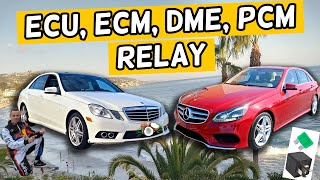
- Check Fuses: Inspect all fuses related to the ECM (often #53 or #54), SAMs, 🎬 Watch: How to find the ECU and relay locations and Central Gateway. A blown fuse for 'engine electronics' is a major clue.
- Visual Inspection for Water Ingress: Thoroughly check for dampness in the passenger footwell, under the driver's dash, and in the engine bay plenum/fuse box area. Lift carpets and inspect the Front SAM and CGW connectors for any signs of green or white corrosion.
- Check ECM Power and Ground: Using a wiring diagram for your specific model, verify that the ECM is receiving constant and switched battery voltage and has a solid ground connection at its main connector.
- Check CAN Bus Integrity: Disconnect the battery. At the OBD-II port, measure the resistance between Pin 6 (CAN-H) and Pin 14 (CAN-L). A healthy network will show ~60 Ohms. If you see 120 Ohms, there is an open circuit or a missing terminating resistor (often inside the ECM or another module). If you see ~0 Ohms, the wires are shorted together.
- Isolate the Fault: If the CAN resistance is incorrect, you may need to disconnect modules one by one from the network until the resistance returns to normal. The last module disconnected is likely the faulty one. This is an advanced step that requires wiring diagrams.
- Test/Replace ECM: If all wiring, power, grounds, and the CAN network are confirmed to be good, the ECM is the final suspect. Replacement requires VIN-specific programming.
Parts You'll Likely Need
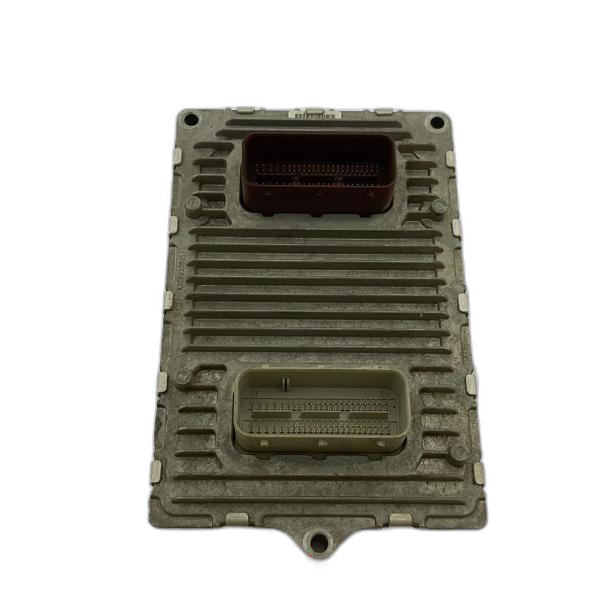
- Engine Control Module (ECM/ECU)
(OEM #A6421500578 (Example for OM642, many variations exist))— Internal failure of the CDI engine computer is a common cause for this code after power and wiring issues have been ruled out. Requires programming.
Trusted brands: Bosch
OEM price range: $1200-$2500
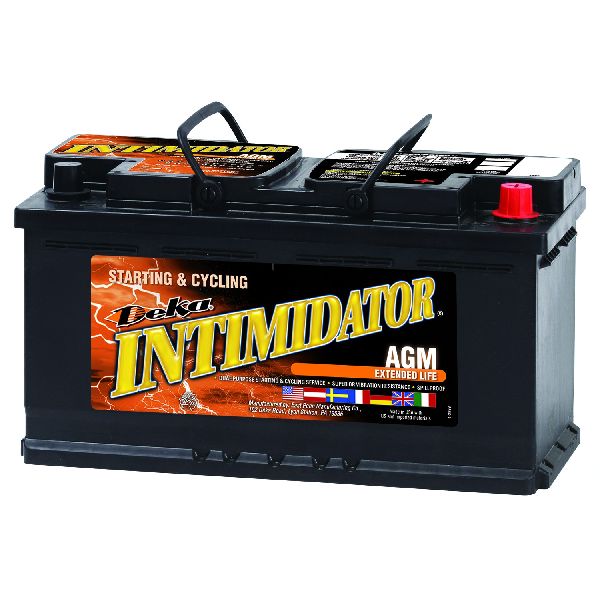
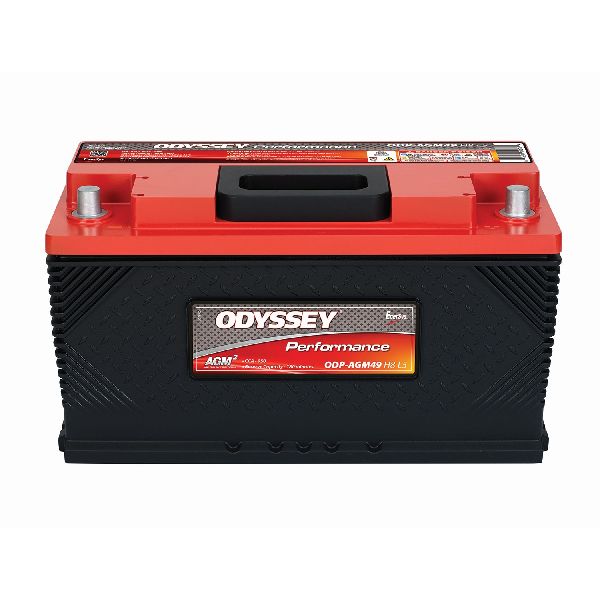
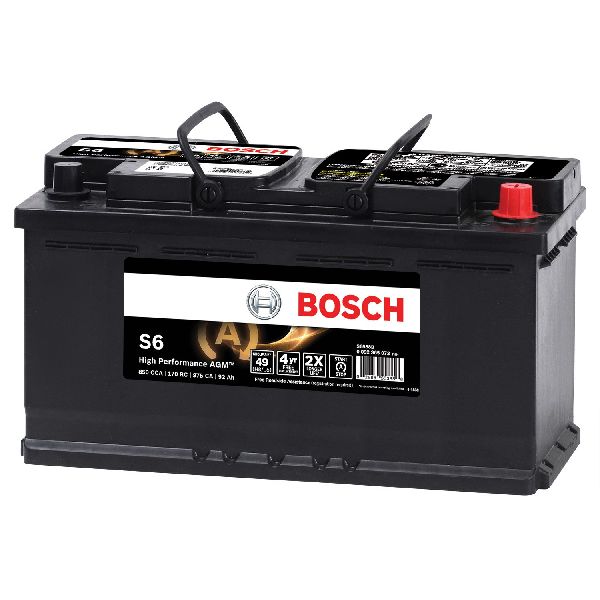
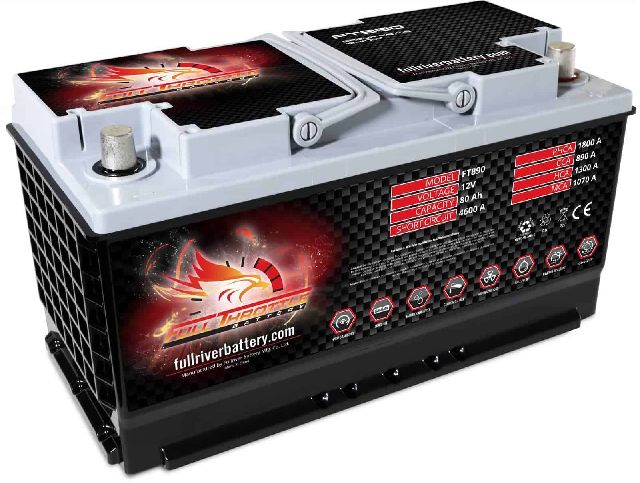
Aftermarket price range: $800-$1500 (Remanufactured) - Battery — The complex electronics on the E-Class are highly sensitive to low voltage, which can cause communication dropouts during startup.
Trusted brands: Varta, Bosch, Interstate
OEM price range: $250-$400
Aftermarket price range: $150-$300 - Front Signal Acquisition Module (SAM)
(OEM #Varies significantly by year and options)— Highly susceptible to water damage from clogged cowl drains, leading to widespread electrical faults and CAN communication errors.
Trusted brands: Mercedes-Benz (OEM)
OEM price range: $500-$900
Aftermarket price range: $150-$400 (Used, requires cloning) - Central Gateway Module (CGW/ZGW)
(OEM #Varies by model year)— Can fail due to water damage or internal faults, severing communication between CAN networks.
Trusted brands: Mercedes-Benz (OEM)
OEM price range: $400-$700
Aftermarket price range: $100-$300 (Used, may require programming)
Related Codes That Often Appear With This One
- U0101 — Lost Communication with TCM. If the network is down, communication with the transmission module is also likely lost.
- U0121 — Lost Communication with ABS Control Module. This often appears alongside U0100 when there is a widespread CAN bus failure.
- Multiple other U-codes — A general CAN bus failure will cause many modules to report communication losses with each other, not just the ECM.
- Fault code 9002 in CGW — This is a Mercedes-specific code indicating the Central Gateway (CGW) control unit itself is defective.
Technical Service Bulletins (TSBs) & Recalls
- Mercedes-Benz SBC Warranty Extension: While not a traditional TSB for a fix, Mercedes extended the warranty on the Sensotronic Brake Control (SBC) hydraulic unit to 25 years with unlimited mileage for W211 E-Class (2003-2006) and other models. A failing SBC unit can cause network communication errors.
Platform-Specific Known Issues
- Water damage to the Front Signal Acquisition Module (SAM) located in the engine bay fuse box.
- Corrosion of the Central Gateway Module (CGW) located in the passenger footwell due to clogged drains or bad seals.
- Failure of the CDI Engine Control Unit (ECU), which may require specialized repair services or a costly replacement with programming.
Mechanic-Grade Diagnostic Values
- CAN-C Bus Voltage (Key On, Engine Off) — expected: CAN High (Green): ~2.65V, CAN Low (Green/White): ~2.35V. The two should add up to ~5V.. Failure: Voltages that are equal (e.g., 2.5V/2.5V or 1.6V/1.6V) indicate a short or a module pulling the bus down. No voltage indicates an open circuit or a gateway/EIS failure.
- ECM Ground Pin Resistance — expected: Below 1.0 Ω.. Failure: Resistance higher than 1.0 Ω indicates a corroded or loose ground connection, which can cause modules to drop offline.
- Voltage Drop on Engine Ground Strap (During Cranking) — expected: Less than 0.5V.. Failure: A voltage reading greater than 0.5V between the engine block and the battery negative terminal during cranking indicates a high-resistance ground strap that needs cleaning or replacement.
Scan Tool Commands That Help
- Xentry/DAS: Initial Startup — This function is required after replacing or resetting a Central Gateway (CGW/ZGW) module. It re-establishes communication with all other control units on the network. Attempting to use the car without this can result in a dashboard full of errors and a no-start condition.
- Xentry/DAS: Control unit programming (Offline/SDFlash) — Used to update the firmware of a control module, such as the ZGW, without needing an online connection to Mercedes servers. This can sometimes resolve software glitches that cause communication issues. This is an advanced function.
- Xentry/DAS: Quick Test — This is the first step in any diagnosis. It performs a full system scan, showing which modules are communicating ('F' for fault, 'i' for information) and which are not responding at all. For a U0100, you would expect the ECM/CDI module to be missing from this list.
Wiring & Ground Locations

- W2 (Engine Ground) — Main engine ground strap, typically located on the passenger side of the engine block connecting to the chassis on V6 CDI engines.. A corroded or loose engine ground is a common cause of intermittent electronic issues, including modules dropping off the CAN bus, leading to U0100.
- W10 (Main Body Ground) — Located in the driver's side footwell, near the hood release lever on a W211.. This is a primary grounding point for many interior modules. Corrosion here can cause widespread communication failures.
- X30/4 and X30/6 (CAN B Connectors) — On a W211, these CAN bus distribution blocks are located in the driver's side rocker panel wiring trough.. These are the central hubs where many modules connect to the interior CAN bus. They are highly susceptible to water damage from footwell leaks, causing corrosion that can take down the entire network.
- X30/30 (CAN C Connector) — On a W212, this CAN C (chassis) distribution block is located in the vehicle floor.. This is a key junction for the high-speed powertrain CAN. A fault here will directly sever communication with the engine and transmission control modules.
Real Owner Repair Stories
- MBWorld.org Forums (2006 E320 CDI (W211)) — Car would not start, multiple warning lights on the dash, cooling fan running at full speed. Scan tool showed U0100 and no communication with the ECM.
❌ Tried (didn't work) Replacing the battery, Checking all fuses in the front and rear SAMs, Visually inspecting the ECM connectors for corrosion
✅ What actually fixed it The CAN bus distribution block (a small black connector block) located in the passenger side footwell under the carpet was severely corroded from a water leak. The connector block was bypassed by soldering the CAN wires (brown and brown/red) together directly, which restored communication and allowed the car to start.
OEM Part Supersession History
A 211 540 XX 45 (e.g., A2115402545)→A 211 540 XX 45 (e.g., A2115408545)— Hardware and software revision to support additional features and fix bugs.
Heads up: Upgrading a pre-facelift W211 (pre-2006) with a facelift Central Gateway (ZGW) module is a common retrofit but is not plug-and-play. The new module may not communicate with the diagnostic tool (DAS/Xentry) until it is properly coded, sometimes requiring workarounds like selecting a different vehicle model in the software to establish initial communication. In some cases, a 120 Ohm resistor may need to be temporarily added to the CAN bus to force communication during programming.
Model Year Variations Within This Range
- 2009-2016 (W212): The W212 generation has a more complex network with more CAN distributors (e.g., X30/21 for Drive Train CAN, X30/30 for Chassis CAN). The Central Gateway (ZGW) is integrated differently and its location may vary from the W211. Diagnosing requires W212-specific wiring diagrams to trace faults at the correct distribution blocks.
- Approx. 2006+ (Late W211 and W212): The introduction and reliance on an auxiliary battery or voltage converter to stabilize the electrical system for features like Start/Stop. A failure in this secondary system can be a root cause for network communication codes like U0100, which is not a factor on earlier W211 models.
Diagnostic Flowchart
Other Known Issues on This Vehicle
Issues unrelated to this code that are worth knowing about as an owner of this generation:
- OM642 V6 CDI Oil Cooler Seal Leak 🔴 High — Very common, typically occurs after 80,000 miles. The original orange seals degrade, and even the updated purple Viton seals can fail over time.
- W211 Sensotronic Brake Control (SBC) Failure 🔴 High — Extremely common on 2003-2006 W211 models. The unit has a pre-programmed service life based on brake actuations, after which it deactivates. (Ref: Mercedes-Benz issued a 25-year, unlimited mileage warranty extension on the SBC hydraulic unit.)
- Airmatic Suspension Failure 🟠 Medium — Common on vehicles equipped with Airmatic, usually after 80,000-120,000 miles.
- CDI Injector Seal Leak ('Black Death') 🟠 Medium — A known issue on CDI engines, particularly the OM651, but can affect others. Caused by the failure of the copper washer that seals the injector to the cylinder head.
- Electronic Ignition Switch (EIS) Failure 🔴 High — Can occur on higher-mileage vehicles, typically after 100,000 miles.
Used vs. New Parts: Buying Guide for This Vehicle
When a used part is the smart pick: A used ECM, SAM, or CGW can be a cost-effective option IF you have a plan for programming. These modules are not 'plug and play'. A used part is a good choice when you have access to a specialist who can clone the data from your original module to the used donor module. This is often cheaper than buying a new module and paying a dealer for SCN coding.
Donor-vehicle mileage cap: roughly under 150000 miles for the part to have meaningful remaining life.
What to inspect on the donor part:
- Check for any signs of water damage or corrosion on the casing and especially in the connector pins. Green or white residue is an immediate red flag.
- Ensure the part number matches EXACTLY, or is a known compatible supersession for your specific model year.
- Ask the seller if the part came from a running, driving vehicle with no communication-related fault codes.
- Avoid modules from flood-damaged or collision-damaged vehicles, as they may have hidden internal damage.
OEM-only on this vehicle (don't cheap out):
- Engine Control Module (ECM/CDI)
- Central Gateway (CGW/ZGW)
- Electronic Ignition Switch (EIS)
Aftermarket brands forum-validated for this vehicle:
- For module repair/cloning services: Look for reputable electronics repair shops with specific experience on Mercedes-Benz modules and positive forum reviews.
Brands owners have reported issues with on this vehicle:
- There are no reliable 'aftermarket' versions of these core control modules. The only options are new OEM, used OEM, or repairing/cloning your existing OEM module.
Real Owner Stories
Aggregated from forums and TSBs cited above. Mileages and costs reflect what owners reported in those sources.
2003-2006 Mercedes-Benz E-Class (W211)
Symptoms: Vehicle went into limp mode with a brake failure warning illuminated on the dashboard.
What fixed it: Replacement of the SBC pump under the 25-year extended warranty.
Source hint: MBWorld.org Forums: 'SBC pump 25 year warranty'
Mercedes-Benz E-Class (W211)
Symptoms: Multiple, simultaneous electronic failures across various vehicle systems.
What fixed it: Accessing and replacing the Central Gateway Module (CGW).
Source hint: MBWorld.org Forums: 'Replacing Central Gateway'
Mercedes-Benz C-Class (W203) / E-Class equivalent
Symptoms: No-start condition and a blown fuse for the engine electronics.
What fixed it: Checking for water residue in the front SAM and ECU area, clearing drains, and replacing the blown fuse.
Source hint: MBWorld.org Forums: 'Water in ecu/Sam'
Related OBD-II Codes
Frequently Asked Questions
Is there a warranty extension for the brake system on my W211 E-Class that might be related to communication errors?
Why are my cooling fans running at maximum speed when I turn the key on?
Can a weak battery really cause a U0100 code on a Mercedes CDI?
Where is the Central Gateway Module located on the E-Class, and why does it fail?
What should the CAN bus resistance be at the OBD-II port for a healthy W211/W212?
My engine electronics fuse keeps blowing; could this be related to water?
Helpful Videos

Used OEM Parts in Stock



New Aftermarket Parts Available


The information in this article is provided for general reference and educational purposes only. Vehicle specifications, procedures, and part compatibility can vary by production date, trim level, and region. Always consult your vehicle's factory service manual and verify part numbers before purchasing or performing repairs. Safety-critical components such as airbags, seat belts, and braking systems should be installed by a qualified professional.
- Mercedes-Benz E-Class:
- 🎬 Helpful Videos
- 🛍️ Shop This Part
- What's Unique About the 2002-2016 Mercedes-Benz E-Class
- Symptoms You May Notice
- Most Likely Causes
- Rare But Worth Checking
- Diagnosis Steps
- Parts You'll Likely Need
- Related Codes That Often Appear With This One
- Technical Service Bulletins (TSBs) & Recalls
- Platform-Specific Known Issues
- Mechanic-Grade Diagnostic Values
- Scan Tool Commands That Help
- Wiring & Ground Locations
- Real Owner Repair Stories
- OEM Part Supersession History
- Model Year Variations Within This Range
- Diagnostic Flowchart
- Other Known Issues on This Vehicle
- Used vs. New Parts: Buying Guide for This Vehicle
- Real Owner Stories
- 2003-2006 Mercedes-Benz E-Class (W211)
- Mercedes-Benz E-Class (W211)
- Mercedes-Benz C-Class (W203) / E-Class equivalent
- Related OBD-II Codes
- Frequently Asked Questions
- 🎟️ Get 5% Off