

U0073 on 2017-2022 Honda CR-V: Control Module Communication Bus 'A' Off Explained
This code indicates a serious communication failure between your vehicle's essential computer modules. Diagnosis is complex and often points to a weak battery, wiring problems, or a faulty control module like the ABS or BCM. Professional diagnosis is strongly recommended as it requires specialized tools to pinpoint the network failure.
- U0073 on a 2017-2022 Honda CR-V is a serious network communication failure that makes the vehicle unsafe to drive.
- The most common causes are a weak battery, damaged wiring, or a failed control module (like the ABS or BCM).
- Do not start replacing parts without a proper diagnosis. This code requires professional tools and expertise to solve.
- Start diagnosis by checking the simplest thing first: the battery's health and connections.
- If you have recently installed any aftermarket electronics, they are a primary suspect and should be disconnected to see if the fault clears.
What's Unique About the 2017-2022 Honda CR-V
For the 2017-2022 Honda CR-V (5th generation), the U0073 code often appears alongside a cascade of other warning lights due to the highly integrated nature of its electronics. On this platform, the CAN bus is referred to as the F-CAN (Front CAN). The ABS/VSA modulator and the Body Control Module (BCM) are frequently implicated as points of failure that can bring down the entire network. While no single widespread defect is documented, the system's sensitivity means that low battery voltage, corroded wiring, or an internal fault in one module can trigger this network-wide code.
Symptoms You May Notice
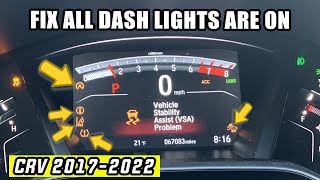
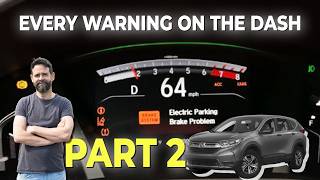
- Multiple warning lights on the dashboard (Check Engine, ABS, VSA, Power Steering, Brake System)
- Instrument cluster gauges drop to zero or display dashes
- Vehicle may not start or may stall while driving
- Loss of power steering assist
- Transmission may be locked in one gear (limp mode)
- Malfunctioning lights, windows, or door locks
- Blinking or non-functional infotainment screen
- Sluggish performance or reduced engine power 🎬 Watch: What to do when all dash warning lights appear.
- Replacing a single module without confirming it is the root cause. Often, a good module is replaced when the actual problem is in the wiring, a bad ground, or another module is causing the disruption.
- Ignoring a weak battery. Many shops jump to complex diagnostics without first load-testing the battery, which is a very common and simple cause for this code.
Most Likely Causes
- Weak or Failing Battery 🔴 High Probability The CR-V's numerous control modules require stable voltage to initialize and communicate. A weak battery, especially during engine start-up, can cause voltage to drop sufficiently to knock modules offline, triggering a U0073 code.
How to confirm: Test the battery voltage at rest (should be >12.4V) and while the engine is running (should be 13.8-14.5V). A professional load test is the most accurate method. A simple scan tool may also show low system voltage in live data.
Typical fix: Recharge or replace the battery. Ensure terminals are clean and tight. After replacement, codes should be cleared.
Est. part cost: $150-$300 - Damaged or Corroded Wiring/Connectors 🟡 Medium Probability CAN bus wiring harnesses can be susceptible to damage from vibration, moisture, or rodent activity. Key areas to check are harnesses near the battery tray, firewall pass-throughs, under the dashboard, and in the driver's kick panel area where water intrusion can occur.
How to confirm: Visually inspect the main F-CAN bus wiring harnesses (often a twisted pair of wires) for any signs of chafing, corrosion, or damage. Check for water intrusion in kick panels or near the BCM. A multimeter can be used to check for shorts or open circuits in the harness.
Typical fix: Repair the specific section of damaged wiring. This requires identifying the exact location of the break or short and properly splicing the wires.
Est. part cost: $20-$150 for wiring repair supplies - Faulty ABS/VSA Modulator 🟡 Medium Probability The ABS/VSA modulator is a primary node on the F-CAN network. An internal failure, such as a bad capacitor or other circuit board issue, can cause it to stop communicating or broadcast disruptive signals, bringing the entire network down.
How to confirm: This requires a professional scan tool to see which modules are not communicating. If the ABS module is offline and other codes like U0121 are present, it's a strong suspect. A technician may disconnect the module to see if communication is restored among the other modules.
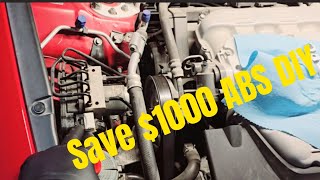
Typical fix: Replace the failed ABS modulator. This often requires programming and a brake bleeding procedure using a specialized scan tool. 🎬 Watch this DIY guide for replacing a Honda ABS module.
Est. part cost: $800-$1500+ depending on the specific part number - Faulty Body Control Module (BCM) ⚪ Low Probability The BCM acts as a gateway for many network communications. It can fail due to internal electronic faults or, more commonly, from water damage if there are leaks from the windshield or sunroof drains.
How to confirm: A scan tool will show the BCM is not communicating. Visual inspection of the BCM and its connectors (often located behind the dash or in the kick panel) may reveal signs of corrosion or water staining.
Typical fix: Replace the failed BCM. The new module must be programmed to the vehicle by a dealer or a qualified shop with Honda-specific software.
Est. part cost: $400-$700
Rare But Worth Checking
- Faulty Aftermarket Electronics: Improperly installed remote starters, alarms, stereos, or even some plug-in OBD-II devices can interfere with or damage the CAN bus. If the issue started after an installation, this is a prime suspect.
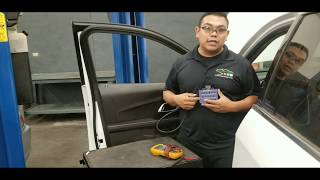
- Failed Terminating Resistor: The CAN bus has a 120-ohm resistor at each end (often within the PCM and another module like the gauge cluster or ABS unit). If one fails, the entire network goes down. Diagnosis involves measuring resistance across the CAN high and low wires at the OBD-II port (Pins 6 and 14) with the battery disconnected. The reading should be approximately 60 ohms. A reading of 120 ohms indicates an open circuit or a single functioning resistor. 🎬 See how to test a CAN bus network with a multimeter.
Diagnosis Steps
- Check and verify battery health and charging system operation. Ensure voltage is stable and within specification (>12.4V off, 13.8-14.5V running). This is the most common and easiest first step.
- Perform a full system scan with a professional-grade OBD-II scanner (like the Honda HDS) to identify all stored DTCs in all modules. Note which modules are not responding ('offline').
- Visually inspect all accessible CAN bus wiring harnesses and connectors for obvious damage, corrosion, or loose connections. Pay close attention to areas near the battery, fuse boxes, firewall pass-throughs, and under the driver-side dash.
- If available, check for any Technical Service Bulletins (TSBs) related to communication issues for your specific vehicle. While no direct TSB for U0073 is widely reported, related communication TSBs can provide diagnostic clues.
- Perform a CAN bus resistance test at the OBD-II connector (Pins 6 and 14). With the battery disconnected, the resistance should be approximately 60 ohms. A reading of 120 ohms indicates an open circuit or a failed terminating resistor.
- If a specific module is suspected (e.g., the ABS module is offline), try disconnecting it to see if the rest of the network comes back online. This helps isolate a faulty component that may be pulling the network down.
- For advanced diagnosis, use an oscilloscope to check the signal on the CAN High and CAN Low lines to verify proper communication waveforms. The voltage on CAN-H should be 2.5-3.5V and CAN-L should be 1.5-2.5V.
Parts You'll Likely Need
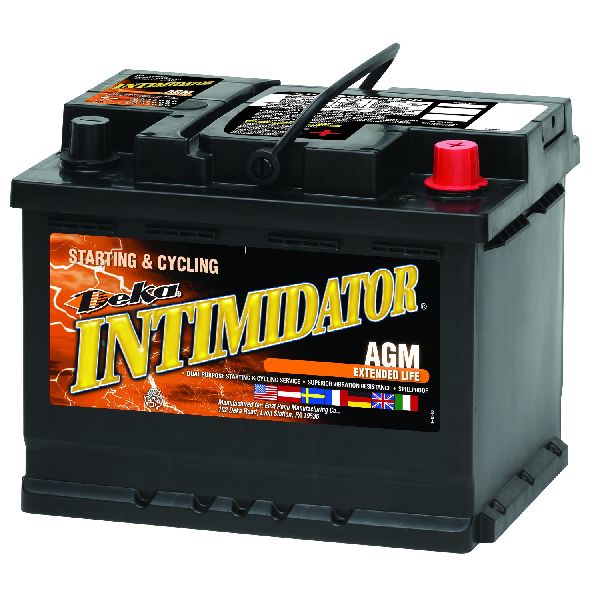
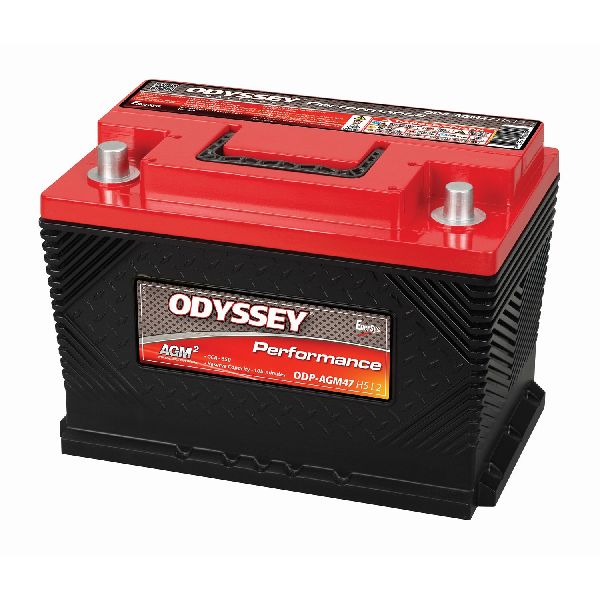
- Battery — A weak or failing battery is a frequent cause of network communication errors in modern vehicles.
Trusted brands: Interstate, DieHard, Duralast
OEM price range: $200-$350
Aftermarket price range: $150-$300 - ABS Modulator
(OEM #57100-TLA-A95 (AWD w/ Auto Brake), 57100-TLB-A95 (FWD w/ Auto Brake))— The ABS module is a critical node on the CAN bus. Its internal failure can bring down the entire network. Part numbers vary by FWD/AWD and features.
Trusted brands: Honda (OEM), Bosch
OEM price range: $800-$1500
Aftermarket price range: $500-$1000 - Body Control Module (BCM)
(OEM #38809-TNR-A23, 38809-TLC-A21, 38800-TLA-C015)— The BCM manages many vehicle functions and acts as a gateway for communication. A BCM failure can cause a U0073 code. Part numbers vary by trim and year.
Trusted brands: Honda (OEM)
OEM price range: $400-$700
Aftermarket price range: N/A
Related Codes That Often Appear With This One
- U0100 — Lost Communication With ECM/PCM
- U0121 — Lost Communication With Anti-Lock Brake System (ABS) Control Module
- U0140 — Lost Communication With Body Control Module
- U0155 — Lost Communication With Instrument Panel Cluster (IPC) Control Module
Technical Service Bulletins (TSBs) & Recalls
- While no specific TSB for U0073 on the 2017-2022 CR-V is widely published, Honda has issued TSBs for other models with similar CAN communication issues. For example, troubleshooting documents for the Honda Jazz/Fit with U0073 provide a detailed diagnostic tree that involves checking the VSA modulator-control unit and ECM connections, which is a similar process for the CR-V.
- 24-021: While not for U0073, this safety recall for 2020-21 CR-V models addresses a faulty seat weight sensor that can cause a short circuit and SRS warnings (DTC U3000-49), highlighting the sensitivity of vehicle electronics.
Platform-Specific Known Issues
- Intermittent Failure after Battery Replacement: Some owners have reported that the U0073 code and associated symptoms appeared shortly after replacing the vehicle's 12V battery. This can happen if the new battery is not fully charged or if the terminals are not perfectly clean and tight.
Mechanic-Grade Diagnostic Values
- CAN Bus Resistance (at OBD-II Port) — expected: ~60 Ohms. Failure: A reading of ~120 Ohms indicates an open circuit or a single failed terminating resistor. A reading near 0 Ohms indicates a short between the CAN High and CAN Low wires.
- CAN Bus Oscilloscope Voltage (Active) — expected: CAN-High (CAN-H) should toggle between 2.5V and 3.5V. CAN-Low (CAN-L) should toggle between 2.5V and 1.5V. The two signals should be clean mirror images of each other.. Failure: A flat line indicates no communication. A signal that doesn't reach the correct voltage peaks or has significant noise/interference points to a wiring issue, module fault, or external interference.
- CAN Bus Idle Voltage — expected: Both CAN-H and CAN-L lines should rest at approximately 2.5V when the bus is idle (no messages being transmitted).. Failure: Voltages that do not return to the 2.5V idle state can indicate a module that is 'chattering' or a short to power/ground.
Scan Tool Commands That Help
- Honda HDS (Honda Diagnostic System): DTCs MENU - U0073 F-CAN Malfunction — This is the official starting point in the dealer tool. It guides the technician through a logic tree, often recommending to check for other 'U' codes first to narrow down which module is the likely source of the network failure.
- Honda HDS (Honda Diagnostic System): SCS Menu - Short Test — The Short Test, or Service Communication System check, polls all expected control modules on the network. The results will show which modules are 'OK' and which are 'FAIL' or 'NOT-COMMUNICATING'. This is a critical step to quickly identify which module(s) have dropped off the network, pointing diagnosis in the right direction.
Wiring & Ground Locations
- OBD-II Port — Under the driver's side dashboard, to the left of the steering column.. This is the primary access point for network diagnostics. Pins 6 (CAN-H) and 14 (CAN-L) are used for resistance and voltage tests of the entire F-CAN bus.
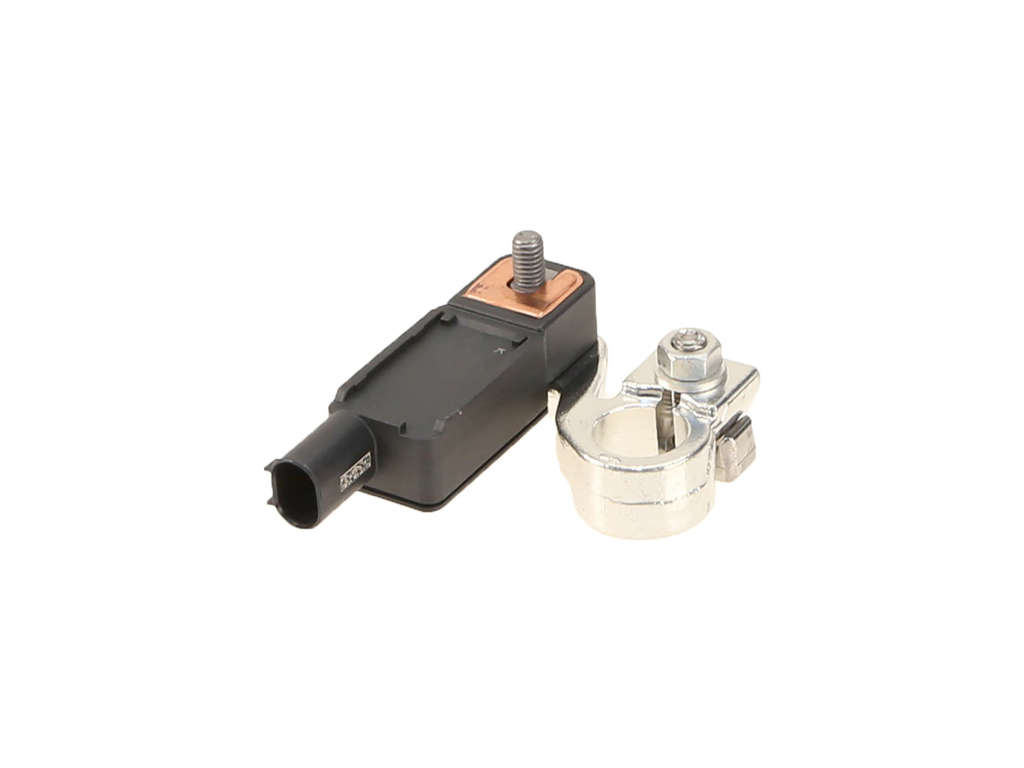
- Main Battery Ground — The main ground cable from the battery's negative terminal splits. One part connects directly to the chassis/fender, and the main, thicker part connects to the engine/transmission assembly.. A corroded or loose connection at any of these points can cause unstable voltage and current for all modules, a primary cause of U0073. The chassis ground point is particularly susceptible to corrosion.
- G202 — This is a chassis ground point often located on or near the driver's side motor mount in the engine bay.. Various components and modules use this as a reference ground. While a specific CR-V diagram was not found linking it directly to the CAN system, a poor engine bay ground like this can introduce electrical noise and voltage potential differences that disrupt network communication.
Real Owner Repair Stories
- CRV Owners Club Forum (2018 Honda CR-V Touring) — All warning lights on the dash came on simultaneously (Christmas tree effect), including emissions, brake system, power steering, lane keeping assist, etc. The code U0073 was present.
❌ Tried (didn't work) The owner first suspected the battery but did not report replacing it.
✅ What actually fixed it The dealership diagnosed the issue as a faulty front radar sensor (part of the Honda Sensing suite). The sensor had failed and was taking down the entire CAN bus network. Replacing the front radar sensor and performing a calibration resolved all the warning lights and cleared the U0073 code.
OEM Part Supersession History
57100-TLA-A91, 57100-TLA-A92, 57100-TLA-A93, 57100-TLA-A94→57100-TLA-A95— Standard iterative revisions by the manufacturer for performance, reliability, or manufacturing process improvements.
Heads up: These part numbers are for AWD models with the auto brake feature. While the latest part (A95) replaces the older ones, it's critical to verify the correct part for the vehicle's specific VIN and drivetrain (AWD vs FWD) as they are not interchangeable.
Model Year Variations Within This Range
- 2020-2022: The 2020 model year refresh made the Honda Sensing suite of driver-assist technologies standard on all trims, including the base LX. This means more vehicles in this year range have components like the front radar sensor and LKAS camera tied directly into the F-CAN bus. A failure of one of these now-standard components can trigger a U0073, making it a more common diagnostic path compared to 2017-2019 models where these features were on higher trims.
- 2017-2019: The base LX trim used a naturally-aspirated 2.4L engine, while EX and higher trims used the 1.5L turbo engine. For the 2020 refresh, all non-hybrid models received the 1.5L turbo. While not a direct cause, this means diagnostic procedures or module software could have minor differences between these earlier powertrains, though the F-CAN architecture remains fundamentally the same.
Diagnostic Flowchart
Real Owner Stories
Aggregated from forums and TSBs cited above. Mileages and costs reflect what owners reported in those sources.
2019 Toyota
Symptoms: Experienced multiple communication codes including U0073, sluggish performance, and disabled VSC. The dealer suggested replacing the ABS module.
What fixed it: Owner checked system voltage with a scanner and found it was only 9V. Replacing the weak battery completely resolved all issues.
Source hint: Reddit r/MechanicAdvice - Toyota with U0073 fixed with new battery
2017-2022 Honda CR-V
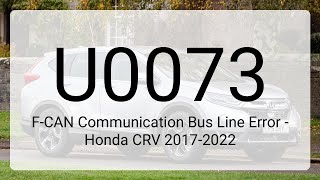
Symptoms: F-CAN Communication Bus Line Error triggering DTC U0073.
What fixed it: Cleared codes with the Honda Diagnostic System (HDS) tool and checked for a CAN gateway as part of the diagnostic procedure.
Source hint: YouTube - DTC U0073 F-CAN Communication Bus Line Error - Honda CRV 2017-2022
2005 Honda CR-V
Symptoms: Replaced a used ABS module to fix warning lights, but still had a warning light remaining on the dash after installation.
What fixed it: Required a 'sensor neutralization procedure' performed by a dealer to properly program the replacement module.
Source hint: Reddit r/Honda - 05 CRV ABS Module Changed, still have a light
Honda CR-V
Symptoms: U0073 code and associated symptoms (warning lights, gauge drops) appeared intermittently shortly after replacing the vehicle's 12V battery.
What fixed it: Ensured the new battery was fully charged and that the battery terminals were perfectly clean and tight.
Source hint: Vehicle Specific Issues - Intermittent Failure after Battery Replacement
Related OBD-II Codes
Frequently Asked Questions
I just replaced the battery on my 2017-2022 CR-V and now I have a U0073 code. What happened?
Does Honda safety recall 24-021 apply to my U0073 code?
If I replace the ABS/VSA modulator on my CR-V to fix U0073, is it a simple plug-and-play repair?
Can a windshield or sunroof leak cause a U0073 code on my CR-V?
What should the CAN bus resistance be when testing the OBD-II port on my CR-V?
Is there a specific Honda TSB for U0073 on the 2017-2022 CR-V?
Helpful Videos
Used OEM Parts in Stock


New Aftermarket Parts Available


The information in this article is provided for general reference and educational purposes only. Vehicle specifications, procedures, and part compatibility can vary by production date, trim level, and region. Always consult your vehicle's factory service manual and verify part numbers before purchasing or performing repairs. Safety-critical components such as airbags, seat belts, and braking systems should be installed by a qualified professional.
- Honda CR-V:
- 🎬 Helpful Videos
- 🛍️ Shop This Part
- What's Unique About the 2017-2022 Honda CR-V
- Symptoms You May Notice
- Most Likely Causes
- Rare But Worth Checking
- Diagnosis Steps
- Parts You'll Likely Need
- Related Codes That Often Appear With This One
- Technical Service Bulletins (TSBs) & Recalls
- Platform-Specific Known Issues
- Mechanic-Grade Diagnostic Values
- Scan Tool Commands That Help
- Wiring & Ground Locations
- Real Owner Repair Stories
- OEM Part Supersession History
- Model Year Variations Within This Range
- Diagnostic Flowchart
- Real Owner Stories
- 2019 Toyota
- 2017-2022 Honda CR-V
- 2005 Honda CR-V
- Honda CR-V
- Related OBD-II Codes
- Frequently Asked Questions
- 🎟️ Get 5% Off