

U0073 on 2016-2024 Chevrolet Malibu: Control Module Communication Bus 'A' Off Causes and Fixes
On a 2016-2024 Malibu, U0073 usually means a communication failure due to a wiring issue, poor ground connection, or low battery voltage, not a bad computer. Check the battery and main ground cable at the battery terminal first, as this is a simple and common fix. Also, inspect the engine wiring harness where it passes over the transmission, a known chafe point.
- U0073 is a serious network failure code. Do not continue to drive the vehicle.
- Before suspecting expensive computers, perform basic electrical checks. The most common fixes are simple: tightening a loose battery ground, cleaning terminals, or replacing a weak battery.
- For 2019-2020 models, be aware of the TSB regarding the engine harness chafing on the transmission. A visual inspection of this area is critical.
- This code is difficult to diagnose without a proper scan tool. If basic checks don't resolve the issue, professional service is recommended to avoid costly misdiagnosis.
What's Unique About the 2016-2024 Chevrolet Malibu

For the ninth-generation Malibu (2016-2024), this code is frequently traced back to foundational electrical issues rather than expensive module failures. GM has issued a Technical Service Bulletin (TSB 19-NA-225) for 2019-2020 models that points to the engine wiring harness chafing against the top front of the transmission case, causing a short that brings down the entire network. Additionally, owner and technician reports often highlight simple but overlooked problems like loose battery ground cables as the root cause for these complex communication codes. The extreme sensitivity of modern modules to voltage fluctuations makes these basic electrical checks paramount before suspecting module failure.
Symptoms You May Notice
- Check Engine Light is on
- ABS and Traction Control warning lights are on
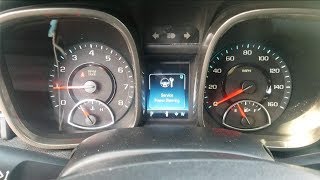
- "Reduced Engine Power" message on the driver information center
- Transmission may shift erratically, harshly, or become stuck in one gear
- Reduced engine power or rough running
- Loss of cruise control or other electronic features
- Multiple other 'U' codes (like U0100, U0121, U0140) may be stored
- Replacing the ECM or BCM without first confirming stable battery voltage, good grounds, and intact wiring. These modules are expensive and often not the root cause.
Most Likely Causes

- Poor or Loose Battery Ground Connection 🔴 High Probability Modern vehicle electronics are extremely sensitive to voltage and ground integrity. A slightly loose main ground cable can cause intermittent communication loss under vibration or load, triggering a cascade of 'U' codes.
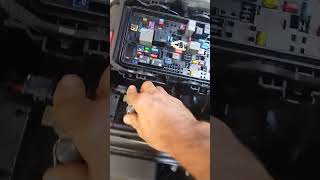
How to confirm: Check the main negative battery cable connection at the battery and the chassis. Ensure it is clean, free of corrosion, and tight. A visual inspection might show looseness or arcing marks, as demonstrated in repair videos. 🎬 Watch: A simple fix for loose battery ground connections.
Typical fix: Clean the terminal and post with a wire brush and tighten the connection securely. This simple step resolves the issue in a surprising number of cases.
Est. part cost: $0-$5 - Weak or Failing Battery / Low System Voltage 🔴 High Probability Control modules may not initialize or communicate properly if system voltage drops too low, especially during engine cranking. This is a common trigger for network codes on many modern vehicles.
How to confirm: Test the battery with a multimeter. A healthy battery should show ~12.4V+ with the engine off and ~13.7V-14.7V with the engine running. A load test is the most definitive way to confirm battery health. 🎬 See how to test your battery and diagnose weak cranking.
Typical fix: Recharge or replace the battery. If the voltage is low while running, the alternator may need to be tested and replaced.
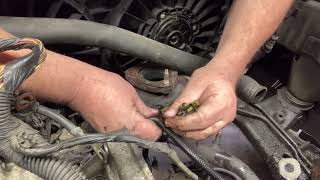
Est. part cost: $150-$300 - Chafed or Damaged Wiring Harness 🟡 Medium Probability GM TSB #19-NA-225 specifically for 2019-2020 models notes that the engine harness can rub against the top front of the transmission case, eventually wearing through the insulation and shorting the CAN bus wires.
How to confirm: Visually inspect the wiring harness, particularly where it runs near the top of the transmission, below the electronic brake control module (EBCM). Look for any signs of abrasion, exposed wires, or damage. The TSB provides a diagram of the exact location.
Typical fix: Repair the damaged wires (solder and heat shrink) and protect the harness from future damage using woven polyester electrical tape (PET) or by repositioning it away from the transmission housing.
Est. part cost: $10-$50 for repair materials - Corroded or Loose Module Connector ⚪ Low Probability
How to confirm: Inspect the connectors at the major control modules (ECM, BCM, TCM, EBCM) for any signs of corrosion, moisture intrusion, or backed-out pins. Contaminants like oil or transmission fluid can also interfere with the connection.
Typical fix: Clean the connector pins with an electrical contact cleaner. If pins are damaged, the connector may need to be repinned or replaced.
Est. part cost: $5-$50
Rare But Worth Checking
- Faulty Control Module: While this is what many suspect first, it's less common than wiring or voltage issues. A single bad module (e.g., ABS, TCM) can fail in a way that it disrupts the entire network. Diagnosis involves using a scan tool to see which modules are offline and then disconnecting the suspect module to see if communication is restored to the others.
- Interference from Aftermarket Electronics: Improperly installed aftermarket parts like remote starters, alarms, or stereos can introduce electrical noise onto the CAN bus, causing communication errors.
Diagnosis Steps
- Check Battery Health: Ensure the battery is fully charged and healthy. Test voltage with the engine off (>12.4V) and running (>13.7V). Low voltage is a very common trigger.
- Inspect Fuses: Check all fuses related to control modules (ECM, TCM, BCM, EBCM).
- Inspect Grounds: Check the main battery ground cable at both the battery and chassis for tightness and corrosion. Clean and tighten as needed. This is a very common and simple fix.
- Scan for Codes: Use an advanced scan tool to see which modules are not communicating. This can help pinpoint the source of the problem.
- Visual Inspection of Wiring (TSB #19-NA-225): For 2019-2020 models especially, inspect the engine wiring harness for any signs of physical damage, paying close attention to the area where the harness passes over the top front of the transmission, below the EBCM.
- Check Connectors: Inspect the main connectors at the ECM, BCM, and TCM for corrosion or loose pins.
- Isolate Modules: If a specific module is suspected, a technician may disconnect it to see if communication on the network is restored. If it is, that module is likely faulty.
- Check Network Resistance: With the battery disconnected, a technician can measure the resistance between the CAN High (Pin 6) and CAN Low (Pin 14) pins at the OBD-II port. It should be approximately 60 ohms. A reading of 120 ohms indicates a break in the circuit or a missing termination resistor. 🎬 Watch: Professional CAN-bus electrical diagnostic and resistance testing walkthrough.
Parts You'll Likely Need
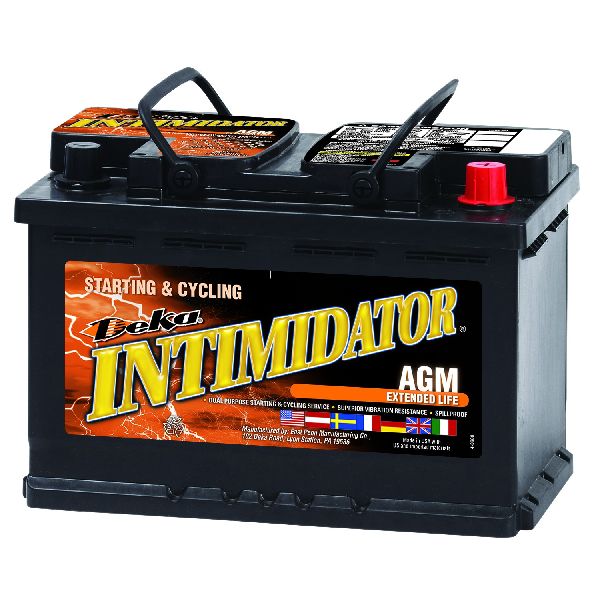
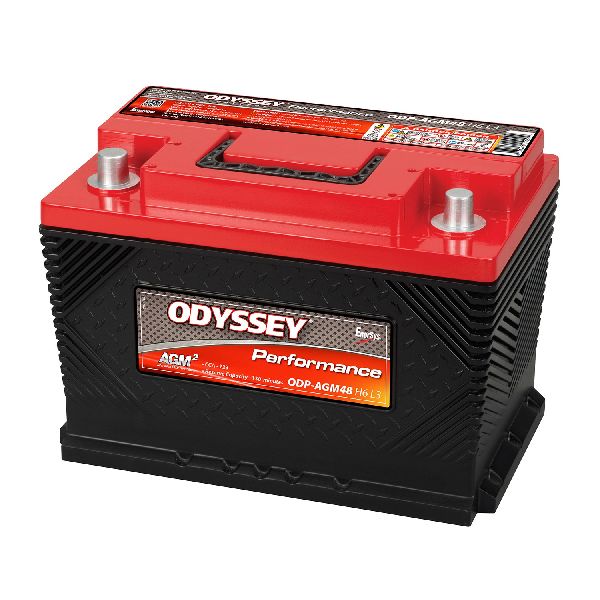
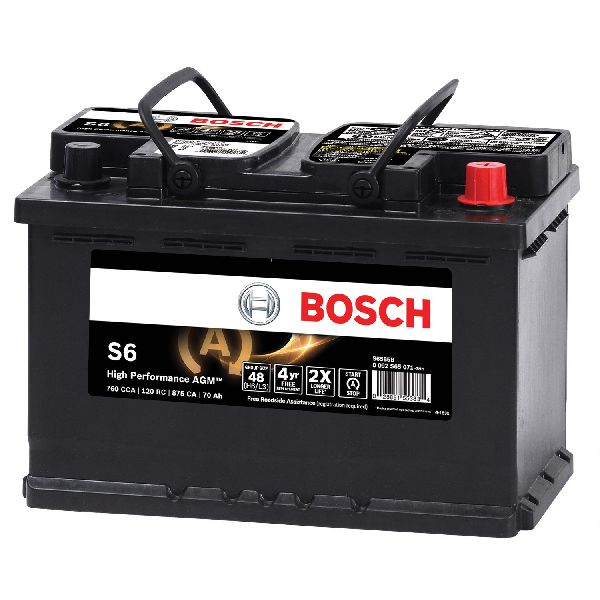
- Battery — A weak or failing battery is a frequent cause of low voltage, which disrupts module communication.
Trusted brands: ACDelco
OEM price range: $200-$300
Aftermarket price range: $150-$250 - Negative Battery Cable — The cable end can corrode or break, or simply become loose, causing a poor ground connection that is a common cause of this code.
Trusted brands: ACDelco
OEM price range: $40-$80
Aftermarket price range: $25-$50
Related Codes That Often Appear With This One
- P0700 — This code means the Transmission Control Module (TCM) has detected a fault and has requested the Check Engine Light to be turned on. It is explicitly listed alongside U0073 in TSB 19-NA-225 as a potential companion code when the TCM loses communication with the rest of the network.
- U0100, U0121, U0140 — These are 'lost communication' codes for the ECM, ABS (EBCM), and BCM, respectively. When the entire network goes down (triggering U0073), every module on that network will log a code for losing communication with the others. These codes are also specifically mentioned in TSB 19-NA-225.
Technical Service Bulletins (TSBs) & Recalls

- GM TSB #19-NA-225: Addresses engine harness chafing against the transmission, which can cause U0073, U0100, U0121, U0140, and P0700.
Platform-Specific Known Issues
- A known issue documented in GM TSB #19-NA-225 involves the engine wiring harness chafing against the transmission housing on 2019-2020 models, which can cause U0073 and a host of other communication codes. The fix involves repairing the wires and applying protective tape.
Mechanic-Grade Diagnostic Values
- CAN Bus Network Resistance — expected: ~60 Ohms. Failure: A reading of ~120 Ohms indicates an open circuit or a missing terminating resistor. A reading significantly below 60 Ohms (e.g., 40 Ohms) suggests a short or an extra terminating resistor on the line.
- CAN Bus Terminating Resistor (Individual) — expected: 120 Ohms. Failure: An open or shorted reading when a module containing a resistor is isolated and tested.
- CAN Bus Voltage (Key On, Engine Off) — expected: CAN High (Pin 6): ~2.5-3.5V. CAN Low (Pin 14): ~1.5-2.5V. The sum of both lines should be ~5V.. Failure: A line stuck at 0V, 5V, or battery voltage indicates a short to ground or power. A multimeter will show an average voltage; an oscilloscope is needed to see the actual data signal.
Hidden / Shadow Codes Worth Checking
- U0073 71, U0073 72, etc.: These are 'symptom bytes' that provide more specific information about the nature of the communication failure (e.g., 'Invalid Data'). The exact meaning of each byte is specific to the manufacturer's diagnostic procedures. (see via A professional GM-specific scan tool, such as the GDS2 (Global Diagnostic System 2), is required to view these symptom bytes.)
Scan Tool Commands That Help
- GDS2 (GM Global Diagnostic System 2): Module Communication Status / Lost Comms List — This is the first and most critical diagnostic step after reading the initial codes. It polls the entire network and displays which specific modules are online and which are not responding. This helps isolate the fault to a specific branch of the network or a single module.
- GDS2 (GM Global Diagnostic System 2): Module Programming / Setup — This function is required after replacing a major control module (such as the BCM, ECM, TCM, or SDGM). The new module must be programmed with the vehicle's VIN and specific configuration to allow it to communicate on the network.
Wiring & Ground Locations

- TSB #19-NA-225 Chafing Point — The engine wiring harness where it routes over the top front of the transmission case, underneath the Electronic Brake Control Module (EBCM).. This is a known weak point on 2019-2020 models where vibration causes the harness to rub through, shorting the CAN bus wires and bringing the entire network down, triggering U0073.
- Main Engine/Transmission Ground — Typically a large cable from the negative battery terminal to a stud on the engine block or transmission housing, often near the starter motor.. A poor connection here creates an unstable ground reference for all engine and transmission-related modules (ECM, TCM), causing them to drop off the network.
- G218 (Common GM Ground) — On similar GM platforms, this critical interior ground is located under the driver's side of the dashboard, often behind the kick panel.. This ground often serves the Body Control Module (BCM) and Data Link Connector (DLC). A poor connection here can cause widespread communication issues.
- Data Link Connector (OBD-II Port) — Under the driver's side dashboard.. Pin 6 (CAN High) and Pin 14 (CAN Low) are the direct access points for testing the resistance and voltage of the entire high-speed communication network.
Real Owner Repair Stories
- YouTube - Garrys repair and auto electrical diagnostics (2020 Chevrolet Malibu) — Multiple communication codes including U0073, P0700, U0101.
❌ Tried (didn't work) Visual inspection of wiring harness.
✅ What actually fixed it The negative battery terminal clamp was extremely loose. Tightening the clamp restored a stable ground connection and resolved all communication codes. - YouTube - Garrys repair and auto electrical diagnostics (anecdotal case) (Chevrolet vehicle (unspecified model)) — U0101 (Lost Communication with TCM), which would be accompanied by U0073.
✅ What actually fixed it The main electrical connector for the Transmission Control Module (TCM) was found to be full of transmission fluid, causing a short. Cleaning the fluid out of the connector and ensuring a good seal fixed the communication issue. - NHTSA ODI #11462789 — An owner reported that their vehicle suddenly stopped while in the carpool lane. A dealership diagnostic revealed codes U0073, U0100, U0101, and U0415. This was the second time the same failure occurred with the same messages.
- NHTSA ODI #11607742 — A driver documented a communication failure where the vehicle stored U0073 (Control Module Communication Bus A Off) along with U0100 and U0121.
Model Year Variations Within This Range
- 2019-2020: These model years are specifically identified in GM TSB #19-NA-225 as being prone to the engine wiring harness chafing against the transmission case. While possible on other years, it is a documented pattern for these two.
Diagnostic Flowchart
Other Known Issues on This Vehicle
Issues unrelated to this code that are worth knowing about as an owner of this generation:
- "Shift to Park" Message 🟠 Medium — Very common on 2016-2019 models. The issue is a faulty microswitch in the shifter assembly that fails to tell the BCM the car is in park, leading to the message and preventing the vehicle from shutting down completely, which can drain the battery. (Ref: Multiple TSBs, including 19-NA-206 and 23-NA-119. The fix is a harness/switch kit (Part #84733196), not a full shifter replacement.)
- Cracked Pistons (1.5L LFV Engine) 🔴 High — A significant issue for 2016-2018 models with the 1.5L turbo engine. Caused by low-speed pre-ignition (LSPI), leading to misfires (P0300), oil consumption, and eventual catastrophic engine failure. (Ref: Addressed by multiple TSBs (e.g., PIP5421G, 19-NA-122) and Customer Satisfaction Program N182195660. The fix involves updated pistons and sometimes a software update.)
- Reduced Power Steering Assist 🟠 Medium — Owners may experience a sudden loss of power steering assist at low speeds, accompanied by a warning message. This can be caused by a weak battery or a failing electric power steering motor. (Ref: TSB #16-NA-200 involves reprogramming the power steering module.)
- Start/Stop Accumulator Oil Leak 🔴 High — Affects 2018-2019 models. Missing bolts on the start/stop accumulator endcap can lead to a transmission oil leak, loss of propulsion, and increased fire risk. (Ref: Recall #N192272730)
Used vs. New Parts: Buying Guide for This Vehicle
When a used part is the smart pick: A used engine wiring harness from a salvage yard can be a cost-effective option if the original harness has extensive, non-repairable damage (e.g., widespread rodent damage, fire/heat damage).
Donor-vehicle mileage cap: roughly under 75000 miles for the part to have meaningful remaining life.
What to inspect on the donor part:
- Inspect the entire harness for signs of previous repair (electrical tape, butt connectors).
- Check that the plastic conduit is not brittle or cracked.
- Ensure all connector housings are intact with no broken locking tabs.
- Verify the donor vehicle has the exact same engine and transmission combination.
- Avoid parts from vehicles with flood or fire damage.
OEM-only on this vehicle (don't cheap out):
- Engine Control Module (ECM)
- Body Control Module (BCM)
- Transmission Control Module (TCM)
- Electronic Brake Control Module (EBCM)
Aftermarket brands forum-validated for this vehicle:
- For batteries, ACDelco (OEM), DieHard, and Interstate are reputable choices.
Brands owners have reported issues with on this vehicle:
- Cheap, no-name aftermarket remote starters or alarms that require splicing into CAN bus wiring.
Real Owner Stories
Aggregated from forums and TSBs cited above. Mileages and costs reflect what owners reported in those sources.
2020 Chevy Malibu
Symptoms: The vehicle stored codes U0073, P0700, and U0101. The technician observed arcing at the battery.
What fixed it: Tightening a very loose negative battery terminal clamp to restore a stable ground connection.
Source hint: YouTube - Garrys repair and auto electrical diagnostics: '2010-2020 Chevy Malibu and Impala code U0073 simple fix remember the basics'
2019 Chevy Malibu
Symptoms: The car 'skipped a little bit' while driving uphill, followed by U0073 and P0700 codes appearing.
What fixed it: The report points to a power or transmission communication fault, often resolved by inspecting the harness for chafing as per TSB #19-NA-225.
Source hint: Reddit - r/MechanicAdvice: A 2019 Malibu owner reported U0073 with P0700
Documented NHTSA Reports
NHTSA ODI #11462789: An owner reported that their vehicle suddenly stopped while in the carpool lane. A dealership diagnostic revealed codes U0073, U0100, U0101, and U0415. This was the second time the same failure occurred with the same messages.
NHTSA ODI #11607742: A driver documented a communication failure where the vehicle stored U0073 (Control Module Communication Bus A Off) along with U0100 and U0121.
Related OBD-II Codes
Frequently Asked Questions
My 2019 Malibu is showing U0073 and the harness is rubbing the transmission. Is there a specific bulletin for this?
What part do I need to fix the 'Shift to Park' message that keeps draining my battery?
Can a loose battery cable really cause the 'Reduced Engine Power' message and U0073?
I have a 2017 Malibu with the 1.5L engine and a P0300 code. Is this related to the U0073 communication issues?
Where exactly should I look for wiring damage on my 2020 Malibu?
What is the correct resistance reading for the CAN bus at the OBD-II port?
Helpful Videos
Used OEM Parts in Stock

New Aftermarket Parts Available


The information in this article is provided for general reference and educational purposes only. Vehicle specifications, procedures, and part compatibility can vary by production date, trim level, and region. Always consult your vehicle's factory service manual and verify part numbers before purchasing or performing repairs. Safety-critical components such as airbags, seat belts, and braking systems should be installed by a qualified professional.
- Chevrolet Malibu:
- 🎬 Helpful Videos
- 🛍️ Shop This Part
- What's Unique About the 2016-2024 Chevrolet Malibu
- Symptoms You May Notice
- Most Likely Causes
- Rare But Worth Checking
- Diagnosis Steps
- Parts You'll Likely Need
- Related Codes That Often Appear With This One
- Technical Service Bulletins (TSBs) & Recalls
- Platform-Specific Known Issues
- Mechanic-Grade Diagnostic Values
- Hidden / Shadow Codes Worth Checking
- Scan Tool Commands That Help
- Wiring & Ground Locations
- Real Owner Repair Stories
- Model Year Variations Within This Range
- Diagnostic Flowchart
- Other Known Issues on This Vehicle
- Used vs. New Parts: Buying Guide for This Vehicle
- Real Owner Stories
- 2020 Chevy Malibu
- 2019 Chevy Malibu
- Documented NHTSA Reports
- Related OBD-II Codes
- Frequently Asked Questions
- 🎟️ Get 5% Off