

P3400 on 2019-2021 Mazda3: Cylinder Deactivation Malfunction Causes and Fixes
On a 2019-2021 Mazda3 with the 2.5L non-turbo engine, code P3400 is almost always caused by a clogged Cylinder Deactivation Oil Control Valve (OCV). The clog is typically plastic debris from an oil filter's wrapper that entered the engine during a past oil change. The fix is to inspect and clean the two OCVs and their oil passages in the cylinder head, and replace any valve if its filter is damaged. Using a genuine Mazda oil filter is critical for prevention.
- P3400 on this Mazda3 is a very specific problem, most likely caused by debris clogging the Cylinder Deactivation Oil Control Valve.
- The source of the debris is often the plastic wrapper from an oil filter that fell into the engine during a previous service.
- The fix is not just to replace the valve, but to thoroughly clean the oil passages in the cylinder head to prevent a repeat failure.
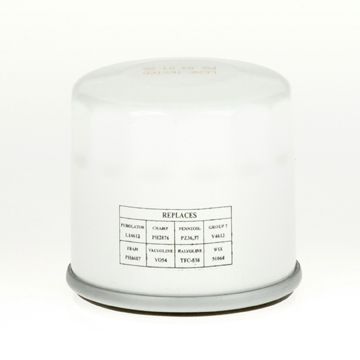
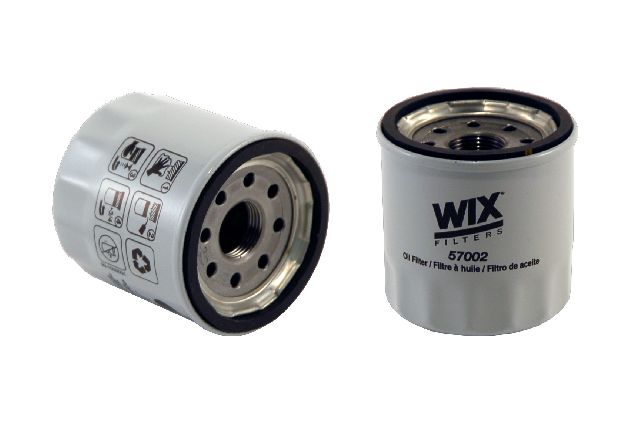
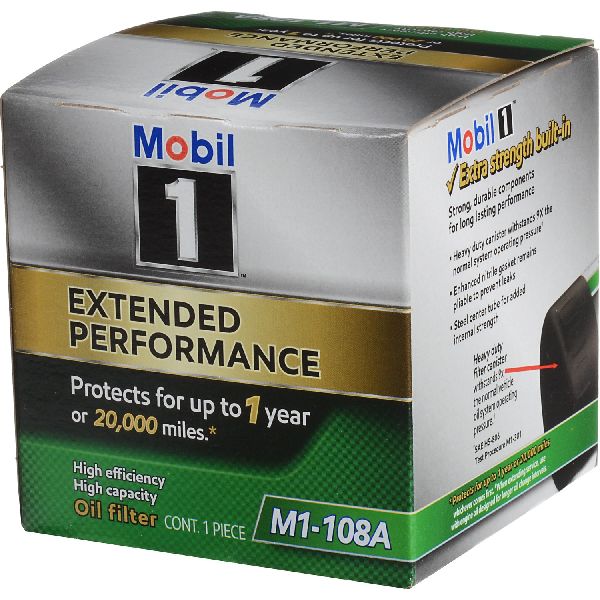
- Always use a genuine Mazda oil filter (1WPE-14-302) and be careful when removing the plastic wrapper to avoid this issue.
- Before replacing any parts, check the oil level and inspect both front and rear Oil Control Valves for visible debris.
- In rare cases, the code can be caused by a more serious fallen rocker arm, which would typically be accompanied by loud engine noise.
What's Unique About the 2019-2021 Mazda MAZDA3
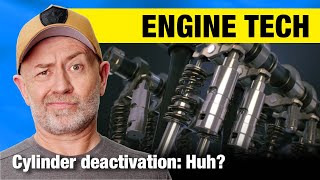
Mazda was the only automaker in North America to use cylinder deactivation on a four-cylinder engine during this period. 🎬 Watch: Mazda's official explanation of how this system works. This specific engine platform has a well-documented and unique failure point outlined in multiple Technical Service Bulletins (TSBs). The system's oil control valves are highly susceptible to clogging from small pieces of plastic, specifically from the wrapper of oil filters, which can accidentally fall into the engine during an oil change. This makes the P3400 code on this car a very specific mechanical problem rather than a generic electronic failure. The TSBs explicitly state that debris can enter when a hole is poked in the filter's plastic wrapper during removal.
Diagnostic Flowchart
Tap your situation to follow the diagnostic path that matches what you're seeing on this vehicle.
Symptoms You May Notice
- Check Engine Light is on
- Rough or uneven idle
- Lack of engine power or hesitation, especially during gentle acceleration
- Noticeable engine vibration or shudder, sometimes felt through the gas pedal
- Reduced fuel economy
- A slight "notch" or lag in power when the system tries to switch modes 🎬 See a deep dive into the pros and cons of this tech.
- Replacing the Oil Control Valves without cleaning the debris from the cylinder head oil passages. The debris will clog the new valves and the code will return.
- Replacing spark plugs or ignition coils to fix a rough idle without first addressing the P3400 code, which is hydraulic, not ignition-based.
- Replacing the Powertrain Control Module (PCM). This is extremely unlikely to be the cause compared to the well-documented mechanical debris issue.
Most Likely Causes
- Clogged Cylinder Deactivation Oil Control Valve (OCV) 🔴 High Probability As documented in Mazda TSBs SA-047-21 and SA-061-20a, plastic debris from an oil filter's wrapper can enter the engine during an oil change and get lodged in the fine mesh screen of the OCV, blocking oil flow. This is the most common cause by a wide margin.
How to confirm: Remove the front and rear cylinder deactivation OCVs from the cylinder head and visually inspect the valve screens and the cylinder head ports for debris. The front OCV is on the front of the cylinder head, and the rear OCV is on the firewall side.
Typical fix: Clean any debris from the oil passages in the cylinder head, often with a vacuum device attached to a small hose. Replace the OCV if its filter tip is damaged. It is often recommended to replace both valves. Perform an oil and filter change using a genuine Mazda filter to prevent recurrence.
Est. part cost: $120-$320 - Low Engine Oil Level or Pressure ⚪ Low Probability The cylinder deactivation system is entirely dependent on hydraulic oil pressure to function. While not a platform-specific flaw, incorrect oil levels or viscosity will prevent the system from working as designed.
How to confirm: Check the engine oil level using the dipstick. Ensure the correct viscosity (0W-20) is being used. A mechanical oil pressure test may be needed to rule out a failing oil pump or other internal issue.
Typical fix: Top up or change the engine oil. Address any sources of low oil pressure, such as a failing oil pressure switch.
Est. part cost: $0-$50
Rare But Worth Checking
- Fallen or Broken Rocker Arm: A more severe mechanical failure where the rocker arm on a deactivating cylinder (1 or 4) fails. This is usually accompanied by loud engine noise and specific misfire codes like P0301 or P0304. TSB SA-015-19a instructs technicians to check for this by removing the valve cover. This was a more prominent issue on early 2018 models of platform mates (like the CX-5) and led to a recall to reprogram the PCM software. 🎬 Watch: One owner's experience with the cylinder deactivation recall.
- Faulty Cylinder Deactivation Oil Pressure Switch: Some owners have reported that a faulty oil pressure switch, which monitors the system, can trigger a P3400 code. This is a less common failure point than the OCVs themselves.
Diagnosis Steps
- Scan the vehicle for the P3400 code and any other accompanying codes (e.g., P0301, P0304, P349B).
- Check the engine oil level and condition. Low or dirty oil can cause issues with hydraulic systems like this. Ensure the correct 0W-20 oil is being used.
- Following Mazda TSB SA-047-21, locate and remove the front and rear cylinder deactivation oil control valves. They are bolted to the cylinder head, one on the front (radiator) side and one on the rear (firewall) side.
- Carefully inspect the mesh filters on the tips of the valves and the ports in the cylinder head for any contamination, specifically looking for small pieces of black plastic.
- If debris is found, use a vacuum device (like a brake bleeder with a small hose attached) to carefully remove all debris from the oil passages in the cylinder head. Photograph the debris and the clogged valve screen for documentation.
- If a valve's filter is damaged or cannot be fully cleaned, it must be replaced. It is often recommended to replace both as a pair.
- Reinstall the valves (or their replacements) and torque to specification. A new gasket may be required.
- Perform a complete engine oil and filter change using a genuine Mazda oil filter (part no. 1WPE-14-302) to prevent the problem from happening again.
- Clear the trouble codes and perform a test drive, including light-load cruising, to verify the repair and ensure the Check Engine Light does not return.
Parts You'll Likely Need
- Cylinder Deactivation Oil Control Valve (OCV)
(OEM #PYFA-14-440C)— This is the valve that gets clogged by debris, which is the most common cause of P3400. There are two (front and rear) and they are identical. This part number supersedes PYFA-14-440A and PYFA-14-440.
Trusted brands: Mazda OE
OEM price range: $160-$220 each
Aftermarket price range: $80-$120 each - Engine Oil Filter
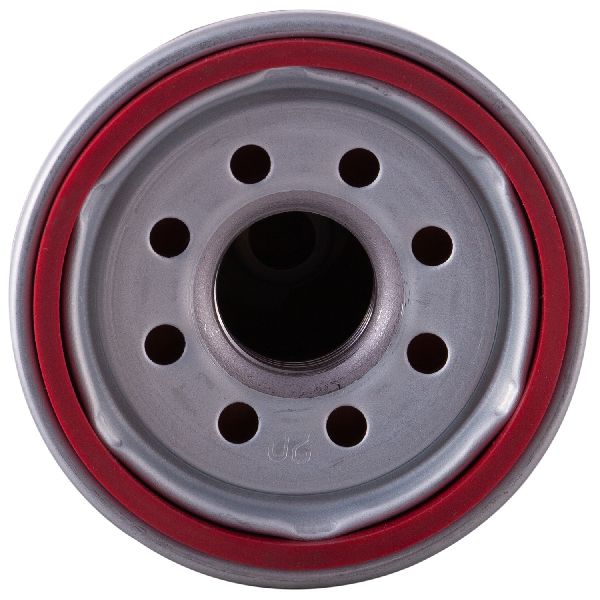
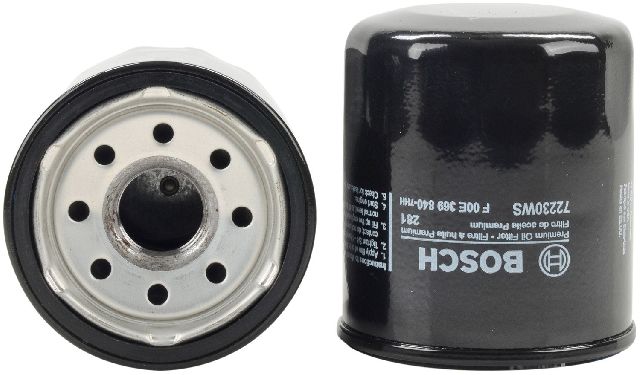
(OEM #1WPE-14-302)— The problem is often caused by debris from non-OEM or improperly handled filter wrappers. Using a new, genuine Mazda filter is critical to prevent the issue from recurring. This part number may replace PE01-14-302B.
Trusted brands: Mazda OE
OEM price range: $10-$15
Aftermarket price range: $5-$10 - OCV Gasket/Seal — A small gasket or o-ring may be required when replacing the oil control valve to ensure a proper seal and prevent leaks. It is often sold separately.
Trusted brands: Mazda OE
OEM price range: $5-$15
Related Codes That Often Appear With This One
- P0301 — Indicates a misfire on Cylinder 1. A mechanical issue like a stuck or fallen rocker arm can cause both P3400 and a misfire on one of the deactivating cylinders.
- P0304 — Indicates a misfire on Cylinder 4, the other deactivating cylinder. This can also point towards a rocker arm failure.
- P349B — This is another manufacturer-specific code for the cylinder deactivation system that can appear alongside P3400, particularly when a rocker arm has failed, as noted in TSB SA-022-19.
Technical Service Bulletins (TSBs) & Recalls
- SA-047-21: CHECK ENGINE LIGHT ON WITH P3400
- SA-061-20a: CHECK ENGINE LIGHT ON WITH P3400
- SA-015-19a: CHECK ENGINE LIGHT COMES ON WHEN DRIVING WITH P3400 STORED IN PCM
Platform-Specific Known Issues
- Mazda has issued multiple Technical Service Bulletins (TSBs), including SA-047-21, SA-061-20a, and SA-015-19a, directly addressing code P3400.
- The core issue documented in these TSBs is that plastic debris from an oil filter's protective wrapper can enter the engine during an oil change and clog the Cylinder Deactivation Oil Control Valve.
- TSB SA-015-19a also directs technicians to inspect for fallen or broken rocker arms on cylinders 1 and 4 by removing the valve cover, indicating a known, more severe mechanical failure mode.
Mechanic-Grade Diagnostic Values
- Cylinder Deactivation OCV Solenoid Resistance — expected: 6.9–7.5 Ohms at 68°F (20°C). Failure: A reading outside this range indicates a faulty solenoid coil.
- Cylinder Deactivation OCV Solenoid Connector Voltage — expected: Approx. 12 V (± 0.5 V) when commanded ON. Failure: No voltage or significantly low voltage points to a wiring or PCM driver issue.
- Engine Oil Pressure (PID: EOP) at 1,500 RPM — expected: 135—165 kPa (19.6—23.9 psi) with oil at 80-90°C. Failure: Pressure below this range can indicate oil pump issues, clogs, or incorrect oil viscosity, preventing the system from functioning.
- Engine Oil Pressure (PID: EOP) at 4,500 RPM — expected: 225—275 kPa (32.7—39.8 psi) with oil at 80-90°C. Failure: Low pressure at higher RPM suggests a more significant lubrication system problem.
Scan Tool Commands That Help
- Mazda M-MDS or equivalent (e.g., FORScan): Actuator Test / Bidirectional Control for Cylinder Deactivation Solenoid — Use this after confirming the OCV is physically clean. Commanding the solenoid 'ON' should produce an audible click and vibration, confirming the solenoid coil and its control circuit are working. This helps differentiate a mechanical blockage from an electrical failure without removing the part.
Real Owner Repair Stories
- mazdas247.com forum user 'erhay8' (2018 Mazda CX-5 (same engine and cylinder deactivation system)) — Check Engine Light with code P0304 (Cylinder 4 misfire), followed by P3400 and loud engine noise.
❌ Tried (didn't work) Initial diagnosis at one dealership missed the mechanical failure.
✅ What actually fixed it A second dealership followed TSB SA-015/19 and SA-041/18, removed the valve cover, and found a fallen rocker arm on cylinder 4. The final repair was a complete engine replacement under warranty.
"I Checked Everything" — The Actual Cause
- In the context of P3400, the equivalent of a 'smoke test clean' scenario is when a technician inspects the Cylinder Deactivation Oil Control Valves (OCVs) and finds no plastic debris. According to Mazda TSB SA-015/19a, if the OCVs are clean, the next step is not to assume an electrical fault, but to perform a more involved mechanical inspection. The actual cause in this case is often a fallen or broken rocker arm on cylinder 1 or 4, which requires removing the valve cover to visually confirm.
OEM Part Supersession History
PYFA-14-440A→PYFA-14-440C— The part was likely updated to improve durability or resistance to contamination, though the exact engineering reason is not publicly documented. The supersession is confirmed by multiple Mazda parts dealers.
Heads up: On some early platform-sharing models (e.g., 2018 CX-5), replacing the original PYFA-14-440A valve with the updated PYFA-14-440C requires the additional replacement of the spacer (PYFA-14-762A) for proper fitment.
Model Year Variations Within This Range
- 2019: Early production 2019 Mazda3 models were subject to a recall (Mazda recall 3719F / NHTSA 19V495000) to reprogram the Powertrain Control Module (PCM). The original software could improperly control oil pressure during the transition between two- and four-cylinder modes, potentially leading to a rocker arm falling off and causing P3400 with severe mechanical damage. Later models or those with the update are less likely to experience this specific failure mode.
Helpful Videos




Used OEM Parts in Stock


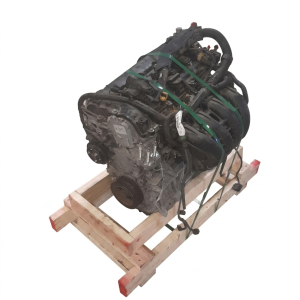
New Aftermarket Parts Available

The information in this article is provided for general reference and educational purposes only. Vehicle specifications, procedures, and part compatibility can vary by production date, trim level, and region. Always consult your vehicle's factory service manual and verify part numbers before purchasing or performing repairs. Safety-critical components such as airbags, seat belts, and braking systems should be installed by a qualified professional.
- Mazda MAZDA3:
- 🎬 Helpful Videos
- 🛍️ Shop This Part
- What's Unique About the 2019-2021 Mazda MAZDA3
- Diagnostic Flowchart
- Symptoms You May Notice
- Most Likely Causes
- Rare But Worth Checking
- Diagnosis Steps
- Parts You'll Likely Need
- Related Codes That Often Appear With This One
- Technical Service Bulletins (TSBs) & Recalls
- Platform-Specific Known Issues
- Mechanic-Grade Diagnostic Values
- Scan Tool Commands That Help
- Real Owner Repair Stories
- "I Checked Everything" — The Actual Cause
- OEM Part Supersession History
- Model Year Variations Within This Range
- 🎟️ Get 5% Off