

P2701 on 2016-2022 Honda Pilot: Transmission Friction Element 'B' Causes and Fixes
On 2016-2022 Honda Pilots, especially those with the ZF 9-speed automatic transmission, code P2701 is often caused by a software issue in the Transmission Control Module (TCM). A software update from a Honda dealer, as outlined in TSB 20-029, is the most likely fix. Other causes include degraded transmission fluid or, less commonly, a failing shift solenoid or internal clutch pack.
- For a 2016-2022 Pilot with P2701, especially a Touring or Elite model, the first step should be checking for a TCM software update at a dealership.
- Do not immediately assume expensive hardware failure; software and fluid are the most probable culprits.
- Ensure only the correct, manufacturer-specified transmission fluid is used, as these transmissions are sensitive to fluid type.
- This code indicates a problem that will likely worsen and could cause severe transmission damage if ignored.
What's Unique About the 2016-2022 Honda Pilot
The 2016-2022 Pilot's higher trims (Touring, Elite) use a ZF-manufactured 9-speed automatic transmission (ZF 9HP) that is known for shift quality issues. Many of these problems, which align with the symptoms of P2701, have been traced back to the software calibration within the Transmission Control Module (TCM). Honda has released technical service bulletin TSB 20-029 to update this software, which often resolves issues like harsh or jerky shifting without replacing any hardware. A class-action lawsuit was also filed concerning these transmissions, alleging the software causes incorrect throttle response and mistimed shifts.
Symptoms You May Notice
- Harsh, jerky, or delayed shifts, especially during steady acceleration.
- Transmission slipping, where engine RPMs rise without an increase in vehicle speed.
- A noticeable lurch or jolt when the transmission engages a gear.
- Transmission warning light illuminated on the dashboard.
- Vehicle may enter 'limp mode,' restricting speed and available gears to prevent damage.
- Replacing the entire transmission when only a TCM software update was needed. This is especially relevant given TSB 20-029.
- Replacing a torque converter. While torque converter issues (triggering code P0741) are also known on some Honda platforms, P2701 points specifically to a friction element timing issue, which is more likely related to software, fluid, or a specific solenoid.
Most Likely Causes
- Transmission Control Module (TCM) Software Calibration 🔴 High Probability The ZF 9-speed transmission used in Touring and Elite trims is known for having software issues that cause 'abnormal TCM adaptation values'. Honda TSB 20-029 directly addresses this by providing a software update to fix harsh shifting during steady acceleration.
How to confirm: A Honda dealership or a qualified shop with OEM diagnostic tools can check the current software version of the TCM and see if an update is available per TSB 20-029. The TSB applies to all 2016-19 Pilot Touring/Elite models and specific VIN ranges of 2020 models.
Typical fix: Update the Transmission Control Module (TCM) software to the latest version. This is a software flash performed by a dealer or equipped independent shop. Per the TSB, the TCM takes about 500 miles to re-adapt to the driver's pattern after the update.
Est. part cost: $0 (if performed under warranty or TSB campaign) - Low or Degraded Automatic Transmission Fluid (ATF) 🟡 Medium Probability Transmission fluid that is low, dirty, or has lost its viscosity can cause hydraulic pressure issues, leading to incorrect clutch apply times. Honda has issued TSB 23-073 for the 6-speed Pilot transmission for fluid deterioration causing overheating, indicating fluid quality is a known issue on the platform. While a different transmission, the principle applies.
How to confirm: Check the transmission fluid level and condition. For the 9-speed, this is more complex than a simple dipstick check and has a specific procedure. The fluid should be at the correct level and not have a burnt smell or contain excessive debris.
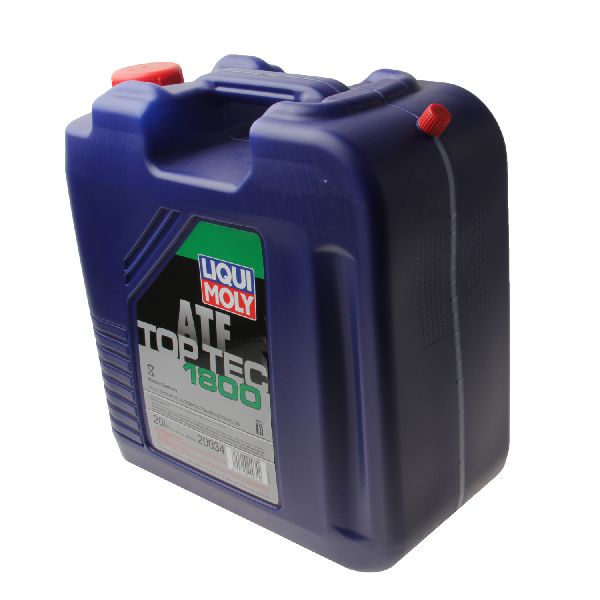
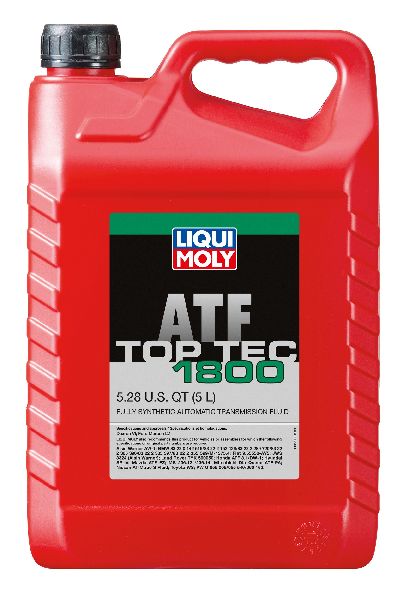
Typical fix: Perform a transmission fluid drain-and-fill. It is critical to use only Honda-specified ATF TYPE 3.1 for the 9-speed transmission. Using the wrong fluid (like DW-1) can cause damage. A typical drain and fill for the 9-speed transmission requires about 3.5 quarts.
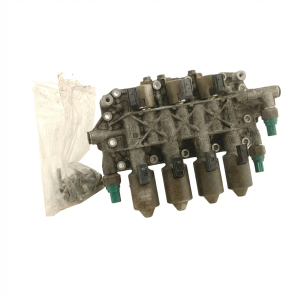
Est. part cost: $75-$150 - Faulty Transmission Shift Solenoid or Pressure Switch ⚪ Low Probability Solenoids control the flow of hydraulic fluid to engage the clutches. A solenoid that is sticking or has an electrical fault can directly cause an apply-time performance code. While not a uniquely high-failure part on this platform, it is a common cause for this generic code across many vehicles.
How to confirm: A technician can use an advanced scan tool to monitor the commanded state versus the actual state of the solenoids. Resistance and voltage tests can also be performed on the specific solenoid for clutch 'B' (resistance is typically 4–8 Ω).
Typical fix: Replace the faulty shift solenoid or pressure switch. This often requires removing the transmission pan or valve body to access the solenoid pack.
Est. part cost: $100-$300
Rare But Worth Checking
- Internal Mechanical Failure: Although less common, the code can be triggered by a worn or damaged internal 'B' clutch pack, piston seals, or other components within the transmission. This is usually a last resort after all external and electronic causes have been ruled out and often presents with more severe symptoms like metal debris in the fluid.
- Faulty Transmission Valve Body: The valve body is the hydraulic control center of the transmission. A blockage in a passage, a sticking valve, or a leak within the valve body can prevent correct pressure from reaching the clutch pack, causing this code.
Diagnosis Steps
- Use an advanced scan tool to confirm P2701 and check for any other related transmission codes.
- Check the vehicle's VIN against Honda TSB 20-029 to see if the TCM software update for '9-Speed A/T Hard Upshift' applies. If it does, this is the most likely first step.
- If the TSB doesn't apply or has been performed, check the transmission fluid level and condition. This must be done according to the specific procedure for the 9-speed ZF transmission, which involves a level plug, not a dipstick.
- If the fluid is low, discolored, or smells burnt, perform a drain-and-fill using only Honda ATF TYPE 3.1 fluid.
- If the problem persists, use a scan tool to monitor live data for the 'B' clutch apply time and the operation of its related shift solenoid.
- Test the resistance and voltage of the 'B' clutch solenoid and its wiring harness. Check for corrosion or damage to connectors.
- If solenoids and wiring are good, the issue is likely internal to the transmission, requiring inspection of the valve body or the clutch pack itself. This step requires a transmission specialist.
Parts You'll Likely Need
- Automatic Transmission Fluid (9-Speed)
(OEM #08200-AFT31 (Honda ATF TYPE 3.1))— The ZF 9-speed transmission requires this specific fluid. Using the incorrect type (like DW-1 or HCF-2) can cause shifting problems or damage. A drain and fill is a common step in resolving shift quality issues.
Trusted brands: Honda Genuine, ZF Lifeguard 9
OEM price range: $25-$40 per quart
Aftermarket price range: $20-$30 per quart - Transmission Shift Solenoid — If the code is not resolved by fluid or software, a faulty solenoid responsible for the 'B' clutch is the next logical part to fail.
Trusted brands: Honda Genuine, ZF (OEM for 9-speed)
OEM price range: $150-$300
Aftermarket price range: $80-$200
Related Codes That Often Appear With This One
- P0732-P0735 — These codes indicate incorrect gear ratios for specific gears. If the 'B' clutch is part of applying those gears, its failure to engage correctly can trigger these codes simultaneously.
- P2700, P2702, P2703 — These are similar apply-time performance codes for other friction elements ('A', 'C', 'D'). Seeing multiple codes like this may point to a more widespread problem like low fluid, a faulty TCM, or a failing valve body.
Technical Service Bulletins (TSBs) & Recalls
- 20-029: 9-Speed A/T Hard Upshift with Steady Acceleration - Addresses abnormal TCM adaptation values with a software update for 2016-2020 Pilots (Touring/Elite) and 2019 Passports.
- 23-073: Transmission Temp Too Hot Message on the MID (for 6-speed models) - Indicates fluid deterioration can be an issue on the platform, requiring a flush and software update. This TSB is for the 6-speed A/T, not the 9-speed, but highlights fluid health as a focus area for Honda.
Platform-Specific Known Issues
- Honda TSB 20-029 was issued for the 9-speed automatic transmission to correct harsh or jerky upshifts via a TCM software update. This directly relates to the symptoms of P2701.
- A class-action lawsuit was filed against Honda for issues with the ZF 9-speed transmission, alleging defective software causes poor shift quality and unsafe driving conditions.
- Owner Experience with TSB 20-029: A 2019 Honda Passport owner on Reddit reported a noticeable 'clunk' when the transmission went into gear. The dealer performed the TSB 20-029 software update, which resolved the issue.
Mechanic-Grade Diagnostic Values
- Shift Solenoid Coil Resistance — expected: 4–8 Ω. Failure: A reading outside this range indicates a faulty solenoid coil (open or shorted).
- Shift Solenoid Voltage (during actuation test) — expected: Within ±0.5 V of the nominal 12 V battery voltage.. Failure: Low voltage or no voltage when the solenoid is commanded ON by a scan tool points to a wiring or power supply problem.
- Clutch Pack Clearance (B-Clutch) — expected: 0.030 to 0.070 inches (0.76 to 1.78 mm). Failure: Clearance outside this range indicates excessive wear of the clutch plates or related components.
Scan Tool Commands That Help
- Honda i-HDS (Honda Diagnostic System): TCM Software Update — This is the primary fix for P2701 symptoms as described in TSB 20-029. It corrects abnormal adaptation values in the TCM software causing harsh shifts.
- Honda i-HDS (Honda Diagnostic System): Reset Transmission Adaptation / Clear Learned Values — After replacing transmission fluid, a solenoid, or any internal components, the learned values must be cleared. This forces the TCM to relearn the clutch engagement points and pressures. Failure to do so can result in continued poor shifting.
- Honda i-HDS (Honda Diagnostic System): Solenoid Actuation Test — To functionally test a specific solenoid. The scan tool commands the solenoid on and off, and the technician can listen for a click and measure voltage to confirm electrical and basic mechanical operation.
- Honda i-HDS (Honda Diagnostic System): PCM Idle Learn Procedure — Specifically required for 2016 Pilot models after performing the TCM software update from TSB 20-029. Failure to perform this step can cause a hard shift and a customer comeback.
Wiring & Ground Locations
- TCM Connector A (58-pin) — The TCM is located on the transmission itself. On the Pilot, this requires removing the air intake box and ducting for access.. This is the main connector for the Transmission Control Module. Poor connection or corrosion here can cause a wide range of transmission codes, including communication errors that could indirectly relate to performance codes.
- F-CAN Bus Lines — These are communication wires running between the PCM and TCM. Specifically, F-CAN A_H (PCM pin A9 to TCM pin 34) and F-CAN A_L (PCM pin A10 to TCM pin 47).. While not a direct cause of P2701, a fault on the CAN bus (which would set a U-code like U0101) can disrupt the TCM's ability to properly control the transmission, leading to performance issues. Checking continuity on these lines is a key step if communication codes are present alongside P2701.
Real Owner Repair Stories
- Reddit user anniew555 (2019 Honda Pilot Elite, 72k miles) — On a downhill road while braking, the RPMs climb and hang around 3,200 RPM without shifting, even at speeds of 30-35 mph.
❌ Tried (didn't work) The TSB software update was applied twice., A transmission drain, flush, and fill was performed.
✅ What actually fixed it The software update provided a temporary fix for about 200-300 miles each time, but the problem consistently returned, indicating the software was not the root cause or could not adapt to an underlying mechanical or fluid issue. The user was still seeking a permanent solution.
OEM Part Supersession History
Honda ATF TYPE 3.0→Honda ATF TYPE 3.1 (P/N 08200-AFT31)— Updated fluid formulation for the ZF 9-speed transmission to improve performance and durability.
Heads up: ATF Type 3.1 is the correct and current fluid for all ZF 9HP transmissions in Honda products. Do not use older Honda fluids like DW-1. ZF's own fluid, Lifeguard 9, is the same formulation and is interchangeable.
Model Year Variations Within This Range
- 2016 only: After performing the TCM software update per TSB 20-029, the 2016 Pilot requires a specific 'PCM Idle Learn Procedure'. This step is not required for 2017-2020 models. Failure to do this on a 2016 model will result in a hard shift.
- 2016-2022 (with 9AT and Idle Stop): Honda issued TSB 23-008 for a PGM-FI software update to address an issue where the engine may not restart after an idle stop event. While not directly related to P2701, it is another critical software update for the powertrain on these vehicles that a dealer should check for.
Diagnostic Flowchart
Other Known Issues on This Vehicle
Issues unrelated to this code that are worth knowing about as an owner of this generation:
- Auto Idle Stop Failure to Restart 🔴 High — Widespread across 2016-2022 models, leading to a federal investigation and multiple TSBs. The engine may not restart after the idle-stop feature engages. (Ref: TSB 23-008, 23-009, 23-010)
- Faulty Fuel Injectors 🟠 Medium — Common enough to prompt a warranty extension for 2016-2019 models. Can cause misfires and other engine performance DTCs (P0300-P0306, P0420, P219A). (Ref: Warranty Extension / TSB 20-100, 21-010)
- Infotainment System Glitches (Cracking/Popping/Freezing) 🟡 Low — Very common across many Honda models of this era, including the Pilot. Symptoms include popping/crackling audio, screen freezing, or going blank. Often related to a faulty MOST bus network connector or wiring harness tension. (Ref: TSB 19-059 (for related issue))
- Direct Injection Carbon Buildup 🟠 Medium — A long-term issue inherent to the J35Y6 direct-injection engine. Typically becomes noticeable after 60,000-100,000 miles, causing rough idle, hesitation, or misfires.
- Variable Cylinder Management (VCM) Issues 🟠 Medium — A long-standing issue with Honda V6 engines. Can cause oil consumption, fouled spark plugs, and vibrations as the system switches cylinders on and off.
Used vs. New Parts: Buying Guide for This Vehicle
When a used part is the smart pick: For this specific repair, using used parts is generally not recommended. The primary causes are either software (which requires a dealer tool, not a part) or internal transmission wear. A used valve body or solenoid pack carries a high risk of having the same contamination or wear issues as the part being replaced. A complete used transmission is an option only if it's from a low-mileage, verified-good donor, as the ZF 9HP has a history of software and shift quality issues.
Donor-vehicle mileage cap: roughly under 50000 miles for the part to have meaningful remaining life.
What to inspect on the donor part:
- Verify the donor vehicle's VIN to ensure it's not from a year range known for severe issues.
- If possible, request a fluid sample. Dark, burnt, or glittery fluid is a major red flag.
- Check service history to see if TSBs (like 20-029) have been performed.
- Inspect all electrical connectors for corrosion, bent pins, or damage to the harness.
OEM-only on this vehicle (don't cheap out):
- Transmission Control Module (TCM): A used TCM would need to be reprogrammed by a dealer with Honda's HDS, which often negates any cost savings.
- Internal Clutch Packs/Seals: These are wear items and should always be replaced with new parts during a transmission rebuild.
Aftermarket brands forum-validated for this vehicle:
- ZF Lifeguard 9: This is the OEM fluid, identical to Honda ATF Type 3.1, and can sometimes be found at a lower price.
Brands owners have reported issues with on this vehicle:
- Universal or 'Multi-Vehicle' ATFs: The ZF 9HP is extremely sensitive to fluid type. Using anything other than Honda ATF Type 3.1 or ZF Lifeguard 9 is highly likely to cause shifting problems or damage.
Real Owner Stories
Aggregated from forums and TSBs cited above. Mileages and costs reflect what owners reported in those sources.
2019 Honda Passport J35Y6
Symptoms: The owner reported a noticeable 'clunk' when the transmission engaged a gear.
What fixed it: The dealership performed the TSB 20-029 software update, which resolved the shifting issue.
Source hint: Reddit owner experience mentioned in vehicle_specific_issues
Related OBD-II Codes
Frequently Asked Questions
Does Honda TSB 20-029 apply to my 2019 Pilot Touring with the 9-speed transmission?
What specific transmission fluid should I use for my 9-speed Pilot to avoid P2701?
How long does it take for the transmission to feel normal after the TCM software update?
Is there a class-action lawsuit regarding the 9-speed transmission in the 2016-2022 Pilot?
Can I check the transmission fluid level myself on the 9-speed model?
Is the 'Transmission Temp Too Hot' message related to P2701?
Used OEM Parts in Stock

New Aftermarket Parts Available




The information in this article is provided for general reference and educational purposes only. Vehicle specifications, procedures, and part compatibility can vary by production date, trim level, and region. Always consult your vehicle's factory service manual and verify part numbers before purchasing or performing repairs. Safety-critical components such as airbags, seat belts, and braking systems should be installed by a qualified professional.
- Honda Pilot:
- 🛍️ Shop This Part
- What's Unique About the 2016-2022 Honda Pilot
- Symptoms You May Notice
- Most Likely Causes
- Rare But Worth Checking
- Diagnosis Steps
- Parts You'll Likely Need
- Related Codes That Often Appear With This One
- Technical Service Bulletins (TSBs) & Recalls
- Platform-Specific Known Issues
- Mechanic-Grade Diagnostic Values
- Scan Tool Commands That Help
- Wiring & Ground Locations
- Real Owner Repair Stories
- OEM Part Supersession History
- Model Year Variations Within This Range
- Diagnostic Flowchart
- Other Known Issues on This Vehicle
- Used vs. New Parts: Buying Guide for This Vehicle
- Real Owner Stories
- 2019 Honda Passport J35Y6
- Related OBD-II Codes
- Frequently Asked Questions
- 🎟️ Get 5% Off