

P2421 on 2012-2018 Hyundai Veloster: EVAP Vent Valve Stuck Open Causes and Fixes
This code means the EVAP system's vent valve is stuck open. On the 2012-2018 Veloster, this is almost always caused by a failed canister close valve located at the rear of the vehicle near the charcoal canister. Replacing the valve is the most common fix. The OEM part number is 31430-1Y000.
- P2421 on a 2012-2018 Veloster almost always points to a faulty Canister Close Valve (CCV) located at the rear of the car.
- Symptoms are usually just a Check Engine Light, but can include a fuel smell or trouble starting after getting gas.
- The repair is DIY-friendly for many, involving the replacement of a single valve located under the rear of the vehicle.
- Do not waste money replacing the gas cap for this specific code; it is not the cause.
- You may also see a P0455 (Gross Leak) code, which is a direct result of the vent valve being stuck open.
What's Unique About the 2012-2018 Hyundai Veloster
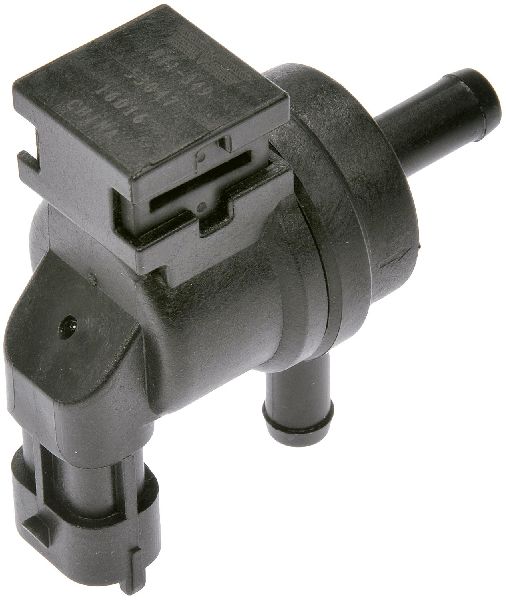
For the Hyundai Veloster, the component at fault is officially called the 'Canister Close Valve' (CCV). It functions as the vent valve for the EVAP system. Due to its location underneath the rear of the car, this valve is exposed to road debris and moisture, which can lead to corrosion and mechanical failure, causing it to stick open. While the code is generic, the specific part and its vulnerability are key to diagnosing this issue on a Veloster. A YouTube video by Kaleb Roberson specifically shows the replacement on a 2012 Veloster, highlighting its accessibility.
🎬 Watch this step-by-step Veloster vent valve replacement guideSymptoms You May Notice
- Check Engine Light is on
- A faint fuel or vapor odor, especially near the rear of the vehicle
- Difficulty starting the engine immediately after refueling (long crank time). 🎬 See how a stuck valve causes long crank times after fueling This happens because the stuck-open valve allows fuel vapors to flood the intake manifold after a fill-up.
- Failing a state emissions test
- No noticeable change in drivability under normal conditions.
- Replacing the gas cap. While a faulty gas cap can cause other EVAP codes (like P0455 or P0456), it is not a direct cause for P2421, which specifically points to the vent valve failing to close.
- Replacing the purge valve. The purge valve (located in the engine bay) is a different component. A faulty purge valve typically causes different codes (like P0441) and symptoms, though it can also cause long crank times after refueling.
Most Likely Causes
- Faulty Canister Close Valve (Vent Valve) 🔴 High Probability The valve is mounted under the vehicle near the rear driver's side wheel, exposing it to road salt, water, and debris, which can lead to internal corrosion and cause the solenoid or mechanical pintle to stick open.
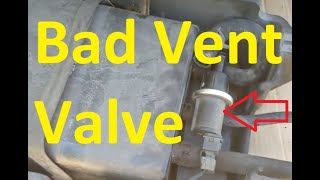
How to confirm: Using a bidirectional scan tool, command the vent valve (or CCV) to close. If the system still fails a pressure/vacuum test (or if you can hear/feel air passing through it), the valve is stuck. A smoke test will show smoke exiting the vent valve when it's commanded closed. You can also apply 12V directly to the valve's pins to listen for a 'click' indicating solenoid activation; no click suggests a failed solenoid. 🎬 Watch: How to test if your vent valve has failed A YouTube video demonstrates the location for a 2012 Veloster, showing it can be accessed by lifting the vehicle. The coil resistance should be between 19.5 and 22.5 Ohms.
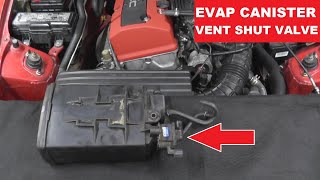
Typical fix: Replace the canister close valve. It is typically mounted on or near the charcoal canister assembly at the rear of the vehicle.
Est. part cost: $100-$170 - Wiring or Connector Issue 🟡 Medium Probability The wiring harness leading to the canister close valve is also located under the vehicle and is susceptible to damage from road debris, moisture, and corrosion.
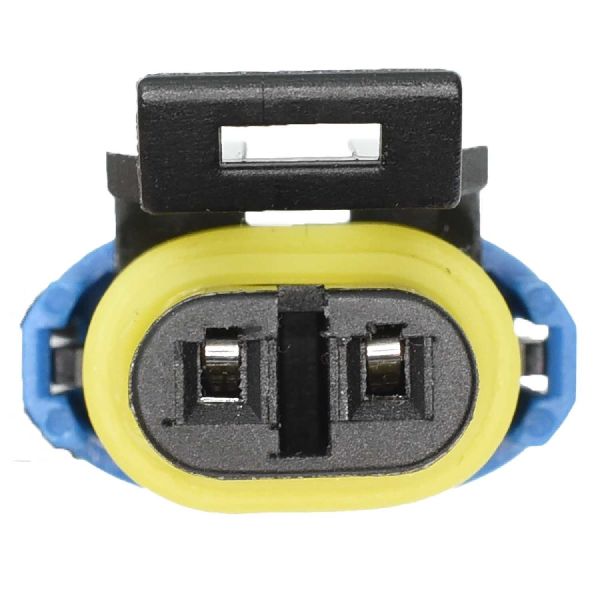
How to confirm: Visually inspect the wiring harness and connector for any signs of damage, corrosion, or loose pins. With the connector unplugged and ignition on, use a multimeter to check for 12V power and a good ground signal at the connector.
Typical fix: Repair the damaged section of wiring or replace the connector pigtail.
Est. part cost: $10-$40
Rare But Worth Checking
- Cracked Charcoal Canister: While this usually triggers other leak codes like P0455, a crack near the canister close valve's mounting point could physically prevent it from sealing or operating correctly. A visual inspection and smoke test are necessary for confirmation. Sometimes, overfilling the fuel tank can saturate the canister with liquid fuel, causing granules to break off and jam the vent valve open.
- Faulty Powertrain Control Module (PCM): This is extremely rare and should only be considered after all other possibilities (valve, wiring, canister) have been definitively ruled out. A specialist would need to test the PCM's driver circuit for the vent valve.
Diagnosis Steps
- Confirm the P2421 code is present using an OBD-II scanner.
- Visually inspect the canister close valve and its electrical connector at the rear of the vehicle for any obvious signs of damage or corrosion. On the Veloster, this is near the driver's side rear wheel.
- Using a bidirectional scan tool, command the canister close valve to close. Listen for an audible click from the valve.
- If a scan tool is unavailable, you can remove the valve and apply 12V and ground to its pins to test for a click. No click indicates a failed solenoid.
- Test the valve's coil resistance with a multimeter. It should be within the 19.5 - 22.5 Ohm range at room temperature. An infinite or zero reading confirms a failed coil.
- If the valve clicks but the code persists, perform a smoke test. With the valve commanded closed, introduce smoke into the EVAP system (e.g., through the service port). If smoke escapes from the vent valve's outlet, the valve is mechanically stuck open and must be replaced.
- If the valve does not click, check for power and ground at the connector with a multimeter. If power or ground is missing, trace the wiring back to find the break or short.
- If the valve and wiring test good, the issue could be a rare case of a cracked or fuel-saturated charcoal canister or a faulty PCM, which may require professional diagnosis.
Parts You'll Likely Need
- Canister Close Valve
(OEM #31430-1Y000)— This is the vent valve for the EVAP system. It is the component that fails in the vast majority of P2421 cases on this vehicle by getting stuck open. This part number is also used on other Hyundai and Kia vehicles.
Trusted brands: Hyundai (OEM), Dorman, Standard Motor Products
OEM price range: $115-$165
Aftermarket price range: $90-$120
Related Codes That Often Appear With This One
- P0455 — This code means 'EVAP System Gross Leak Detected'. A vent valve that is stuck wide open is a very large leak, so it's common for the system to detect this condition and log both codes simultaneously.
- P0449 — This code indicates an electrical circuit malfunction for the vent valve solenoid. If the problem is a wiring short, open circuit, or a failed solenoid coil, you may see P0449 alongside or instead of P2421.
Mechanic-Grade Diagnostic Values
- Canister Close Valve (CCV) Coil Resistance — expected: 19.5 - 22.5 Ω at 20°C (68°F). Failure: A reading outside this range, an infinite reading (open circuit), or a near-zero reading (short circuit) indicates a faulty valve coil.
- Canister Close Valve (CCV) Connector Power Supply Pin — expected: Battery Voltage (~12V) with Key On, Engine Off. Failure: 0V or significantly low voltage points to a blown fuse or an open in the power supply wire.
Scan Tool Commands That Help
- Hyundai GDS (Global Diagnostic System): Evap. Leakage Test — This is the OEM automated test procedure. The GDS commands the Canister Close Valve and Purge Control Solenoid Valve in sequence while monitoring the Fuel Tank Pressure Sensor to verify system integrity and valve function.
- Bidirectional Scan Tool (Advanced): EVAP Canister Vent Valve Command (ON/OFF) — To manually command the CCV closed (ON) to listen for an audible click, confirming the solenoid is activating. It is also used in conjunction with a smoke test to see if the valve is mechanically stuck open even when electrically commanded closed.
Wiring & Ground Locations
- Canister Close Valve (CCV) Connector — Behind the fuel tank, near the driver's side rear wheel. The connector plugs directly into the CCV, which is mounted to a bracket on or near the charcoal canister.. This connector and its wiring are exposed to road spray and debris, making them a common failure point due to corrosion or physical damage, which can cause an open or short in the CCV circuit.
- Ground Point Gf06 — General location is near the fuel tank / rear of the vehicle.. The CCV is controlled by the PCM by switching the ground side of the circuit. A poor chassis ground in this area could cause intermittent or faulty operation of the valve, leading to incorrect diagnostics.
OEM Part Supersession History
31430-1Y000→
Heads up: 31430-3X000 is often listed as a compatible interchange part number for some applications. Verify fitment with VIN before purchasing.
Diagnostic Flowchart
Other Known Issues on This Vehicle
Issues unrelated to this code that are worth knowing about as an owner of this generation:
- Connecting Rod Bearing Failure 🔴 High — Common enough to trigger recalls and warranty extensions. Can occur at various mileages, often noted between 60k-100k miles. (Ref: NHTSA Recall 19V204000; Hyundai extended the warranty to 15 years/150,000 miles for this issue. TSBs 22-EM-006H-1 and 21-EM-004H provide details.)
- Dual-Clutch Transmission (DCT) Problems 🟠 Medium — Frequently reported on 2012-2017 models, especially early in the generation. Symptoms include hesitation, shuddering, overheating, and premature clutch wear. (Ref: No specific recall, but numerous owner complaints. Problems can be exacerbated by driving style (e.g., stop-and-go traffic).)
- Excessive Oil Consumption 🟠 Medium — Reported on Gamma 1.6L GDI engines, often linked to piston ring wear. Owners should monitor oil levels closely. (Ref: Kia TSB ENG222 addresses oil consumption for Gamma engines, indicating it's a known issue in the engine family. Hyundai TSB 21-EM-003H provides inspection guidelines.)
- Knock Sensor Detection System (KSDS) Logic 🟡 Low — Not a failure, but a software update (Campaign 966) implemented by Hyundai to detect early signs of engine bearing wear. Can put the car into a 'limp mode' with a P1326 code if it detects abnormal vibrations. (Ref: Hyundai Service Campaign 966 / TSB 21-01-023H-4.)
- Panoramic Sunroof Breakage 🟠 Medium — Primarily affected 2012 models, where the sunroof could shatter spontaneously due to a manufacturing defect. (Ref: NHTSA Recall 12V568000.)
Used vs. New Parts: Buying Guide for This Vehicle
When a used part is the smart pick: Generally not recommended. The Canister Close Valve is a relatively low-cost electro-mechanical part that fails due to environmental exposure (road salt, moisture) and internal wear. A used part carries a high risk of premature failure. Only consider from a very low-mileage, dry-climate donor vehicle if a new part is unavailable.
Donor-vehicle mileage cap: roughly under 30000 miles for the part to have meaningful remaining life.
What to inspect on the donor part:
- Check for any corrosion on the electrical pins inside the connector.
- Ensure the plastic housing is not brittle, faded, or cracked.
- Verify the donor vehicle was from a dry, salt-free region to minimize risk of internal corrosion.
OEM-only on this vehicle (don't cheap out):
- While not strictly OEM-only, the genuine Hyundai/Kia valve is the most reliable option. Given the labor to access the part, avoiding a repeat repair for a few dollars is often the wisest choice.
Aftermarket brands forum-validated for this vehicle:
- Standard Motor Products (SMP)
- Dorman
Brands owners have reported issues with on this vehicle:
- Generic, unbranded parts from online marketplaces should be avoided due to inconsistent quality control and higher failure rates reported on forums.
Real Owner Stories
Aggregated from forums and TSBs cited above. Mileages and costs reflect what owners reported in those sources.
2012 Hyundai Veloster 1.6L
Symptoms: Owner demonstrated the location and replacement of a failed canister vent control valve that was causing EVAP issues.
What fixed it: Replacement of the canister close valve.
Source hint: YouTube: A video titled 'How to replace a canister vent control valve 2012 Hyundai veloster' by Kaleb Roberson
2012-2018 Hyundai Veloster 1.6L GDI
Symptoms: Long crank after getting fuel.
What fixed it: Identified a stuck open vent valve as the cause for fuel vapors flooding the intake.
Source hint: YouTube: A video titled 'p2421 long crank after getting fuel solved' by thomas brian
2012-2018 Hyundai Veloster 1.6L GDI
Symptoms: Long crank after fueling and intermittent EVAP codes.
What fixed it: The issue was traced to a stuck open EVAP VSV (Vapor Switching Valve).
Source hint: Reddit r/MechanicAdvice: A thread titled 'Long crank after fueling and intermittent EVAP codes. Bad canister?'
Related OBD-II Codes
Frequently Asked Questions
Where is the Canister Close Valve located on my 2012 Veloster?
Why does my Veloster have a long crank time only after I fill up the gas tank?
Is there a specific resistance spec I should check for the vent valve solenoid?
Can I use a used vent valve from a salvage yard to fix P2421?
Does the engine bearing recall (19V204000) have anything to do with my EVAP light?
What is the part number for the replacement Canister Close Valve?
Helpful Videos

Used OEM Parts in Stock
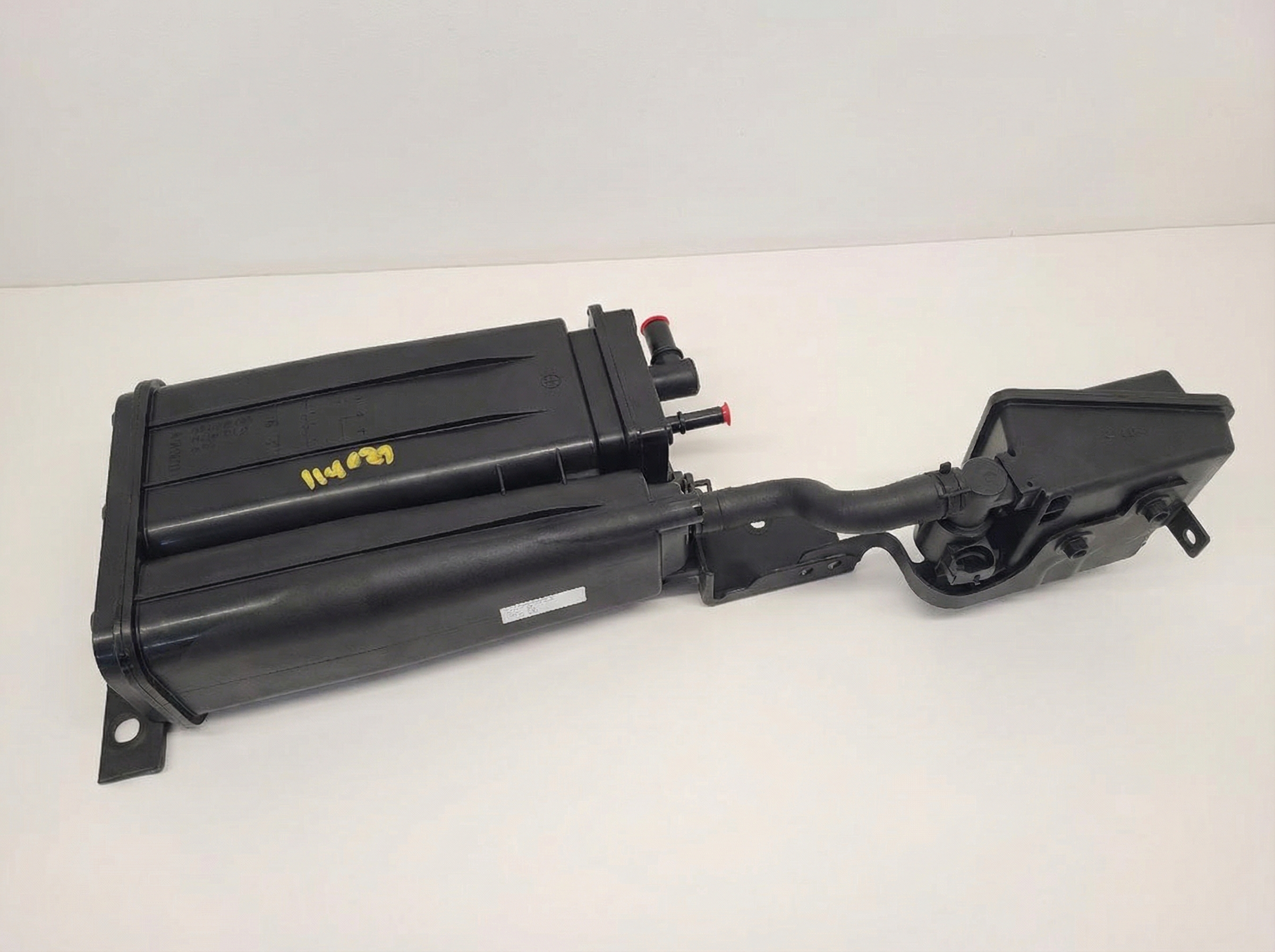
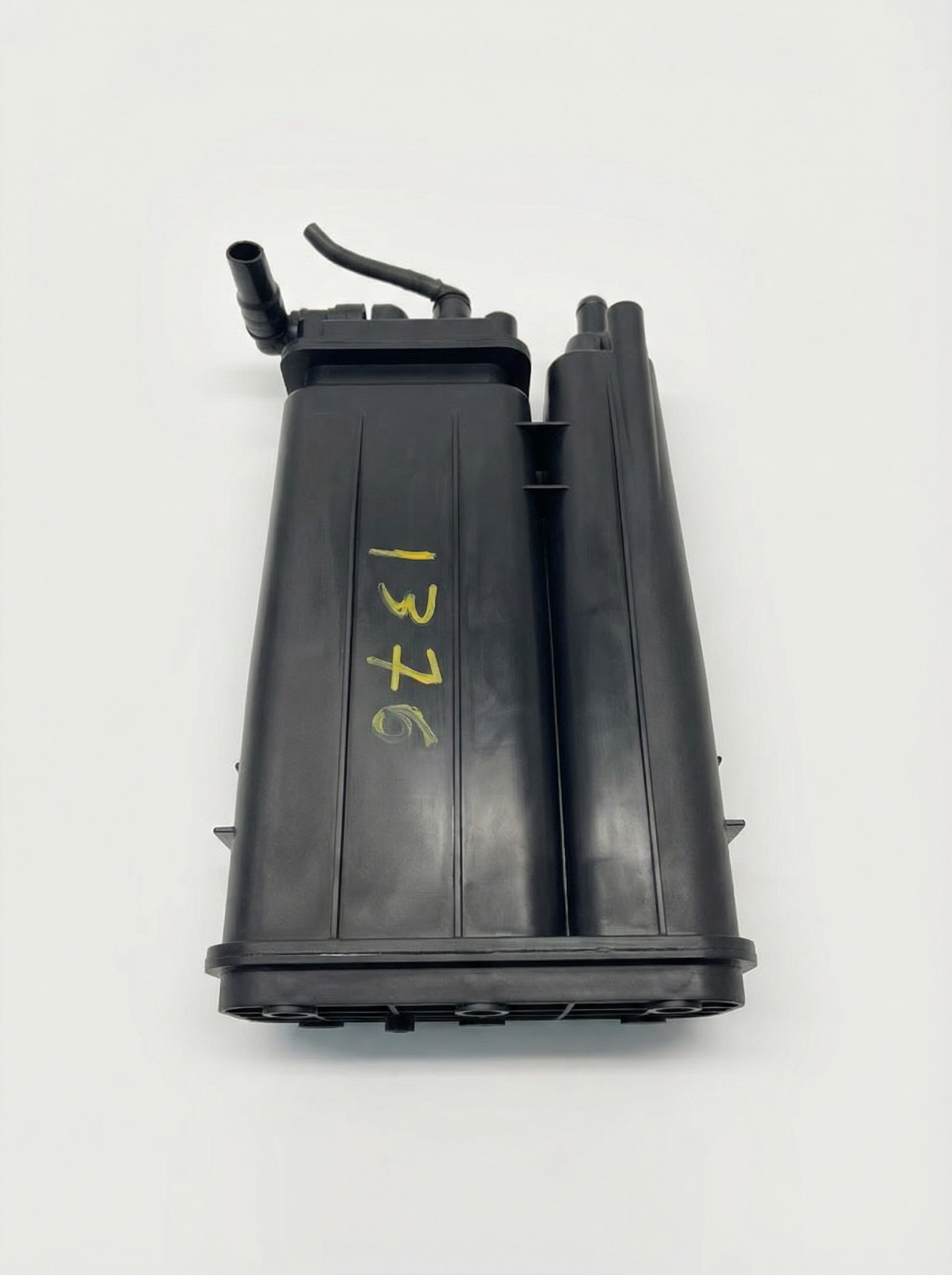
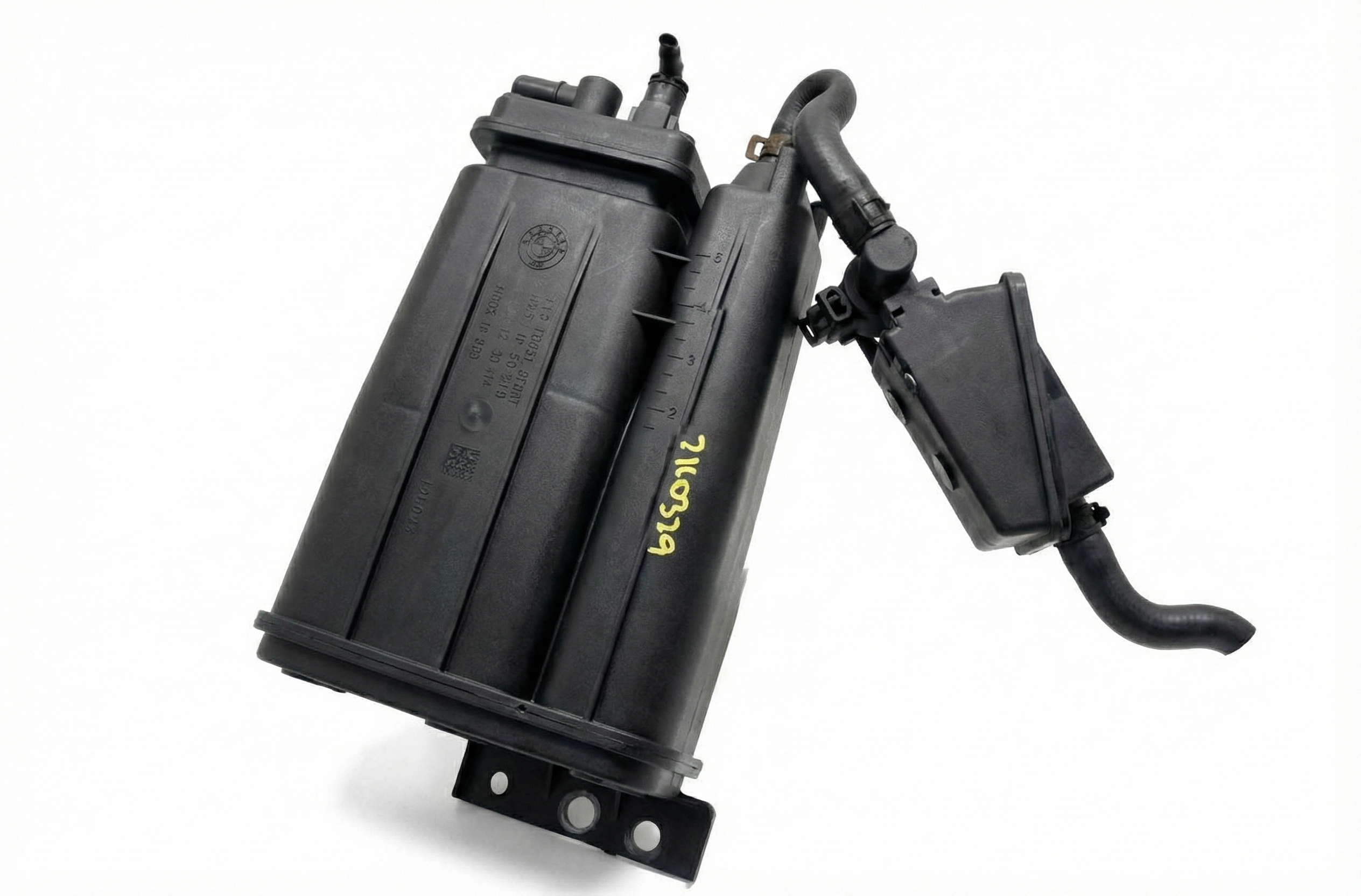
New Aftermarket Parts Available

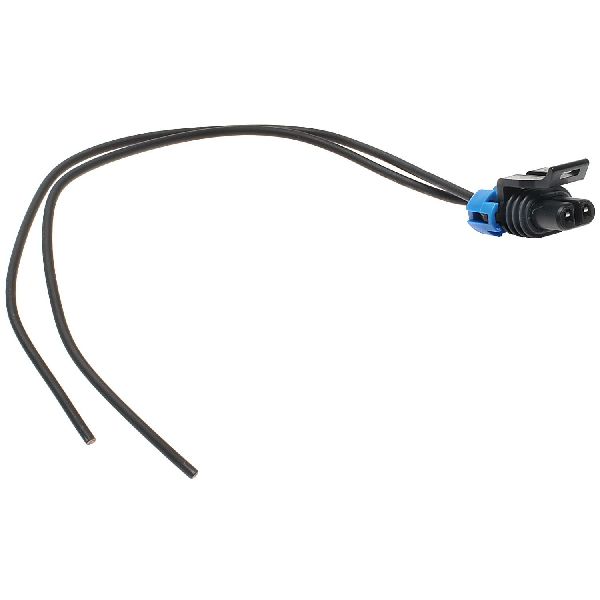

The information in this article is provided for general reference and educational purposes only. Vehicle specifications, procedures, and part compatibility can vary by production date, trim level, and region. Always consult your vehicle's factory service manual and verify part numbers before purchasing or performing repairs. Safety-critical components such as airbags, seat belts, and braking systems should be installed by a qualified professional.
- Hyundai Veloster:
- 🎬 Helpful Videos
- 🛍️ Shop This Part
- What's Unique About the 2012-2018 Hyundai Veloster
- Symptoms You May Notice
- Most Likely Causes
- Rare But Worth Checking
- Diagnosis Steps
- Parts You'll Likely Need
- Related Codes That Often Appear With This One
- Mechanic-Grade Diagnostic Values
- Scan Tool Commands That Help
- Wiring & Ground Locations
- OEM Part Supersession History
- Diagnostic Flowchart
- Other Known Issues on This Vehicle
- Used vs. New Parts: Buying Guide for This Vehicle
- Real Owner Stories
- 2012 Hyundai Veloster 1.6L
- 2012-2018 Hyundai Veloster 1.6L GDI
- 2012-2018 Hyundai Veloster 1.6L GDI
- Related OBD-II Codes
- Frequently Asked Questions
- 🎟️ Get 5% Off