

P2187 on 2006-2013 Land Rover Range Rover: Lean at Idle Causes & Fixes
P2187 on a 2006-2013 Range Rover almost always means there's a vacuum leak, causing the engine to run lean at idle. The most common culprit is a failed PCV valve diaphragm on the passenger-side valve cover. A simple check is to see if there's strong suction at the oil filler cap when the engine is running. Expect to pay $30-$80 for a DIY diaphragm kit or $200-$400 for a shop to diagnose and repair.
- P2187 on a 2006-2013 Range Rover means too much air is entering the engine at idle on the passenger side.
- The most likely cause by a wide margin is a torn PCV valve diaphragm located on the passenger-side valve cover.
- A smoke test is the most reliable way to confirm the exact location of the vacuum leak.
- Do not replace the oxygen sensor; it is doing its job by reporting the problem.
- A DIY replacement of the PCV diaphragm is an inexpensive and common fix for this code.
What's Unique About the 2006-2013 Land Rover RANGE ROVER

The P2187 code is notoriously common on Land Rover V8 engines from this era, largely due to the design of the Positive Crankcase Ventilation (PCV) system. The PCV system uses a rubber diaphragm that is integrated into the valve cover. Over time, this diaphragm is exposed to oil vapor and heat cycles, causing it to become brittle and tear. This creates a significant vacuum leak that the system cannot compensate for at idle. While other vacuum leaks can occur, the PCV diaphragm is the first place to check on these specific vehicles. A smoke test is the definitive way to confirm the leak source.
Diagnostic Flowchart

Tap your situation to follow the diagnostic path that matches what you're seeing on this vehicle.
Generation note: The 2006-2013 Range Rover (L322) had two distinct engine families. The 2006-2009 models used Jaguar-derived 4.4L and 4.2L Supercharged V8s. The 2010-2013 models used the new 5.0L V8 in naturally aspirated and supercharged forms. While the primary cause for P2187 is a torn PCV diaphragm across all these engines, the part numbers and repair procedures differ. For the 4.xL engines, the PCV valve is a separate component, while on the 5.0L engines, it is integrated into the valve cover. The same PCV diaphragm design is also used on the later 3.0L Supercharged V6 engines, which exhibit the same failure mode.
Symptoms You May Notice
- Check Engine Light is on.
- Rough, unstable, or high idle.
- Engine may stall when stopped or at low speeds.
- Loud hissing or whistling noise from the engine bay, especially near the passenger-side valve cover toward the firewall.
- Hesitation when accelerating from a stop.
- Poor fuel economy.
- Strong suction when trying to remove the oil filler cap while the engine is running, indicating high crankcase vacuum.
- Replacing the oxygen (O2) sensor. The O2 sensor is what correctly detects and reports the lean condition; it is almost never the cause of the problem. Replacing it will not fix the underlying vacuum leak.
Most Likely Causes

- Torn PCV Valve Diaphragm 🔴 High Probability The rubber diaphragm in the PCV system becomes brittle with heat and age, leading to tears. This is a very common failure point on Land Rover V8s, often failing around 60,000-80,000 miles. TSB SSM74374 directly points to the PCV system as a likely cause for air leaks triggering P2187 and P2189. 🎬 Watch: A real-world fix for these common lean codes.
How to confirm: With the engine running, a loud hissing or whistling sound may be audible from the PCV valve area on the passenger-side valve cover. A definitive DIY check is the 'oil filler cap test': with the engine idling, try to remove the oil cap. If there is very strong suction holding it down, the PCV diaphragm has likely failed. A professional smoke test is the ultimate confirmation method. The tear is often visibly cracked and broken upon removing the PCV cap.
Typical fix: For 5.0L engines, Land Rover's official fix is to replace the entire passenger-side valve cover. However, many owners successfully replace only the diaphragm, spring, and cap with an aftermarket kit. 🎬 See this walkthrough on replacing the PCV diaphragm. For 4.2L/4.4L engines, the PCV valve is a separate, replaceable assembly. The plastic tabs on the cap are fragile and often break during removal, so replacement caps are recommended.
Est. part cost: $30-$80 for a diaphragm kit, $100 for a 4.xL PCV assembly, $300-$500 for a new 5.0L valve cover. - Vacuum Leak from Hoses or Gaskets 🟡 Medium Probability The complex network of vacuum hoses and plastic components in the engine bay can become brittle and crack over time due to heat cycles. This includes the air intake ducts, throttle body gasket, and intake manifold gaskets.
How to confirm: Perform a smoke test on the intake system. Smoke will escape from any cracked hoses, intake manifold gaskets, or throttle body gaskets. Visually inspect all accessible hoses for cracks or loose connections.
Typical fix: Replace the specific hose or gasket that is found to be leaking.
Est. part cost: $20-$200 depending on the specific part. - Leaking Intake Manifold Gaskets ⚪ Low Probability
How to confirm: A smoke test is the most effective way to identify a leak at the intake manifold gasket. You can also carefully spray brake cleaner or an unlit propane torch near the gasket mating surfaces while monitoring engine RPM for changes; a change in RPM indicates a leak.
Typical fix: Replace the intake manifold gaskets.
Est. part cost: $50-$150
Rare But Worth Checking
- Dirty or Faulty Mass Airflow (MAF) Sensor: A dirty MAF sensor typically affects both engine banks, causing both P2187 and P2189. If you only have P2187, this is less likely. Cleaning the sensor with a dedicated MAF sensor cleaner is a simple and inexpensive diagnostic step.
- Leaking Fuel Injector O-rings: A deteriorated O-ring on a fuel injector in Bank 1 can allow unmetered air to enter the intake port, causing a lean condition on that specific cylinder. This is usually isolated with a smoke test.
- Exhaust Leak (Upstream of O2 Sensor): An exhaust leak between the cylinder head and the upstream O2 sensor can draw in outside air, causing the sensor to incorrectly read a lean condition.
- Leaking Brake Booster or Vacuum Hose: A leak in the brake booster diaphragm or the vacuum hose running to it can create a significant vacuum leak, leading to lean codes. This may be accompanied by a hissing sound when the brake pedal is pressed.
- Leaking Oil Filler Cap or Dipstick Tube O-ring: A worn or improperly seated oil filler cap or a cracked dipstick tube O-ring can introduce a small amount of unmetered air, contributing to a lean condition at idle.
Diagnosis Steps

- Read the trouble codes with an OBD-II scanner to confirm P2187 and check for any other related codes.
- Perform the 'oil filler cap test': With the engine idling, carefully try to remove the oil filler cap. If it is held on by strong suction and difficult to remove, a torn PCV diaphragm is highly likely.
- With the engine running at idle, listen carefully for any hissing or whistling sounds, paying close attention to the passenger-side valve cover where the PCV valve is located.
- The most effective diagnostic step is to perform a smoke test. Introduce smoke into the intake system via a vacuum port. The smoke will visibly escape from the source of the leak, 🎬 Watch: How to find and fix lean bank vacuum leaks. which is often the PCV valve itself.
- Check live data on your scanner. Look at the Short-Term Fuel Trim (STFT) and Long-Term Fuel Trim (LTFT) for Bank 1 at idle. High positive numbers (e.g., >15-20%) confirm the computer is adding a lot of fuel to compensate for a lean condition. If the trims return to normal when you raise the RPM, this strongly indicates a vacuum leak.
- If no vacuum leak is found, consider cleaning the MAF sensor with a dedicated cleaner.
- Inspect the brake booster vacuum line for cracks and listen for hissing near the brake pedal when it is depressed.
- If all else fails, investigate the fuel system for low pressure or leaking injectors on Bank 1.
Parts You'll Likely Need

- PCV Valve Diaphragm Repair Kit (5.0L Engines)
(OEM #LR133579 (Supersedes LR041443))— This is the most frequent cause of P2187 on the 5.0L engines due to the diaphragm tearing. Land Rover does not sell this kit, only the full valve cover, but aftermarket kits are widely available and used.
Trusted brands: RKX, URO Parts, Vaico
OEM price range: N/A
Aftermarket price range: $30-$50 - PCV Valve Assembly (4.2L/4.4L Engines)
(OEM #LR003380 (Replaces 4536843))— This is the complete PCV valve assembly for the earlier Jaguar-derived V8s. It is the most common failure point for lean codes on these engines.
Trusted brands: Land Rover (Genuine), Britpart, SKP
OEM price range: $90-$120
Aftermarket price range: $25-$70 - Valve Cover (Passenger Side, 5.0L Engines)
(OEM #LR109354)— This is the official Land Rover repair. Required if the aftermarket diaphragm replacement fails or if the internal baffling of the valve cover is damaged.
Trusted brands: Land Rover (Genuine)
OEM price range: $300-$500
Aftermarket price range: $200-$350
Related Codes That Often Appear With This One
- P2189 — This is the same code for Bank 2 (driver's side). If the vacuum leak is large enough to affect the entire engine (like a major PCV failure), both codes will often appear together.
- P0171 — This is a more general code for 'System Too Lean (Bank 1)'. P2187 is more specific, indicating the problem occurs at idle. They often point to the same root cause.
- P0507 — Stands for 'Idle Control System RPM Higher Than Expected'. A vacuum leak allows extra air in, which can cause the engine to idle higher than commanded by the computer.
Technical Service Bulletins (TSBs) & Recalls
- SSM74374 - Notes that P2187/P2189 can be stored in the PCM due to an air intake system leak, pointing towards the pressure control valve (PCV) and providing updated repair information to avoid replacing the entire valve cover.
- SFCC-14MAR19-Sli - Connects P2187 with fuel trims being at their limit at idle and a rough running engine, confirming the classic symptoms of a PCV-related vacuum leak.
Platform-Specific Known Issues
- A Technical Service Bulletin (TSB #SSM74374) directly links P2187 and P2189 to an air intake system leak and specifically mentions the pressure control valve (PCV) as the culprit.
Mechanic-Grade Diagnostic Values
- Long-Term Fuel Trim (LTFT) at Idle — expected: Between -10% and +10%. Failure: Sustained positive values greater than 10%, often maxing out around +25%, indicate the ECU is compensating for a vacuum leak.
- Short-Term Fuel Trim (STFT) at Idle — expected: Fluctuating near 0%. Failure: Consistently high positive numbers (e.g., >15-20%) while at idle, which then decrease toward normal when RPMs are raised above 1500, strongly suggests a vacuum leak.
- Low-Pressure Fuel System (5.0L V8) — expected: Approx. 105 PSI on key-on/cold start, dropping to a stable 79 PSI after warm-up.. Failure: Pressure dropping below 65 PSI after warm-up may indicate a weak low-pressure fuel pump.
- High-Pressure Fuel System at Idle (5.0L V8) — expected: 500-580 PSI at idle.. Failure: Significantly lower pressure at idle could indicate an issue with the high-pressure fuel pumps (HPFP).
- High-Pressure Fuel System Under Load (5.0L V8) — expected: Should rise to 1900-2200 PSI.. Failure: Failure for the pressure to rise under load indicates a failing HPFP or sensor issue.
Scan Tool Commands That Help
- JLR SDD, Autologic, or equivalent advanced scanner: Reset Fuel Trim Adaptations / Clear Adaptations — This function should be performed after replacing a component that caused a vacuum leak (like a PCV valve or gasket). It forces the Engine Control Module (ECM) to relearn the base fuel map immediately, rather than slowly adapting over time. Failing to do this may cause the vehicle to run poorly or throw rich/lean codes temporarily after the repair.
Wiring & Ground Locations
- Main Engine/Chassis Ground Strap — Located under the front right (passenger side) wheel arch, behind the plastic liner.. This is a primary ground path from the chassis to the body. Corrosion or breakage of this strap is a known issue on the L322 platform and can cause a wide range of difficult-to-diagnose electrical problems, including erratic sensor readings that could potentially contribute to fuel trim issues.
Real Owner Repair Stories
- YouTube user 'Tbart' (2016 Range Rover Sport (3.0L V6 Supercharged, same PCV design)) — Check Engine Light with codes P2187 and P2189.
❌ Tried (didn't work) Initial thought was an O2 sensor.
✅ What actually fixed it The vehicle was taken to an independent shop. A smoke test confirmed a leak, and the PCV valve diaphragm kit (cap and spring) was replaced, which resolved the codes. The repair cost was one hour of labor plus about $44 for the part. - YouTube user 'Motor City Mechanic' (2016 Range Rover HSE Sport) — P2187 and P2189, lean codes on both banks.
❌ Tried (didn't work) Another shop had misdiagnosed the issue, quoting a $3,000+ repair to replace both valve covers.
✅ What actually fixed it The technician identified the torn PCV diaphragm on the passenger side valve cover. The diaphragm was visibly broken. Replacing just the diaphragm fixed the issue. The technician also recommended an oil change because the engine had been running rich (adding fuel) for so long to compensate for the leak, potentially contaminating the oil. - Landroverworld.org forum user (2014 LR4 (V6SC, shares engine architecture)) — P2187 and P2189 codes, high revs on cold start (up to 3000 RPM), occasional misfire codes on one bank.
❌ Tried (didn't work) Owner's mechanic suspected low or high-pressure fuel pumps.
✅ What actually fixed it A dealer performed a smoke test and confirmed a vacuum leak from the passenger side valve cover breather (PCV). They replaced the entire valve cover (Part LR109354) under warranty, which resolved the lean codes.
"I Checked Everything" — The Actual Cause
- In some cases, a smoke test may not reveal the leak, especially if it's intermittent or small. One owner on Reddit reported their mechanic performed a smoke test that came back clean, even after replacing the PCV valve and throttle body to no avail. In such a scenario, the next diagnostic step recommended by experts is to re-verify the PCV installation and then closely monitor live O2 sensor data. While rare, it's possible for an upstream O2 sensor to become lazy or biased, falsely reporting a lean condition, though it is highly unusual for sensors on both banks (if P2189 is also present) to fail simultaneously.
OEM Part Supersession History
LR041443→LR113201, then LR187029— This part number originally referred to the entire valve cover assembly. It has been superseded multiple times by Land Rover.
Heads up: The number LR041443 is now commonly used by aftermarket manufacturers to refer to just the PCV diaphragm repair kit, not the full valve cover. It is critical to distinguish between the OEM valve cover and the aftermarket diaphragm kit.LR109354→LR188342— Standard part number evolution for the passenger side (RH) valve cover assembly for 5.0L and 3.0L engines.N/A (Aftermarket Kit)→LR133579— LR133579 is the most current OEM part number referenced for the PCV diaphragm kit, although Land Rover technically only sells the full valve cover assembly. This part number is widely used for ordering the correct aftermarket kit.
Model Year Variations Within This Range
- 2006-2009: These models with the 4.4L and 4.2L SC V8s use a separate, stand-alone PCV valve assembly (Part #LR003380) that is not integrated into the valve cover. While it can still fail and cause lean codes, the replacement part and procedure are different from the 5.0L engines.
- 2010-2013: These models with the 5.0L V8 (naturally aspirated and supercharged) have the PCV diaphragm integrated into the passenger-side valve cover. The official repair is replacing the entire cover, but widely available aftermarket diaphragm kits are the more common and cost-effective fix.
Helpful Videos
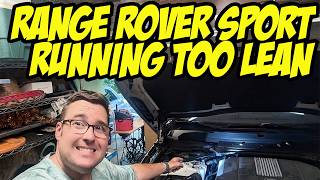

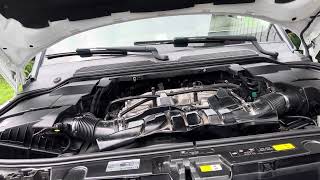
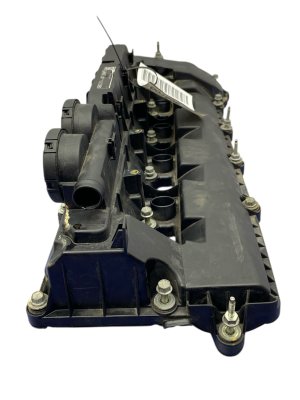
We Have This Part in Stock


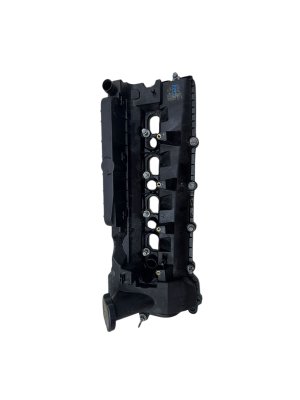
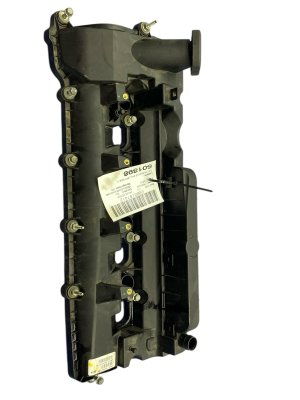

The information in this article is provided for general reference and educational purposes only. Vehicle specifications, procedures, and part compatibility can vary by production date, trim level, and region. Always consult your vehicle's factory service manual and verify part numbers before purchasing or performing repairs. Safety-critical components such as airbags, seat belts, and braking systems should be installed by a qualified professional.
- Land Rover RANGE ROVER:
- 🎬 Helpful Videos
- 🛍️ Shop This Part
- What's Unique About the 2006-2013 Land Rover RANGE ROVER
- Diagnostic Flowchart
- Symptoms You May Notice
- Most Likely Causes
- Rare But Worth Checking
- Diagnosis Steps
- Parts You'll Likely Need
- Related Codes That Often Appear With This One
- Technical Service Bulletins (TSBs) & Recalls
- Platform-Specific Known Issues
- Mechanic-Grade Diagnostic Values
- Scan Tool Commands That Help
- Wiring & Ground Locations
- Real Owner Repair Stories
- "I Checked Everything" — The Actual Cause
- OEM Part Supersession History
- Model Year Variations Within This Range
- 🎟️ Get 5% Off