

P2111 on 2011-2015 Kia Optima 2.4L: Throttle Stuck Open Causes & Fixes
On a 2011-2015 Kia Optima, P2111 means the electronic throttle body is stuck open, forcing the car into a low-power 'limp mode'. The most common fix is replacing the entire throttle body assembly (OEM Part No. 35100-2G700). While cleaning the heavy carbon buildup typical of this GDI engine is a recommended first step, owner experiences show this is often a temporary fix, with the code returning until the unit is replaced due to internal electronic or gear failure.
- P2111 on a 2011-2015 Optima triggers a 'limp mode' for safety and is most often caused by a faulty electronic throttle body.
- Before any repair, check for code P1326. This code indicates a severe engine defect that may be covered under an extended warranty, superseding the P2111 diagnosis.
- Cleaning the throttle body of carbon buildup is a valid first step, but if the problem persists, the entire throttle body assembly (P/N 35100-2G700) likely needs to be replaced.
- This is a DIY-friendly repair with a difficulty of 2/5, but a throttle relearn procedure is necessary after cleaning or replacement.
What's Unique About the 2011-2015 Kia Optima
The 2.4L Theta II GDI engine in this generation of Optima is notoriously prone to issues that cause this code. As a Gasoline Direct Injection (GDI) engine, it suffers from heavy carbon buildup on intake components because fuel is sprayed directly into the cylinder, not over the valves where it could act as a cleaning agent. This carbon can cause the throttle plate to physically stick. Furthermore, many owners report that even after a thorough cleaning, the code returns, indicating a high failure rate of the throttle body's internal electronics or plastic gears. This engine family was also subject to a major safety recall (SC147) and class-action lawsuit for catastrophic connecting rod bearing failure, highlighting a history of component and manufacturing issues.
Symptoms You May Notice
- Sudden and severe loss of engine power (Limp Mode)
- Check Engine Light illuminated
- Electronic Stability Control (ESC) light may also illuminate
- Vehicle will not accelerate past a low speed (e.g., 20-30 MPH)
- Engine RPM is limited (e.g., to 2,000 RPM)
- Rough or fluctuating idle
- Possible engine stalling or surging
- Delayed or unresponsive throttle pedal
- Replacing the Accelerator Pedal Position (APP) Sensor. A faulty APP sensor will typically set its own specific codes (like P2138) and is rarely the cause for P2111, which points specifically to a fault at the throttle body itself.
Most Likely Causes
- Faulty Electronic Throttle Body Assembly 🔴 High Probability The internal electronic motor, position sensors, or plastic gears within the assembly are a common failure point on this platform. The failure is often electronic, not just a result of being dirty. Multiple owner forums for the Optima and its sister vehicle, the Hyundai Sonata, report that cleaning provides only a temporary fix before replacement becomes necessary.
How to confirm: Use a scan tool to monitor commanded vs. actual throttle position; a discrepancy points to a faulty unit. You can also perform an actuation test with a capable scan tool to command the throttle plate to move; if it doesn't respond correctly, the motor is likely bad. Manually moving the plate (with ignition off) may reveal a lack of smooth spring-back action.
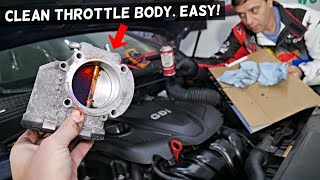
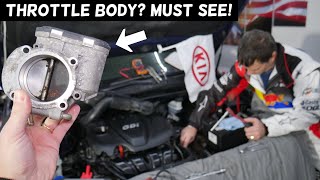
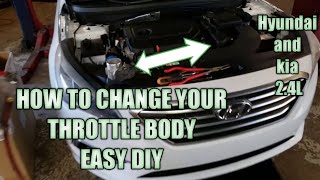
Typical fix: Replace the entire throttle body assembly. 🎬 See this walkthrough on how to remove and replace the unit. A relearn procedure is required after installation.
Est. part cost: $100-$500 - Dirty or Carbon-Clogged Throttle Body 🟡 Medium Probability The Theta II GDI engine design leads to significant carbon buildup in the intake system, which can physically restrict the throttle plate's movement, causing it to stick. This happens because fuel is not sprayed over the intake components, which would normally help keep them clean.
How to confirm: Remove the air intake hose and visually inspect the throttle plate and bore for thick, black, sticky carbon deposits. Gently push on the plate (with the ignition off) to feel for stickiness or binding.
Typical fix: Thoroughly clean the throttle body bore and plate with a dedicated throttle body cleaner and a soft cloth or brush. A relearn procedure should be performed after cleaning. Note: This is often a temporary fix on this platform.
Est. part cost: $10-$20 - Wiring or Connector Issue ⚪ Low Probability Engine vibration and heat can degrade the wiring harness or connector pins at the throttle body over time. The harness can also be damaged if it comes into contact with the radiator fan.
How to confirm: Visually inspect the throttle body connector and surrounding wires for signs of corrosion, loose pins, chafing, or heat damage. Wiggle the connector with the engine running to see if it induces a change in idle.
Typical fix: Clean the connector pins with contact cleaner. If the wiring or connector is damaged, a new pigtail may need to be spliced in.
Est. part cost: $15-$50
Rare But Worth Checking
- Faulty Powertrain Control Module (PCM): This is a rare cause. The PCM should only be considered after all other possibilities, including the throttle body and its wiring, have been definitively ruled out.
Diagnosis Steps
- Scan for all Diagnostic Trouble Codes (DTCs). Pay immediate attention to P1326. If present, stop diagnosis and contact a Kia dealer, as this indicates a severe engine problem that takes priority.
- Visually inspect the wiring harness and electrical connector at the throttle body for any damage, corrosion, or loose connections.
- Remove the air intake hose from the throttle body.
- With the ignition off, inspect the throttle bore and plate for heavy carbon buildup. Gently push the plate to check if it moves smoothly or feels sticky and binds.
- If significant carbon is present, clean the throttle body thoroughly using a dedicated cleaner and a soft cloth, ensuring not to spray cleaner directly on electrical components.
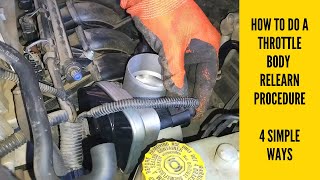
- After cleaning or replacement, perform a throttle relearn procedure. This can often be done by turning the ignition to 'ON' (without starting) for 10 seconds, then 'OFF' for 10 seconds, and then starting the vehicle. Some models may require a scan tool.
- If the code returns after cleaning, the throttle body assembly is almost certainly faulty and requires replacement.
- When replacing the throttle body, confirm the correct OEM part number (35100-2G700 or the updated 35100-2G710) and perform the relearn procedure again after installation.
Parts You'll Likely Need
- Electronic Throttle Body Assembly
(OEM #35100-2G700)— This is the most common failure point for a P2111 code on this vehicle. The failure is typically internal to the electronic motor or sensors, which are integrated into the assembly. Owner experiences confirm that replacement is often the only permanent solution.
Trusted brands: Kia (OEM), Hyundai (OEM), Bosch, Cardone (Remanufactured), Hitachi
OEM price range: $350-$500
Aftermarket price range: $100-$250
Related Codes That Often Appear With This One
- P2110 — This code, 'Throttle Actuator Control System - Forced Limited RPM,' is a direct result of the P2111 fault. It confirms the PCM has successfully put the engine into 'limp mode' as a safety response.
- P2118 — This code points to a performance or current range issue with the throttle actuator's internal motor. It often appears with P2111 if the motor is failing electrically or struggling against a physical obstruction like carbon.
- P1326 — This code is for the Knock Sensor Detection System and is directly related to the major engine bearing defect on the Theta II engine. If limp mode occurs, this code MUST be checked for first, as it indicates a potential catastrophic engine failure and may be covered under Kia's extended engine warranty or recall SC147.
Technical Service Bulletins (TSBs) & Recalls
- Hyundai, the engine manufacturer, issued TSB 13-FL-002 for the sister vehicle (Sonata) which specifically advises technicians to clean the throttle body before replacement to address codes like P2111, acknowledging the carbon buildup problem.
- While no specific Kia TSB for P2111 was found, Kia Safety Recall Campaign SC147 addresses the widespread Theta II engine failures. This recall involves inspecting the engine and installing a Knock Sensor Detection System (KSDS) to prevent catastrophic failure, which often presents as limp mode.
Platform-Specific Known Issues
- The 2.4L Theta II GDI engine is subject to a class-action lawsuit and Safety Recall SC147 for connecting rod bearing failure, which can cause engine seizure. A primary symptom is limp mode accompanied by code P1326.
- As a GDI engine, these vehicles are highly susceptible to carbon buildup on intake components, including the throttle body, which is a direct cause of the P2111 code.
- The NHTSA owner complaint ODI #10543442 for a Kia Sorento with the same engine family documents a P2111 code caused by a throttle actuator failure, which was fixed by replacing the actuator and performing an ECM software upgrade, suggesting a known issue addressed by dealers.
Mechanic-Grade Diagnostic Values
- Throttle Position Sensor (TPS) Signal Voltage — expected: Approx. 0.5V at closed throttle, sweeping smoothly to approx. 4.5V at wide-open throttle (Key On, Engine Off).. Failure: Voltage is stuck, does not change with pedal input, or has dead spots in the sweep.
- ECM 5V Reference at TPS Connector — expected: 4.75V – 5.25V with key on, engine off.. Failure: Voltage is significantly lower or higher, indicating a PCM or wiring issue, not a faulty throttle body.
- TPS Ground Circuit at Connector — expected: Less than 0.2V.. Failure: Voltage significantly above 0.2V indicates a poor ground connection in the harness or at the PCM.
- TPS Internal Resistance (Sensor Disconnected) — expected: 3.5 kOhm - 6.5 kOhm between the power and ground terminals.. Failure: Resistance is outside of this specified range.
- Live Data: Throttle Position Angle (Scan Tool) — expected: At idle (key on, engine off), the position should be low, around 5-15%. At wide-open throttle, it should read high, around 80-95%.. Failure: A reading that is stuck high (e.g., above 20% at idle) or does not correspond to pedal input confirms the fault.
Scan Tool Commands That Help
- Kia GDS (Global Diagnostic System): Actuation Test: Electronic Throttle Control (ETC) Motor — This is the definitive test to confirm a failed throttle body. With the key on and engine off, this command forces the throttle plate to open and close, verifying if the motor and gears are physically capable of moving or have failed.
- Kia GDS (Global Diagnostic System): Special Function: Throttle Replacement / Reset Adaptive Values — This is a required step after installing a new throttle body. It clears the PCM's learned values for the old, failing part and calibrates it to the new one to ensure correct idle and throttle response.
Wiring & Ground Locations
- Throttle Body Connector — The 6-pin electrical connector plugged directly into the electronic throttle body assembly at the front of the engine.. This is the primary connection point for all power, ground, and signal wires for the throttle motor and position sensors. Damage, corrosion, or loose pins in this connector will directly cause throttle control faults.
- Main Engine Ground Strap — Connects the engine block or cylinder head to the vehicle's chassis, often near the battery or starter.. A corroded, loose, or broken main engine ground can cause unstable voltages and floating grounds for all engine sensors, including the electronic throttle body, leading to erratic behavior and fault codes.
Real Owner Repair Stories
- Reddit r/MechanicAdvice (2013 Kia Optima 2.4L) — Vehicle suddenly entered limp mode with Check Engine Light on and code P2111.
❌ Tried (didn't work) Thoroughly cleaning the throttle body.
✅ What actually fixed it The issue was resolved by replacing the entire throttle body assembly with a new aftermarket unit and performing a battery-disconnect relearn procedure. - hyundai-forums.com (2011-2014 Hyundai Sonata 2.4L GDI (sister vehicle with identical powertrain)) — P2111 and P2110 codes present, vehicle in limp mode.
❌ Tried (didn't work) Cleaning the throttle body.
✅ What actually fixed it Forum consensus indicates cleaning provides only a temporary solution at best, and a permanent fix was achieved by replacing the entire throttle body assembly.
OEM Part Supersession History
35100-2G700→35100-2G710— Internal revision by the manufacturer, likely to improve reliability.
Heads up: While the original part number will fit, it is always recommended to use the latest revision (35100-2G710) when replacing the part to benefit from any improvements.
Model Year Variations Within This Range
- 2011-2015: The third generation Optima received a facelift for the 2014-2015 model years. While the throttle body part number remained consistent, there were potential wiring harness routing changes. The engine ground wiring assembly has different part numbers for early (2011-2013) vs. late (2014-2015) models, which could be relevant when diagnosing ground issues.
Diagnostic Flowchart
Other Known Issues on This Vehicle
Issues unrelated to this code that are worth knowing about as an owner of this generation:
- Catastrophic Engine Failure (Rod Bearing) 🔴 High — Widespread across the Theta II engine family, leading to a class-action lawsuit and recalls. Can occur at various mileages, often under 100k miles. (Ref: Recall SC147 / NHTSA 17V-226)
- Excessive Oil Consumption 🔴 High — Very common. Many owners report consuming a quart of oil every 1,000 miles or less. It is often a precursor to engine failure. (Ref: Kia TSB ENG222 (Oil Consumption Test))
- Worn Steering Motor Coupler 🟠 Medium — Extremely common. The flexible rubber coupler in the electronic power steering motor disintegrates, causing a clicking or clunking noise in the steering column when turning.
- Intake Valve Carbon Buildup 🟠 Medium — Inevitable on GDI engines. Typically requires cleaning between 60,000 and 100,000 miles to resolve misfires (P0300), rough idle, and power loss.
- Cracked Low-Pressure Fuel Hose 🔴 High — Common on 2013-2014 models. The hose from the fuel tank can crack due to engine heat, causing a fuel leak and significant fire risk. (Ref: Recall 18V907000)
Used vs. New Parts: Buying Guide for This Vehicle
When a used part is the smart pick: A used throttle body is a high-risk choice for this vehicle due to the common internal electronic failures that are not visible. It should only be considered for a temporary, budget-constrained repair, not a long-term solution, as the failure rate is high.
Donor-vehicle mileage cap: roughly under 50000 miles for the part to have meaningful remaining life.
What to inspect on the donor part:
- Verify the donor vehicle's mileage is as low as possible.
- With the part off the car, manually move the throttle plate to ensure it moves smoothly without any binding or sticking.
- Inspect the electrical connector for any bent, corroded, or damaged pins.
- A used part cannot be tested for electronic integrity before installation, making it an inherent gamble.
Aftermarket brands forum-validated for this vehicle:
- Bosch
Real Owner Stories
Aggregated from forums and TSBs cited above. Mileages and costs reflect what owners reported in those sources.
2013 Kia Optima 2.4L
Symptoms: Sudden limp mode with P2111. The owner attempted to clean the throttle body, but the issue persisted.
What fixed it: Complete replacement of the throttle body assembly.
Source hint: Reddit r/MechanicAdvice - '2013 Kia Optima 2.4L'
2011-2014 Hyundai Sonata 2.4L GDI
Symptoms: P2111 and P2110 codes. Owners discussed that cleaning the unit provided only a short-term solution.
What fixed it: Full replacement of the throttle body was determined to be the only long-term fix.
Source hint: hyundai-forums.com - '2011-2014 Hyundai Sonata 2.4L GDI'
2012-2015 Kia Sorento 2.4L GDI
Symptoms: Throttle actuator failure resulting in a P2111 code.
What fixed it: Replacement of the throttle actuator and an ECM software upgrade performed by the dealer.
Source hint: NHTSA owner complaint ODI #10543442
Related OBD-II Codes
Frequently Asked Questions
My 2013 Kia Optima 2.4L went into limp mode with code P2111. Should I check for other codes first?
Can I just clean the throttle body on my 2012 Optima to fix P2111?
What is the correct replacement part number for the throttle body on a 2.4L Theta II GDI?
Is there a specific relearn procedure I need to do after replacing the throttle body?
Does the Kia engine recall SC147 cover P2111?
Why does my Optima's GDI engine keep getting carbon buildup in the throttle body?
Helpful Videos
Used OEM Parts in Stock
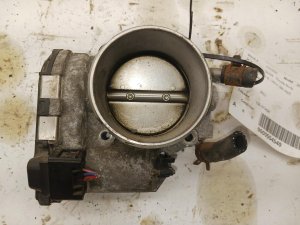
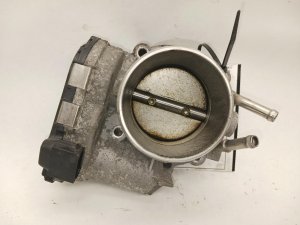


New Aftermarket Parts Available
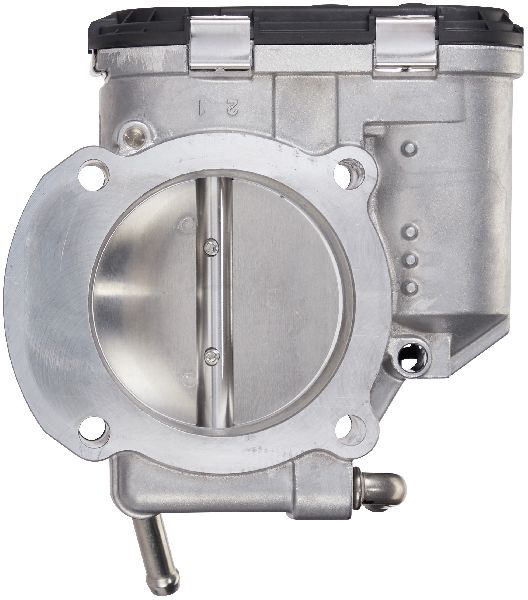

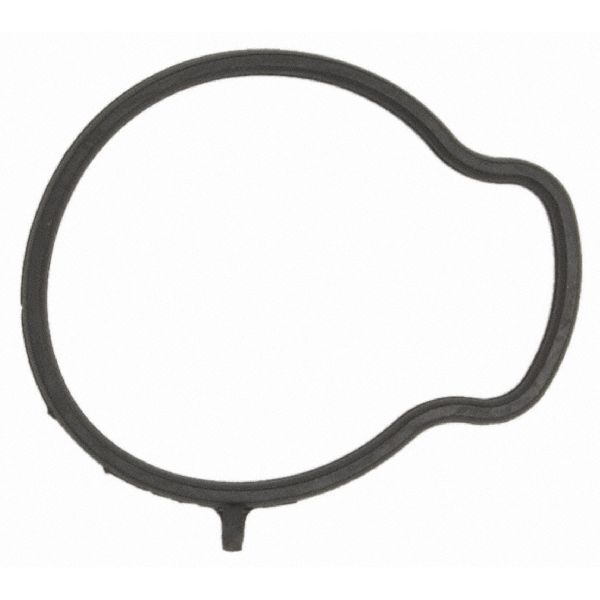

The information in this article is provided for general reference and educational purposes only. Vehicle specifications, procedures, and part compatibility can vary by production date, trim level, and region. Always consult your vehicle's factory service manual and verify part numbers before purchasing or performing repairs. Safety-critical components such as airbags, seat belts, and braking systems should be installed by a qualified professional.
- Kia Optima:
- 🎬 Helpful Videos
- 🛍️ Shop This Part
- What's Unique About the 2011-2015 Kia Optima
- Symptoms You May Notice
- Most Likely Causes
- Rare But Worth Checking
- Diagnosis Steps
- Parts You'll Likely Need
- Related Codes That Often Appear With This One
- Technical Service Bulletins (TSBs) & Recalls
- Platform-Specific Known Issues
- Mechanic-Grade Diagnostic Values
- Scan Tool Commands That Help
- Wiring & Ground Locations
- Real Owner Repair Stories
- OEM Part Supersession History
- Model Year Variations Within This Range
- Diagnostic Flowchart
- Other Known Issues on This Vehicle
- Used vs. New Parts: Buying Guide for This Vehicle
- Real Owner Stories
- 2013 Kia Optima 2.4L
- 2011-2014 Hyundai Sonata 2.4L GDI
- 2012-2015 Kia Sorento 2.4L GDI
- Related OBD-II Codes
- Frequently Asked Questions
- 🎟️ Get 5% Off