

P2099 on 2011-2018 Ram 1500 5.7L HEMI: Causes and Fixes for Rich Fuel Trim
On a 2011-2018 Ram 1500 with the 5.7L HEMI, code P2099 is most often caused by an exhaust leak from broken manifold bolts on the driver's side. Listen for a 'ticking' noise on a cold start before replacing any parts. Other common causes are a faulty downstream oxygen sensor or the need for a PCM software update per TSB 18-103-16 REV. B for 2013-2015 models.
- Before buying any parts, listen for a 'ticking' noise from the driver's side of the engine when cold. This strongly indicates an exhaust leak from a broken manifold bolt, the most common cause for P2099 on this truck.
- Do not automatically replace the O2 sensor. It is often doing its job correctly by reporting a condition caused by an exhaust leak or a software glitch.
- Check with a Ram dealer to see if your truck's software needs an update, as a PCM reflash is a known fix for this code on certain model years.
- Ignoring this code can lead to reduced fuel economy and will eventually damage the expensive catalytic converter.
What's Unique About the 2011-2018 Ram 1500
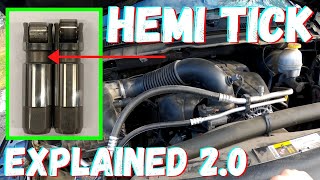
For the 4th generation Ram 1500 with the 5.7L HEMI, this code is very frequently linked to a specific, well-documented issue: broken exhaust manifold bolts. The constant expansion and contraction of the heavy cast iron manifolds cause the rearmost steel bolts to shear off, creating an exhaust leak. This leak, often audible as a "HEMI tick" 🎬 Watch: A detailed explanation of the HEMI tick cause when the engine is cold, allows unmetered air into the exhaust. Paradoxically, this extra air cools the exhaust gases, causing the downstream O2 sensor to read a false rich condition, which triggers the P2099 code. Additionally, Chrysler issued TSBs for some model years indicating the PCM software was too sensitive and required an update to fix false P2099 codes.
Symptoms You May Notice
- Check Engine Light is on
- Decreased fuel economy
- Audible 'ticking' noise from the driver's side engine bay, especially when cold
- Smell of unburnt fuel or rich exhaust
- Rough idle or poor acceleration
- Black smoke from the exhaust, particularly on startup
- Replacing the oxygen sensor without first checking for exhaust leaks or available software updates. An exhaust leak is the most common cause on these trucks, and a new sensor will not fix it.
- Replacing the catalytic converter. The P2099 code indicates a problem with the air/fuel mixture reported *after* the converter; it is almost never the converter's fault.
Most Likely Causes
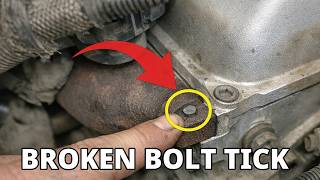
- Exhaust Leak (Broken Manifold Bolts) 🔴 High Probability The 5.7L HEMI engine is notorious for thermal stress causing the rear exhaust manifold bolts to snap, creating a leak at the gasket. This is a widely documented issue on owner forums.
How to confirm: Listen for a distinct ticking noise from the driver's side wheel well that is loudest on a cold start and may quiet down as the engine warms up. 🎬 See how the ticking sound changes as the engine warms Visually inspect for black soot trails near the rearmost cylinder's exhaust port on the driver's side. A smoke test of the exhaust system provides definitive proof.
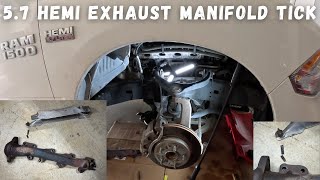
Typical fix: Replace the broken exhaust manifold bolts and the manifold gasket. It is often recommended to replace the manifold itself if it has warped. 🎬 Watch this step-by-step guide to repairing the manifold leak Due to the frequency of this issue, many owners opt for aftermarket bolt kits made from higher-grade materials.
Est. part cost: $40-$350 - Faulty Downstream Oxygen Sensor (Bank 2, Sensor 2) 🟡 Medium Probability
How to confirm: Use a scan tool to monitor the live data voltage for the Bank 2, Sensor 2 O2 sensor. A healthy downstream sensor should show a relatively steady voltage between 0.5V and 0.9V on a warm, idling engine. If it's stuck high (above 0.8V) or fluctuating rapidly like an upstream sensor, it's likely faulty. A definitive test is to swap the downstream sensors between Bank 1 and Bank 2. If the code changes to P2097 (Bank 1 rich), the sensor is bad.
Typical fix: Replace the Bank 2, Sensor 2 oxygen sensor, located on the driver's side after the catalytic converter.
Est. part cost: $40-$110 - PCM Software Update Needed 🟡 Medium Probability Chrysler released TSB 18-103-16 REV. B for 2013-2015 Ram 1500s with the 5.7L engine because the original PCM software was too sensitive and could falsely trigger P2099 and other fuel trim codes. Manufacturer Bulletin #18-077-14 also notes that a PCM update can address "Downstream Fuel Trim System 2 Rich" (P2099) while improving scan tool accuracy for cylinder imbalance.
How to confirm: A dealership or a properly equipped independent shop can use wiTECH software to check your vehicle's VIN against the TSB database to see if a software update is available and required.
Typical fix: Reprogram the Powertrain Control Module (PCM) with the updated software. This must be done by a dealer or qualified shop with a tool like wiTECH.
Est. part cost: $0-$250 - Leaking Fuel Injector(s) on Bank 2 ⚪ Low Probability
How to confirm: Pull the spark plugs on Bank 2 (driver's side cylinders: 2, 4, 6, 8). If one or more are wet with fuel or covered in black, sooty deposits, it points to a leaking injector in that cylinder.
Typical fix: Replace the faulty fuel injector(s).
Est. part cost: $50-$150 per injector
Rare But Worth Checking
- Clogged or Failing Catalytic Converter: This is very rare. The P2099 code is almost never caused by the converter itself. However, a long-term rich condition that is ignored *can* eventually damage the converter, leading to other codes like P0430.
- Faulty Upstream Oxygen Sensor (Bank 2, Sensor 1): A failing upstream O2 sensor can send incorrect data to the PCM, causing it to create an actual rich condition that the downstream sensor then correctly reports. This is less common than a downstream sensor failure for this specific code.
- High Fuel Pressure: A failing fuel pressure regulator can cause high fuel pressure across the entire system. This would typically set codes for both banks (P2097 and P2099), but it's possible for it to appear on one bank first.
Diagnosis Steps
- Read all fault codes with an OBD-II scanner. Note any other codes present, especially misfires on Bank 2 or fuel trim codes for Bank 1.
- Check for Technical Service Bulletins (TSBs) for your specific VIN. A PCM update as per TSB 18-103-16 REV. B (for 2013-2015 models) or TSB 18-066-16 (for 2010-2011 models) may be the required fix and should be investigated early. Manufacturer Bulletin #1810316 also confirms that software updates address P2099 and improve Mode 6 accuracy for cylinder imbalance.
- Perform a thorough visual and audible inspection of the exhaust system on Bank 2 (driver's side), especially when the engine is cold. Listen for a 'ticking' noise near the manifold. Look for soot trails near the manifold-to-head connection, especially at the rearmost cylinder.
- If an exhaust leak is suspected, confirm it with a smoke test. Pressurize the exhaust system to no more than 4 PSI and apply a soapy water solution to manifold joints and gaskets, looking for bubbles.
- If no leaks are found, use a scan tool to observe live data. Warm up the engine and monitor the voltage of the Bank 2 Sensor 2 (downstream) oxygen sensor. It should be relatively stable between 0.5V and 0.9V. If it's stuck high (above ~0.8V), it indicates a rich condition or a bad sensor.
- To confirm a bad sensor, swap the downstream O2 sensors from Bank 1 and Bank 2. Clear the codes and drive. If the code returns as P2097 (Bank 1 Rich), the sensor is confirmed to be faulty.
- If exhaust and sensors are good, inspect the spark plugs on Bank 2 for signs of a rich condition (black soot), which could point to leaking fuel injectors.
- As a final step, check fuel pressure and inspect for vacuum leaks, although these are less common causes for a single-bank code.
Parts You'll Likely Need
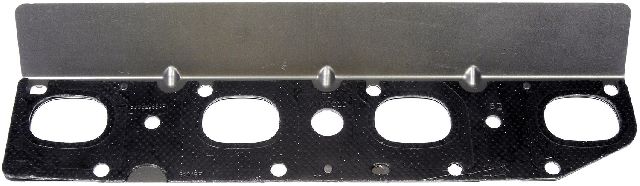
- Exhaust Manifold Gasket and Bolt Kit
(OEM #06507746AA (Bolt), 6510140AA (Bolt))— This is the most common fix due to the high frequency of broken exhaust manifold bolts on the 5.7L HEMI engine causing leaks. Aftermarket kits are widely available and popular.
Trusted brands: Mopar, Fel-Pro, Dorman (e.g., HELP! kits)
OEM price range: $50-$100
Aftermarket price range: $25-$60 - Downstream Oxygen Sensor (Bank 2, Sensor 2)
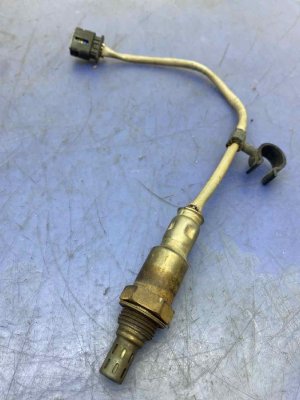
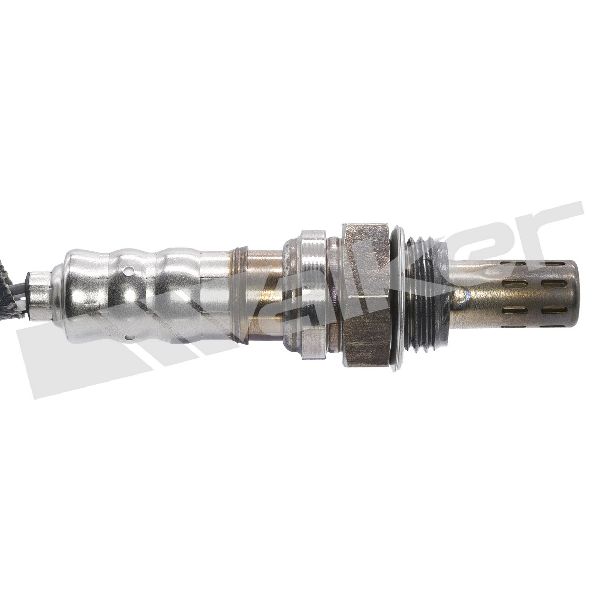
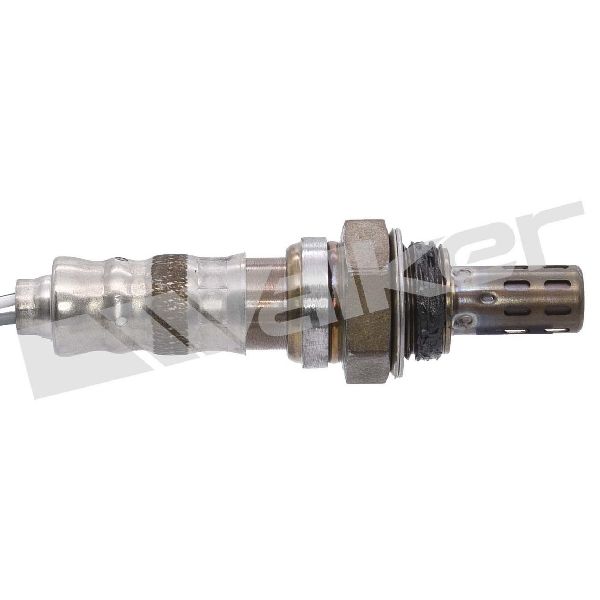
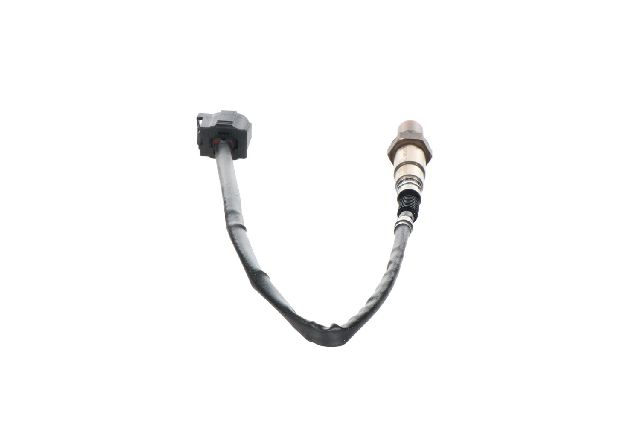
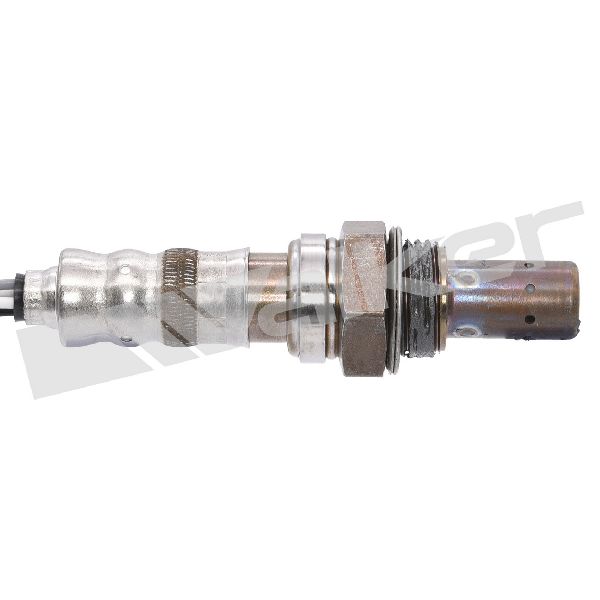
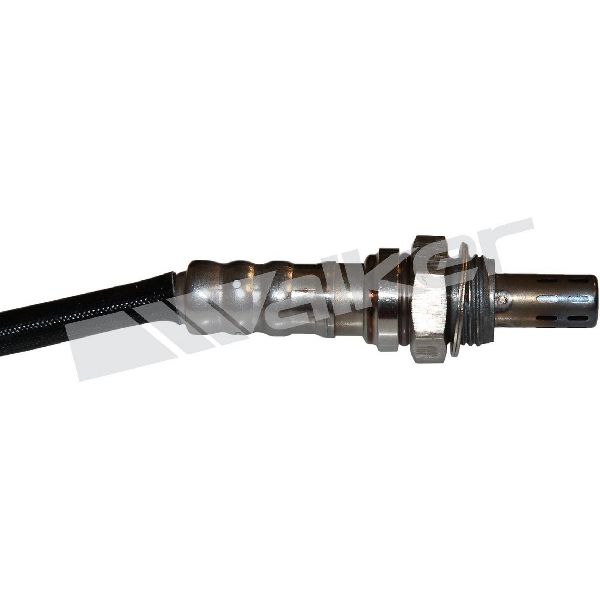
(OEM #56029049AA)— If the sensor itself has failed and is sending a false rich signal, it will need to be replaced. This should only be done after ruling out exhaust leaks and software issues.
Trusted brands: Mopar, Denso, Bosch, NTK
OEM price range: $80-$120
Aftermarket price range: $40-$70
Related Codes That Often Appear With This One
- P2097 — This is the equivalent rich code for Bank 1 (passenger side). If both codes are present, it suggests a problem affecting the entire engine, such as a fuel pressure issue or a faulty MAP sensor.
- P0300, P0302, P0304, P0306, P0308 — These are misfire codes for Bank 2 cylinders. A severe rich condition from a leaking injector can cause misfires on that bank.
- P2098 — This is the 'Too Lean' code for Bank 2. Seeing this code appear intermittently with P2099 can sometimes point to a very erratic sensor or a wiring issue causing inconsistent readings.
Technical Service Bulletins (TSBs) & Recalls
- TSB 18-103-16 REV. B: Applies to 2013-2015 Ram 1500s with 3.6L, 4.7L, or 5.7L engines. Involves reprogramming the PCM to correct false MIL illumination for a list of codes including P2099, P2097, P2098, and P2096.
- TSB 18-066-16: Applies to 2010-2011 Ram 1500s with the 5.7L engine and addresses false fuel trim codes, including P2099, with a PCM software update.
- Bulletin #18-077-14: Specifically addresses the Downstream Fuel Trim System 2 Rich (P2099) condition for 2013 models, noting that a PCM update improves scan tool accuracy for cylinder imbalance.
- Bulletin #1810316: A manufacturer service bulletin dated 2016-09-08 that identifies P2099 as a code requiring a PCM update to prevent false illumination, while also addressing EVAP system small leaks (P0456).
Platform-Specific Known Issues
- The 5.7L HEMI engine is widely known for breaking the rear exhaust manifold bolts, causing a leak that is a primary trigger for P2099. This is often called the 'Hemi tick'.
- A PCM software update is a documented fix per TSBs like 18-103-16 REV. B for 2013-2015 models to correct overly sensitive fuel trim monitoring.
Mechanic-Grade Diagnostic Values
- Fuel Pressure (Key On, Engine Off) — expected: 58 psi +/- 5 psi. Failure: Pressure significantly below 50 PSI, or pressure that bleeds off quickly, can indicate a weak fuel pump or leaking injector.
- Downstream O2 Sensor (Bank 2, Sensor 2) Voltage — expected: Relatively stable between 0.5V and 0.9V at idle on a warm engine.. Failure: Voltage is stuck high (consistently >0.8V) or fluctuates rapidly like an upstream sensor (0.1V-0.9V).
- O2 Sensor Heater Element Resistance — expected: Between 10 and 25 Ohms when the sensor is cool.. Failure: An infinite reading (open circuit) or zero Ohms (short circuit) indicates a failed heater element.
- Long Term Fuel Trim (Bank 2) — expected: Close to 0%, ideally within +/- 5%.. Failure: A strong negative number (e.g., -15% or more) shows the PCM is actively removing fuel to compensate for a perceived rich condition.
Scan Tool Commands That Help
- wiTECH or equivalent professional scan tool: O2 Sensor Heater Test — To verify the integrity of the oxygen sensor's internal heater circuit. This helps differentiate a sensor failure from a wiring or PCM issue before replacing the sensor.
- wiTECH or equivalent professional scan tool: Fuel Pressure Leak Down Test — To diagnose a potentially leaking fuel injector after spark plugs on Bank 2 show signs of being fuel-fouled. This command pressurizes the system and monitors for a drop in pressure.
- wiTECH or equivalent professional scan tool: Review Freeze Frame Data — This is a primary step to see the specific engine conditions (temperature, speed, load) under which the P2099 code was set. This data is critical for replicating the fault during a test drive to confirm a fix.
Wiring & Ground Locations
- Bank 2 Downstream O2 Sensor Harness — Routed along the driver's side of the transmission and engine, near the hot exhaust system.. The harness is susceptible to melting or physical damage from heat, which can cause short circuits or open circuits in the O2 sensor signal, heater, or ground wires, leading to false P2099 codes. A visual inspection and wiggle test of the harness is crucial.
- G300 — A primary body ground point typically located on the driver's side inner fender or near the battery.. Multiple sensors, including those in the emissions system, may share this ground path. A corroded or loose G300 ground can cause erratic voltage readings and intermittent, hard-to-diagnose sensor codes like P2099.
- PCM Connector C4 (Bank 2 Downstream O2) — At the Powertrain Control Module (PCM), which is typically mounted on the firewall in the engine bay.. If a sensor and its local wiring test good, the next step is to check for continuity and shorts between the sensor connector and the specific pins at the PCM connector. This definitively rules out a wiring harness break somewhere between the two points.
Real Owner Repair Stories
- RamForum.com user reports (2011-2012 Ram 1500 5.7L HEMI) — P2099 code, audible 'Hemi tick' from the engine bay, especially when cold.
❌ Tried (didn't work) Replacing the Bank 2, Sensor 2 oxygen sensor, sometimes multiple times.
✅ What actually fixed it Found broken exhaust manifold bolts, typically the rearmost ones. Replacing the broken bolts and the exhaust manifold gasket resolved both the exhaust leak and the P2099 code. - Various online forums (2011 Ram 1500 5.7L HEMI) — Persistent P2099 code.
❌ Tried (didn't work) Smoke testing the exhaust (no leaks found)., Replacing the downstream O2 sensor.
✅ What actually fixed it The owner took the truck to a dealership, which performed a PCM software update as described in a TSB. The code did not return after the reflash.
"I Checked Everything" — The Actual Cause
- In some cases reported by mechanics, a standard smoke test did not reveal a leak. Upon removing the driver's side exhaust manifold, a hairline crack was discovered. The crack was small enough not to show up on a low-pressure smoke test but would open up under the heat and pressure of normal engine operation, causing the P2099 code.
When the Usual Fixes Don't Work
- While broken manifold bolts are the most common cause, a significant number of owners have fixed the P2099 code only after a dealership performed a PCM software update. In these cases, owners often replaced the O2 sensor and confirmed there were no exhaust leaks, yet the code persisted until the reflash was done. This highlights the importance of checking for TSBs before replacing hardware.
Model Year Variations Within This Range
- 2013-2018: For the 2013 model year, Ram introduced a new 8-speed automatic transmission for the 5.7L HEMI, replacing the previous 6-speed. While this doesn't directly affect the cause of P2099, it's a significant powertrain change within the generation.
- 2013-2015: These specific model years are covered by TSB 18-103-16 REV. B, which addresses overly sensitive PCM logic for fuel trim codes like P2099. Earlier (2011-2012) and later (2016-2018) models are not included in this specific bulletin, though other software updates may apply.
Diagnostic Flowchart
Other Known Issues on This Vehicle
Issues unrelated to this code that are worth knowing about as an owner of this generation:
- Camshaft and Lifter Failure ('Hemi Tick') 🔴 High — Common, especially on engines with high idle time or extended oil change intervals. Can occur from 80,000 miles onward.
- Cracked Exhaust Manifolds 🟠 Medium — Very common, often occurs along with broken manifold bolts. (Ref: 09-003-23 (for 2019+ models, but addresses the same root issue))
- Water Pump Failure 🟠 Medium — Fairly common around 80,000-120,000 miles.
- Air Suspension System Leaks 🟠 Medium — Common, especially in colder climates. Can occur at any mileage.
Used vs. New Parts: Buying Guide for This Vehicle
When a used part is the smart pick: A used exhaust manifold from a low-mileage, non-salt-belt donor vehicle can be a cost-effective option if the original is warped or cracked. Ensure it is checked for flatness with a straightedge before installation.
Donor-vehicle mileage cap: roughly under 75000 miles for the part to have meaningful remaining life.
What to inspect on the donor part:
- Check the manifold mating surface for warping using a straightedge.
- Inspect carefully for any hairline cracks, especially around the bolt holes and collector.
- Ensure all original studs are intact and not excessively corroded.
- Verify the donor vehicle is from a dry climate to minimize rust and corrosion.
OEM-only on this vehicle (don't cheap out):
- Powertrain Control Module (PCM) - Must be new or a professionally remanufactured unit programmed to the vehicle's VIN.
Aftermarket brands forum-validated for this vehicle:
- O2 Sensors: Denso, NTK, Bosch.
- Exhaust Manifold Gaskets: Remflex (often cited on forums for superior sealing on imperfect surfaces), Fel-Pro.
- Exhaust Manifold Bolts/Studs: ARP (stainless steel), Dorman (specifically their higher-grade or stainless steel kits like 03309HP), BD Diesel (upgraded design with longer bolts and spacers).
Brands owners have reported issues with on this vehicle:
- Unbranded, 'white-box' oxygen sensors from online marketplaces often have high failure rates and may not have the correct heater resistance, causing immediate or premature failure.
- Some cheaper aftermarket shorty headers have been reported to crack (e.g., BBK, Flowtech).
Real Owner Stories
Aggregated from forums and TSBs cited above. Mileages and costs reflect what owners reported in those sources.
2011-2018 Ram 1500 5.7L HEMI V8
Symptoms: Check Engine Light with code P2099 and a distinct 'Hemi tick' noise on cold starts, even after replacing the O2 sensor.
What fixed it: The actual cause was found to be broken exhaust manifold bolts on the driver's side. Replacing the bolts and gasket resolved the issue.
Source hint: RamForum.com - P2099 after replacing O2 sensor
2011-2018 Ram 1500 5.7L HEMI V8 — ~95000 miles
Symptoms: A persistent ticking noise, often called the 'Hemi tick', which is a common topic of discussion.
What fixed it: Discussions indicate the cause of this specific tick is typically broken manifold bolts, and fixing the resulting exhaust leak is the solution.
Source hint: Reddit r/ram_trucks - General discussion on Hemi issues
Related OBD-II Codes
Frequently Asked Questions
I have a 2014 Ram 1500 with the 5.7L HEMI. Is there a software update for the P2099 code?
What is the 'Hemi tick' and how is it related to the P2099 code on my truck?
My mechanic wants to replace the O2 sensor for P2099. Should I check something else first?
How can I definitively test if my downstream O2 sensor is bad?
If I have to replace my exhaust manifold bolts, should I use OEM or aftermarket parts?
Could a leaking fuel injector cause the P2099 code on my Ram?
Helpful Videos
Used OEM Parts in Stock
New Aftermarket Parts Available

The information in this article is provided for general reference and educational purposes only. Vehicle specifications, procedures, and part compatibility can vary by production date, trim level, and region. Always consult your vehicle's factory service manual and verify part numbers before purchasing or performing repairs. Safety-critical components such as airbags, seat belts, and braking systems should be installed by a qualified professional.
- Ram 1500:
- 🎬 Helpful Videos
- 🛍️ Shop This Part
- What's Unique About the 2011-2018 Ram 1500
- Symptoms You May Notice
- Most Likely Causes
- Rare But Worth Checking
- Diagnosis Steps
- Parts You'll Likely Need
- Related Codes That Often Appear With This One
- Technical Service Bulletins (TSBs) & Recalls
- Platform-Specific Known Issues
- Mechanic-Grade Diagnostic Values
- Scan Tool Commands That Help
- Wiring & Ground Locations
- Real Owner Repair Stories
- "I Checked Everything" — The Actual Cause
- When the Usual Fixes Don't Work
- Model Year Variations Within This Range
- Diagnostic Flowchart
- Other Known Issues on This Vehicle
- Used vs. New Parts: Buying Guide for This Vehicle
- Real Owner Stories
- 2011-2018 Ram 1500 5.7L HEMI V8
- 2011-2018 Ram 1500 5.7L HEMI V8 — ~95000 miles
- Related OBD-II Codes
- Frequently Asked Questions
- 🎟️ Get 5% Off