

P2097 on 2019-2023 Ram 1500: Post-Catalyst Rich Fuel Trim Causes and Fixes
On 2019-2023 Ram 1500s, P2097 often points to an exhaust leak before the O2 sensor or a failing downstream O2 sensor itself. However, manufacturer bulletins also link it to more complex issues like fuel injector problems or the need for a software update. A common culprit is a cracked exhaust manifold, a known issue on Hemi engines. A DIY O2 sensor swap is ~$70, while professional diagnosis is key if the issue is more complex.
- P2097 means the computer sees a rich fuel mixture on the driver's side exhaust after the catalytic converter.
- The most likely causes are an exhaust leak (check for broken manifold bolts) or a bad downstream O2 sensor.
- Before replacing parts, check for other trouble codes, as they can point to a more complex issue like a leaking fuel injector or a needed software update.
- Do not replace the expensive catalytic converter unless all other possibilities have been thoroughly ruled out.
- A DIY-friendly first step is to inspect for exhaust leaks and consider swapping the downstream O2 sensors to see if the problem moves to the other bank.
What's Unique About the 2019-2023 Ram 1500
For the 5th Generation (DT) Ram 1500, code P2097 is not always a straightforward sensor failure. A very common issue is a cracked exhaust manifold, a well-documented problem on the 5.7L Hemi engine for these model years. Additionally, manufacturer Technical Service Bulletins (TSBs) show that P2097 is frequently seen with other codes related to air-fuel imbalance (P219A), cylinder deactivation (P1411-P1417), and even oil pressure (P1524). This indicates that the root cause can be more complex than on other vehicles, sometimes stemming from leaking fuel injectors, software glitches requiring a PCM update, or issues with the Multi-Displacement System (MDS).
Diagnostic Flowchart
Tap your situation to follow the diagnostic path that matches what you're seeing on this vehicle.
Generation note: This guide primarily covers the 5th generation Ram 1500 (DT), sold from 2019 onwards. However, the previous 4th generation model was also sold as the Ram 1500 Classic during these years. The issue of cracked exhaust manifolds is prevalent on both generations with the 5.7L Hemi. While the causes are often similar, the TSBs provided are most relevant to the newer DT platform.
Symptoms You May Notice
- Check Engine Light is on
- Reduced engine power and responsiveness
- Decreased fuel economy
- Rough or unstable idle
- Engine may stall in some cases
- Ticking noise from the engine bay, especially on cold starts, that goes away as the engine warms up (classic sign of a cracked exhaust manifold)
- Fuel or rotten egg smell from the exhaust
- Replacing the catalytic converter first. A bad converter is a possible cause, but it's far less common than a faulty O2 sensor or an exhaust leak. Proper diagnosis should always be performed before replacing this expensive part.
- Replacing the upstream O2 sensor (Sensor 1) for a P2097 code. This code is set based on the reading from the downstream (Sensor 2) sensor. While an upstream sensor can cause a rich condition, the downstream sensor circuit must be diagnosed first.
Most Likely Causes
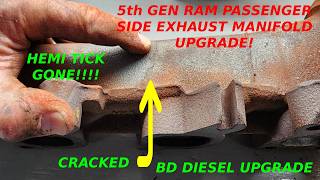
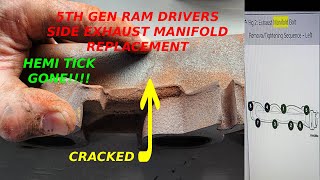
- Cracked or Leaking Exhaust Manifold 🔴 High Probability The 5.7L Hemi V8 engines in this generation are widely known for developing cracks in the exhaust manifolds, leading to leaks. This is a very common repair discussed by owners. The leak introduces outside air into the exhaust stream before the O2 sensor, causing incorrect readings and triggering the P2097 code.
How to confirm: Listen for a distinct ticking sound from the engine when it's cold, which often disappears as the metal expands with heat. Perform a visual inspection of the exhaust manifolds (heat shields may need to be removed) for cracks, especially near the collector. A professional can use a smoke machine to find smaller, less obvious leaks.
Typical fix: Replace the cracked exhaust manifold and the corresponding gasket. It is recommended to use the updated manifold part from the manufacturer and replace all fasteners. Some owners opt for aftermarket headers as a more durable replacement.
Est. part cost: $150-$400 per manifold - Faulty Downstream Oxygen (O2) Sensor 🟡 Medium Probability
How to confirm: Use an OBD-II scanner to monitor the live voltage from the Bank 1, Sensor 2. If the voltage is stuck high (typically >0.8V) and doesn't fluctuate slightly, the sensor is likely faulty or is correctly reading a rich condition. A definitive test is to swap the downstream sensors from Bank 1 and Bank 2. Clear the codes and drive the vehicle. If the code changes to P2099 (Bank 2 Rich), the sensor is confirmed bad.
Typical fix: Replace the Bank 1, Sensor 2 (downstream) oxygen sensor.
Est. part cost: $50-$150 - Leaking Fuel Injector(s) on Bank 1 🟡 Medium Probability The presence of code P219A (Bank 1 Air-Fuel Ratio Imbalance) alongside P2097, as noted in TSBs #18-002-25 and #18-067-24, strongly suggests a fuel delivery issue on that bank, such as a leaking injector. A stuck-open injector will dump excess fuel into a cylinder, creating a rich condition.
How to confirm: A professional can perform a fuel injector balance test. Another method is to check long-term fuel trims; if Bank 1 is heavily negative while Bank 2 is normal, it points to a rich condition on Bank 1. You can also pull the spark plugs on Bank 1; a plug that is black and sooty compared to others indicates a rich condition in that cylinder.
Typical fix: Replace the faulty fuel injector(s) on Bank 1.
Est. part cost: $50-$200 per injector - Powertrain Control Module (PCM) Software Update Needed ⚪ Low Probability Multiple TSBs (#18-021-26, #1803723, #18-002-25) mention P2097 in contexts that are resolved with software updates. The PCM's logic for interpreting sensor data can be overly sensitive and is corrected with a flash from the dealer.
How to confirm: A Ram dealership or a qualified shop with a J2534 pass-thru device can check the current software calibration of your PCM by VIN and compare it to the latest version available from the manufacturer.
Typical fix: Update the PCM software to the latest version. This is a dealer or professional-level repair.
Est. part cost: $0-$200
Rare But Worth Checking
- Failing Catalytic Converter: While less common, a contaminated or internally damaged catalytic converter can cause incorrect readings from the downstream sensor. This is usually a last resort after other causes like exhaust leaks and sensor faults are ruled out.
- Damaged O2 Sensor Wiring: Check the wiring harness leading to the sensor for any signs of melting, chafing, or breaks that could cause a short or open circuit. The connection should be clean and tight.
- Fuel Pressure Issues: A faulty fuel pressure regulator or a weak fuel pump can affect both banks, but can sometimes manifest on one bank first. If P2097 and P2099 are present, this becomes a more likely cause.
Diagnosis Steps
- Scan for Codes: Use an OBD-II scanner to confirm P2097 and check for any other stored codes. Pay close attention to codes like P2099, P219A, or any misfire codes, as they provide critical diagnostic clues.
- Inspect for Exhaust Leaks: On a cold engine, start the truck and listen for an audible 'ticking' noise from the driver's side engine bay, which may fade as it warms up. Visually inspect the entire exhaust system on Bank 1 (driver's side) for soot trails, cracks, or loose connections, especially around the exhaust manifold and O2 sensor bungs. A smoke test is the most effective way to find small leaks.
- Analyze Live Data: Using a scanner, monitor the voltage of the Bank 1 Sensor 2 (downstream O2 sensor). It should fluctuate slightly around 0.5-0.7V on a healthy, warm engine. If it's stuck high (e.g., >0.8V), it indicates a rich condition or a bad sensor. Compare this to the Bank 2 Sensor 2 reading for a baseline.
- Test the O2 Sensor: If no exhaust leak is found, swap the downstream O2 sensors between Bank 1 and Bank 2. They are typically the same part number. Clear the codes and drive the vehicle. If the code returns as P2099 (for Bank 2), the original Bank 1 sensor is faulty and needs replacement.
- Investigate Fuel System: If the code remains P2097 after the sensor swap, the issue is likely upstream. Investigate for leaking fuel injectors on Bank 1 (especially if P219A is present), incorrect fuel pressure, or a faulty fuel pressure regulator.
- Check for TSBs and Software Updates: Consult a dealer or use a professional database to see if any TSBs apply to your vehicle's VIN that recommend a PCM software update for this code. TSBs 18-021-26, 18-002-25, and 1803723 all address this code with software flashes under certain conditions.
Parts You'll Likely Need
- Exhaust Manifold Kit (Driver's Side)
(OEM #Check with dealer for latest part number, as it has been revised. Kits often include new gaskets and bolts.)— A cracked manifold is a very common failure on 5.7L Hemi engines of this era, causing exhaust leaks that trigger P2097. The repair often involves replacing the manifold itself, not just a gasket.
Trusted brands: Mopar (OEM), Dorman, AP Exhaust
OEM price range: $200-$350 for a kit
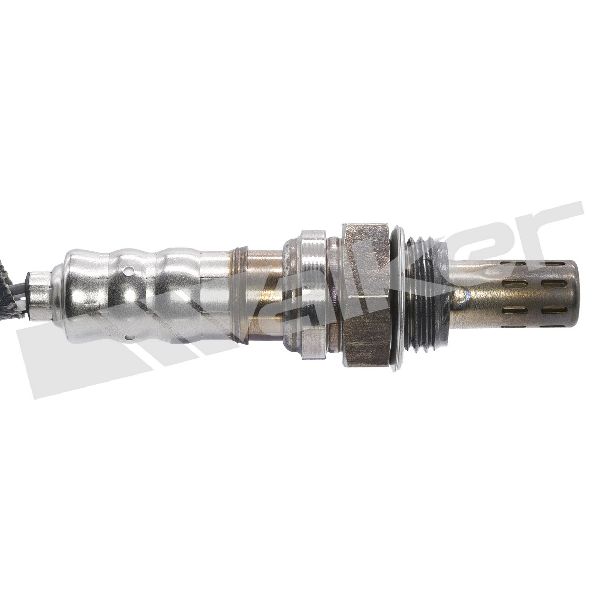
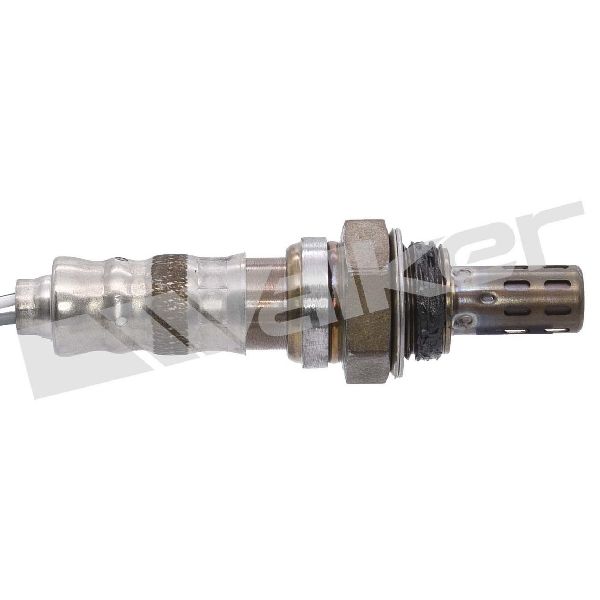
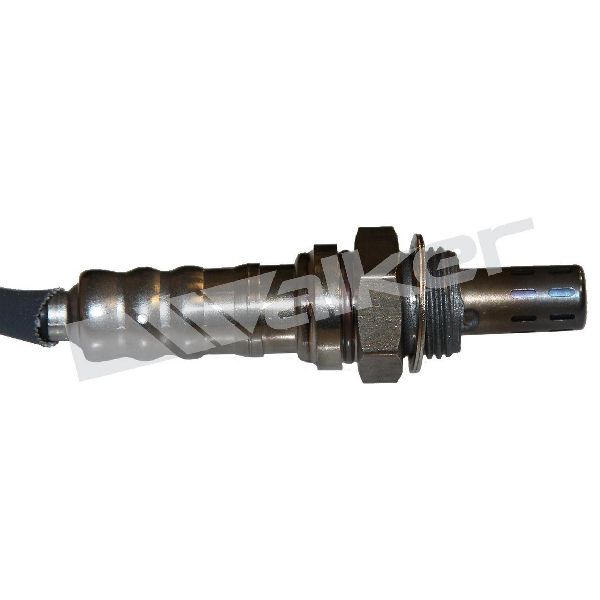
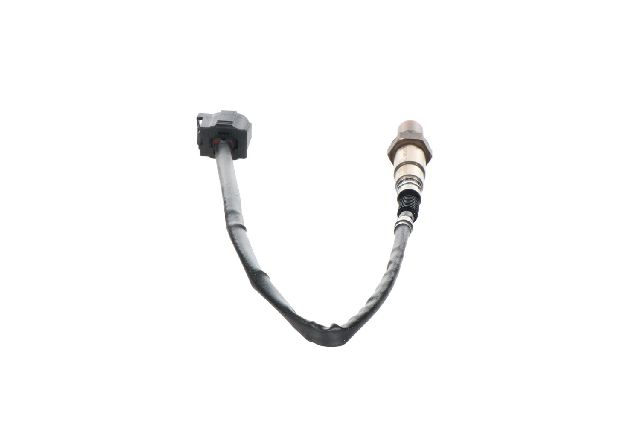
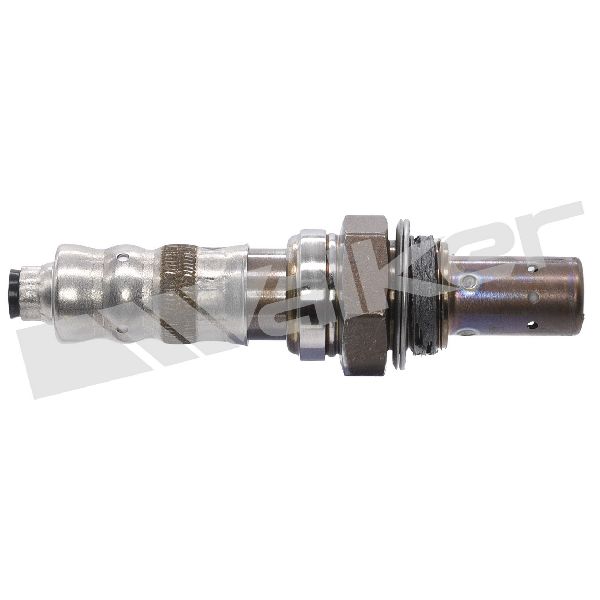
Aftermarket price range: $150-$300 - Downstream Oxygen Sensor (Bank 1, Sensor 2)
(OEM #68445534AA (Verify with VIN, part numbers can be superseded))— This sensor is directly responsible for reporting the post-catalyst fuel trim. It can fail and send false rich signals, or simply wear out over time.
Trusted brands: Mopar, Bosch, Denso, NTK
OEM price range: $100-$180
Aftermarket price range: $50-$120 - Exhaust Manifold Gasket — If the manifold is not cracked but was removed for inspection, the gasket should always be replaced. However, a gasket failure alone is less common than a cracked manifold on these trucks.
Trusted brands: Fel-Pro, Mopar, Mahle
OEM price range: $25-$50
Aftermarket price range: $15-$30
Related Codes That Often Appear With This One
- P2099 — This is the same 'Downstream Fuel Trim System Rich' code but for Bank 2. If you see both P2097 and P2099, the problem is likely something that affects both engine banks, like a fuel pressure issue, a faulty MAF sensor, or a PCM software issue as noted in TSB #18-021-26.
- P219A — This code for 'Bank 1 Air-Fuel Ratio Imbalance' often appears with P2097, as noted in TSBs #18-002-25 and #18-067-24. This combination strongly points towards a mechanical issue on Bank 1, like a leaking fuel injector, a vacuum leak, or a problem with cylinder deactivation.
- P0300-P0308 — Cylinder misfire codes can occur if the rich condition is severe enough to foul spark plugs or disrupt combustion. TSB #18-021-26 specifically links P2097 with a cylinder 6 misfire (P0306) during cold starts.
- P0137 — This code indicates 'O2 Sensor Circuit Low Voltage (Bank 1, Sensor 2)'. It can appear if the sensor is failing or if there are wiring issues, which can also lead to the incorrect rich reading of P2097.
Technical Service Bulletins (TSBs) & Recalls
- 18-002-25: Addresses P2097 along with P219A and multiple cylinder deactivation/misfire codes on 2023 5.7L eTorque models. Fix is a PCM software update.
- 18-021-26: Addresses P2097/P2099 on 2022 models that may also have cold start misfires or lack of power. Fix is a PCM software update.
- 18-067-24: Superseded by 18-002-25, this TSB also pointed to a PCM update for P2097 and P219A on 2023 models.
- 1803723: Superseded by 18-021-26, this TSB addressed lack of power complaints associated with P2097/P2099 on 2022 models, fixed by a software update.
- 09-019-23: While not directly for P2097, this TSB details the diagnosis and replacement procedure for the known cracked exhaust manifold issue on 2019-2022 Ram trucks with the 5.7L Hemi, which is a primary cause of the code.
Platform-Specific Known Issues
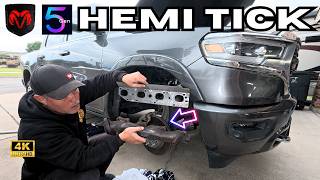
- Cracked Exhaust Manifolds: The most significant vehicle-specific issue for P2097 on Hemi-equipped Ram 1500s is the propensity for the stock exhaust manifolds to crack. This causes a pre-sensor exhaust leak, leading to faulty O2 readings. Owners report a 'Hemi tick' on cold starts that disappears as the engine warms and the crack seals itself from heat expansion.
- TSB #18-067-24 / #18-002-25: For 2023 models with the 5.7L eTorque engine, these TSBs address a MIL caused by P2097 and/or P219A, along with various misfire and cylinder deactivation codes. The fix is a PCM software update.
- TSB #18-021-26 / #1803723: For 2022 models, these bulletins link P2097 and P2099 with cold start misfires (e.g., P0306) and customer complaints of lack of power. The prescribed fix is a PCM software update.
Helpful Videos


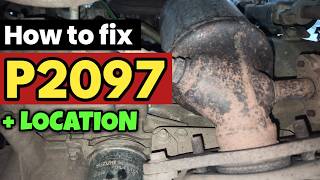
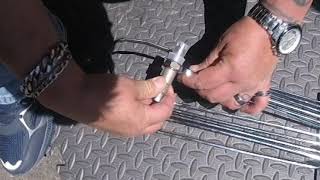
Used OEM Parts in Stock
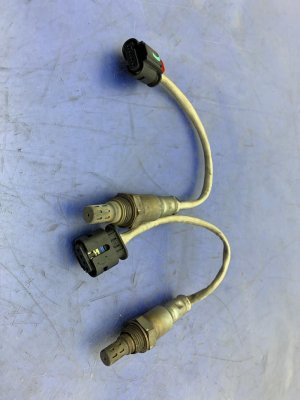
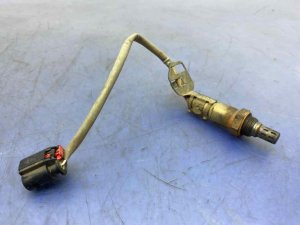

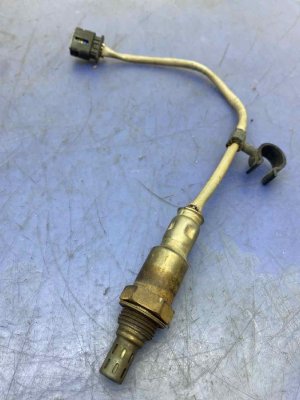
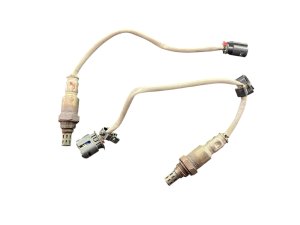
New Aftermarket Parts Available
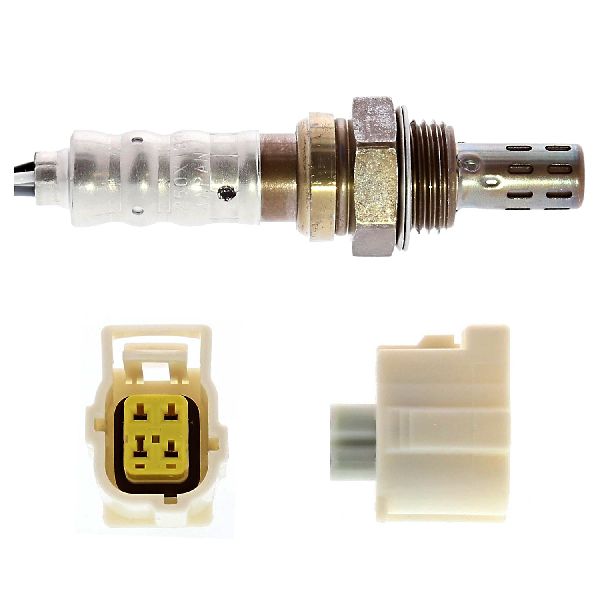

The information in this article is provided for general reference and educational purposes only. Vehicle specifications, procedures, and part compatibility can vary by production date, trim level, and region. Always consult your vehicle's factory service manual and verify part numbers before purchasing or performing repairs. Safety-critical components such as airbags, seat belts, and braking systems should be installed by a qualified professional.
- Ram 1500:
- 🎬 Helpful Videos
- 🛍️ Shop This Part
- What's Unique About the 2019-2023 Ram 1500
- Diagnostic Flowchart
- Symptoms You May Notice
- Most Likely Causes
- Rare But Worth Checking
- Diagnosis Steps
- Parts You'll Likely Need
- Related Codes That Often Appear With This One
- Technical Service Bulletins (TSBs) & Recalls
- Platform-Specific Known Issues
- 🎟️ Get 5% Off