

P2097 on 2016-2020 Kia Optima 2.4L: Causes and Fixes for Rich Fuel Trim
On the 2016-2020 Kia Optima with the 2.4L engine, code P2097 is most often caused by a failing downstream (post-catalyst) oxygen sensor. Before replacing anything, check for exhaust leaks, especially at the flex pipe. The sensor is a relatively affordable and straightforward DIY replacement. Do not immediately suspect the catalytic converter.
- P2097 means the downstream O2 sensor is detecting a rich fuel mixture.
- The most likely cause on your 2.4L Optima is a faulty downstream O2 sensor.
- Always check for exhaust leaks, especially the flex pipe, before replacing any parts.
- Be aware of the broader, more serious engine issues (oil consumption, bearing failure) associated with the 2.4L Theta II GDI engine.
What's Unique About the 2016-2020 Kia Optima
The 2.4L Theta II GDI engine is shared with the Hyundai Sonata. On those vehicles, this code is very commonly traced back to a failing downstream oxygen sensor. While other issues like exhaust leaks or fuel system problems can be the cause, the sensor itself is the highest probability failure point. This engine platform is also known for major issues like rod bearing failure and excessive oil consumption, which led to class-action lawsuits. While P2097 is not a direct symptom of these failures, the overall context of engine health is critical, as high oil consumption can contaminate and prematurely fail O2 sensors and catalytic converters.
Symptoms You May Notice
- Check Engine Light is on
- Decreased fuel economy
- Rough or erratic idle
- Engine hesitation or stumbling during acceleration
- Black smoke from the tailpipe in some cases
- Smell of fuel from the exhaust 🎬 Watch: A breakdown of P2097 causes and common fixes. when idling
- Replacing the catalytic converter when the issue is a faulty O2 sensor or an exhaust leak.
- Replacing the upstream O2 sensor when the code specifically points to the post-catalyst (downstream) sensor's reading.
Most Likely Causes
- Faulty Downstream Oxygen (O2) Sensor 🔴 High Probability This is the most common failure point for this code on the shared 2.4L GDI engine platform used in Hyundai/Kia vehicles. The sensor can become contaminated by issues like excessive oil consumption, or simply fail from age, sending a false 'rich' signal to the computer.
How to confirm: Use a scan tool to monitor the live data from the downstream O2 sensor (Bank 1, Sensor 2). With the engine fully warmed up and at a steady idle, the voltage should be relatively stable and above 0.4V. If it's stuck high (above 0.8V) or fluctuating wildly like the upstream sensor, it's likely faulty. One owner with a similar code reported their failing sensor was frozen at 0.92V.
Typical fix: Replace the downstream oxygen sensor. After replacement, it is critical to use a scan tool to reset the engine's adaptive fuel trim values.
Est. part cost: $50-$120 - Exhaust Leak 🟡 Medium Probability Leaks in the exhaust manifold, gaskets, or especially the flex pipe before the downstream O2 sensor can allow outside air to enter the exhaust stream. This can paradoxically trick the sensor into reporting a rich condition. The flex pipe is a common failure point due to stress and corrosion.
How to confirm: Perform a visual inspection of the exhaust system from the engine to the catalytic converter, looking for cracks, rust, or black soot marks indicating a leak. A smoke test is the most definitive way to find small leaks.
Typical fix: Repair the leak. This may involve replacing a gasket, patching a small hole with exhaust putty for a temporary fix, or replacing a section of pipe like the flex pipe.
Est. part cost: $10-$300 - Rich Running Condition ⚪ Low Probability While less common than a sensor issue, problems with the fuel system or air intake can cause the engine to genuinely run rich. A failing upstream O2 sensor can command too much fuel, or a leaking fuel injector can dump excess fuel, which the downstream sensor then correctly reports.
How to confirm: Check for other trouble codes, especially P0172 (System Too Rich). Investigate potential causes like a dirty Mass Airflow (MAF) sensor, a leaking fuel injector, or a faulty upstream O2 sensor that is commanding too much fuel. A leaking injector may cause a hard-start condition only when the engine is warm.
Typical fix: Address the root cause, which could be cleaning the MAF sensor, or replacing a faulty fuel injector or upstream O2 sensor.
Est. part cost: $50-$400
Rare But Worth Checking
- Failing Catalytic Converter: While possible, this should be the last item to consider. A failing converter will usually also trigger code P0420 (Catalyst System Efficiency Below Threshold). Do not replace the converter for P2097 alone unless all other causes have been ruled out.
- Damaged O2 Sensor Wiring: Check the wiring harness and connector for the downstream O2 sensor. Wires can be damaged by heat from the exhaust or road debris, causing a short or open circuit that mimics a sensor failure.
- PCM Software Issue: In rare cases, the Powertrain Control Module (PCM) may have a software glitch that causes it to misinterpret sensor data. A dealer may need to reflash or update the PCM software.
Diagnosis Steps
- Scan for Codes: Use an OBD-II scanner to confirm P2097 and check for any other codes. If P0172 is present, diagnose it first.
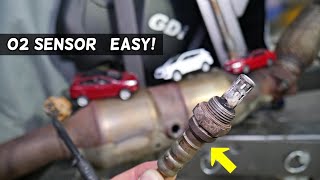
- Inspect for Exhaust Leaks: Visually inspect the entire exhaust system for cracks, holes, or loose connections, especially between the engine and the downstream O2 sensor. Pay close attention to the flexible pipe section, as it is a common failure point.
- Analyze Live Data: Use a scan tool to observe the voltage of the downstream O2 sensor (Bank 1, Sensor 2) with the engine warm and running. A healthy sensor will show a relatively steady voltage above 0.4V. If it is stuck high (e.g., >0.8V) or switching rapidly like an upstream sensor, it is likely bad.
- Inspect Wiring: Check the O2 sensor's wiring and connector for any signs of melting, corrosion, or physical damage.
- Test the O2 Sensor: If live data is inconclusive, disconnect the sensor and test the heater circuit resistance between the two heater pins. It should be between 3 and 15 Ohms. An open (infinite resistance) or short (zero resistance) indicates a failed sensor.
- Consider Other Causes: If the sensor and exhaust are fine, investigate other potential causes of a rich condition, such as leaky fuel injectors, a faulty MAF sensor, or a failing upstream O2 sensor.
- Evaluate Catalytic Converter: Only if all other possibilities are exhausted and especially if code P0420 is also present, should you consider that the catalytic converter has failed.
Parts You'll Likely Need
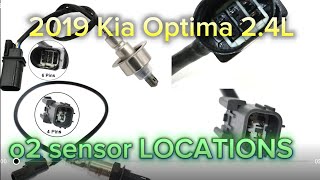
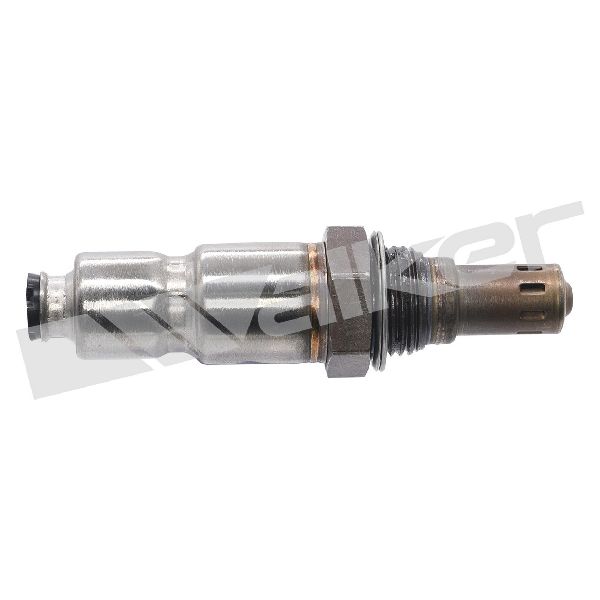
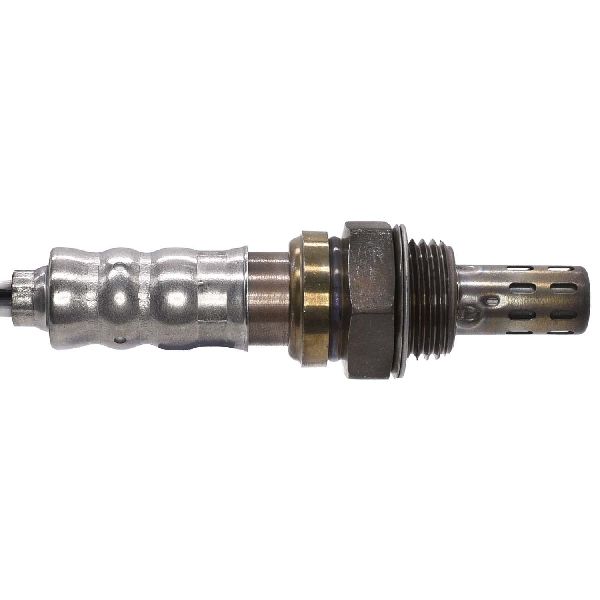
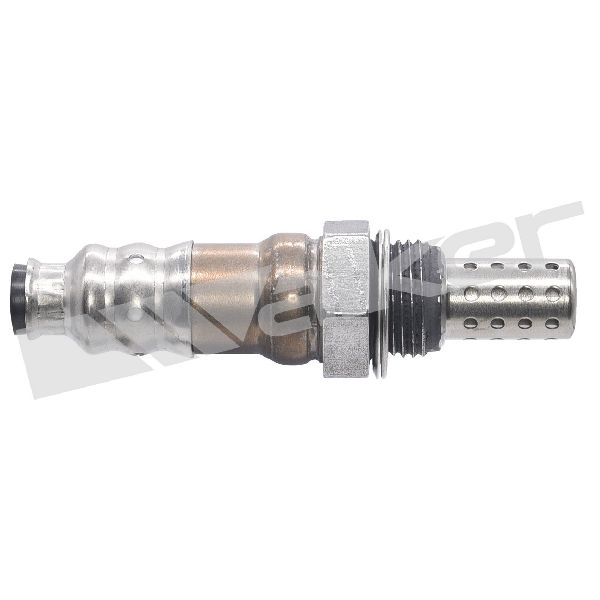
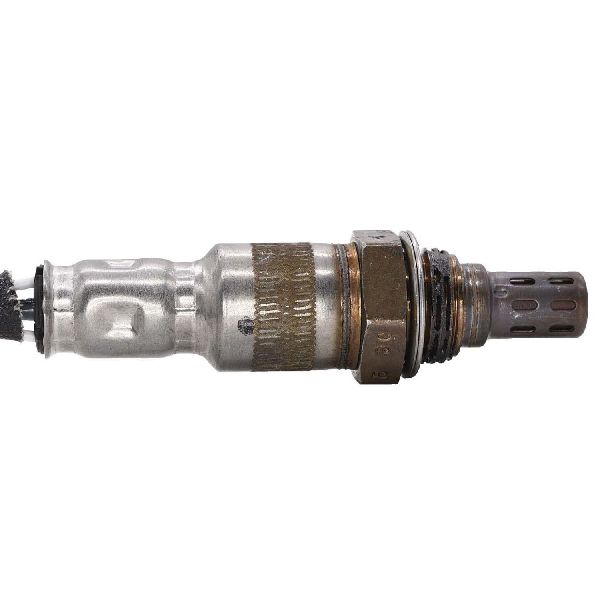
- Downstream Oxygen Sensor (Bank 1, Sensor 2)
(OEM #39210-2G200)— This is the most frequent point of failure for this code on the 2.4L GDI engine. This part number is widely cited for the downstream position on this vehicle.
Trusted brands: Bosch, Denso, NGK/NTK, Genuine Hyundai/Kia
OEM price range: $180-$260
Aftermarket price range: $50-$120
Related Codes That Often Appear With This One
- P0172 — If the engine is genuinely running rich, you may also see P0172 (System Too Rich Bank 1). P0172 should be diagnosed first as it indicates the root problem is happening before the catalytic converter.
- P0420 — If P2097 appears with P0420 (Catalyst System Efficiency Below Threshold), it strongly suggests the catalytic converter itself is failing or has been damaged by the rich condition.
- P0138 — This code for 'O2 Sensor Circuit High Voltage (Bank 1 Sensor 2)' can appear with P2097 as both can be caused by a faulty downstream O2 sensor that is stuck sending a high voltage (rich) signal.
Technical Service Bulletins (TSBs) & Recalls
- TSB ENG222: This technical service bulletin outlines the procedure for dealers to test for excessive oil consumption on Theta II engines. While not directly for P2097, a high oil consumption issue could potentially lead to contaminated sensors or catalytic converters over time.
Platform-Specific Known Issues
- Owner Experience on Similar Platform: A Reddit user with a 2019 Hyundai Elantra GT (which uses similar engine logic) experienced P2097 with hesitation on acceleration. The fix was replacing the downstream O2 sensor, and the catalytic converter was not the issue.
- Fuel Smell Reported: A Kia owner on Reddit with a P2097 code noted a distinct smell of fuel from the exhaust while idling, pointing towards a genuinely rich condition or a sensor misreading.
Mechanic-Grade Diagnostic Values
- Downstream O2 Sensor (B1S2) Heater Resistance — expected: 3.3 to 15 Ohms at room temperature. Failure: Infinite resistance (OL) indicates an open circuit; near-zero resistance indicates a short. A good real-world reading is often 5-6 Ohms.
- Downstream O2 Sensor (B1S2) Voltage at Idle — expected: Relatively stable voltage above 0.4V after warm-up. Failure: Voltage is stuck high (e.g., >0.8V) or fluctuates rapidly like an upstream sensor.
- High Pressure Fuel Line (GDI System) — expected: 290 - 3,626 PSI (20 - 250 Bar). Failure: Pressure that is excessively high and cannot be controlled by the system could indicate a faulty high-pressure pump or regulator, leading to a rich condition.
Hidden / Shadow Codes Worth Checking
- P0172, P0420, P0138, etc.: While not 'shadow codes', the diagnostic procedure for P2097 mandates that any other codes related to the fuel system (P0172), catalyst (P0420), or O2 sensors/heaters (P0138, P0141) must be diagnosed and fixed FIRST. Ignoring this hierarchy is a common diagnostic mistake. (see via Standard OBD-II scanner)
Scan Tool Commands That Help
- Kia GDS (or equivalent professional scanner): Resetting Adaptive Values / Reset Fuel Trim Adaptations — This is a mandatory step AFTER replacing a component like an O2 sensor or fuel injector. The ECU has 'learned' incorrect fuel trims to compensate for the old, faulty part. Failing to reset these values can cause the P2097 code to return immediately, even though the new part is good.
- Kia GDS (or equivalent professional scanner): Cylinder A/F Test — Found in the 'Function Test Menu', this bidirectional test helps identify if a single cylinder is running richer or leaner than the others, which can help pinpoint a single faulty injector or ignition coil before tearing parts down.
Wiring & Ground Locations
- Downstream O2 Sensor Connector — The harness for the downstream sensor runs up from the exhaust pipe (located after the catalytic converter) to a gray connector mounted on a bracket near the top-rear of the engine/transmission area.. This is the primary connection point to test sensor signals and heater circuit voltage/resistance without having to access the sensor itself.
- Chassis Ground Bolt — A common grounding point for multiple circuits on Kia models is a bolt with several ground wires attached, located to the right of the interior fuse panel, behind the driver's side lower dash kick panel.. A poor ground connection at this location can introduce electrical noise and voltage offsets into sensor circuits, potentially causing incorrect readings that could trigger P2097.
- SENSOR 1 Fuse (15A) — Located in the main fuse box in the engine compartment.. This single fuse often provides power to the heater circuits for BOTH the upstream and downstream oxygen sensors. A failure here will affect sensor warm-up time and performance, potentially contributing to fault codes.
Real Owner Repair Stories
- AliExpress Review / Forum Post (2017 Kia Optima, 98,000 miles) — Recurring P0138 code (O2 Sensor High Voltage), which is functionally related to P2097 (stuck rich). No noticeable performance issues.
❌ Tried (didn't work) Clearing the code repeatedly; it would always return within ~300 miles.
✅ What actually fixed it The owner used a scan tool to confirm the downstream O2 sensor (B1S2) voltage was stuck at 0.92V. They replaced the downstream sensor with a new aftermarket part, which permanently resolved the code after two drive cycles.
Model Year Variations Within This Range
- 2016 vs 2017-2020: Some aftermarket parts catalogs show a split in fitment for the downstream oxygen sensor between the 2016 model year and the 2017-2020 model years. While the OEM number 39210-2G200 appears to cover the range, it is critical to verify the specific part for your VIN, as a mid-generation change may have occurred.
Diagnostic Flowchart
Other Known Issues on This Vehicle
Issues unrelated to this code that are worth knowing about as an owner of this generation:
- Catastrophic Engine Failure (Connecting Rod Bearing Failure) 🔴 High — Very common across the Theta II GDI engine family for these model years. Failure can occur at various mileages, sometimes with little warning. (Ref: Subject of multiple class-action lawsuits (e.g., In re: Hyundai and Kia Engine Litigation II) and extended lifetime warranties for certain repairs if the KSDS (Knock Sensor Detection System) update was performed.)
- Excessive Oil Consumption 🔴 High — Extremely widespread, often starting between 60,000 and 100,000 miles. Many owners report consuming over 1 quart per 1,000 miles. This is often caused by carbon buildup on piston oil control rings. (Ref: TSB ENG222 addresses the oil consumption testing procedure. Engine replacement may be covered under warranty if consumption is deemed excessive by Kia's standards (over 1qt/1,000 miles) and maintenance records are provided.)
- Knock Sensor Detection System (KSDS) Activation (Code P1326) 🔴 High — Common result of the connecting rod bearing wear this engine is known for. The KSDS is a software update (Product Improvement Campaign PI1802) designed to detect the vibrations of failing bearings and put the car into a reduced-power 'limp mode' to prevent further damage. (Ref: PI1802 / Recall SC147 (for earlier models).)
- Intake Valve Carbon Buildup 🟠 Medium — Inherent to the Gasoline Direct Injection (GDI) design, as fuel does not wash over the intake valves. Significant buildup can occur after 40,000-60,000 miles, leading to misfires and performance issues.
- Starter Motor Failure 🟠 Medium — Frequently reported by owners, often leading to a no-start condition with clicking sounds.
Used vs. New Parts: Buying Guide for This Vehicle
When a used part is the smart pick: For this repair, using a used part is generally not recommended for electronic components like the oxygen sensor. The risk of getting a part that is already near the end of its life or contaminated is high, especially given the known oil consumption issues of the Theta II engine. A used exhaust pipe or flex pipe from a low-mileage, rust-free donor vehicle could be a cost-effective option if a leak is found.
Donor-vehicle mileage cap: roughly under 50000 miles for the part to have meaningful remaining life.
What to inspect on the donor part:
- For an O2 sensor: Avoid. The remaining lifespan is unknown.
- For an exhaust component: Check for minimal rust, especially at welds and on the flex pipe braiding. Ensure there are no cracks or signs of impact.
OEM-only on this vehicle (don't cheap out):
- Catalytic Converter: If the converter must be replaced, using a genuine OEM part is strongly advised. Aftermarket converters for this platform are widely reported to fail prematurely or fail to meet emissions standards, causing codes P0420 and P2097 to return.
Aftermarket brands forum-validated for this vehicle:
- NTK (often the OEM supplier)
- Denso
- Bosch
Brands owners have reported issues with on this vehicle:
- Unbranded, 'white-box' oxygen sensors from online marketplaces often have incorrect calibration or high failure rates, leading to repeat repairs.
Real Owner Stories
Aggregated from forums and TSBs cited above. Mileages and costs reflect what owners reported in those sources.
2019 Hyundai Elantra GT (Similar Platform)
Symptoms: Experienced P2097 with hesitation on acceleration.
What fixed it: Replacing the downstream O2 sensor; the catalytic converter was not the issue.
Source hint: Vehicle_specific_issues: 'Owner Experience on Similar Platform'
2021 Kia Rio
Symptoms: Distinct smell of fuel from the exhaust while idling.
What fixed it: Technician advice sought to determine if O2 sensor or exhaust leak was the cause.
Source hint: Reddit r/kia - 'P2097 Post catalyst fuel trim system too rich Bank 1'
2016-2020 Kia Optima 2.4L
Symptoms: Check engine light appeared with rough running, then disappeared the next day.
What fixed it: Intermittent nature suggested a failing sensor or wiring issue.
Source hint: Reddit r/MechanicAdvice - 'Code P2097'
Related OBD-II Codes
Frequently Asked Questions
Does TSB ENG222 apply to my 2.4L Theta II engine if I have code P2097?
I have a P2097 and a P0172 on my Kia Optima; which should I fix first?
Is the flex pipe a common failure point for P2097 on the Optima 2.4L?
Can I just replace the catalytic converter to fix P2097?
What should the voltage look like for the Bank 1, Sensor 2 O2 sensor on my Optima?
Do I need to do anything special after replacing the O2 sensor on my Kia?
Helpful Videos

Used OEM Parts in Stock
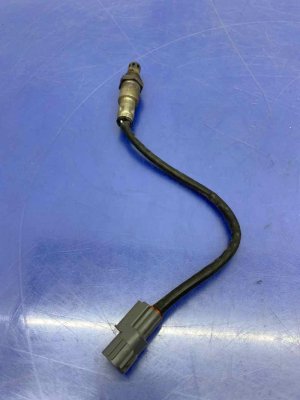
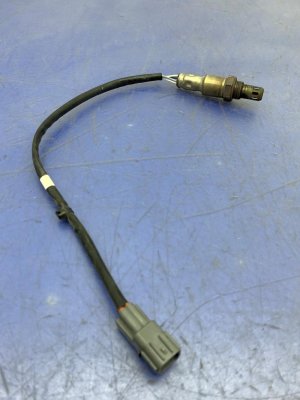
New Aftermarket Parts Available
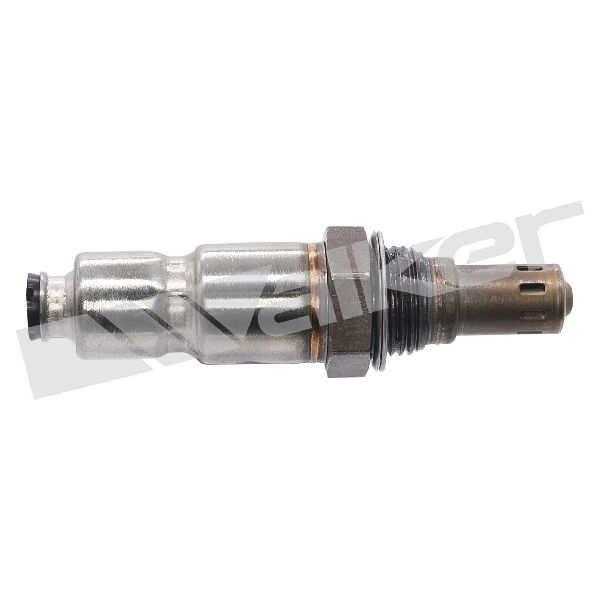
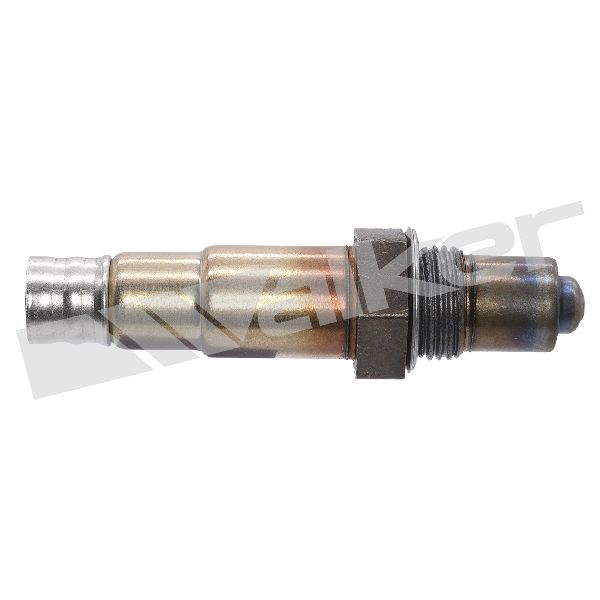

The information in this article is provided for general reference and educational purposes only. Vehicle specifications, procedures, and part compatibility can vary by production date, trim level, and region. Always consult your vehicle's factory service manual and verify part numbers before purchasing or performing repairs. Safety-critical components such as airbags, seat belts, and braking systems should be installed by a qualified professional.
- Kia Optima:
- 🎬 Helpful Videos
- 🛍️ Shop This Part
- What's Unique About the 2016-2020 Kia Optima
- Symptoms You May Notice
- Most Likely Causes
- Rare But Worth Checking
- Diagnosis Steps
- Parts You'll Likely Need
- Related Codes That Often Appear With This One
- Technical Service Bulletins (TSBs) & Recalls
- Platform-Specific Known Issues
- Mechanic-Grade Diagnostic Values
- Hidden / Shadow Codes Worth Checking
- Scan Tool Commands That Help
- Wiring & Ground Locations
- Real Owner Repair Stories
- Model Year Variations Within This Range
- Diagnostic Flowchart
- Other Known Issues on This Vehicle
- Used vs. New Parts: Buying Guide for This Vehicle
- Real Owner Stories
- 2019 Hyundai Elantra GT (Similar Platform)
- 2021 Kia Rio
- 2016-2020 Kia Optima 2.4L
- Related OBD-II Codes
- Frequently Asked Questions
- 🎟️ Get 5% Off