

P2097 on 2021-2023 Dodge Charger: Post-Catalyst Rich Fuel Trim Causes and Fixes
P2097 on a 2021-2023 Dodge Charger most commonly indicates a failing downstream (post-catalyst) oxygen sensor on Bank 1. Other likely causes include an exhaust leak before the sensor or, on some platforms, the need for a PCM software update. Replacing the O2 sensor is the most frequent fix, costing around $40-$90 for an aftermarket part and is a manageable DIY task for many owners.
- P2097 means the downstream O2 sensor on Bank 1 is detecting a rich fuel condition.
- First, correctly identify Bank 1: it's the passenger side for the 3.6L V6 and the driver's side for V8 HEMI engines.
- The most common fixes are replacing the Bank 1 downstream O2 sensor or repairing an exhaust leak.
- Before replacing parts, check with a dealer to see if a simple PCM software update is available to fix the issue.
- Do not immediately replace the expensive catalytic converter; it is rarely the root cause of this specific code.
What's Unique About the 2021-2023 Dodge CHARGER
For the Dodge Charger, which shares its LX platform and powertrains with the Dodge Challenger and Chrysler 300, correctly identifying 'Bank 1' is the first critical step. On models with the 3.6L V6 Pentastar engine, Bank 1 is the passenger's side (right side). On V8 HEMI engines (5.7L, 6.4L), Bank 1 is the driver's side (left side). This distinction is crucial for correctly diagnosing and replacing parts. Additionally, while less common for the 2021-2023 model years, Dodge has a history of issuing Technical Service Bulletins (TSBs) for earlier model years that use software updates to correct false P2097 codes, making a PCM flash a potential and often overlooked solution.
Diagnostic Flowchart
Tap your situation to follow the diagnostic path that matches what you're seeing on this vehicle.
Symptoms You May Notice
- Check Engine Light is on
- Decreased fuel economy
- Rough or erratic idle
- Engine hesitation or stumbling during acceleration
- Strong smell of fuel or rotten eggs from the exhaust
- In rare cases, black smoke from the tailpipe
- Difficulty starting the engine when it's hot
- Replacing the catalytic converter when the actual problem is a faulty O2 sensor, an exhaust leak, or a software issue. The converter is expensive and often fails as a *result* of a persistent rich condition, not as the root cause.
- Replacing the upstream O2 sensor (Sensor 1) without testing. The P2097 code is set based on the reading from the downstream (Sensor 2) sensor, which should be the primary focus of the diagnosis.
Most Likely Causes
- Faulty Downstream Oxygen (O2) Sensor 🔴 High Probability O2 sensors are wear-and-tear items that degrade over time from constant exposure to extreme heat and exhaust contaminants. They eventually lose their ability to send accurate voltage signals to the PCM.
How to confirm: Use an OBD-II scanner to monitor the live data for the Bank 1, Sensor 2 (B1S2) voltage. A healthy downstream sensor on a warm engine at steady RPM should show a relatively stable voltage, typically between 0.6V and 0.8V. If it's stuck high (above 0.8V), shows no activity, or fluctuates rapidly like an upstream sensor, it is likely faulty. 🎬 Learn how to test your oxygen sensor using live scanner data.
Typical fix: Replace the Bank 1 downstream (post-catalyst) oxygen sensor. On V6 models, this is on the passenger side. On V8 models, it's on the driver's side.
Est. part cost: $40-$150 - Exhaust System Leak 🟡 Medium Probability Exhaust components, particularly gaskets at the manifold or pipe connections (donut gaskets), can degrade from heat cycles and rust, causing leaks. Welded seams on pipes can also corrode and fail.
How to confirm: Perform a visual inspection of the exhaust system from the engine to the tailpipe, looking for black soot trails, cracks, or holes, especially before the downstream O2 sensor. A professional smoke test is the most effective way to pinpoint small leaks. 🎬 See how to use a smoke machine to find exhaust leaks. You can also sometimes hear a ticking or hissing sound that changes with engine RPM, most noticeable on a cold start.
Typical fix: Repair the leak by replacing the faulty gasket, tightening clamps, or welding the damaged section. For small holes, high-temperature exhaust putty can be a temporary fix.
Est. part cost: $10-$200 - Powertrain Control Module (PCM) Software Update Needed ⚪ Low Probability Dodge has released several TSBs for previous model year Chargers and Challengers that address this specific code with a software update, indicating the original PCM logic was sometimes too sensitive and could set the code erroneously. While less documented for 2021+, it remains a possibility.
How to confirm: A Dodge dealership or a qualified shop with access to OEM software (like wiTECH) can check your vehicle's VIN for any pending or applicable PCM updates.
Typical fix: Flash the PCM with the latest manufacturer software. This is a dealer or specialty shop-level repair.
Est. part cost: $0-$200 - Leaking Fuel Injector(s) on Bank 1 ⚪ Low Probability Injectors can become stuck partially open or leak from their seals due to contamination or wear, dumping excess fuel into one or more cylinders and creating a true rich condition.
How to confirm: This usually triggers other codes, like a P0172 (System Too Rich Bank 1) or cylinder-specific misfire codes (e.g., P0301, P0303). An inspection of the spark plugs on Bank 1 may show them to be wet, black, and fouled with fuel. A fuel pressure leak-down test can also help diagnose a leaking injector.
Typical fix: Identify and replace the leaking fuel injector(s) on Bank 1. It is often recommended to replace all injectors on that bank at the same time.
Est. part cost: $50-$150 per injector
Rare But Worth Checking
- Failing Catalytic Converter: While a failing converter more often causes a P0420 (Catalyst Inefficiency) code, an internally damaged, contaminated, or clogged converter can disrupt exhaust flow and cause incorrect O2 sensor readings, sometimes triggering a P2097. This should be considered only after other causes are ruled out.
- Faulty Upstream Oxygen (O2) Sensor: A lazy or inaccurate upstream (pre-catalyst) sensor can send incorrect data to the PCM, causing it to command a rich fuel mixture, which is then correctly detected as rich by the downstream sensor. This is less common than the downstream sensor failing itself.
- Damaged O2 Sensor Wiring: The wiring harness for the O2 sensor can be damaged by heat from the exhaust, road debris, or improper routing, leading to shorts or open circuits that mimic a failed sensor. A visual inspection for melted or chafed wires is crucial.
Diagnosis Steps
- Read Codes & Freeze Frame: Use an OBD-II scanner to confirm P2097 and check for any other stored codes. Note the freeze frame data, which shows the engine's operating conditions when the code was set.
- Check for TSBs: Especially for earlier models on the same platform, it's wise to check with a dealer or use an online service to see if any PCM software updates addressing P2097 are available for your vehicle's VIN.
- Inspect the Exhaust System: Visually and audibly inspect for leaks, especially around the exhaust manifold, gaskets, and welds between the engine and the downstream O2 sensor. Look for black soot marks. A smoke test is the most reliable method for finding small leaks.
- Analyze Live Sensor Data: Use a scanner to observe the voltage of the Bank 1 downstream O2 sensor (B1S2). At operating temperature and a steady idle, it should hold a steady voltage (typically 0.6-0.8V). If it's stuck high, dead (0V), or fluctuating rapidly like the upstream sensor (B1S1), the sensor is the primary suspect.
- Inspect Sensor Wiring: Carefully check the wiring and connector for the Bank 1 downstream O2 sensor for any signs of melting, chafing, corrosion, or loose pins.
- Investigate True Rich Conditions: If other rich codes (like P0172) or misfire codes are present, investigate their causes, such as leaking fuel injectors, faulty fuel pressure regulator, or a malfunctioning MAF sensor.
- Swap Test the Sensor: If you have a V-engine and are unsure, you can swap the downstream O2 sensors between Bank 1 and Bank 2. Clear the codes and drive the vehicle. If the code returns as P2099 (Bank 2 Rich), you have definitively confirmed the sensor is the faulty component.
Parts You'll Likely Need
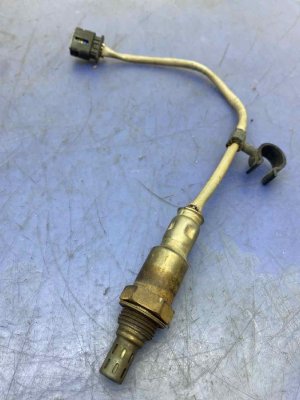
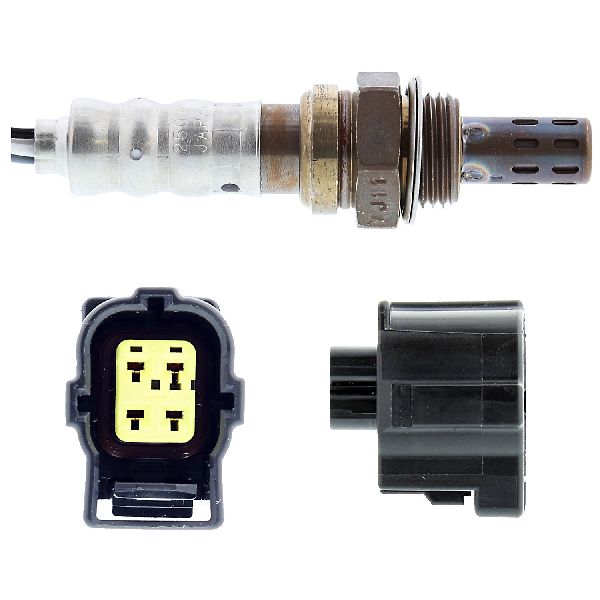
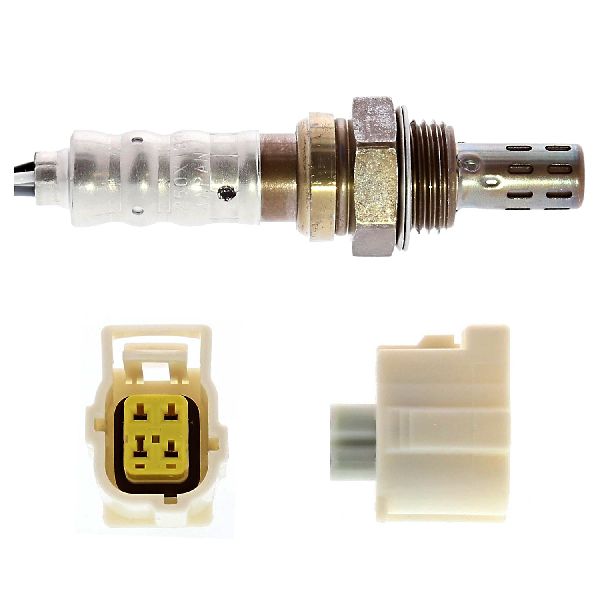
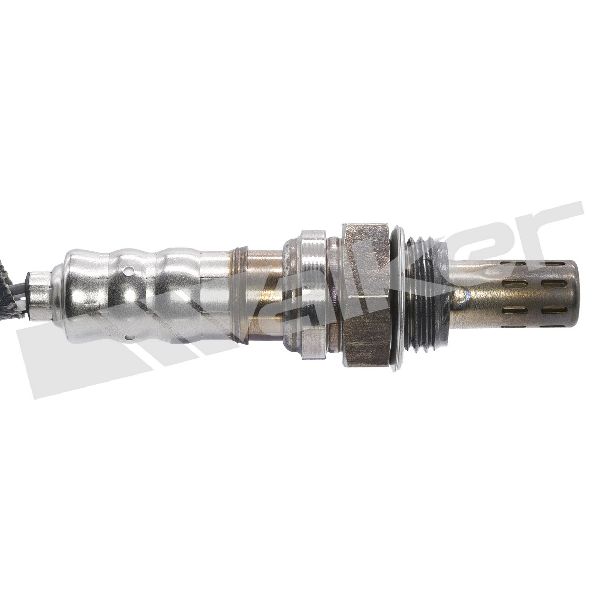
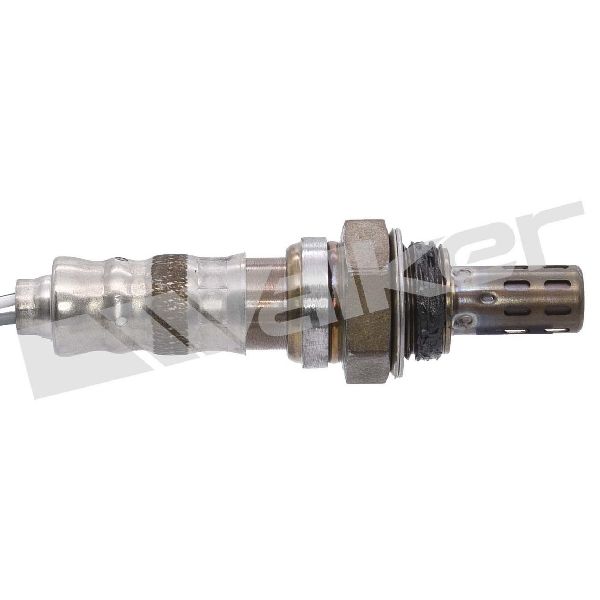
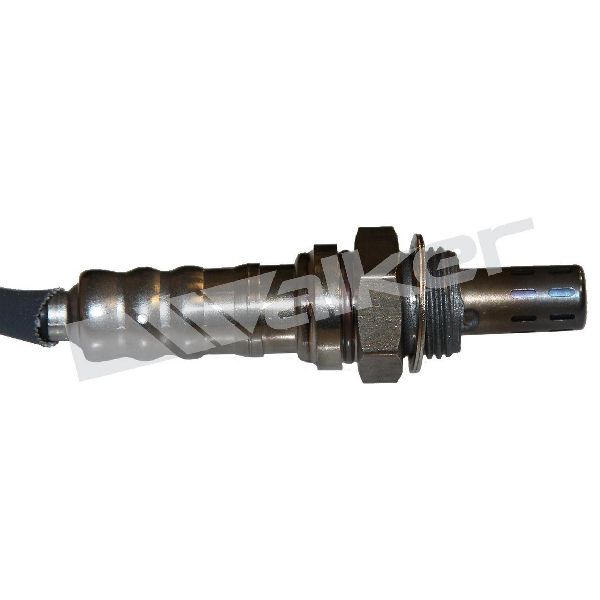
- Downstream Oxygen Sensor (Bank 1, Sensor 2)
(OEM #5149171AB (V6/V8, verify fitment), 5149180AB (V8, verify fitment))— This is the most frequent point of failure for this specific code. The sensor's reading is what triggers the code in the first place. Part number 5149180AB is a common replacement for many Charger engines, but always verify with VIN.
Related Codes That Often Appear With This One
- P2096 — This is the 'lean' equivalent for the same bank (Bank 1). Seeing both P2096 and P2097 intermittently could point to an erratic sensor, a wiring issue, or a significant exhaust leak fooling the sensor.
- P2099 — This is the same 'rich' code but for Bank 2. If both P2097 and P2099 are present, it strongly suggests a systemic issue affecting both banks, like high fuel pressure, a faulty Mass Airflow (MAF) sensor, or an issue with the EVAP system, rather than a problem isolated to one bank.
- P0172 — This code means 'System Too Rich Bank 1' as detected by the *upstream* sensor. If you see both, it strongly indicates a true rich condition on Bank 1, likely from a leaking fuel injector or faulty fuel pressure regulator, as both sensors are confirming the issue.
- P0420 — This code for 'Catalyst System Efficiency Below Threshold (Bank 1)' can appear with P2097. A long-term rich condition can foul and damage the catalytic converter, causing it to lose efficiency and trigger both codes.
- P030x (e.g., P0301, P0303) — Misfire codes on Bank 1 cylinders can occur alongside P2097 if a leaking fuel injector is fouling the spark plug or if a rich mixture is preventing proper combustion.
Technical Service Bulletins (TSBs) & Recalls
- 21-020-26 REV.A: Mentions P2097 as one of several DTCs that may be resolved with a software update on related platforms.
- 1807320: Lists P2097 in conjunction with misfire and air-fuel imbalance codes, suggesting a software update for 2015 models could resolve a cluster of related issues.
- 18-039-15 REV-A: Specifically calls out P2097 on manual transmission V6 models as being potentially fixed by a PCM reflash.
Platform-Specific Known Issues
- On 3.6L V6 engines, Bank 1 is the passenger (right) side of the engine.
- On 5.7L and 6.4L V8 HEMI engines, Bank 1 is the driver (left) side of the engine.
- Multiple Technical Service Bulletins exist for earlier model years on this platform which recommend a PCM software update as a fix for this code, indicating it can be triggered erroneously by overly sensitive software parameters.
- A user on Challengertalk.com with a 5.7L engine (shared with the Charger) reported a persistent P2097 code after installing long tube headers, which was not resolved by replacing the sensor, suggesting modifications can complicate diagnosis.
Mechanic-Grade Diagnostic Values
- Downstream O2 Sensor (Bank 1, Sensor 2) Voltage — expected: Relatively steady between 0.6V and 0.8V on a warm engine at a steady RPM.. Failure: Stuck high (approaching 0.9V), no activity, or fluctuating rapidly like the upstream sensor.
- Upstream O2 Sensor (Bank 1, Sensor 1) Voltage — expected: Rapidly fluctuating between 0.1V and 0.9V on a warm engine.. Failure: Sluggish, stuck, or no fluctuation.
- O2 Sensor Heater Circuit Resistance — expected: Typically between 2 and 16 ohms (varies by manufacturer).. Failure: A reading outside the specified range, or an open/short circuit.
- Long Term Fuel Trim (LTFT) - Bank 1 — expected: Close to 0%, typically within +/- 10%.. Failure: Significantly negative numbers (e.g., -15% or more) indicate the PCM is compensating for a rich condition.
- Fuel Injector Resistance — expected: Typically between 12 and 16 ohms for high-impedance injectors.. Failure: A reading significantly outside this range or showing 'open' indicates a faulty injector.
Scan Tool Commands That Help
- wiTECH (Chrysler/Dodge/Jeep OEM Tool): O2 Sensor Test — To force the system into open loop and monitor the O2 sensor's response to rich and lean commands, which helps verify if the sensor is responsive or biased toward a rich reading.
- wiTECH (Chrysler/Dodge/Jeep OEM Tool): Catalytic Converter Efficiency Test — After confirming the O2 sensors are functioning correctly, this test can be run to determine the health of the catalytic converter, helping to avoid unnecessary and expensive replacement.
Wiring & Ground Locations
- Engine Block to Chassis Ground — On modern Pentastar V6 and HEMI V8 engines, there are multiple grounding points. A key ground strap often runs from the engine block (sometimes near a motor mount) to the vehicle's frame/chassis. On the 3.6L V6, a factory ground is located underneath the air intake box, attached to the chassis.. A poor engine ground can cause electrical noise and voltage offsets, leading to inaccurate sensor readings. The PCM relies on a stable ground reference for all its sensors, including the O2 sensors. A compromised ground can make a healthy O2 sensor report incorrect data, potentially triggering a P2097 code.
- Cylinder Head Grounds — On the 3.6L V6, ground points are located on both the passenger and driver side cylinder heads. One is an empty threaded hole on the passenger side head, and another is a stud holding an intake manifold bracket on the driver's side head.. Many sensors ground directly to the engine block or cylinder heads. Ensuring these specific points have a clean, tight connection to the main chassis ground is critical for accurate sensor data and can prevent phantom codes.
Real Owner Repair Stories
- Challengertalk.com forum user (2016 Dodge Challenger 5.7L (similar platform/engine to Charger)) — P2097 code appeared after installing long tube headers.
❌ Tried (didn't work) Replacing the downstream O2 sensor, Checking for exhaust leaks multiple times
✅ What actually fixed it The owner had the vehicle professionally tuned. The tuner disabled the downstream O2 sensors within the PCM software, a common practice required after installing long tube headers which alter exhaust flow and sensor location. - YouTube user experience (2011-2014 Dodge Charger (similar platform)) — Persistent O2 sensor codes (P0138 mentioned, but principle applies) and failed inspections.
❌ Tried (didn't work) Using generic, off-brand oxygen sensors.
✅ What actually fixed it The problem was resolved only after replacing the faulty oxygen sensors with genuine OEM Mopar parts with the exact correct part number. The generic sensors, despite fitting, did not operate within the specific timing parameters required by the Dodge PCM, causing the codes to return.
OEM Part Supersession History
5149180AA→5149180AB— Standard part revision by the manufacturer for improvements in performance, materials, or manufacturing process.
Heads up: The new part number 5149180AB is the correct replacement for 5149180AA. Using the older part number, if found, is not recommended. It is critical to use OEM or high-quality aftermarket sensors as generic versions can fail to meet the PCM's specific response time requirements, causing codes to persist.
Helpful Videos

Used OEM Parts in Stock
New Aftermarket Parts Available


The information in this article is provided for general reference and educational purposes only. Vehicle specifications, procedures, and part compatibility can vary by production date, trim level, and region. Always consult your vehicle's factory service manual and verify part numbers before purchasing or performing repairs. Safety-critical components such as airbags, seat belts, and braking systems should be installed by a qualified professional.
- Dodge CHARGER:
- 🎬 Helpful Videos
- 🛍️ Shop This Part
- What's Unique About the 2021-2023 Dodge CHARGER
- Diagnostic Flowchart
- Symptoms You May Notice
- Most Likely Causes
- Rare But Worth Checking
- Diagnosis Steps
- Parts You'll Likely Need
- Related Codes That Often Appear With This One
- Technical Service Bulletins (TSBs) & Recalls
- Platform-Specific Known Issues
- Mechanic-Grade Diagnostic Values
- Scan Tool Commands That Help
- Wiring & Ground Locations
- Real Owner Repair Stories
- OEM Part Supersession History
- 🎟️ Get 5% Off