

P2096 on 2013-2018 Hyundai Santa Fe 3.3L: Post-Catalyst Lean Condition Causes & Fixes
P2096 on a 2013-2018 Santa Fe 3.3L V6 usually means there's an exhaust leak before the downstream O2 sensor or the sensor itself is failing. A thorough inspection for exhaust leaks, especially the flex pipe, is the first step before replacing any parts. In some cases, this code can appear alongside more serious engine trouble codes.
- P2096 means the exhaust is too lean (too much oxygen) after the catalytic converter on Bank 1 (firewall side).
- The most common cause on this Santa Fe is an exhaust leak between the front and rear oxygen sensors. Inspect for leaks before buying parts.
- A failing downstream (Bank 1, Sensor 2) oxygen sensor is the second most likely cause.
- Do not replace the expensive catalytic converter unless you have ruled out both exhaust leaks and a bad O2 sensor.
- Check for other codes, especially P1326, as P2096 can sometimes be a symptom of a larger engine issue covered by an extended warranty.
What's Unique About the 2013-2018 Hyundai Santa Fe
On many Hyundai vehicles, including the Santa Fe, the downstream oxygen sensor is used not just to monitor the catalyst but also to cross-check the readings of the upstream air-fuel ratio sensor. Because of this logic, an exhaust leak between the two sensors is a very common cause for P2096, as it allows unmetered air to be pulled into the exhaust stream, fooling the downstream sensor into reporting a lean condition. Additionally, some owners have reported this code in conjunction with more serious engine issues, as noted in NHTSA complaints where P2096 appeared with codes for misfires or knock sensor alerts. [ODI 11566614, ODI 11251875] The 3.3L Lambda II GDI engine in these vehicles has known issues with connecting rod bearing failure, which can sometimes present with various fault codes before a catastrophic failure.
Generation note: This guide covers the third generation (DM) of the Hyundai Santa Fe, specifically the long-wheelbase (LWB) model (often just called 'Santa Fe') which was equipped with the 3.3L V6 engine. The smaller 'Santa Fe Sport' model used different engines (2.4L I4, 2.0L Turbo I4) and is not covered here, though it has its own set of engine-related recalls.
Symptoms You May Notice
- Check Engine Light is on
- Reduced fuel economy
- Rough or unstable idle
- Poor acceleration or engine hesitation
- Vehicle jerking (as reported in NHTSA complaint ODI #11566614)
- Louder than normal exhaust noise if a leak is present
- Replacing the upstream Air/Fuel Ratio Sensor (Sensor 1) when the code is for the post-catalyst system (Sensor 2).
- Replacing the catalytic converter before confirming it has failed and ruling out exhaust leaks and sensor issues.
- Replacing parts without checking for simple issues like a loose air filter box or cracked intake boot.
Most Likely Causes
- Exhaust Leak 🔴 High Probability Exhaust components like flex pipes and gaskets can corrode and fail over time, allowing outside air to be drawn into the exhaust pipe. This unmetered air skews the downstream O2 sensor reading, creating a false lean condition. Forum users on BobIsTheOilGuy.com specifically mention the flex pipe as a common failure point causing this code on Hyundais.
How to confirm: Visually inspect the exhaust system from the engine to the rear O2 sensor for cracks, rust holes, or black soot marks, especially around welds, gaskets, and the flexible pipe section. A smoke test is the most effective method, where smoke is forced into the exhaust system to reveal the location of any leaks. You can also sometimes feel for escaping air with your hand when the engine is running (use caution, the exhaust is hot).
Typical fix: Repair the leak. This may involve replacing a cracked exhaust manifold, a leaking flex pipe, or simply replacing a failed gasket. Small holes can sometimes be sealed with exhaust putty as a temporary fix.
Est. part cost: $10-$300 - Failing Downstream Oxygen Sensor (Bank 1, Sensor 2) 🟡 Medium Probability Oxygen sensors are wear items and have a finite lifespan. Contamination from oil or coolant, or simple old age, can cause them to become slow, biased, or fail entirely, sending incorrect voltage signals to the ECM. A user on Reddit with a 2013 Santa Fe Sport reported a steady 0.6-0.7V at idle that dropped to 0V at 1500-2000 RPM, pointing towards faulty sensor behavior.
How to confirm: Use a scan tool to monitor the voltage of the Bank 1 Sensor 2. A healthy downstream sensor should show a relatively stable voltage (typically above 0.5V-0.6V) when the engine is warm and at a steady RPM. If the voltage is stuck low (e.g., below 0.2V) or fluctuates rapidly like the upstream sensor, it is likely faulty.
Typical fix: Replace the Bank 1, Sensor 2 oxygen sensor. Ensure you get the correct downstream sensor, as upstream and downstream sensors are not interchangeable.
Est. part cost: $60-$150 - Clogged or Failing Catalytic Converter ⚪ Low Probability If the catalytic converter is damaged or clogged, it can no longer properly store and use oxygen. This can lead to incorrect readings from the downstream O2 sensor. This is often a result of another issue, like long-term misfires or an engine burning oil. A Reddit user was told by a dealer that this was the likely cause for a P2096 on a low-mileage 2015 Santa Fe.
How to confirm: Use an infrared thermometer to check the temperature of the exhaust pipe before and after the catalytic converter. The outlet temperature should be significantly hotter than the inlet. If it's the same or cooler, the converter is not working. A backpressure test can also confirm a clog. A glowing red converter after a drive is a sure sign of a major problem.
Typical fix: Replace the catalytic converter. This is an expensive repair, so it's crucial to rule out all other causes first.
Est. part cost: $800-$2000+
Rare But Worth Checking
- Engine Control Module (ECM) Software: For some Hyundai models, the manufacturer released Technical Service Bulletins (TSBs) to update the ECM software because the original logic was too sensitive and could set a P2096 code erroneously. TSB 13-FL-006 and its successor 14-FL-006 were issued for the Elantra for this exact code. While no specific TSB for the Santa Fe 3.3L for P2096 is widely documented, it's worth checking with a dealer if a similar logic update applies to your Santa Fe's VIN, as this is a known Hyundai practice.
- Fuel Delivery Issues: A weak fuel pump, clogged fuel filter, or dirty fuel injectors can cause a genuine lean condition that affects the entire engine. This would typically set other codes as well, such as P0171 (System Too Lean Bank 1), but can sometimes manifest as P2096 alone.
- Intake Air Leak: A vacuum leak from a cracked intake hose or a poorly seated air filter box can introduce unmetered air, causing a lean condition. One owner of a different make found a P2096 was caused by an improperly installed air filter housing cover after a service. Always check for whistling sounds or loose components around the intake system.
Diagnosis Steps
- Check for other stored DTCs. Codes like P0171, P1326, or misfire codes provide important context.
- Thoroughly inspect the exhaust system for leaks between the Bank 1 cylinder head and the downstream O2 sensor. Pay close attention to the exhaust manifold gasket and the flexible pipe section.
- Inspect the air intake system for leaks, from the air filter box to the throttle body. Ensure the air filter cover is properly sealed.
- If no leaks are found, use a scan tool to observe the live data for the Bank 1 Sensor 1 (upstream) and Bank 1 Sensor 2 (downstream) O2 sensors at idle and at 2,500 RPM.
- A good upstream sensor will fluctuate rapidly. A good downstream sensor on a working converter will have a much slower, steadier voltage, typically above 0.6V.
- If the downstream sensor voltage is stuck low (under 0.2V), it points towards a bad sensor or a significant exhaust leak.
- If the downstream sensor voltage mimics the rapid switching of the upstream sensor, it suggests a failing catalytic converter.
- If an exhaust leak is suspected but not visible, perform a smoke test to pinpoint its location.
- If sensors and exhaust integrity are confirmed good, investigate potential fuel delivery problems or check for applicable ECM software updates with a Hyundai dealer.
Parts You'll Likely Need
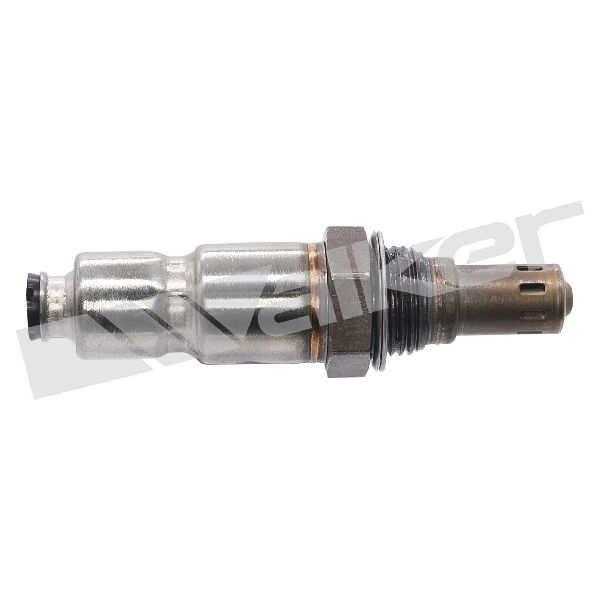
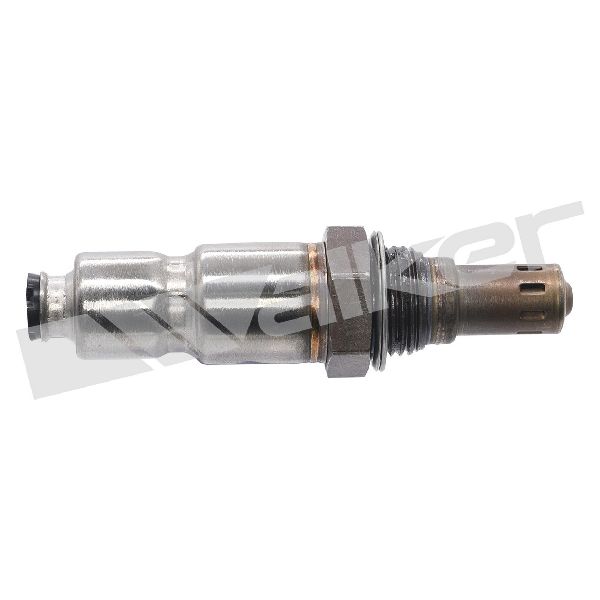
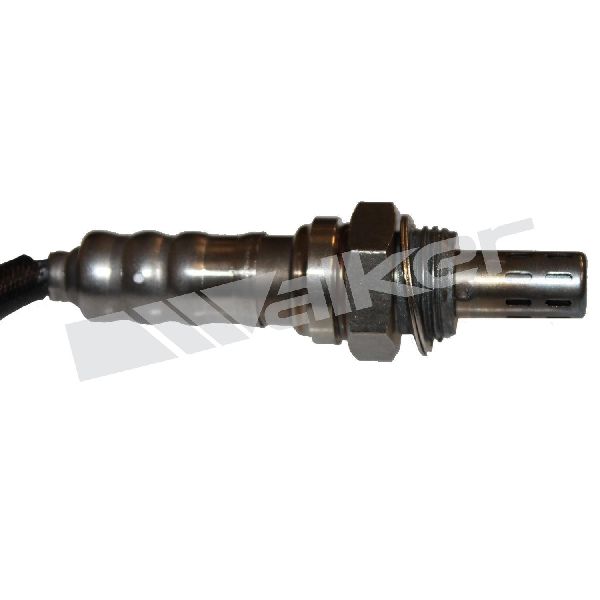
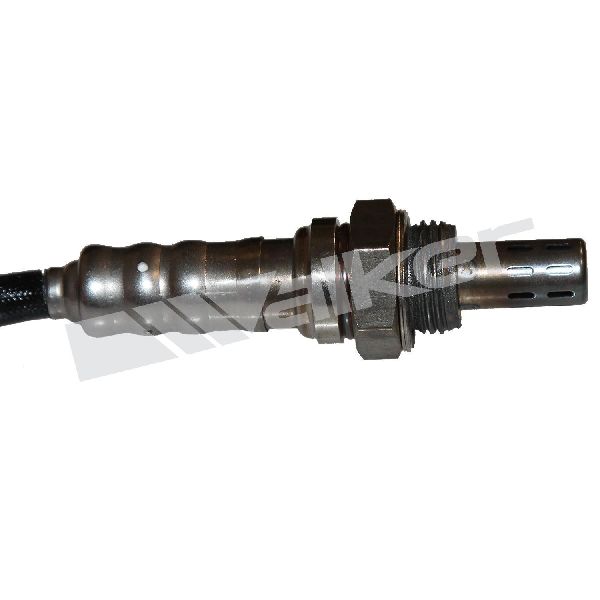
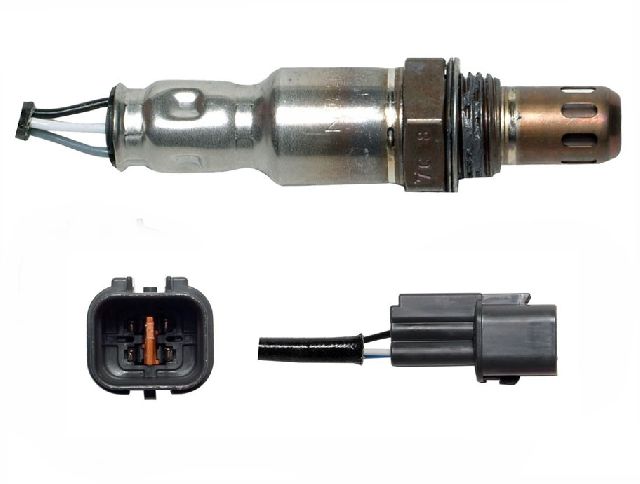
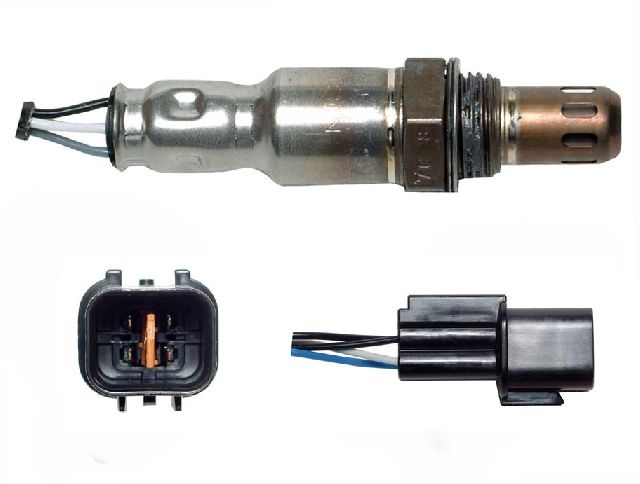
- Downstream Oxygen Sensor (Bank 1, Sensor 2)
(OEM #39210-3CFA0 (Verify with VIN))— This sensor is the primary reporter for this code. It can fail due to age or contamination, sending false lean signals.
Trusted brands: Bosch, Denso, NGK/NTK
OEM price range: $120-$200
Aftermarket price range: $60-$150 - Exhaust Gasket / Flex Pipe — Exhaust leaks are a very common cause of P2096 on these vehicles. The repair may require replacing a specific gasket or the entire flex pipe section if it has cracked.
Trusted brands: Walker Exhaust, Bosal
OEM price range: $50-$400
Aftermarket price range: $25-$250
Related Codes That Often Appear With This One
- P0171 — P0171 indicates a lean condition detected by the *upstream* sensor. If both appear, it points to a more significant vacuum leak or fuel delivery problem affecting the entire bank, rather than just an exhaust leak or downstream sensor issue.
- P1326 — This code is related to Hyundai's Knock Sensor Detection System. Its appearance with P2096, as seen in NHTSA complaint ODI #11566614, could indicate a more severe underlying engine problem that Hyundai has addressed with recalls and warranty extensions for some engines.
- P030X (e.g., P0301, P0304) — Misfire codes can appear with P2096. A misfire allows unburnt oxygen to enter the exhaust, which can be interpreted as a lean condition by the O2 sensors. [ODI 11251875]
Technical Service Bulletins (TSBs) & Recalls
- TSB 13-FL-006 / 14-FL-006: While officially for the Elantra, these bulletins show a history of Hyundai addressing P2096 via ECM software updates to revise the diagnostic logic. It is worth inquiring if a similar campaign exists for the Santa Fe.
Platform-Specific Known Issues
- A NHTSA complaint (ODI #11566614) for a 2013 model showed P2096 appearing alongside P1326, which is tied to the knock sensor detection system and potential engine bearing wear issues that have been subject to Hyundai recalls and warranty extensions.
- Owners on forums like BobIsTheOilGuy.com have noted that on Hyundais, P2096 is very frequently caused by a small exhaust leak in the flex pipe, which allows air to be sucked in, tricking the downstream sensor.
Mechanic-Grade Diagnostic Values
- Downstream O2 Sensor (Bank 1, Sensor 2) Voltage at Idle — expected: Relatively stable voltage above 0.4V, typically 0.45V - 0.55V on a healthy, warm engine.. Failure: Voltage is stuck low (below 0.2V), fluctuates wildly like the upstream sensor, or stays fixed at a specific voltage (e.g., 0.4V) and does not respond to changes in RPM.
- Long-Term Fuel Trim (Bank 1) — expected: Ideally close to 0%. Values up to +/- 5% are generally acceptable.. Failure: A high positive value (e.g., > +10%) indicates the ECM is adding significant fuel to compensate for a perceived lean condition, supporting the P2096 code.
Scan Tool Commands That Help
- Hyundai GDS (Global Diagnostic System): DTC Status Check & Freeze Frame Data — Use this to determine if the fault is currently present or historical and to view the exact engine parameters (RPM, load, temp) at the moment the code was set. This helps replicate conditions for diagnosis.
- Hyundai GDS (Global Diagnostic System): O2 Sensor Data Graphing (B1/S1 vs B1/S2) — Used to visually compare the upstream and downstream sensor signals. A healthy downstream sensor will have a much flatter, steadier line than the rapidly switching upstream sensor. If they mirror each other, the catalytic converter is suspect.
Wiring & Ground Locations
- G52 / G54 / G55 — Located at the left and right rear of the engine compartment.. These are primary engine compartment grounds. A poor connection at these points can introduce electrical noise or incorrect reference voltages for various engine sensors, including the oxygen sensors, potentially causing erroneous readings.
- 4-Wire O2 Sensor Harness — Connector for the downstream O2 sensor, on the exhaust pipe after the catalytic converter.. The four wires typically consist of two for the heater circuit, one for the signal, and one for the sensor ground. Damage or corrosion in the connector or wiring harness can interrupt the signal or heater function, leading to fault codes.
Model Year Variations Within This Range
- 2013-2016 vs 2017-2018: The 2017 model year marked a mid-cycle refresh for the Santa Fe, which included some styling and feature updates. While the core 3.3L V6 powertrain remained the same, there could be minor differences in wiring, connector locations, or part numbers for components like oxygen sensors across these refresh boundaries. Always verify parts with the vehicle's VIN.
Diagnostic Flowchart
Other Known Issues on This Vehicle
Issues unrelated to this code that are worth knowing about as an owner of this generation:
- Connecting Rod Bearing Failure / Engine Seizure 🔴 High — Increasingly reported as vehicles age, can occur under 100,000 miles. A significant number of complaints and lawsuits exist. (Ref: No specific recall for the 3.3L V6 in the Santa Fe LWB, unlike the 2.0T/2.4L engines. However, Hyundai has extended warranties for some vehicles and faced class-action lawsuits.)
- Carbon Buildup on Intake Valves 🟠 Medium — Common to all Gasoline Direct Injection (GDI) engines. Typically becomes noticeable after 60,000-100,000 miles, causing rough idle, misfires, and reduced power.
- Excessive Oil Consumption 🟠 Medium — Often a precursor or symptom of internal engine wear related to piston rings or other issues. More common on higher-mileage engines.
Used vs. New Parts: Buying Guide for This Vehicle
When a used part is the smart pick: Used parts are generally not recommended for the key components related to this code. Oxygen sensors are wear items and buying used provides no guarantee of remaining lifespan. Catalytic converters from junkyards are a major gamble, as their internal condition is unknown and they may be near the end of their life or already inefficient.
Donor-vehicle mileage cap: roughly under 75000 miles for the part to have meaningful remaining life.
What to inspect on the donor part:
- For exhaust components (pipes, manifolds), check for excessive rust, cracks near welds, or physical damage.
- Avoid parts from vehicles that show signs of major engine failure (e.g., oil covering the engine bay) as this could have contaminated the exhaust components.
OEM-only on this vehicle (don't cheap out):
- Catalytic Converter: Aftermarket catalytic converters for Hyundai vehicles are known to sometimes fail prematurely or not meet the specific efficiency thresholds required by the ECM, leading to recurring codes. An OEM converter is expensive but has the highest chance of success.
Aftermarket brands forum-validated for this vehicle:
- NTK (also an OEM supplier)
- Denso
- Bosch
- Walker Products
Brands owners have reported issues with on this vehicle:
- Unbranded, no-name "universal" oxygen sensors or catalytic converters often have poor quality control and may not perform to OE specifications, causing the code to return.
Real Owner Stories
Aggregated from forums and TSBs cited above. Mileages and costs reflect what owners reported in those sources.
2015 Hyundai Santa Fe 3.3L V6 — 58800 miles
Symptoms: Check Engine Light illuminated during a 220-mile return trip. The car started, idled, and cruised normally.
What fixed it: The owner was investigating the commonality of exhaust leaks versus sensor failure based on advice from BobIsTheOilGuy forums.
Source hint: https://bobistheoilguy.com/forums/threads/quality-obd-ii-reader-to-help-diagnose-p2096-code.362335/
2013 Hyundai Santa Fe
Symptoms: Vehicle jerking and Check Engine Light with codes P2096 and P1326.
What fixed it: The issues were tied to the knock sensor detection system and potential engine bearing wear issues.
Source hint: NHTSA complaint ODI #11566614
2013 Hyundai Santa Fe Sport
Symptoms: Downstream O2 sensor reported a steady 0.6-0.7V at idle but dropped to 0V when RPM reached 1500-2000.
What fixed it: Replacement of the faulty Bank 1, Sensor 2 oxygen sensor.
Source hint: Reddit r/MechanicAdvice
Related OBD-II Codes
Frequently Asked Questions
Does TSB 13-FL-006 or 14-FL-006 apply to my 3.3L Santa Fe?
Could the P2096 code on my 2013 Santa Fe be related to the engine bearing recall issues?
Is there a common physical part that fails on the Santa Fe causing this lean code?
Why is my Santa Fe jerking and hesitating with a P2096 code?
Can I use an upstream O2 sensor to replace my failing Bank 1 Sensor 2?
Is the catalytic converter failure common on the 3.3L Lambda II V6?
Helpful Videos
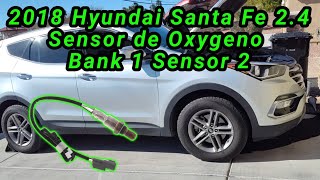
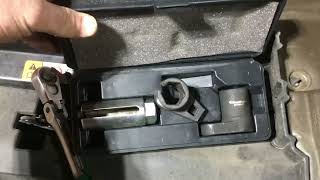

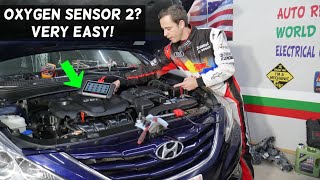
Used OEM Parts in Stock
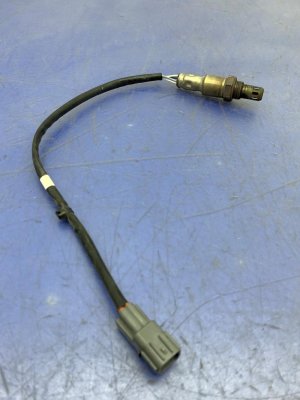
New Aftermarket Parts Available

The information in this article is provided for general reference and educational purposes only. Vehicle specifications, procedures, and part compatibility can vary by production date, trim level, and region. Always consult your vehicle's factory service manual and verify part numbers before purchasing or performing repairs. Safety-critical components such as airbags, seat belts, and braking systems should be installed by a qualified professional.
- Hyundai Santa Fe:
- 🎬 Helpful Videos
- 🛍️ Shop This Part
- What's Unique About the 2013-2018 Hyundai Santa Fe
- Symptoms You May Notice
- Most Likely Causes
- Rare But Worth Checking
- Diagnosis Steps
- Parts You'll Likely Need
- Related Codes That Often Appear With This One
- Technical Service Bulletins (TSBs) & Recalls
- Platform-Specific Known Issues
- Mechanic-Grade Diagnostic Values
- Scan Tool Commands That Help
- Wiring & Ground Locations
- Model Year Variations Within This Range
- Diagnostic Flowchart
- Other Known Issues on This Vehicle
- Used vs. New Parts: Buying Guide for This Vehicle
- Real Owner Stories
- 2015 Hyundai Santa Fe 3.3L V6 — 58800 miles
- 2013 Hyundai Santa Fe
- 2013 Hyundai Santa Fe Sport
- Related OBD-II Codes
- Frequently Asked Questions
- 🎟️ Get 5% Off