

P1778 on 2011-2015 Kia Sorento: Transmission Solenoid Fault Causes and Fixes
On a 2011-2015 Kia Sorento, code P1778 almost always indicates a faulty transmission shift solenoid. Kia issued a technical service bulletin (TSBTRA051R1) advising technicians to replace the solenoids rather than the entire transmission. This is a moderately difficult job best left to a professional.
- P1778 on a 2011-2015 Sorento means there is a fault with a transmission shift solenoid, not a stepper motor.
- Kia issued a TSB (TSBTRA051R1) for this exact problem, confirming the cause and recommending solenoid replacement.
- A corresponding Hyundai TSB (14-AT-003) specifies the fault is with the Torque Converter (T/C) solenoid.
- Do not replace the entire transmission; the TSB explicitly states this is unnecessary for this code.
- This repair is complex and best handled by a qualified transmission specialist.
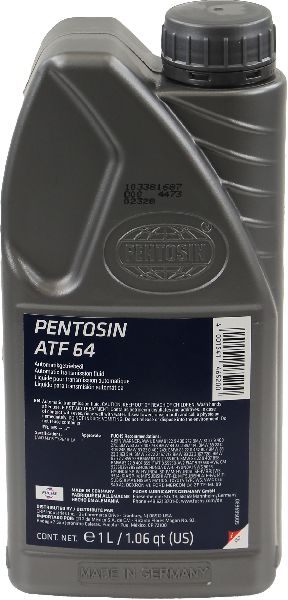
- Always use the manufacturer-specified transmission fluid (ATF SP-IV) when refilling.
What's Unique About the 2011-2015 Kia SORENTO
Many online resources incorrectly define P1778 as a "Stepper Motor" fault related to Continuously Variable Transmissions (CVTs), which is common on Nissan vehicles. This is a critical misinterpretation for the 2011-2015 Kia Sorento, which uses a conventional 6-speed automatic transmission (model A6MF1/A6MF2). Kia has issued a specific Technical Service Bulletin (TSBTRA051R1) that directly links P1778 on this platform to faulty shift solenoids, making this the authoritative diagnosis. A parallel TSB from Hyundai (14-AT-003) for the same family of transmissions confirms this and specifies the T/C solenoid for code P1778.
Diagnostic Flowchart
Tap your situation to follow the diagnostic path that matches what you're seeing on this vehicle.
Symptoms You May Notice
- Check Engine Light is on
- Harsh or delayed gear shifts
- Transmission getting stuck in a single gear (limp mode)
- Vehicle hesitates or has poor acceleration
- Inability to shift into certain gears
- A 'clunk' sound when shifting from Park into Reverse or Drive.
- Diagnosing a 'Stepper Motor' fault. This is incorrect for this Kia model and applies to other manufacturers with CVTs, such as Nissan.
- Replacing the entire transmission assembly. Kia's TSB TSBTRA051R1 explicitly advises against this, stating that replacing the solenoids is the correct and more cost-effective repair.
Most Likely Causes
- Faulty Transmission Shift Solenoid(s) 🔴 High Probability Kia identified a known issue with shift solenoids in the 6-speed automatic transaxle, prompting the release of TSB TSBTRA051R1. The corresponding Hyundai TSB (14-AT-003) specifically points to the Torque Converter (T/C) solenoid for code P1778.
How to confirm: Confirm the presence of code P1778 (or other solenoid-related codes listed in the TSB) using an OBD-II scanner. A technician can perform an electronic test of the specific solenoid circuit. 🎬 See how to clean and test your A6MF1 transmission solenoids. The Hyundai TSB outlines a detailed diagnostic procedure that involves checking resistance and wiring before replacing the solenoid. Most solenoids in the A6MF1 should measure approximately 5.1 ohms, while the two black on/off solenoids should measure around 10-11 ohms.
Typical fix: Replace the faulty solenoid or the entire solenoid pack. The TSB specifically advises this repair over a full transmission replacement. The Hyundai TSB also recommends replacing the internal valve body wiring harness at the same time.
Est. part cost: $150-$400 for a solenoid kit - Low or Dirty Transmission Fluid ⚪ Low Probability While not a direct cause of an electrical fault code, fluid that has broken down or is contaminated with debris can cause solenoids to stick or operate poorly, eventually leading to failure.
How to confirm: Check the transmission fluid level and condition according to the manufacturer's procedure. This transmission does not have a dipstick, so checking is done via fill and level plugs on the case. Fluid should be at the correct level, red in color, and not have a burnt smell.
Typical fix: Perform a transmission fluid drain-and-fill or a fluid flush if the fluid is old, dirty, or low. Use only Kia Genuine ATF SP-IV or a compatible equivalent.
Est. part cost: $75-$200 for fluid - Wiring Harness or Connector Issue ⚪ Low Probability
How to confirm: Visually inspect the wiring harness leading to the transmission for any signs of damage, corrosion, or loose connections. Test for continuity in the solenoid circuit. The Hyundai TSB recommends replacing the internal valve body harness when a solenoid is replaced as a preventative measure. A technician can test the control line wiring for continuity between the main transmission connector and the PCM connector.
Typical fix: Repair or replace the damaged section of the external wiring harness or clean the connectors. Replace the internal valve body harness (Part # 46307-3B***).
Est. part cost: $20-$300 depending on the extent of the damage
Rare But Worth Checking
- Faulty Transmission Control Module (TCM): This is a rare cause. The TCM should only be considered after all solenoid and wiring issues have been definitively ruled out. The Hyundai TSB notes that if the DTC returns after solenoid and harness replacement, the PCM should be replaced.
Diagnosis Steps
- Connect an OBD-II scanner to the vehicle's diagnostic port and confirm that P1778 is present. Check for any other related transmission codes listed in TSB TSBTRA051R1.
- Check the transmission fluid level and condition. This requires raising the vehicle and opening the fill/level plugs. The fluid should be clean, red, and not burnt.
- Inspect the transmission's external wiring harness and connectors for any visible damage, corrosion, or loose connections.
- If the fluid and wiring are okay, the next step is to access the transmission's internal components.
- Following the service manual procedure, drain the transmission fluid and remove the transmission oil pan to access the valve body and solenoids.
- According to the related Hyundai TSB 14-AT-003, identify and replace the Torque Converter (T/C) solenoid for code P1778.
- It is highly recommended to also replace the internal valve body wiring harness (Hyundai part family 46307) at the same time as the solenoid.
- Reassemble the transmission with a new pan gasket, refill with the correct type and amount of Kia-specified automatic transmission fluid (ATF SP-IV), and clear the trouble codes.
- Test drive the vehicle for two complete driving cycles (key-on to key-off including all upshifts and downshifts) to ensure the shifting issue is resolved and the code does not return.
Parts You'll Likely Need
- Transmission Solenoid Kit
(OEM #46313-3B030 (Shift Solenoid A/B), full kit varies)— This is the most common point of failure for code P1778 on this vehicle, as identified by Kia's own service bulletin. The Hyundai TSB specifically identifies the T/C solenoid for P1778. A common replacement part number for individual shift solenoids in this transmission is 46313-3B030.
Trusted brands: Hyundai / Kia (OEM), Rostra, Sheng Hai
OEM price range: $300-$500
Aftermarket price range: $89-$350 - Automatic Transmission Fluid
(OEM #UM040-CH020 (for 12 qt case))— Fluid must be replaced when servicing internal transmission components. Only SP-IV fluid should be used.
Trusted brands: Kia Genuine ATF SP-IV, Hyundai Genuine ATF SP-IV
OEM price range: $15-$25 per quart
Aftermarket price range: $10-$18 per quart - Transmission Oil Pan Gasket
(OEM #45282-2** or 45283-3**)— A new gasket is required to prevent leaks after removing the oil pan for service.
Trusted brands: Fel-Pro, Mahle, Hyundai / Kia (OEM)
OEM price range: $25-$50
Aftermarket price range: $15-$30 - Valve Body Internal Wire Harness
(OEM #46307-3B650 (example, verify by VIN))— The related Hyundai TSB recommends replacing this harness whenever a solenoid is replaced to prevent future issues.
Trusted brands: Hyundai / Kia (OEM)
OEM price range: $30-$60
Related Codes That Often Appear With This One
- P0741 — Torque Converter Clutch Circuit Performance or Stuck Off
- P0743 — Torque Converter Clutch Circuit Electrical
- P0748 — Pressure Control Solenoid 'A' Electrical
- P0753 — Shift Solenoid 'A' Electrical
- P0758 — Shift Solenoid 'B' Electrical
- P0763 — Shift Solenoid 'C' Electrical
- P0768 — Shift Solenoid 'D' Electrical
- P0773 — Shift Solenoid 'E' Electrical
- P2709 — Shift Solenoid 'F' Electrical
Technical Service Bulletins (TSBs) & Recalls
- TSBTRA051R1: Provides information for replacing various shift solenoids in 6-speed automatic transaxles for DTCs including P1778, and advises against replacing the entire transaxle.
- Hyundai 14-AT-003: A TSB for the same family of transmissions used in various Hyundai models. It explicitly states that for DTC P1778, the Torque Converter (T/C) solenoid should be replaced along with the valve body harness.
Platform-Specific Known Issues
- The 6-speed automatic transmission (A6MF1/A6MF2) in this generation of Sorento is subject to a Technical Service Bulletin (TSBTRA051R1) for a range of solenoid-related fault codes, including P1778, indicating a known pattern of failure for these components.
- A Reddit user with a 2011 Sorento described symptoms including violent lurches when shifting and a clunking sound, which align with potential solenoid failure, although their specific codes were different.
Mechanic-Grade Diagnostic Values
- Resistance of Variable Force Solenoids (VFS) — expected: 5.1 Ohms (± 0.3 Ohms). Failure: A reading that is significantly higher, lower, or open (infinite resistance).
- Resistance of On/Off Shift Solenoids (Black Connectors) — expected: 10-11 Ohms. Failure: A reading outside of this range indicates a faulty solenoid coil.
- Solenoid Bench Test — expected: An audible 'click' when a 9V battery is briefly applied to the solenoid's terminals.. Failure: No click, or an inconsistent click, suggests the solenoid is mechanically stuck, even if its resistance is correct.
Scan Tool Commands That Help
- Kia GDS (Global Diagnostic System): Actuation Test / Live Data Monitoring — A technician can use the GDS to command specific solenoids to activate and monitor the current (mA) supplied by the TCM. For example, a VFS solenoid should show a current of 850 mA when commanded on and a low current (e.g., 50 mA) when off. This can confirm if the TCM is sending the correct signal and helps differentiate between a wiring, solenoid, or TCM fault.
Wiring & Ground Locations
- TCM Connector — The Transmission Control Module (TCM) is integrated with the Powertrain Control Module (PCM) on this vehicle, located in the engine bay.. Technicians can test the solenoid's circuit wiring integrity by checking for continuity and resistance between the main transmission case connector and the corresponding pins at the TCM connector, ruling out an open or short in the harness.
- Solenoid Control Line Pin — For the A6MF1, the control wire for a given solenoid can be identified at the main transmission connector and the TCM connector. For example, on some models, the 2-6 brake solenoid control wire is red and located at pin 11 of the transmission connector.. Knowing the specific pin number allows for a targeted electrical test of the circuit for the suspected faulty solenoid (in this case, the T/C solenoid) without having to remove the transmission pan first.
Real Owner Repair Stories
- YouTube user comment on 'MotorCarNut' channel (2011 Kia Sorento 2.4L) — Shifting problems, loss of acceleration and power, especially on hills. In automatic mode, it had shifting problems, but in manual/sport mode, it would shift through all gears, though still with a lack of power.
❌ Tried (didn't work) Replacing spark plugs, Replacing the torque converter, Replacing the internal wiring harness and temperature sensor
✅ What actually fixed it The user did not post a final fix, but their experience highlights a critical diagnostic step: even after replacing the torque converter and harness, the problem persisted. This points strongly toward the remaining components—the solenoids themselves or a hydraulic blockage in the valve body—as the likely culprits, reinforcing the TSB's guidance to focus on the solenoids.
OEM Part Supersession History
46313-3B000, 46313-3B030→Varies, includes 46313-3B073, 46313-3B075— Part revisions to improve reliability.
Heads up: It is critical to use solenoids specifically for the A6MF1/A6MF2 transmission. While solenoids from the A6LF family may look physically similar, they have different internal resistance values and spool geometry. Installing the wrong type will cause incorrect feedback to the TCM, leading to harsh shifts or failure to engage gears.
Model Year Variations Within This Range
- 2014-2015: The Sorento received a significant mid-cycle refresh for the 2014 model year, which included a revised chassis, front/rear styling, and instrument panel. While the A6MF 6-speed automatic transmission was carried over, the manual transmission option was discontinued for 2015. These changes did not fundamentally alter the P1778 diagnosis, but technicians should be aware of potential wiring or connector differences post-facelift.
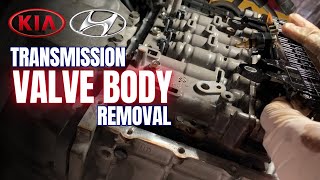
Helpful Videos



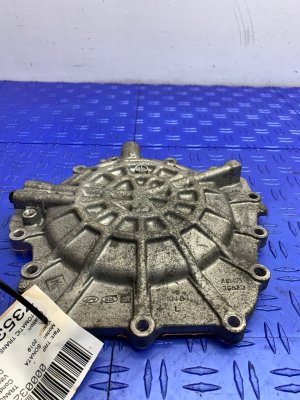
Used OEM Parts in Stock

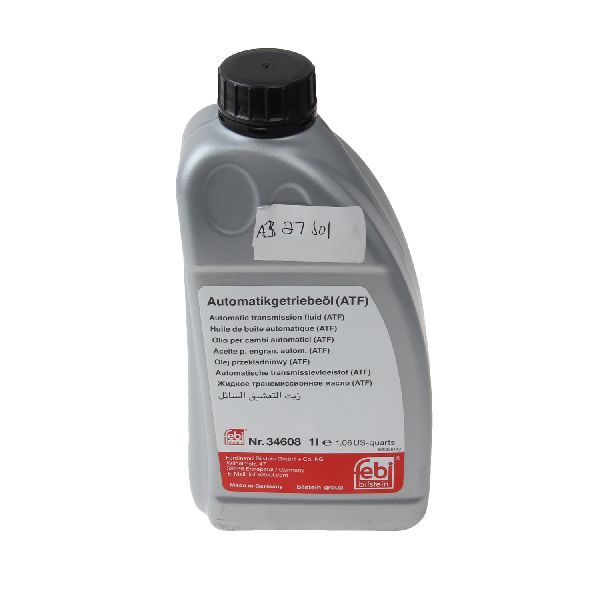
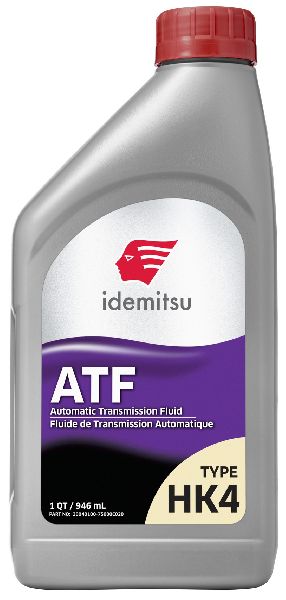
New Aftermarket Parts Available




The information in this article is provided for general reference and educational purposes only. Vehicle specifications, procedures, and part compatibility can vary by production date, trim level, and region. Always consult your vehicle's factory service manual and verify part numbers before purchasing or performing repairs. Safety-critical components such as airbags, seat belts, and braking systems should be installed by a qualified professional.
- Kia SORENTO:
- 🎬 Helpful Videos
- 🛍️ Shop This Part
- What's Unique About the 2011-2015 Kia SORENTO
- Diagnostic Flowchart
- Symptoms You May Notice
- Most Likely Causes
- Rare But Worth Checking
- Diagnosis Steps
- Parts You'll Likely Need
- Related Codes That Often Appear With This One
- Technical Service Bulletins (TSBs) & Recalls
- Platform-Specific Known Issues
- Mechanic-Grade Diagnostic Values
- Scan Tool Commands That Help
- Wiring & Ground Locations
- Real Owner Repair Stories
- OEM Part Supersession History
- Model Year Variations Within This Range
- 🎟️ Get 5% Off