

P1738 on 2012-2013 Mazda MAZDA3: Automatic Transaxle Malfunction Causes and Fixes
On a 2012-2013 Mazda3, P1738 indicates an internal transmission failure, almost always caused by a faulty valve body or its internal pressure switches. The official fix, per Mazda TSBs, is often to replace the entire valve body assembly, a costly repair best left to professionals. In some cases, replacing only the pressure switches and performing a TCM software update can resolve the issue.
- P1738 on a 2012-2013 Mazda3 is a serious code indicating a known internal transmission issue.
- The cause is almost always a faulty control valve body or its internal pressure switches, a problem acknowledged by Mazda in multiple service bulletins.
- This is not a DIY repair. It requires expensive parts, specialized tools for reprogramming, and knowledge of internal transmission work.
- Check for accompanying codes like P0780, P0842, and P0847 to confirm the diagnosis.
- Ensure only Mazda ATF-FZ fluid is used in the transmission.
What's Unique About the 2012-2013 Mazda MAZDA3
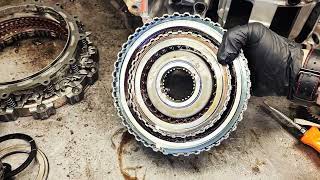
The 2012-2013 Mazda3 was among the first to use the new SKYACTIV-DRIVE 6-speed automatic transmission (model FW6A-EL). 🎬 Watch: A detailed overview of the Skyactiv-Drive transmission system. Early production models were prone to an issue where contamination in the transmission fluid would cause internal oil pressure switches to stick. This problem became so common that Mazda issued numerous Technical Service Bulletins (TSBs) outlining the diagnosis and repair. For early VINs, the fix was a complete valve body replacement, while later procedures sometimes allow for just replacing the switches and reprogramming the TCM.
Diagnostic Flowchart
Tap your situation to follow the diagnostic path that matches what you're seeing on this vehicle.
Symptoms You May Notice
- Check Engine Light is on
- Automatic Transaxle (AT) warning light is on
- Harsh or erratic shifting
- Transmission gets stuck in one gear (limp mode)
- Delayed engagement when shifting from Park to Drive or Reverse
- Manual shift mode is disabled
- A feeling of a strong "glitch" or shake when the transmission attempts to shift at highway speeds
- Replacing only the Transmission Control Module (TCM). While the TCM stores the code and may need reprogramming, the fault is almost always mechanical or electro-hydraulic within the valve body itself.
- Assuming the entire transmission needs to be replaced immediately. While this is a possible outcome if the issue is ignored, the more common and targeted repair is the valve body assembly or just the pressure switches.
Most Likely Causes
- Faulty Transmission Control Valve Body 🔴 High Probability As documented in multiple Mazda TSBs (e.g., 05-005/13), early production SKYACTIV valve bodies were susceptible to internal failures from contamination. For certain VIN ranges, Mazda's official repair is to replace the entire assembly. A Reddit user with a 2015 model reported a dealer quote of ~$1800 for this job.
How to confirm: Confirm the vehicle's VIN falls within the range specified in TSBs (e.g., produced before September 28, 2012). A professional diagnosis with a scan tool monitoring transmission parameters is required. If the TCM is internal to the valve body and shows no communication, the entire unit must be replaced.
Typical fix: Replace the entire control valve body assembly with the updated part. This must be followed by a TCM reprogramming and an 'Initial Learning Procedure'.
Est. part cost: $700-$1400 - Sticking Internal Oil Pressure Switches 🔴 High Probability TSBs explicitly state that contamination in the transmission fluid causes pressure switches 'A' and/or 'B' on the valve body to stick, triggering this code. This is the root cause of the valve body issue.
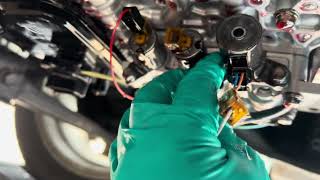
How to confirm: This is diagnosed when P1738 is accompanied by specific pressure switch codes like P0842, P0847, P0872, or P0877. A technician can test the switches, but they are integral to the valve body assembly. 🎬 Watch: How to locate the transmission sensors on a Mazda 3.
Typical fix: Replace the faulty oil pressure switches (A and B) located on the valve body and perform a TCM software update. This is a less expensive alternative to replacing the entire valve body and is the prescribed fix in later TSBs if the vehicle has an updated TCM calibration.
Est. part cost: $150-$300 for switches, but often part of the valve body replacement. - Contaminated or Low Transmission Fluid (ATF) 🟡 Medium Probability While not always the direct cause, low fluid levels can cause pressure issues, and contaminated fluid is the root cause of the pressure switches sticking. The SKYACTIV-DRIVE transmission is sensitive to fluid type and condition.
How to confirm: A physical inspection of the transmission fluid level and condition is required. The fluid should be at the correct level and be bright red, not dark or burnt-smelling. This check must be done at a specific operating temperature.
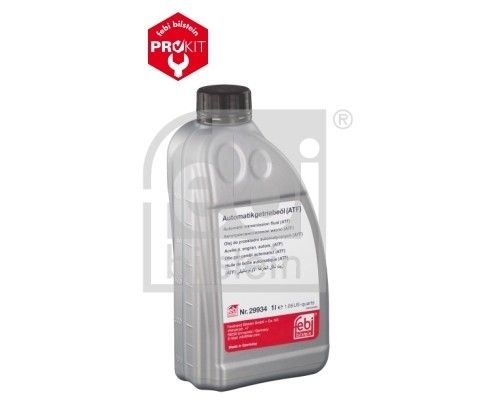
Typical fix: Perform a transmission fluid drain-and-fill using only Mazda ATF-FZ. 🎬 See this step-by-step guide for changing your Skyactiv ATF fluid. If the fluid is heavily contaminated, this may not be enough to free the stuck components and parts replacement will be necessary.
Est. part cost: $60-$120 for fluid
Rare But Worth Checking
- Complete Internal Transmission Failure:
Diagnosis Steps
- Verify the Check Engine Light and AT warning lights are on.
- Scan the TCM for codes. Note P1738 and any other codes present, especially P0780, P0842, P0847, P0872, and P0877.
- Check the vehicle's VIN against Mazda TSBs (like 05-005/13) to see if it falls into the known problematic production range.
- Professionally inspect the transmission fluid level and condition. The vehicle must be level and the fluid at a specific operating temperature (typically 40-50°C for an accurate reading).
- If the VIN is in range and related codes are present, the diagnosis points directly to the valve body or its switches, per Mazda's own documentation.
- If the cause is still unclear, a technician may use a professional scan tool to monitor live data from the transmission's sensors and solenoids during operation.
- Follow the specific repair path outlined in the relevant TSB, which may be TCM reprogramming, oil pressure switch replacement, or valve body replacement.
Parts You'll Likely Need
- Control Valve Body Assembly
(OEM #PYX0-21-C00 (supersedes PEY0-21-C00))— This is the official replacement part cited in Mazda TSBs for early-production 2012-2013 Mazda3s to fix the root cause of the P1738 code. The part number has been updated by Mazda.
Trusted brands: Mazda OE
OEM price range: $1100-$1400
Aftermarket price range: $500-$900 - Oil Pressure Switch 'A'
(OEM #FZ01-21-2C0)— For vehicles with updated TCM software, TSBs allow for the replacement of just the switches. This is one of the two switches that commonly fails.
Trusted brands: Mazda OE
OEM price range: $70-$120
Aftermarket price range: $40-$80 - Oil Pressure Switch 'B'
(OEM #FZ01-21-2J0)— For vehicles with updated TCM software, TSBs allow for the replacement of just the switches. This is the second of the two switches that commonly fails.
Trusted brands: Mazda OE
OEM price range: $70-$120
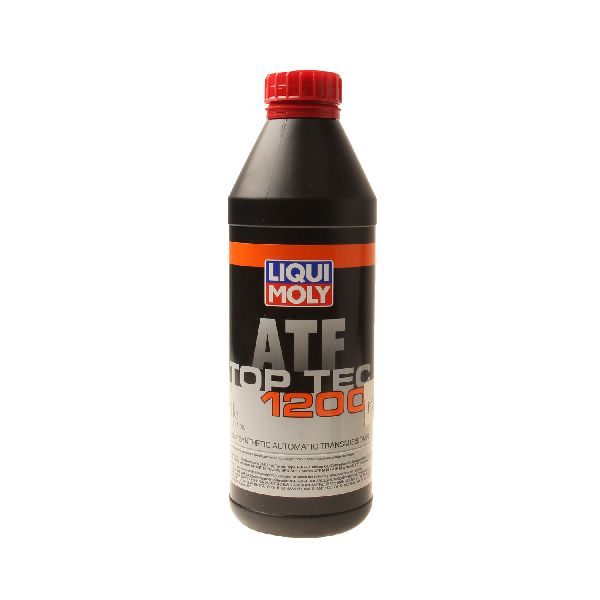
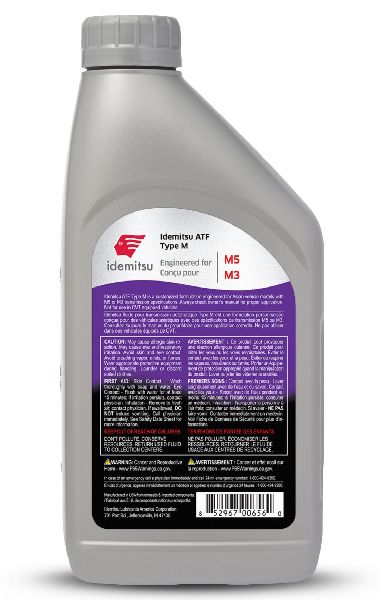
Aftermarket price range: $40-$80 - Automatic Transmission Fluid FZ
(OEM #0000-FZ-113E-01)— This is the specific fluid required for the SKYACTIV-DRIVE transmission. Using any other fluid can cause damage. A fluid change is necessary when replacing the valve body or switches.
Trusted brands: Mazda OE, Idemitsu ATF Type M-S, Ravenol ATF FZ
OEM price range: $18-$25 per quart
Aftermarket price range: $12-$20 per quart
Related Codes That Often Appear With This One
- P0780 — This code for 'Gear Shifting Malfunction' is a direct symptom of the internal hydraulic issue that also causes P1738. They are frequently cited together in Mazda TSBs.
- P0842, P0847, P0872, P0877 — These codes correspond to specific oil pressure switches (A and B) being stuck on. Their presence alongside P1738 strongly confirms the diagnosis of a stuck switch or valve body failure.
Technical Service Bulletins (TSBs) & Recalls
- 05-002-23: The most recent TSB, which consolidates information and confirms P1738 is caused by stuck pressure switches due to contamination across multiple Mazda models.
- 05-005/13: A key early bulletin for 2012-2013 Mazda3s, advising replacement of the entire valve body assembly for specific VINs.
- 05-005/14, 05-002/15, 05-005/16, 05-004/18, 05-003/20: A series of superseding TSBs that cover this issue across multiple Mazda models, confirming the cause is contamination sticking the pressure switches and evolving the repair from mandatory valve body replacement to potential switch-only replacement.
Platform-Specific Known Issues
- Mazda issued multiple TSBs for this exact problem, including 05-002-23, 05-005/14, and 05-005/13, which specifically address P1738 and related codes on the 2012-2013 Mazda3.
- TSB 05-005/13 specifically calls for replacing the valve body assembly on vehicles produced before September 28, 2012 (VINs lower than JM1BL**733728).
- Later TSBs like 05-002/15 and 05-002-23 shifted the repair procedure for some vehicles to first reprogramming the TCM, and only replacing
Mechanic-Grade Diagnostic Values
- Pressure Control Solenoid Resistance — expected: 5-7 Ohms. Failure: Reading outside of this range indicates a faulty solenoid.
- On/Off Solenoid Resistance — expected: 11-14 Ohms. Failure: Reading outside of this range indicates a faulty solenoid.
- ATF Temperature for Initial Learning Procedure — expected: 60—110 °C (140—230 °F). Failure: Performing the learning procedure outside this temperature range may cause it to fail or not complete correctly.
- ATF Temperature for Diagnostic Condition — expected: 20 °C (68 °F) or more. Failure: The TCM may not run the diagnostic test that sets this code if the fluid is colder than this temperature.
Hidden / Shadow Codes Worth Checking
- P1738:00: The ':00' is a Failure Type Code (FTC) indicating a general 'Component Failure'. Mazda's diagnostic manual states this means the 'malfunction location cannot be determined based on combination of gear ratio malfunction and oil pressure switch pattern malfunction', confirming it's a non-specific internal fault. (see via Professional scan tools like Mazda's M-MDS or advanced aftermarket tools will display the full DTC with the FTC. Basic OBD-II readers may only show 'P1738'.)
Scan Tool Commands That Help
- Mazda M-MDS: Initial Learning Procedure — This procedure is mandatory after replacing the control valve body or any of the internal oil pressure switches. It allows the TCM to relearn clutch engagement points and hydraulic parameters. Failure to perform this can result in poor shifting or continued fault codes. The procedure is found under 'Data logger' -> 'Module' -> 'TCM' and must be done with the ATF temperature between 60-110 °C.
- Mazda M-MDS: TCM Reprogramming — For 2012-2013 Mazda3 models within the VIN range JM1BL**500001 - 733727, a TCM reprogram to the latest software version is required as part of the repair procedure outlined in TSBs. This updates the diagnostic logic related to the pressure switches.
Real Owner Repair Stories
- Reddit user on r/mazda3 (2025 Mazda 3 (Newer model, but relevant SKYACTIV transmission behavior)) — Transmission malfunction message at only 3,900 miles, with codes P1738 and U0401.
✅ What actually fixed it The dealer performed a TCM 'relearn' under warranty, which resolved the issue. The dealer noted that if the problem persisted, a full transmission replacement would be the next step, as per their procedure for this code on a new vehicle. - Owner story for a related Mazda model (Mazda CX-5 (Uses same FW6A-EL transmission family and suffers from the same TSB-documented issue)) — AT warning light with code P0847 (Pressure Switch 'B' Circuit Low).
❌ Tried (didn't work) The dealership quoted $1,040 to replace only the single failed pressure switch ('B'), contradicting Mazda's own TSB.
✅ What actually fixed it The owner, having read the TSB, knew the correct procedure was to replace BOTH pressure switches (A and B) at the same time. They declined the dealer's incorrect and partial repair, proving the value of being informed by TSBs.
OEM Part Supersession History
PEY0-21-C00→PYX0-21-C00— Updated part from Mazda to address the contamination and switch-sticking issues found in early production valve bodies.
Model Year Variations Within This Range
- 2012-2013: The 2012 model year was the first to introduce the SKYACTIV-G engine and SKYACTIV-DRIVE 6-speed automatic transmission to the Mazda3 platform. TSB 05-005/13 notes a specific VIN cutoff for early production models (before VIN JM1BL**733728) that require a valve body replacement, while later models may be fixed with just pressure switches or software updates.
Helpful Videos




Used OEM Parts in Stock

New Aftermarket Parts Available



The information in this article is provided for general reference and educational purposes only. Vehicle specifications, procedures, and part compatibility can vary by production date, trim level, and region. Always consult your vehicle's factory service manual and verify part numbers before purchasing or performing repairs. Safety-critical components such as airbags, seat belts, and braking systems should be installed by a qualified professional.
- Mazda MAZDA3:
- 🎬 Helpful Videos
- 🛍️ Shop This Part
- What's Unique About the 2012-2013 Mazda MAZDA3
- Diagnostic Flowchart
- Symptoms You May Notice
- Most Likely Causes
- Rare But Worth Checking
- Diagnosis Steps
- Parts You'll Likely Need
- Related Codes That Often Appear With This One
- Technical Service Bulletins (TSBs) & Recalls
- Platform-Specific Known Issues
- Mechanic-Grade Diagnostic Values
- Hidden / Shadow Codes Worth Checking
- Scan Tool Commands That Help
- Real Owner Repair Stories
- OEM Part Supersession History
- Model Year Variations Within This Range
- 🎟️ Get 5% Off