

P1621 on 2013-2015 Ford Flex: Immobilizer Fault Causes and Fixes
This code means your Ford Flex's anti-theft system (PATS) isn't recognizing the key, causing a no-start. The most likely causes are a weak vehicle battery or a faulty key. Always test the battery and try a spare key before replacing any expensive modules.
- P1621 means your Flex won't start because of an anti-theft system error.
- Before any complex repairs, fully charge and test your vehicle's 12V battery and try your spare key.
- Do not confuse this immobilizer code with the more common Ford Flex no-start issue caused by the Fuel Pump Driver Module (FPDM).
- Most repairs, including key or module replacement, will require programming with a specialized scan tool.
- The problem could be as simple as a dead battery in your key fob.
What's Unique About the 2013-2015 Ford Flex
On many modern Fords, including the Flex, the PATS immobilizer control function is not in a standalone box but is integrated into another major component, like the Instrument Cluster (IC). This integration is confirmed by service procedures which show that a PATS parameter reset requires communication with the Instrument Cluster. While no widespread P1621 issue is documented for the Flex specifically, this design means that what appears to be an anti-theft problem can sometimes stem from a fault within the instrument panel itself, a known issue on other Fords of this era like the Focus. Unlike other common Flex no-start issues caused by the Fuel Pump Driver Module (which was subject to recall 16S31), P1621 points directly to the security system.
Symptoms You May Notice
- Engine will not crank or start
- Engine starts briefly and then immediately stalls
- Flashing anti-theft or security light on the dashboard (typically flashes rapidly, versus the slow blink of a normally armed system).
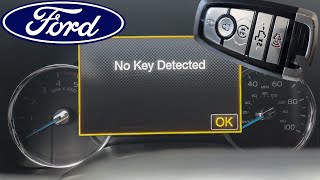
- Message on the dash such as 'No Key Detected'
- Check Engine Light is illuminated
- Replacing the Fuel Pump Driver Module (FPDM). A failed FPDM is a very common cause for a no-start or stalling condition on the Ford Flex and was subject to recall 16S31. However, this is a fuel system issue and will typically set fuel-related codes, not the P1621 immobilizer code.
Most Likely Causes
- Weak or Dead 12V Vehicle Battery 🔴 High Probability Modern vehicles are sensitive to low voltage. A voltage drop below 9.6V during cranking can corrupt the startup self-test communication between modules, triggering a false P1621 code.
How to confirm: Test the battery voltage with a multimeter. It should be above 12.4V with the engine off. Perform a load test to check its health. Check for corroded terminals.
Typical fix: Recharge or replace the vehicle battery. Clean the battery terminals and cable ends.
Est. part cost: $150-$300 - Faulty Transponder Key or Key Fob Battery 🟡 Medium Probability The transponder chip in the key head is unpowered and can be damaged by drops or moisture. For push-button start fobs, the internal battery (typically a CR2032) can die, preventing communication.
How to confirm: Try starting the vehicle with a known-good spare key. If the spare key works, the original key is faulty. For push-button start models, replace the battery inside the key fob or try placing the fob in the backup slot (often in the center console) to start the vehicle.
Typical fix: Replace the battery in the key fob or have a new key cut and programmed by a dealer or automotive locksmith. A minimum of two keys must be programmed for the system to function.
Est. part cost: $5-$15 for a fob battery, $150-$400 for a new programmed key. - Faulty PATS Transceiver (Antenna) 🟡 Medium Probability
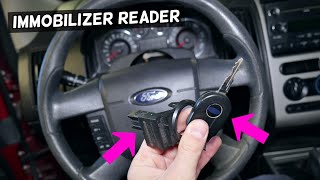
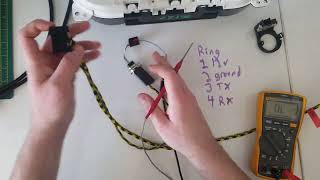
How to confirm: The transceiver is the ring around the ignition lock cylinder that reads the key. Diagnosis requires a scan tool capable of monitoring PATS data to see if the key's signal is being received. 🎬 See how to troubleshoot a faulty PATS security transponder ring A common failure is a break in the wiring to the transceiver.
Typical fix: Replace the PATS transceiver module. This part is typically located on the ignition lock cylinder housing and is often a straightforward replacement, 🎬 Watch: How to locate and replace the PATS transceiver antenna though key reprogramming may be required.
Est. part cost: $50-$120 - Wiring Harness Issue ⚪ Low Probability
How to confirm: Visually inspect the wiring and connectors between the PATS transceiver, the instrument cluster (which houses the PATS module), and the PCM for damage, corrosion, or loose connections. A multimeter would be needed to check for continuity on the communication lines.
Typical fix: Repair or replace the damaged section of the wiring harness or the faulty connector.
Est. part cost: $20-$200 depending on the extent of the damage.
Rare But Worth Checking
- Instrument Cluster (IC) Failure: On many Ford platforms of this era, the PATS module is integrated into the instrument cluster. A failure of the cluster's internal circuit board, often due to cracked solder joints on the main connector, can cause a P1621 code and other communication codes like U1900 or U0155. This was a very common issue on the Ford Focus and can occur on the Flex as well.
- Powertrain Control Module (PCM) Failure: While it's the last thing to suspect, the PCM itself can fail and be unable to process the immobilizer handshake. This is rare and should only be considered after all other possibilities are exhausted.
Diagnosis Steps
- Check Vehicle Battery: Ensure the battery is fully charged (12.4V+) and passes a load test. Clean any corrosion from the terminals. A weak battery is a common cause of false communication codes.
- Try a Spare Key: Attempt to start the vehicle with a second, known-good key to rule out a faulty primary key transponder.
- Check Key Fob Battery: If equipped with push-button start, replace the battery inside the key fob (typically a CR2032).
- Scan for Codes: Use a Ford-capable OBD-II scanner to read codes from all modules (PCM, BCM, IC). Note any other PATS-related (B-prefix) or communication (U-prefix) codes, as they can point to the root cause.
- Inspect PATS Transceiver: Check the wiring and connector at the PATS antenna ring around the ignition cylinder for any visible damage or looseness.
- Professional Diagnosis: If the above steps do not resolve the issue, the problem likely lies with the PATS module (in the instrument cluster), the PCM, or a wiring fault that requires advanced diagnostic tools to trace. A parameter reset or key reprogramming will be necessary.
Parts You'll Likely Need
- Transponder Key — The chip inside the key can fail, preventing it from being recognized by the vehicle's anti-theft system.
Trusted brands: Motorcraft
OEM price range: $150-$400 (including programming)
Aftermarket price range: $75-$200 (including programming) - PATS Transceiver Antenna
(OEM #DG1Z-15607-A (Note: Part number may vary, 8G1Z-15607-A is for earlier models, confirm with VIN))— This component reads the transponder chip in the key. If it fails, the security code is never sent to the control module.
Trusted brands: Motorcraft
OEM price range: $70-$120
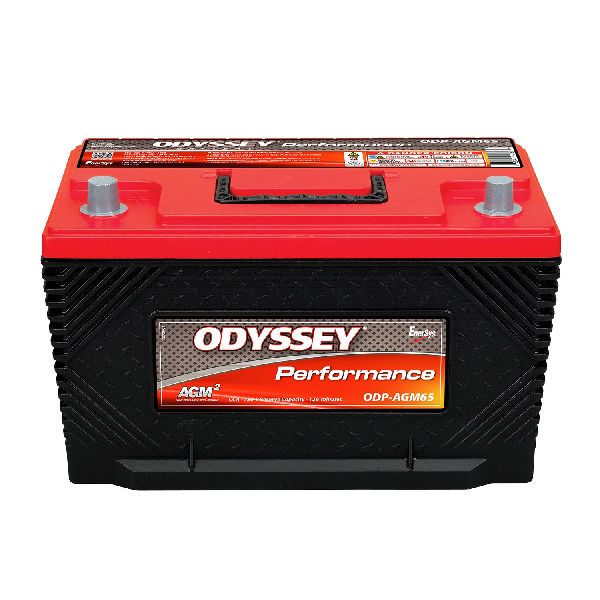
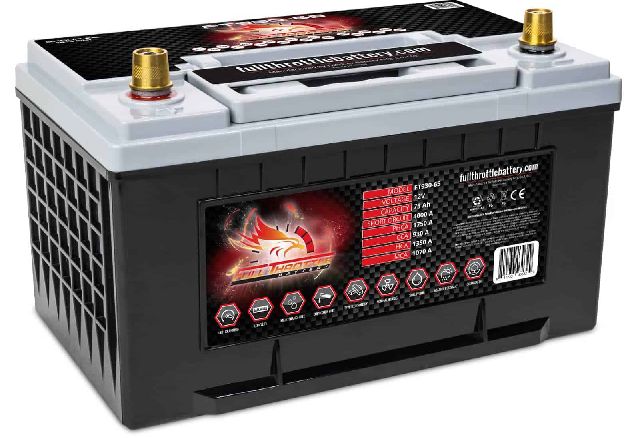
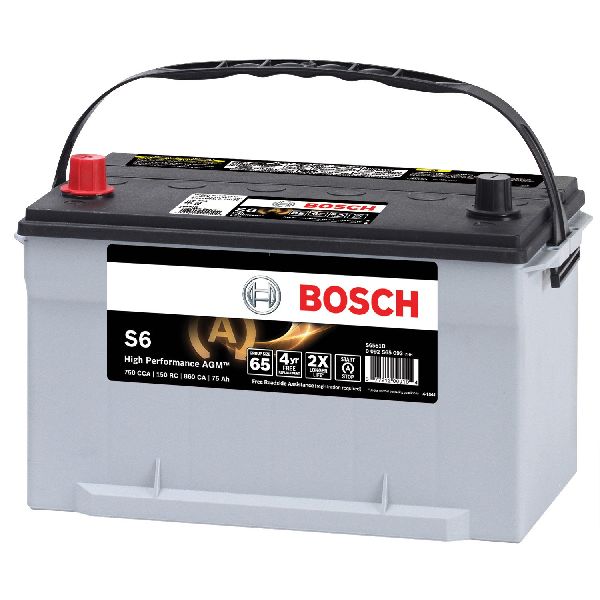
Aftermarket price range: $40-$80 - Vehicle Battery — Low voltage during startup is a frequent cause of communication errors between the security modules, leading to a false P1621 code.
Trusted brands: Motorcraft, Interstate, DieHard
OEM price range: $200-$300
Aftermarket price range: $150-$250
Related Codes That Often Appear With This One
- B10DA — This is a Ford-specific Body Control Module code for 'PATS Target Identification Failure', often appearing with P1621 to indicate the system failed to read the key.
- U0100 — Lost Communication With ECM/PCM. If there are network communication issues between modules, the immobilizer handshake can fail, leading to P1621.
- U0155 — Lost Communication With Instrument Panel Cluster (IPC) Control Module. This code is a strong indicator that the fault lies within the instrument cluster itself, which contains the PATS module for this vehicle.
Mechanic-Grade Diagnostic Values
- CAN Bus Network Resistance — expected: ~60 Ohms across CAN High and CAN Low (pins 6 and 14 of OBD-II port). Failure: 120 Ohms indicates an open circuit or offline module; ~0 Ohms indicates a short between the CAN wires.
- CAN Bus Voltage (Key On, Engine Off) — expected: CAN High (Pin 6 to ground): ~2.6V, CAN Low (Pin 14 to ground): ~2.4V. Failure: Voltages stuck high, low, or at 0V indicate a short or open circuit.
- PATS Transceiver Power — expected: Battery voltage (~12V) at Pin 1 of the transceiver connector, using Pin 2 as ground, with the key in the ON position.. Failure: No voltage indicates a power or ground supply issue to the transceiver.
- PATS Transceiver Receive Circuit to Ground Resistance — expected: Greater than 10,000 Ohms. Failure: Low resistance indicates a short to ground in the wiring between the transceiver and the Instrument Cluster. Test at IPC connector C220, pin 23 (Yellow/Orange wire).
Hidden / Shadow Codes Worth Checking
- PATS LED Flash Code 16: A repeating pattern of one flash, a pause, then six flashes of the dashboard anti-theft light. This specifically indicates a communication failure between the PATS module (in the Instrument Cluster) and the PCM. (see via Turn the key to the ON position. The theft light will flash rapidly for about a minute, then begin flashing the two-digit diagnostic code.)
- B10D7:87: PATS Key: Missing Message. This indicates that no PATS key was read by the Instrument Cluster. This points directly to a faulty key or a failed transceiver antenna. (see via Ford-capable diagnostic scan tool (like IDS, Forscan, or high-end Autel/Snap-on) connected to the vehicle.)
- B1681: PATS Transceiver Signal Not Received. This is an older code format but means the same as B10D7:87, pointing to a failure in the transceiver antenna or its wiring. (see via Ford-capable diagnostic scan tool.)
Scan Tool Commands That Help
- Ford IDS (or equivalent): Parameter Reset — This function is mandatory when replacing the PCM or the Instrument Cluster. It forces the modules to re-establish their security handshake. The process requires a 10-minute security access wait.
- Ford IDS (or equivalent): Ignition Key Code Erase — After a parameter reset or when adding/removing keys, all existing keys must be erased from the system's memory before programming a new set. A minimum of two keys must be programmed.
- Forscan: Module Configuration (As-Built format) — When installing a used instrument cluster, this function is used to write your vehicle's original VIN and feature configuration into the replacement module, ensuring all gauges and options work correctly.
- Ford IDS: PATS Self-Test — This is an on-demand test that commands the PATS module to check all related components (keys, transceiver, communication links) and report any specific faults, often yielding more detailed B-codes.
Wiring & Ground Locations
- Instrument Cluster Connector C220 — The main electrical connector on the rear of the Instrument Panel Cluster, accessible after removing the dash trim surrounding the cluster.. This is the central connection point for the integrated PATS module. Pin 23 (Yellow/Orange wire) is the 'receive' circuit from the transceiver. Poor contact or corrosion at this connector can cause P1621 and U0155.
- PATS Transceiver Connector — At the PATS antenna ring, which is fitted around the ignition lock cylinder behind the steering column shrouds.. This 4-pin connector provides power, ground, and the transmit/receive data lines for the antenna. A loose connection here is a common point of failure. Pin 1 is power, Pin 2 is ground.
- Main Instrument Panel Ground — Typically located under the driver's side of the dashboard, fastened to the metal chassis or a support brace, often near the steering column or above the kick panel.. The Instrument Cluster, which houses the PATS module, relies on a solid ground connection. A loose or corroded ground at this point can cause intermittent cluster operation, communication codes, and a false P1621.
Real Owner Repair Stories
- YouTube channel 'Frugal Folks Garage' (2013 Ford Flex) — Instrument cluster completely dead, radio displayed 'System off to save battery', intermittent electrical issues. Vehicle would not always power on correctly.
❌ Tried (didn't work) Checking all fuses, Disconnecting the Battery Management System (BMS) sensor, Performing a BMS reset procedure
✅ What actually fixed it The problem was ultimately resolved by replacing the entire instrument cluster with a used unit from another vehicle. After swapping the cluster, the dash and radio powered on correctly. - Go-Parts article citing forum trends (2009 Ford Focus (similar PATS architecture)) — Intermittent no-start, P1621 code. Tapping on the top of the dashboard would sometimes allow the car to start.
❌ Tried (didn't work) Replacing keys, Replacing battery
✅ What actually fixed it The owner sent the original instrument cluster to a mail-in repair service that re-soldered the cracked solder joints on the main circuit board connector. This permanently fixed the no-start issue.
OEM Part Supersession History
DA8T-10849-xx (Engineering Number)→EA8T-10849-xx (Engineering Number)— Represents a potential hardware or software revision during the vehicle's production run.
Heads up: When replacing the instrument cluster, the engineering number prefix (e.g., 'DA8T') on the replacement part MUST match the original part to ensure fundamental compatibility before programming.
Model Year Variations Within This Range
- 2013-2015: No significant variations related to the PATS system, instrument cluster, or PCM are documented within this specific model year range. The major platform refresh occurred for the 2013 model year, making these years electronically consistent for this fault.
Diagnostic Flowchart
Other Known Issues on This Vehicle
Issues unrelated to this code that are worth knowing about as an owner of this generation:
- Internal Water Pump Failure 🔴 High — Commonly occurs between 80,000-150,000 miles. Failure can cause coolant to mix with engine oil, leading to catastrophic engine damage. (Ref: No specific TSB for Flex, but it's a widely documented failure across all Ford 3.5L/3.7L engines with this design.)
- Power Transfer Unit (PTU) Overheating/Failure 🔴 High — Common on AWD models. The PTU fluid overheats due to proximity to the exhaust, leading to fluid breakdown and gear/bearing failure. Symptoms include grinding noises or a burning/propane smell.
- Timing Chain Stretch 🟠 Medium — Primarily affects earlier 3.5L GTDI engines. Symptoms include a brief rattle on cold startup or DTC P0016. Often occurs from 70,000-120,000 miles. (Ref: TSB 17-0026 and 18-2305 (for F-150, but the engine issue is the same))
- Fuel Pump Electronic Module (FPEM/FPDM) Failure 🔴 High — Widespread enough to cause a recall. The module can overheat, cutting power to the fuel pump and causing a stall or no-start. (Ref: Recall 16S31 (16V621000))
- Cracked Rear Suspension Toe Links 🔴 High — Affects certain models and can lead to a sudden change in vehicle handling. (Ref: Recall 20S04 (20V072000))
Used vs. New Parts: Buying Guide for This Vehicle
When a used part is the smart pick: A used PATS transceiver antenna is a simple, non-programmed component and is a very safe and cost-effective repair. A used Instrument Cluster is also a viable, cost-saving option, but ONLY if you have a plan for mandatory reprogramming.
Donor-vehicle mileage cap: roughly under 150000 miles for the part to have meaningful remaining life.
What to inspect on the donor part:
- For an Instrument Cluster, you MUST match the engineering ID prefix (e.g., DA8T- or EA8T-) from the sticker on the housing of your original part.
- Verify the screen configuration (e.g., dual 4.2-inch LCDs) of the donor cluster matches your original.
- Inspect the main connector pins on the used cluster for any signs of corrosion or physical damage.
OEM-only on this vehicle (don't cheap out):
- Instrument Cluster (IC)
- Powertrain Control Module (PCM)
Aftermarket brands forum-validated for this vehicle:
- For security-related components like the instrument cluster, a used OEM (Motorcraft) part that is properly reprogrammed is the most reliable alternative to a new OEM part. No aftermarket brands are widely validated for this specific component.
Brands owners have reported issues with on this vehicle:
- Avoid unbranded, 'plug-and-play' instrument clusters sold online that claim no programming is needed. For this vehicle, programming is mandatory for the PATS immobilizer to function.
Real Owner Stories
Aggregated from forums and TSBs cited above. Mileages and costs reflect what owners reported in those sources.
2009 Ford Flex
Symptoms: No-crank, no-start condition accompanied by a flashing security light on the dashboard.
What fixed it: The symptoms described are classic PATS (Passive Anti-Theft System) failure indicators, though the specific component fix (key, transceiver, or module) requires diagnostic scan tool monitoring.
Source hint: Reddit r/MechanicAdvice
Related OBD-II Codes
Frequently Asked Questions
My 2013 Ford Flex won't start and the security light is flashing rapidly. Could this be the fuel pump module recall I heard about?
I'm buying a used instrument cluster for my Flex to fix a P1621 code. What should I look for?
Can a weak battery really cause a P1621 immobilizer code on a 3.5L GTDI Flex?
Does the 3.5L EcoBoost timing chain issue mentioned in TSB 17-0026 cause P1621?
My Flex has push-button start and says 'No Key Detected.' Is the fix expensive?
Is the PATS transceiver a part I can buy used for my 2014 Flex?
Helpful Videos
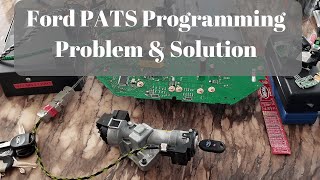
We Have This Part in Stock
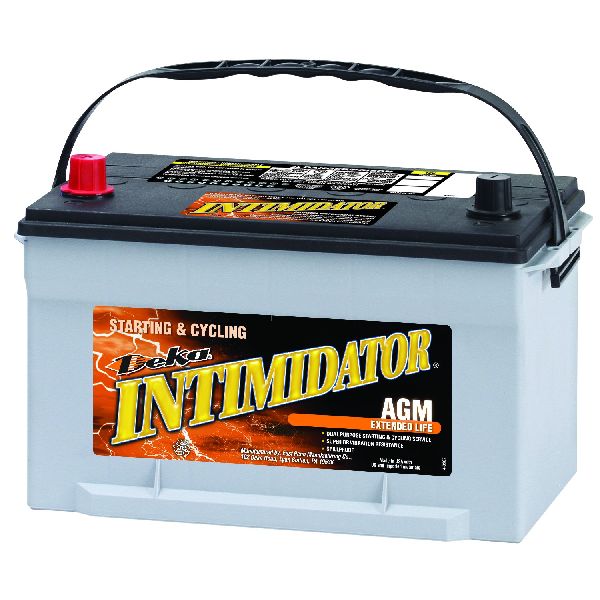
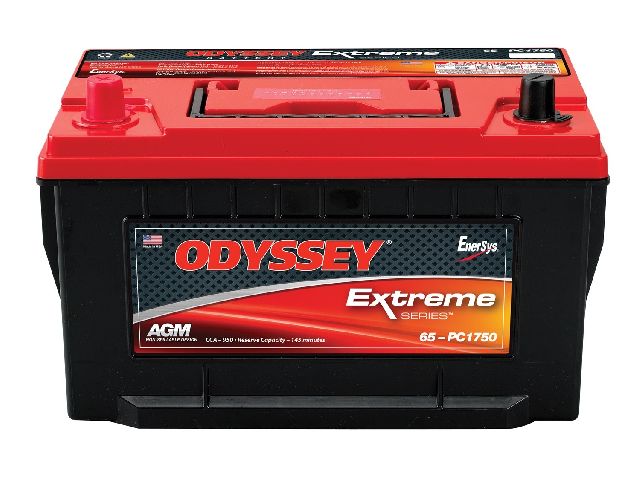

The information in this article is provided for general reference and educational purposes only. Vehicle specifications, procedures, and part compatibility can vary by production date, trim level, and region. Always consult your vehicle's factory service manual and verify part numbers before purchasing or performing repairs. Safety-critical components such as airbags, seat belts, and braking systems should be installed by a qualified professional.
- Ford Flex:
- 🎬 Helpful Videos
- 🛍️ Shop This Part
- What's Unique About the 2013-2015 Ford Flex
- Symptoms You May Notice
- Most Likely Causes
- Rare But Worth Checking
- Diagnosis Steps
- Parts You'll Likely Need
- Related Codes That Often Appear With This One
- Mechanic-Grade Diagnostic Values
- Hidden / Shadow Codes Worth Checking
- Scan Tool Commands That Help
- Wiring & Ground Locations
- Real Owner Repair Stories
- OEM Part Supersession History
- Model Year Variations Within This Range
- Diagnostic Flowchart
- Other Known Issues on This Vehicle
- Used vs. New Parts: Buying Guide for This Vehicle
- Real Owner Stories
- 2009 Ford Flex
- Related OBD-II Codes
- Frequently Asked Questions
- 🎟️ Get 5% Off