

P1621 on 2004-2007 Buick Rainier: Control Module Memory Failure Causes and Fixes
On a 2004-2007 Buick Rainier, code P1621 indicates an internal memory error in the Powertrain Control Module (PCM). Before replacing the expensive PCM, check for a weak battery, poor ground connections, or a failing ignition switch, which is a very common issue on this platform and can cause this code.
- P1621 on a Rainier means the main engine computer (PCM) has an internal memory error.
- DO NOT immediately replace the PCM. The most common causes are a weak battery or a failing ignition switch, which is a known weak point on this vehicle.
- Symptoms often include stalling, no-start conditions, and flickering dash lights or accessories.
- Start your diagnosis by load testing the battery and checking all main power and ground connections for corrosion.
- If the PCM or ignition switch is replaced, a 30-minute 'Security Relearn Procedure' is required for the vehicle to start.
What's Unique About the 2004-2007 Buick Rainier
The Buick Rainier is built on the GM GMT360 platform, shared with the Chevy Trailblazer and GMC Envoy. On these vehicles, P1621 points to a problem with the main Powertrain Control Module (PCM), not a separate Transmission Control Module (TCM) as is common on newer GM models with different transmissions. A very common failure point on this platform is the electronic portion of the ignition switch, which can cause voltage fluctuations and intermittent power loss to the PCM and other modules. This power interruption during operation or startup can corrupt the PCM's self-test, triggering a P1621 code and making the ignition switch a prime suspect before condemning the PCM itself.
Symptoms You May Notice
- Check Engine Light is on
- Engine stalls intermittently, sometimes while driving over bumps or turning.
- Vehicle may not start, or has trouble starting (cranks but won't fire).
- Erratic behavior from electrical accessories, like the radio losing presets, the clock resetting, or seat memory being lost.
- Flickering dashboard lights, gauges dropping out, or HVAC controls stop working.
- Vehicle may enter a reduced power 'limp mode' (REP light).
- Security light may be illuminated on the dashboard.
- Replacing the PCM without first thoroughly testing the battery, charging system, and especially the ignition switch. These less expensive parts are more common failure points that can mimic a bad PCM.
Most Likely Causes
- Failing Ignition Switch 🔴 High Probability The ignition switch is a well-documented, high-failure part on the GMT360 platform. Its internal contacts wear out, causing intermittent power loss to the PCM and other modules, especially the 'Ignition 1' and 'Ignition 3' circuits.
How to confirm: Monitor voltage at PCM-related fuses (e.g., PCM B, IGN E) and HVAC fuses while wiggling the key in the ignition. If voltage fluctuates or cuts out, the switch is bad. The loss of seemingly unrelated accessories like the blower motor at the same time as a stall is a strong indicator.
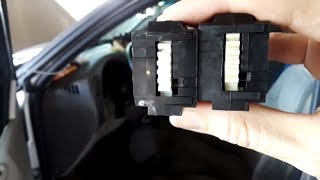
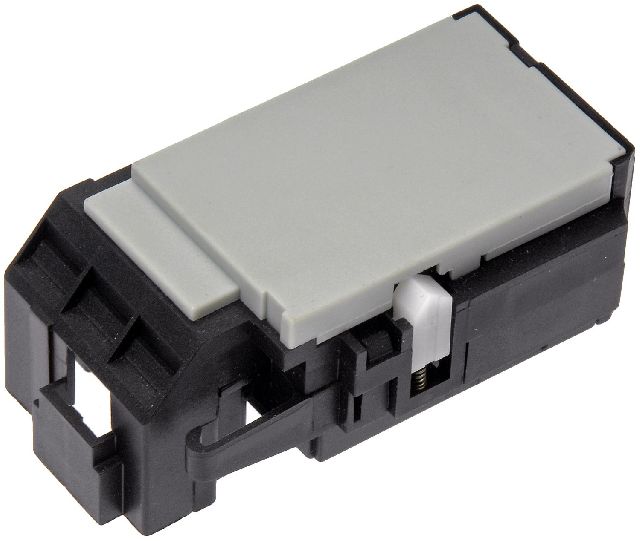
Typical fix: Replace the electronic ignition switch module located on the steering column. This is a separate part from the key cylinder. The ACDelco D1462G is the common replacement part. A security relearn procedure is often necessary after replacement.
Est. part cost: $30-$75 - Low Battery Voltage or Poor Connections 🟡 Medium Probability Control modules are sensitive to voltage. A weak battery or corroded ground connections can cause the PCM's startup self-test to fail, incorrectly logging a P1621 code. Key ground points on the GMT360, like those on the engine block near the starter and under the driver's side A-pillar, are known to corrode.
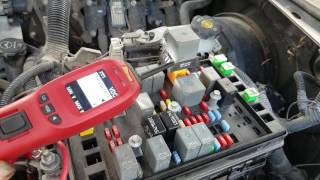
How to confirm: Test the battery with a load tester to confirm its health. Voltage should be above 12.4V with the engine off and not drop below 9.6V during cranking. With the engine running, charging voltage should be 13.7-14.7V. Inspect and clean battery terminals and main chassis ground points, especially the main ground strap from the engine block to the frame.
Typical fix: Recharge or replace the battery. Disassemble, clean, and tighten all major ground connections. Applying dielectric grease can help prevent future corrosion.
Est. part cost: $100-$250 - Failed Powertrain Control Module (PCM) ⚪ Low Probability
How to confirm: This is a diagnosis of exclusion. If the battery, charging system, grounds, and ignition switch are all confirmed to be in perfect working order and the code returns immediately after clearing, the PCM's internal EEPROM has likely failed. A manufacturer service bulletin, TSB Bulletin #05-06-04-060A, notes that P1621 is a control module DTC that can be shared across multiple modules.
Typical fix: Replace the Powertrain Control Module. The new module must be programmed with the vehicle's VIN and a security relearn procedure must be performed.
Est. part cost: $200-$500
Rare But Worth Checking
- Corrupted Aftermarket Tune: If the vehicle has an aftermarket performance programmer or 'chip', it may have corrupted the PCM's memory during a flash. A user on a Chevrolet forum experienced this exact issue with a Bully Dog programmer, causing P1621 and memory loss for the clock and seats. Try flashing the PCM back to the stock factory tune.
- Shorted Cooling Fan Clutch Wiring: On the GMT360 platform, the electronically controlled cooling fan clutch has been known to short out internally. This can disrupt the 5-volt reference circuit that is shared by other critical sensors, potentially causing a variety of codes and erratic module behavior that could lead to a P1621. Disconnecting the fan clutch harness can be a quick diagnostic step if other 5-volt reference codes are present.
- Transmission Control Module (TCM) Faults: While less common on this specific platform, TSB Bulletin #PIP4653E (referencing other GM models) suggests that technicians should ensure P1621 is not actually being set within the Transmission Control Module if the vehicle is equipped with one.
Diagnosis Steps
- Check Battery and Charging System: Use a multimeter and load tester to verify the battery is healthy (12.4V+ engine off, >9.6V while cranking) and the alternator is charging properly (13.7-14.7V engine on).
- Inspect Power and Ground Connections: Clean any corrosion from the battery terminals. Inspect the main engine-to-chassis and battery-to-chassis ground straps. On GMT360s, pay special attention to the grounds under the driver's side body mount and on the engine block. TSB PIT5562 also highlights the importance of properly torqued ground bolts.
- Scan for Other Codes: Use an OBD-II scanner to check for any other codes. U-series communication codes or a P1682 code are strong indicators of a power supply issue from the ignition switch.
- Diagnose the Ignition Switch: The 'key wiggle test' is very effective. With the engine running, gently wiggle the key in the ignition. If this causes the engine to sputter, dash lights to flicker, or accessories to cut out, the ignition switch is faulty.
- Attempt a PCM Reset: Disconnect the negative battery cable for 30 minutes to reset all modules. This may temporarily clear the code if it was caused by a one-time voltage glitch, but it will likely return if a hard fault exists.
- Perform Security Relearn Procedure: If the battery was replaced, the PCM was disconnected, or the ignition switch was replaced, a security relearn may be necessary. The 30-minute procedure involves turning the key to 'ON' for 10 minutes (until the security light goes out), then OFF for 10 seconds, repeating this three times.
- Condemn the PCM: If all previous steps have been exhausted and the code persists immediately after being cleared, the PCM is the most likely culprit. Professional diagnosis is recommended to confirm before replacement.
Parts You'll Likely Need
- Ignition Switch
(OEM #ACDelco D1462G (Supersedes 12450251))— This is a very common failure point on the GMT360 platform that can cause intermittent power loss to the PCM, triggering code P1621.
Trusted brands: ACDelco, Standard Motor Products
OEM price range: $50-$90
Aftermarket price range: $30-$60 - Powertrain Control Module (PCM) — If all other electrical causes are ruled out, the PCM's internal memory has failed, requiring module replacement. Must be programmed to the vehicle's VIN.
Trusted brands: ACDelco (Remanufactured), Cardone, FS1
OEM price range: $300-$500 (Remanufactured)
Aftermarket price range: $200-$400 (Pre-programmed)
Related Codes That Often Appear With This One
- P0601 — This code means 'Internal Control Module Memory Check Sum Error' and is a very similar fault. Seeing both strongly suggests an internal PCM hardware or software failure.
- U-series codes (e.g., U0100, U1041) — If the PCM is failing or losing power intermittently due to a bad ignition switch or ground, it can cause communication loss codes with other modules (like the ABS or BCM) on the vehicle's Class 2 data network.
- P1682 — This code, 'Ignition 1 Switch Circuit 2', often appears on GM vehicles when there is a discrepancy between the two main voltage signals from the ignition switch. Seeing P1682 alongside P1621 heavily points towards a failing ignition switch as the root cause.
Technical Service Bulletins (TSBs) & Recalls
- PIT5562: Addresses multiple electrical issues, including no-start and memory loss, caused by improperly harde
- Bulletin #05-06-04-060A: Provides information regarding control module Diagnostic Trouble Codes including P1621, noting that these codes can be shared across multiple modules.
- Bulletin #PIP4653E: Advises technicians that P1621 may be stored in the Transmission Control Module and to ensure the code is properly isolated to that module during diagnosis.
Platform-Specific Known Issues
- Ignition Switch Gear Misalignment: When replacing the ignition switch, it is critical that the gear on the switch is properly aligned with the gear in the lock cylinder housing. Failure to do so can cause a no-start or battery drain condition, even with a brand new part.
- Corroded Ground Splice Packs: The GMT360 platform uses several ground splice packs (e.g., G101, G102) where multiple ground wires are joined. These are located on the engine block and frame rails and are susceptible to corrosion, which can cause widespread, intermittent electrical problems that mimic module failure.
Mechanic-Grade Diagnostic Values
- PCM Battery Positive Voltage (Constant Power) — expected: 12.6V (or battery voltage). Failure: Voltage below 12.4V indicates a battery or wiring issue. Check for voltage drops by wiggling the harness.
- PCM Ignition 1 Voltage (Switched Power) — expected: 12.6V (or battery voltage) with key in ON and CRANK positions.. Failure: Voltage dropping out or fluctuating when wiggling the key points to a faulty ignition switch.
- PCM Ground Circuit Resistance — expected: Less than 0.5 Ohms.. Failure: Resistance higher than 0.5 Ohms indicates a poor ground connection, which can cause floating voltages and module resets.
Scan Tool Commands That Help
- GM Tech 2: BCM Data -> Power Mode display — To test the ignition switch without a multimeter. The Tech 2 can maintain communication and display the reported ignition switch position (Off, Accessory, Run, Crank) even as the key is turned or removed. Any flickering or incorrect state reported on the screen while wiggling the key indicates a faulty switch.
Wiring & Ground Locations
- G101 — Located at the front of the engine, on the lower block. It is often jumpered to G106.. This is a primary ground for the Engine Control Module (PCM). Corrosion or looseness here can directly interrupt the PCM's ground path, causing resets and memory codes like P1621.
- G102 — Located at the left rear of the engine, typically on the cylinder head.. This ground is for the ignition coils. While not a direct PCM ground, high resistance here can cause electrical noise and misfires that may indirectly stress the PCM's processing and power regulation.
- G103 — Located on the cowl in the left rear of the engine compartment, above the brake booster.. This is a critical body ground for the Body Control Module (BCM), Instrument Panel Cluster (IPC), and Data Link Connector (DLC). A fault here can cause bizarre electrical symptoms and communication issues that can be misdiagnosed as a PCM failure.
- PCM Connector C1 (Blue) — This is one of the two main connectors on the Powertrain Control Module.. Contains the primary power and ground pins for the PCM. Pin 19 (Ignition Voltage), Pin 20 & 57 (Battery Voltage), and Pin 1 & 40 (Grounds) are essential for testing power integrity to the module.
Real Owner Repair Stories
- Chevrolet Forum user 'treetop' (2002 Chevrolet Silverado (Similar GM electronics)) — P1621 code appeared, clock resets on startup, seat and radio memory positions are lost.
❌ Tried (didn't work) Resetting the 'Change Oil' warning., Flashing the PCM back to the stock tune after the problem started.
✅ What actually fixed it The user traced the problem's origin to the installation of a Bully Dog programmer. Although the user did not post a final fix, they acknowledged the programmer likely damaged the computer because fuses were not removed during installation as instructed, leading to the persistent memory issues. This confirms aftermarket tuning as a direct cause.
OEM Part Supersession History
15795321→ACDelco D1462G— Standard part lifecycle update by GM/ACDelco.
Heads up: The part D1462G is the correct service replacement for the original ignition switch housing. No known incompatibilities exist for the specified vehicle range.
Model Year Variations Within This Range
- 2002-2005 vs 2006-2007: While the P10 PCM is used in earlier GMT360 models (2002-2005), later models may have different PCM hardware or operating systems. However, for the purpose of diagnosing P1621, the fundamental causes (ignition switch, grounds, power feeds) remain the same across the 2004-2007 range. PCM part numbers are highly specific to year and engine, so they must be matched exactly or cross-referenced when ordering a replacement.
Diagnostic Flowchart
Used vs. New Parts: Buying Guide for This Vehicle
When a used part is the smart pick: A used ignition switch from a junkyard is a reasonable, cost-effective choice. The part is external to the engine and easy to inspect and replace. A used PCM can also be an option, but ONLY if sourced from a reputable re-programmer who can flash it with your vehicle's VIN and the latest software before shipping.
Donor-vehicle mileage cap: roughly under 120000 miles for the part to have meaningful remaining life.
What to inspect on the donor part:
- For Ignition Switch: Check for smooth key operation in the donor vehicle if possible. Avoid parts from vehicles with obvious signs of electrical fires, flood damage, or a smashed steering column.
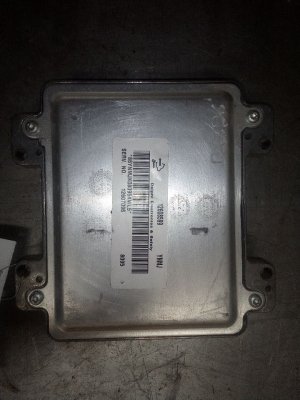
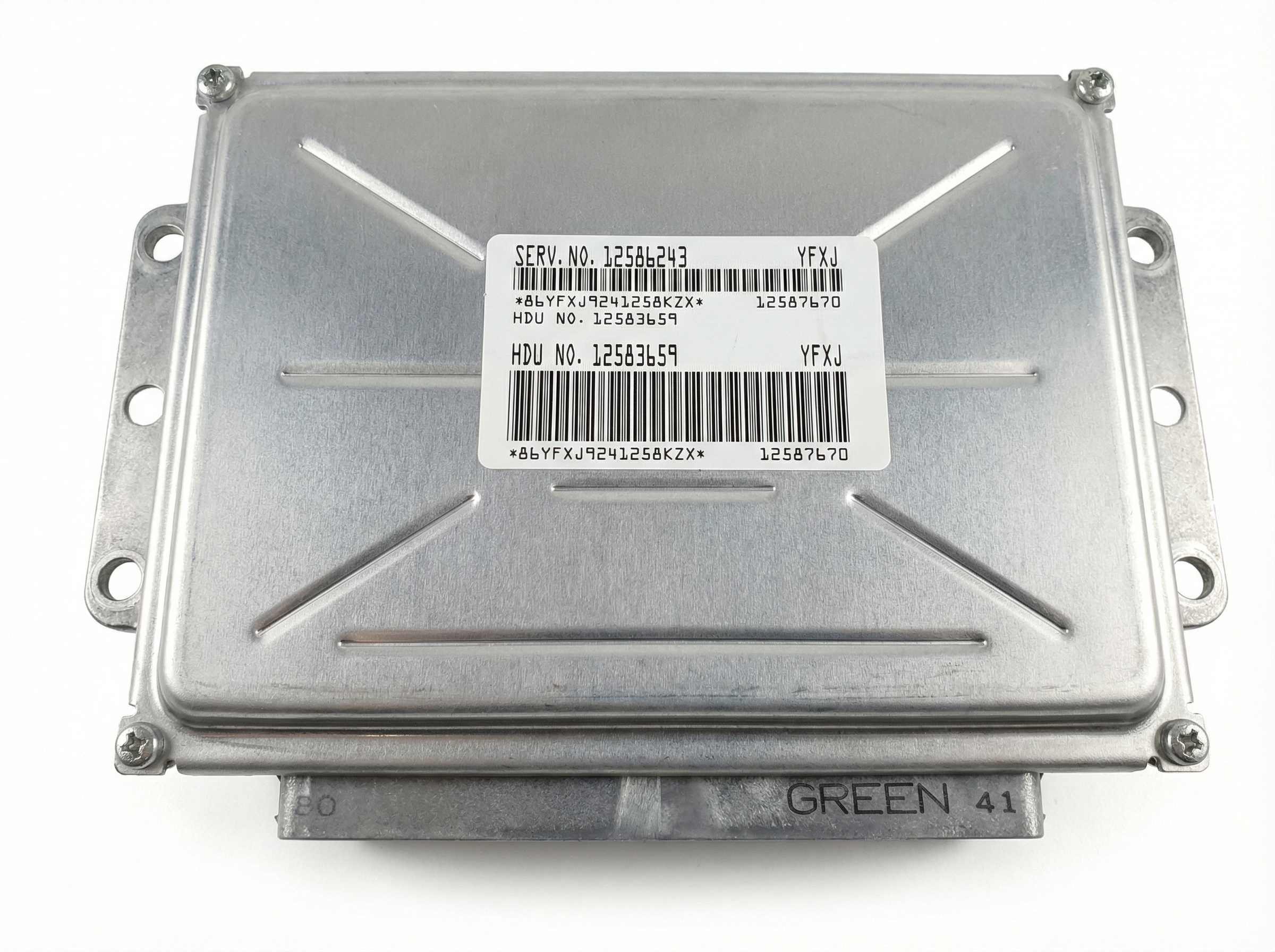
- For PCM: Ensure the part number sticker is legible and matches your original PCM's service number. Check the connectors for any bent, corroded, or broken pins. Ask the seller if the vehicle it came from was running and driving without a check engine light.
Aftermarket brands forum-validated for this vehicle:
- Ignition Switch: ACDelco (OEM), Standard Motor Products (SMP)
- PCM: Reputable programmers like Flagship One (FS1) or PCM of NC are known to provide reliable, pre-programmed units.
Brands owners have reported issues with on this vehicle:
- For the PCM, avoid unknown eBay or Amazon sellers who do not offer VIN programming and a warranty. A non-programmed PCM will not start the vehicle.
Real Owner Stories
Aggregated from forums and TSBs cited above. Mileages and costs reflect what owners reported in those sources.
2004 Chevrolet Trailblazer
Symptoms: The vehicle experienced a cascade of issues, including numerous communication codes (like U1041), loss of HVAC controls, and entering a low power mode.
What fixed it: Diagnosis revealed a faulty ignition switch was the root cause. Replacing the switch resolved the multiple, seemingly unrelated problems.
Source hint: Dewitz Diagnostic Solutions (via GMTNation) case study titled 'Burnt Ignition Switch Causes Trailblazer Electrical Issues'
GMT360 Platform Vehicle
Symptoms: The owner experienced an intermittent no-crank condition where the engine would stop cranking during a start attempt.
What fixed it: The issue was ultimately solved by replacing the ignition switch. The owner noted the critical importance of correctly aligning the gear teeth during installation.
Source hint: GMTNation forum thread titled 'SOLVED! - Intermittent stops cranking during start attempt'
Related OBD-II Codes
Frequently Asked Questions
My Rainier stalls when I wiggle the key in the ignition. Is this related to the P1621 code?
I'm replacing the ignition switch to fix P1621. Is there a specific part number I should look for?
After replacing my battery, the truck won't start and the security light is on. What should I do?
Besides the battery terminals, are there other specific ground points I should check on my Rainier for this code?
Along with the P1621 code, my radio keeps losing its presets and the clock resets. Is this related?
Are there any special precautions when replacing the ignition switch myself?
Helpful Videos
Used OEM Parts in Stock




New Aftermarket Parts Available


The information in this article is provided for general reference and educational purposes only. Vehicle specifications, procedures, and part compatibility can vary by production date, trim level, and region. Always consult your vehicle's factory service manual and verify part numbers before purchasing or performing repairs. Safety-critical components such as airbags, seat belts, and braking systems should be installed by a qualified professional.
- Buick Rainier:
- 🎬 Helpful Videos
- 🛍️ Shop This Part
- What's Unique About the 2004-2007 Buick Rainier
- Symptoms You May Notice
- Most Likely Causes
- Rare But Worth Checking
- Diagnosis Steps
- Parts You'll Likely Need
- Related Codes That Often Appear With This One
- Technical Service Bulletins (TSBs) & Recalls
- Platform-Specific Known Issues
- Mechanic-Grade Diagnostic Values
- Scan Tool Commands That Help
- Wiring & Ground Locations
- Real Owner Repair Stories
- OEM Part Supersession History
- Model Year Variations Within This Range
- Diagnostic Flowchart
- Used vs. New Parts: Buying Guide for This Vehicle
- Real Owner Stories
- 2004 Chevrolet Trailblazer
- GMT360 Platform Vehicle
- Related OBD-II Codes
- Frequently Asked Questions
- 🎟️ Get 5% Off