

P1607 on 2003-2007 Honda Accord: PCM Internal Failure Causes and Fixes
On a 2003-2007 Honda Accord, code P1607 almost always means the main engine computer (PCM) has failed. The fix is to replace the PCM and reprogram the keys to the new unit, which typically requires a professional scan tool or a mobile locksmith.
- P1607 on a 2003-2007 Accord means the main computer (PCM) has most likely failed.
- Symptoms are severe and can include a no-start, stalling, and erratic transmission shifting, often appearing only in cold weather.
- Before replacing the expensive PCM, always check the battery, PGM-FI main relay, and the main 'G101' ground wire, which is often on the thermostat housing.
- If you replace the PCM (even with a used one), you MUST have the immobilizer system reprogrammed. This can be done by the dealer or a mobile locksmith with the correct scan tool.
What's Unique About the 2003-2007 Honda Accord

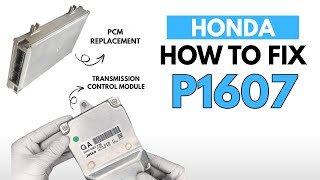
For the 7th generation Accord (2003-2007), the PCM is an integrated unit that also controls the automatic transmission (it contains the TCM, or Transmission Control Module). Therefore, an internal PCM failure resulting in code P1607 can cause not only engine-related symptoms like stalling or a no-start condition, but also severe transmission issues like erratic or harsh shifting, or feeling stuck in one gear. The diagnostic process is often straightforward: if basic power and ground checks are good and the code returns instantly after a reset, the PCM itself is the culprit.
Symptoms You May Notice
- Check Engine Light (Malfunction Indicator Lamp or MIL) is illuminated
- Engine will not start
- Engine stalls unexpectedly while driving or at idle
- Noticeable loss of power and poor acceleration
- Engine jerks or hits a rev limiter at low RPM (e.g., 3000 RPM), especially when cold
- Rough or irregular idle
- Harsh or erratic automatic transmission shifting
- The trouble code cannot be erased, or returns instantly after being cleared
- Flashing green key light on the dashboard after attempting to swap the PCM without reprogramming the immobilizer
- Replacing sensors or other components before confirming the PCM has proper power and ground. The diagnostic path for P1607 is very specific and almost always ends at the PCM or its direct wiring.
- Replacing the PCM without having the ability to reprogram the immobilizer. The car will not start with an unprogrammed PCM, which can lead to the mistaken belief that the replacement PCM is also faulty.
Most Likely Causes

- Internal Powertrain Control Module (PCM) Failure 🔴 High Probability Electronic components can fail over time due to heat cycles, vibration, and age. On some vehicles, this failure is more pronounced in cold weather, suggesting failing solder joints or components inside the PCM that lose connection when they contract.
How to confirm: After verifying battery voltage is stable, clear the codes. If P1607 returns immediately with the key in the 'ON' position (engine off), the PCM has failed its internal self-test and is faulty. This is the most definitive test.
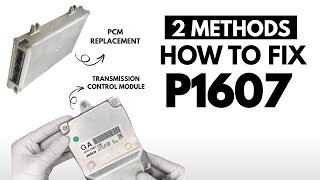
Typical fix: Replace the Powertrain Control Module (PCM). The replacement PCM, whether new or used, must be programmed to the vehicle's immobilizer system. A common owner experience involves sourcing a used PCM with the exact same part number, then hiring a mobile locksmith to perform the key reprogramming onsite. 🎬 See how to register a used PCM to the immobilizer.
Est. part cost: $75-$250 for a used unit from a salvage yard or eBay, $600-$900+ for a new or remanufactured OEM unit. - Poor Power or Ground Supply to the PCM 🟡 Medium Probability Corrosion on ground straps, main relays, or battery terminals is common in older vehicles and can interrupt the stable voltage the PCM needs to operate. The G101 ground, often located on the thermostat housing on K-series (4-cylinder) engines, is a particularly critical point to inspect.
How to confirm: Use a multimeter to test for battery voltage at the specific power input pins on the PCM connector. Check for near-zero resistance (less than 1 ohm) between the PCM ground pins and the chassis. Specifically locate, remove, and clean the G101 ground connection and re-test. Inspect the PGM-FI Main Relay and its connections.
Typical fix: Clean or repair corroded ground connections, especially G101. 🎬 Watch this video to learn how to fix bad grounds. Replace the PGM-FI main relay if it is faulty. Repair any damaged wiring in the harness to the PCM.
Est. part cost: $5-$60 for cleaning supplies, new ground straps, or a new relay.
Rare But Worth Checking
- Fluid Intrusion into PCM Connector: A leaking engine sensor (e.g., VTEC oil pressure switch) can allow oil to travel up the wiring harness via capillary action and contaminate the PCM connectors. While rare, it's worth a visual inspection of the PCM connectors for any signs of oil or water. In one documented case, oil was found in the connector but not inside the PCM itself, yet the P1607 code persisted, requiring PCM replacement.
- Aftermarket Tuning or Programming Issues: Attempting to flash the PCM with aftermarket performance software or using a low-quality tuning device can corrupt the PCM's internal memory, leading to a P1607 code.
- Over-voltage from a Faulty Alternator: In some cases on older Hondas, a failing alternator that produces excessive voltage can damage the PCM, causing it to burn out and repeatedly fail. If a replacement PCM fails quickly, the alternator's output should be tested. On the V6 model, charging voltage should not exceed 15.1V; readings of 17V or higher indicate a faulty internal voltage regulator in the alternator.
Diagnosis Steps
- Check and confirm the battery is fully charged (12.4V+ engine off) and the charging system is working correctly (approx. 13.5-14.5V engine running). A low or high voltage condition can cause erroneous module errors.
- Connect an OBD-II scanner and attempt to clear the P1607 code.
- Turn the ignition off, then back to the 'ON' position (without starting the engine). Wait 30-40 seconds and re-scan for codes.
- If P1607 returns immediately, the PCM is almost certainly faulty. Proceed to PCM replacement. 🎬 Watch this guide on how to remove the PCM unit.
- If the code does not return immediately, it may be an intermittent fault. Inspect the PCM connectors for looseness, corrosion, or fluid damage.
- Locate and inspect the main engine harness ground G101. On 4-cylinder (K24) models, this is typically a ring terminal with two wires bolted to the thermostat housing or intake manifold. On V6 (J30) models, G101 is located on the left side of the engine, near the intake.
- Using a wiring diagram for your specific model and engine, verify that the PCM is receiving power from the PGM-FI main relay on the correct pins.
- Verify all PCM ground pins have a solid connection to the chassis (less than 1 ohm of resistance).
- If all wiring, power, and grounds are confirmed to be good and the code persists (especially if it returns instantly), the PCM is defective and must be replaced.
Parts You'll Likely Need
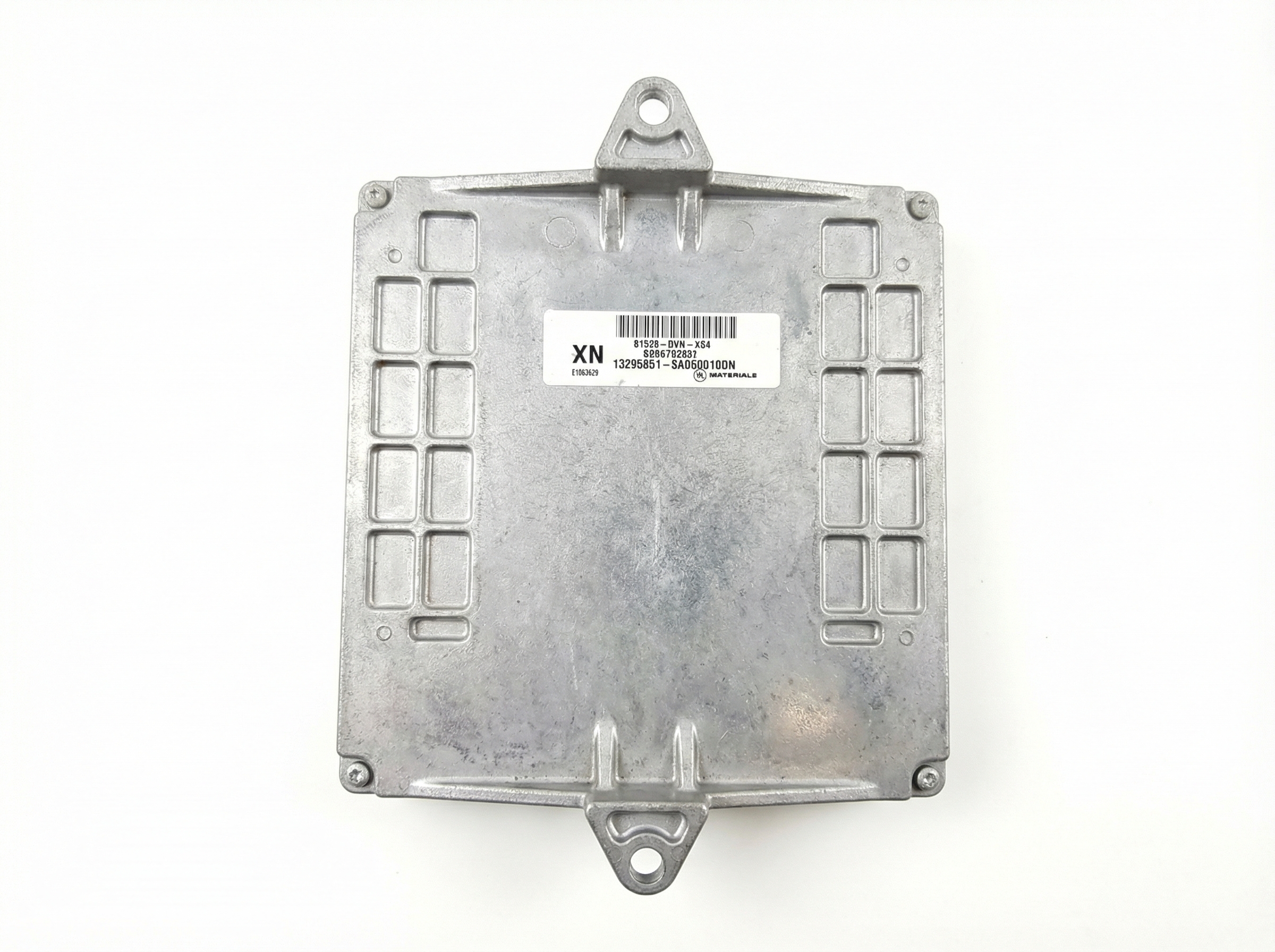
- Powertrain Control Module (PCM/ECU)
(OEM #Varies greatly. Ex: 37820-RAA-A61 (2005 Accord 2.4L AT), 37820-RCA-L58 (V6 AT). Must match original part number exactly.)— This code directly indicates an internal failure of the PCM, making its replacement the most common and direct solution.
Trusted brands: Honda (OEM), Cardone (Remanufactured), Used OEM (from salvage)
OEM price range: $700-$950
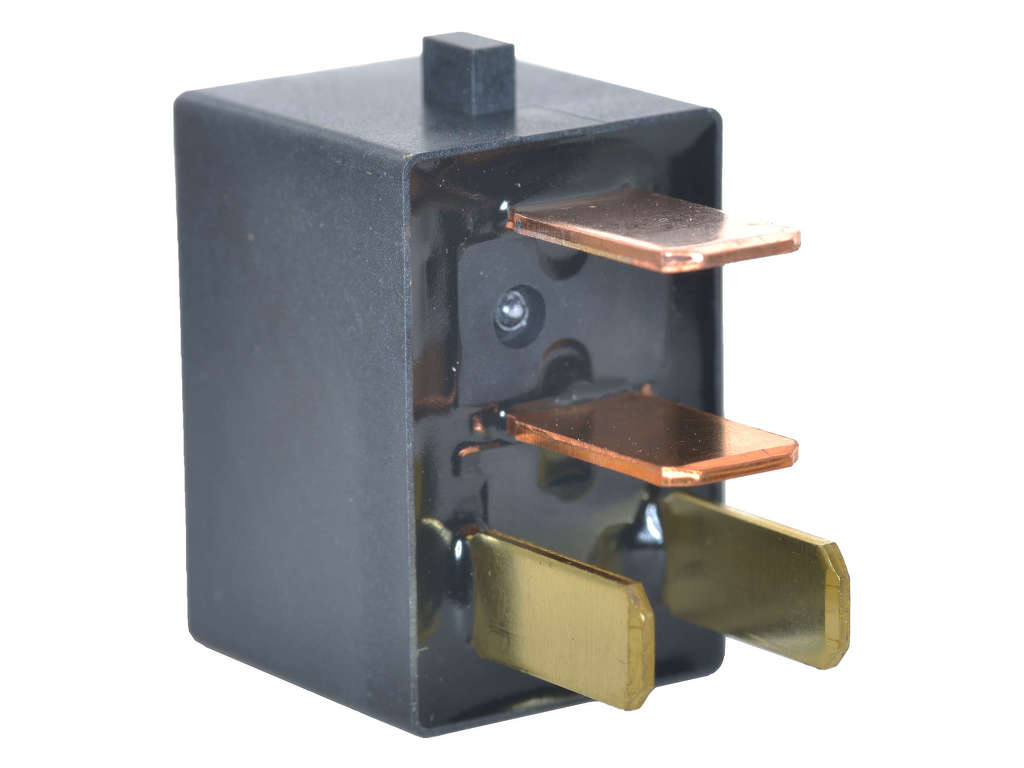
Aftermarket price range: $75-$400 (Used or Remanufactured) - PGM-FI Main Relay
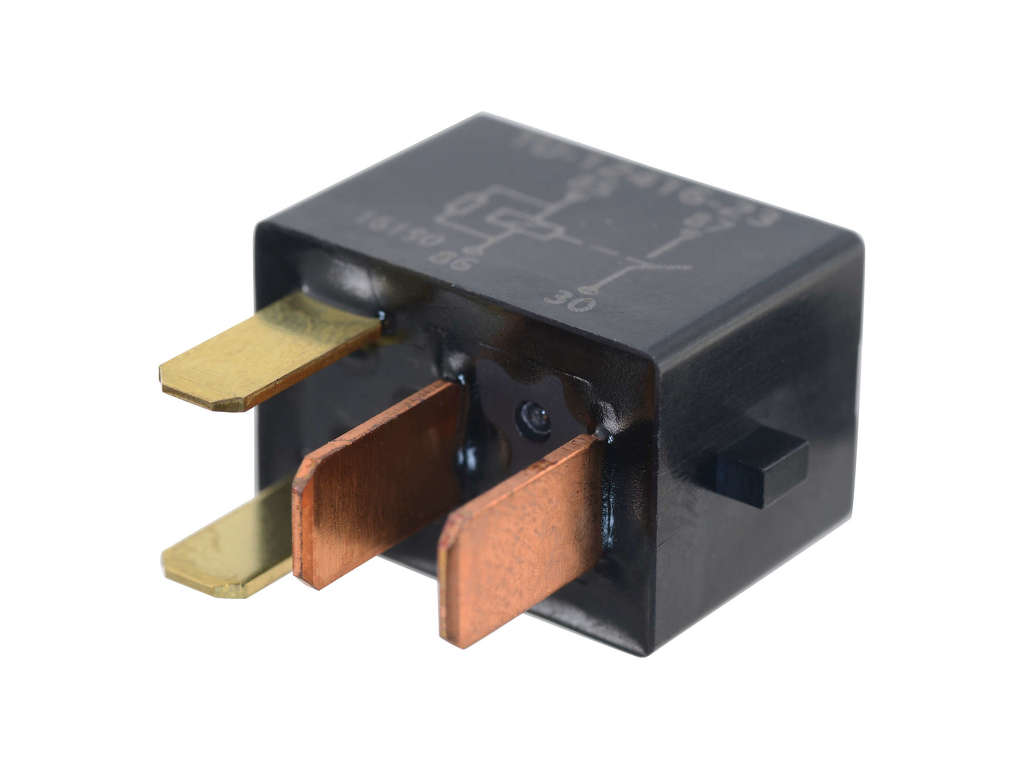
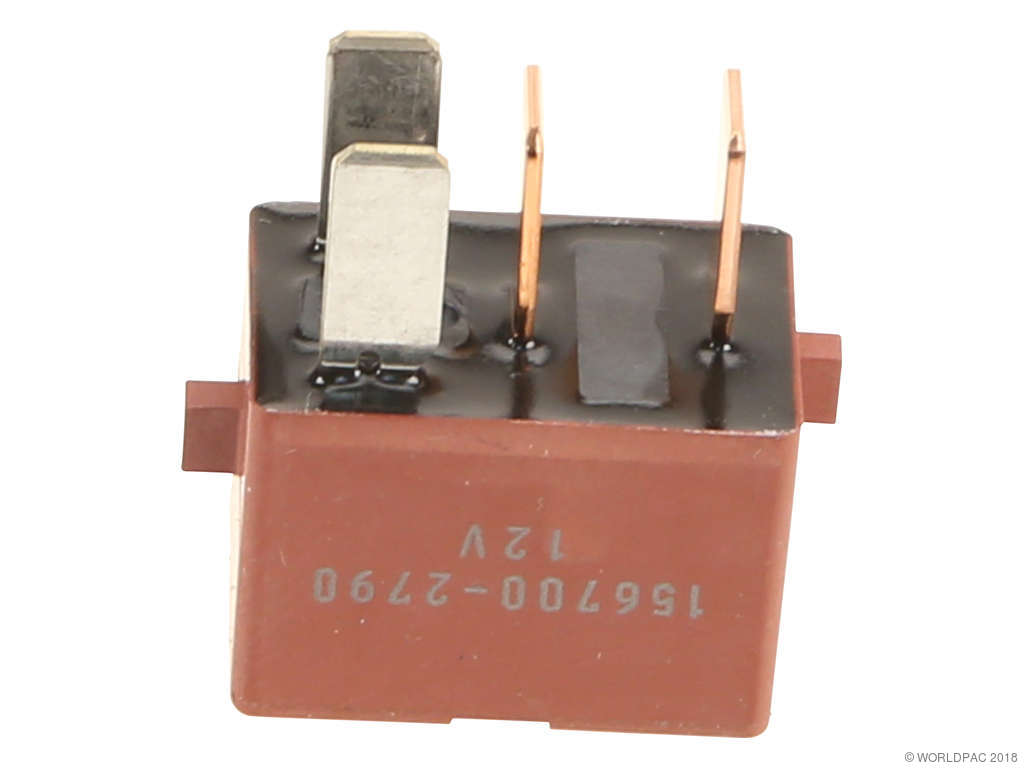
(OEM #39400-SDA-A01 (or similar, check by VIN))— A faulty main relay can cause power supply issues to the PCM, which can sometimes be misread as an internal fault. It's a common failure point on older Hondas and a wise, inexpensive part to check or replace before condemning the expensive PCM.
Trusted brands: Mitsuba (OEM supplier), Standard Motor Products, Denso
OEM price range: $40-$70
Aftermarket price range: $20-$40
Related Codes That Often Appear With This One
- If the P1607 is caused by a widespread electrical issue like a bad ground or over-voltage, it may be accompanied by multiple other codes indicating high or low voltage on various sensor circuits (e.g., P0108, P0113, P0118).
Technical Service Bulletins (TSBs) & Recalls
- While no TSB is known to directly address P1607 as a defect, Honda Service Bulletin 01-024 discusses proper PCM replacement and immobilizer reprogramming procedures using the Honda Diagnostic System (HDS), reinforcing the need for specialized tools for this repair.
Platform-Specific Known Issues
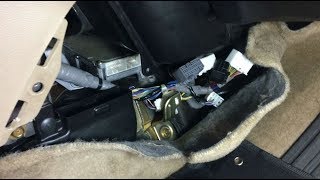
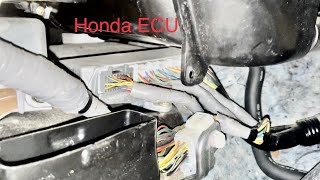
- PCM Location and Liquid Damage: The PCM is located behind the center console stack, under the radio. This location makes it potentially vulnerable to liquid damage if a large drink is spilled in the center console or cup holder area and trickles down behind the trim.
- Cold Weather Failures: Many owner reports indicate the P1607 code and associated symptoms (limp mode, harsh shifting) appear only on cold mornings (e.g., below 45°F) and disappear after the car warms up and is restarted. This strongly suggests failing solder joints or components within the PCM that lose electrical contact when they contract in the cold.
Mechanic-Grade Diagnostic Values
- PCM Power Ground Pins (PG1, PG2) to Chassis Ground — expected: Less than 1.0 Ω. Failure: Higher resistance indicates a poor ground connection.
- PCM Logic Ground Pin (LG1) to Chassis Ground — expected: Less than 1.0 V. Failure: Voltage greater than 1.0 V points to a grounding issue.
- PCM Power Source Pin (IGP, YEL/BLK wire) to Chassis Ground — expected: Battery Voltage with Ignition ON (II). Failure: No voltage or low voltage indicates a problem with the PGM-FI main relay or its fuse.
- Alternator Output Voltage (V6 Models) — expected: ~13.5V - 15.1V. Failure: Sustained or intermittent voltage spikes above 15.1V (e.g., 17V+) indicate a failing internal voltage regulator in the alternator, which can damage the PCM.
Scan Tool Commands That Help

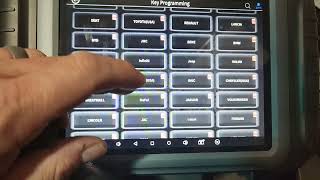
- Honda HDS / i-HDS or equivalent (e.g., Autel IM608): Immobilizer Setup Tool -> Replace ECM/PCM — This function is mandatory after installing a new or used PCM. It syncs the immobilizer unit with the replacement PCM, allowing the original keys to start the engine.
- Honda HDS / i-HDS or equivalent: Immobilizer Setup Tool -> All Keys Lost — Used when replacing the PCM and the original keys are also lost. This function erases all old keys and allows new keys to be programmed to the system.
- N/A - Manual Procedure: Idle Learn Procedure — After replacing or resetting the PCM, this procedure is required to allow the engine computer to relearn the engine's idle characteristics. It involves holding the RPM at 3,000 until the engine is warm, then idling for 5 minutes with no accessories on.
Wiring & Ground Locations

- G101 (4-Cylinder / K24 Engine) — A ring terminal with multiple ground wires bolted to the thermostat housing or the intake manifold plenum on the driver's side of the engine.. This is the main power and logic ground termination point for the PCM. A corroded or loose connection here can cause a wide range of electrical issues, potentially mimicking an internal PCM failure.
- G101 (V6 / J30 Engine) — On the left side of the engine, typically on or near the intake manifold.. Serves as the primary ground point for the PCM. Verifying this connection is a critical step before condemning the PCM.
- PCM Connector E, Pins E1, E2, E3 — On the main connectors of the PCM, located behind the center console.. These are the specific power ground (PG1, PG2) and logic ground (LG1) pins. Testing for near-zero resistance/voltage at these specific pins is the definitive way to confirm the PCM has a proper ground path.
- PCM Connector E, Pin E9 (YEL/BLK) — On the main connectors of the PCM, located behind the center console.. This is a primary power source pin (IGP) from the PGM-FI main relay. It must have battery voltage with the key on. A lack of power here points to a faulty relay or fuse, not a faulty PCM.
Real Owner Repair Stories
- Honda-Tech forum user (2001 Honda Odyssey (similar electronics and failure mode)) — P1607 code, car would not accelerate properly when cold. After warming up, turning the engine off and on would resolve the driving issue, but the CEL remained. A transmission shop confirmed the transmission was fine and the PCM was at fault.
❌ Tried (didn't work) Driving the car hoping the issue would resolve itself.
✅ What actually fixed it The confirmed fix, recommended by another user, was to replace the PCM with a used unit from a salvage yard and have a Honda dealership reprogram the immobilizer to recognize the keys. The user noted the cold weather triggered the fault, pointing to a bad solder joint inside the PCM. - Honda-Tech forum user (2002 Honda Accord) — P1607 code appeared along with delayed/hard shifting into reverse and from 2nd to 1st gear.
❌ Tried (didn't work) Visual inspection of PCM (no internal damage found), checking for oil in the connector (found a small amount, but cleaning did not resolve the code).
✅ What actually fixed it The consensus in the thread, based on the 'brutally simple' diagnostic for P1607, was that the PCM was faulty and needed to be replaced. The instant return of the code after clearing was the definitive sign.
OEM Part Supersession History
Varies (e.g., 37820-RAA-A61)→Varies (e.g., 37820-RAA-A62, A63, etc.)— Revisions for reliability or component changes.
Heads up: Extreme caution is required. While some part numbers are interchangeable, many are not, even if they physically fit. Differences in transmission type (AT/MT), engine (4-cyl/V6), and emissions (ULEV/SULEV) are critical. Always match the part number exactly from the original PCM. If using a superseded part number, verify compatibility with a Honda dealer parts department before purchase.
Model Year Variations Within This Range
- 2003-2005 (4-Cylinder models): These models use a traditional throttle cable and do not have a Drive-By-Wire (DBW) system.
- 2006-2007 (4-Cylinder) and 2003-2007 (V6 models): These models are all equipped with a Drive-By-Wire (DBW) electronic throttle control system. A PCM from a DBW car is not compatible with a non-DBW car, and vice-versa.
- 2006-2007: These facelift models received cosmetic updates (lights, bumpers) and the V6 engine received a slight horsepower increase. The 6-speed manual transmission also became available on V6 sedans. These changes can affect which specific PCM part number is required.
Diagnostic Flowchart
Used vs. New Parts: Buying Guide for This Vehicle
When a used part is the smart pick: A used PCM from a salvage yard or online reseller is a very smart and common choice for this repair. The P1607 code typically indicates an electronic component failure rather than a wear-and-tear item, so a used unit can provide a long service life for a fraction of the cost of a new OEM part.
Donor-vehicle mileage cap: roughly under 200000 miles for the part to have meaningful remaining life.
What to inspect on the donor part:
- CRITICAL: The part number on the donor PCM must EXACTLY match the part number on your original PCM.
- Visually inspect the connectors for any bent, corroded, or pushed-out pins.
- Ask the seller if the donor vehicle was running before being dismantled. Avoid PCMs from flood-damaged vehicles.
- Ensure there are no cracks or physical damage to the PCM case.
OEM-only on this vehicle (don't cheap out):
- For the PCM itself, a used OEM unit is the most common and reliable path. While remanufactured units from brands like Cardone exist, their quality can be inconsistent. New OEM is reliable but often prohibitively expensive.
Aftermarket brands forum-validated for this vehicle:
- For the PGM-FI Main Relay: Mitsuba (often the original OEM supplier), Denso, Standard Motor Products (SMP).
Brands owners have reported issues with on this vehicle:
- Unknown, no-name PCM 'repair services' or remanufactured units on eBay with no warranty or track record.
Real Owner Stories
Aggregated from forums and TSBs cited above. Mileages and costs reflect what owners reported in those sources.
2002 Accord f23a
Symptoms: Delayed/hard downshift from 2nd to 1st and when engaging reverse. The check engine light was on with code P1607, which would reset immediately after clearing, even before starting the engine. A small amount of oil was found in the blue PCM connector.
What fixed it: The owner was advised that the immediate return of the code indicates a failed PCM, and the solution is to replace the PCM with a known good unit.
Source hint: honda-tech.com - P1607 + transmission issue - Honda-Tech - Honda Forum Discussion
2003-2007 Honda Accord
Symptoms: The engine jerks or hits a rev limiter around 3000 RPM, has poor acceleration, and shifts harshly. These symptoms, along with code P1607, only appear on cold mornings (below 45°F) and go away completely after the car warms up and is restarted.
What fixed it: This pattern strongly indicates an internal PCM failure due to failing solder joints. The fix is to replace the Powertrain Control Module (PCM).
Source hint: Vehicle Specific Issues - Cold Weather Failures
2003-2007 Honda Accord
Symptoms: After installing a used PCM from a salvage yard to fix a P1607 code, the engine would crank but not start. A green key-shaped light was flashing on the dashboard.
What fixed it: The replacement PCM was not programmed to the car's immobilizer. The issue was resolved by hiring a mobile locksmith to perform the key reprogramming onsite.
Source hint: Common Causes - Internal Powertrain Control Module (PCM) Failure
Related OBD-II Codes
Frequently Asked Questions
Why does my 2005 Accord only get the P1607 code and have harsh shifting on cold mornings?
I tried to clear the P1607 code, but it came back immediately, even with the engine off. Is my scanner broken?
Where is the PCM located on my 2003-2007 Accord?
Can I just swap in a used PCM from another Accord to fix the P1607 code?
What is the G101 ground, and where can I find it to check for corrosion?
Is there a specific Honda Technical Service Bulletin (TSB) for a defective PCM causing P1607?
Helpful Videos

Used OEM Parts in Stock



New Aftermarket Parts Available


The information in this article is provided for general reference and educational purposes only. Vehicle specifications, procedures, and part compatibility can vary by production date, trim level, and region. Always consult your vehicle's factory service manual and verify part numbers before purchasing or performing repairs. Safety-critical components such as airbags, seat belts, and braking systems should be installed by a qualified professional.
- Honda Accord:
- 🎬 Helpful Videos
- 🛍️ Shop This Part
- What's Unique About the 2003-2007 Honda Accord
- Symptoms You May Notice
- Most Likely Causes
- Rare But Worth Checking
- Diagnosis Steps
- Parts You'll Likely Need
- Related Codes That Often Appear With This One
- Technical Service Bulletins (TSBs) & Recalls
- Platform-Specific Known Issues
- Mechanic-Grade Diagnostic Values
- Scan Tool Commands That Help
- Wiring & Ground Locations
- Real Owner Repair Stories
- OEM Part Supersession History
- Model Year Variations Within This Range
- Diagnostic Flowchart
- Used vs. New Parts: Buying Guide for This Vehicle
- Real Owner Stories
- 2002 Accord f23a
- 2003-2007 Honda Accord
- 2003-2007 Honda Accord
- Related OBD-II Codes
- Frequently Asked Questions
- 🎟️ Get 5% Off