

P1604 on 2014-2018 Subaru Forester: Startability Malfunction Causes and Fixes
On a 2014-2018 Subaru Forester, code P1604 almost always indicates a problem with the vehicle's ability to start, most commonly due to a weak battery or a dirty Mass Airflow (MAF) sensor and throttle body. A battery load test and a simple cleaning of the intake components are the best first steps. In some cases, an ECM software update may be required.
- P1604 means your Forester had a problem starting; it's a symptom, not a specific part failure.
- Before buying any parts, have your battery professionally load-tested. This is the most common and simplest fix.
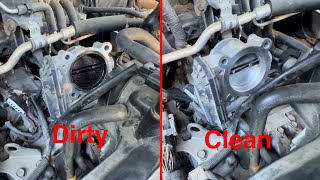
- The second step should be to clean the MAF sensor and throttle body, a low-cost fix that is proven to work on this vehicle.
- Do not ignore this code, as it indicates a high probability of being stranded with a car that won't start.
- If basic fixes don't work, ask a dealer to check for an ECM software update before replacing expensive components like a fuel pump.
What's Unique About the 2014-2018 Subaru Forester

For the fourth-generation (SJ) Forester with the FB25 engine, this code often points back to basic maintenance items. These vehicles can be sensitive to battery voltage, and a slightly weak battery that might still work in other cars can cause starting logic issues in a Subaru. Additionally, a documented case specific to a 2018 Forester with 98,955 miles showed that a dirty MAF sensor and throttle body were enough to trigger this code by disrupting the initial air/fuel mixture during a cold start. Subaru has also issued TSBs for other models like the Ascent (TSB 11-193-19) to fix P1604 via software updates, indicating the ECM logic itself can be a factor.
Symptoms You May Notice
- Engine cranks for a long time before starting (extended crank)
- Engine cranks but does not start at all (no-start)
- Engine starts and then immediately stalls
- Check Engine Light may be on or off
- Rough or unstable idle immediately after starting
- Replacing the fuel pump without first testing fuel pressure and checking pump duty cycle.
- Replacing crankshaft or camshaft sensors when no codes for those specific sensors are present. P1604 is a symptom code, not a direct pointer to these sensors.
Most Likely Causes

- Weak or Failing Battery 🔴 High Probability Subaru starting systems are sensitive to low voltage. The original equipment (OE) batteries in this generation are not known for exceptionally long life, and a battery that's even slightly degraded can fail to provide the stable voltage required by the ECM during cranking.
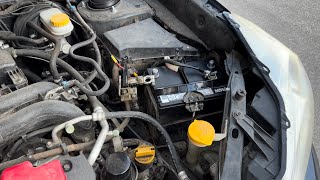
How to confirm: Perform a load test on the battery. A simple voltage check is not enough. Most auto parts stores can do this for free. The battery voltage should be at least 12.6V when off and 13.7-14.7V when the engine is running. A drop below 10V during cranking is a strong indicator of a bad battery.
Typical fix: Replace the vehicle's 12V battery.
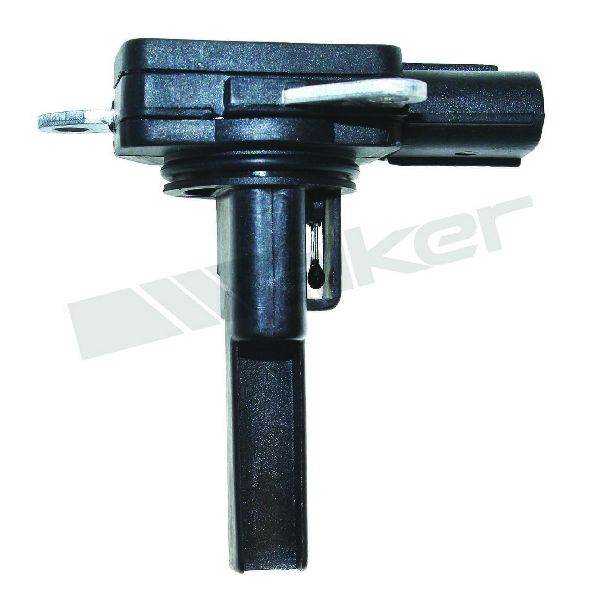
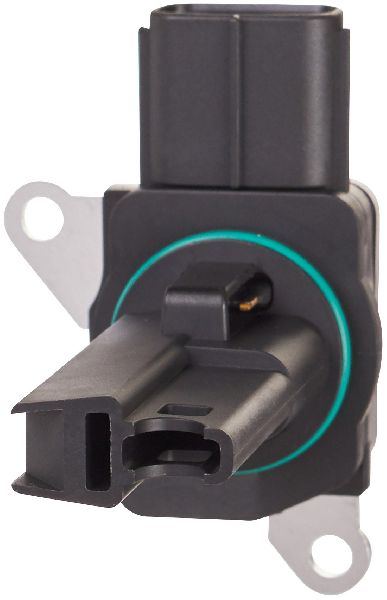
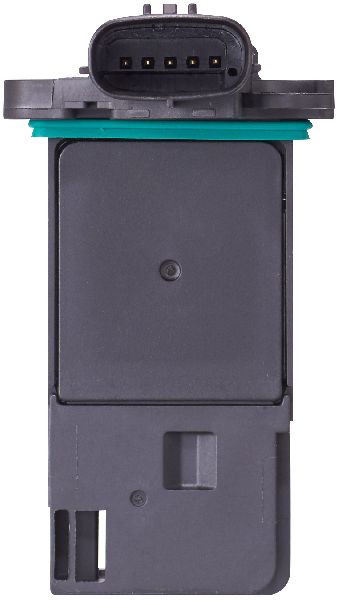
Est. part cost: $150-$300 - Dirty Mass Airflow (MAF) Sensor and/or Throttle Body 🟡 Medium Probability The PCV (Positive Crankcase Ventilation) system can introduce oil vapors into the intake tract over time, coating the throttle body and MAF sensor. This can disrupt airflow readings, especially during a cold start when a precise air/fuel mixture is critical.
How to confirm: Visually inspect the throttle plate for carbon buildup and the MAF sensor wires for contamination. A specific case on a 2018 Forester with P1604 was solved this way after ruling out fuel pressure issues.
Typical fix: Carefully clean the MAF sensor with dedicated MAF sensor cleaner 🎬 Watch: How to clean your throttle body and MAF sensor. and the throttle body with throttle body cleaner. Reset the engine's learned values by performing an idle relearn procedure.
Est. part cost: $15-$25 for cleaning sprays - Failing Starter Motor 🟡 Medium Probability A starter that is wearing out may draw too much current or turn the engine too slowly, which the ECM interprets as a startability failure. The slow crank speed fails to build sufficient compression or engine speed for the ECM to initiate fuel and spark correctly.
How to confirm: Listen for a slow, sluggish cranking sound. A mechanic can perform a starter draw test to measure the amperage it pulls from the battery. An abnormally high amp draw can also cause system voltage to drop excessively, further contributing to the issue. A typical spec for the starter is 1.2kW.
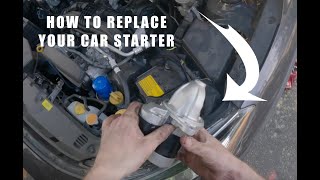
Typical fix: Replace the starter motor. 🎬 See this step-by-step guide on replacing your Subaru starter.
Est. part cost: $200-$450 - Corroded or Loose Battery Terminals/Grounds ⚪ Low Probability
How to confirm: Visually inspect the battery terminals for white or blue-green corrosion. Check that the main engine and chassis ground straps are clean and tight. A voltage drop test across the ground connections can confirm a poor connection. Some owners have found braided ground straps on the engine block completely corroded.
Typical fix: Clean the battery terminals with a wire brush and ensure all connections are secure. Replace any corroded ground straps.
Est. part cost: $5-$10 for a terminal cleaning tool
Rare But Worth Checking
- Engine Control Module (ECM) Software Update Needed: Subaru has issued Technical Service Bulletins (TSBs) for other models to fix the logic for P1604. TSB 11-193-19R was released for the 2019-2020 Ascent to address extended cranking and P1604 that may be stored without a CEL. This history shows that Subaru uses software updates to fix overly sensitive startability monitoring. If all other causes are ruled out, check with a Subaru dealer to see if a reflash is available for your Forester's VIN.
- Fuel Delivery Issue: A weak fuel pump or clogged fuel filter can cause a long crank. This is less common than battery or air intake issues but is still a possibility. A user on Reddit with a P1604 on their WRX noted a high fuel pump duty cycle (over 70%) and fluctuating fuel rail pressure, pointing to a failing pump or clogged filter. Checking fuel pressure at the rail is the definitive test.
- Worn Spark Plugs: If the spark plugs are near the end of their service life (typically 60,000 miles for this engine), they can contribute to hard starting, especially when combined with a slightly weak battery. A weak spark requires more cranking time to achieve ignition.
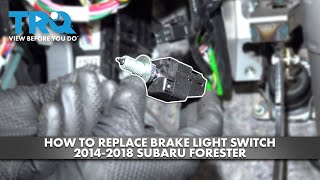
- Defective or Misadjusted Brake Light Switch: A faulty brake light switch can prevent the engine from starting on push-to-start models or cause other electrical issues. A recall was issued for 2014-2016 Foresters for this switch. Even if the recall was performed, misadjustment can still cause issues. One owner of a 2014 Forester reported that adjusting the switch play from 1mm to the specified 3-7mm resolved intermittent power cutting 🎬 Watch: How to replace and adjust the brake light switch. and warning light issues.
Diagnosis Steps

- Scan for other DTCs. If other codes are present, diagnose them first as they are likely the root cause of the P1604.
- Perform a battery load test. Ensure the battery is healthy (holds charge above 12.6V, doesn't drop below 10V on crank) and the terminals are clean and tight.
- Inspect and clean the Mass Airflow (MAF) sensor using dedicated MAF sensor cleaner.
- Inspect and clean the electronic throttle body using throttle body cleaner and a soft cloth. Be careful not to move the throttle plate manually if possible.
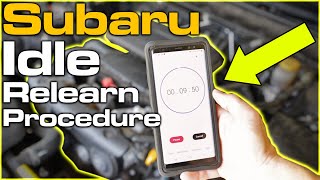
- After cleaning, perform an idle relearn procedure. This is critical for the ECU to learn the new 'home' position of the clean throttle plate. See detailed steps below.
- If the issue persists, test the starter motor for excessive current draw or slow operation.
- If the starter is good, check fuel pressure to rule out a weak fuel pump or clogged filter. On some scan tools, you can monitor fuel pump duty cycle; a consistently high number (e.g., >70%) at idle may indicate a problem.
- Check the brake light switch for proper operation and adjustment, especially on push-to-start models. A recall affected 2014-2016 models.
- As a final step, consult a Subaru dealership to check for any available ECM software updates (reflash) for your vehicle's VIN, referencing TSBs for other models like 11-193-19R.
Parts You'll Likely Need
- Group 25 12V Battery — A weak battery is the most common cause of voltage-sensitive starting issues that trigger P1604.
Trusted brands: Interstate, DieHard, Duralast
OEM price range: $200-$350
Aftermarket price range: $150-$250 - Starter Motor
(OEM #23300AA710)— A failing starter that cranks the engine too slowly can cause the ECM to set this code. Part number is for models with an automatic (CVT) transmission and is confirmed to fit the Forester, Crosstrek, and Impreza.
Trusted brands: Denso (OEM supplier), Bosch, Remy
OEM price range: $350-$450
Aftermarket price range: $150-$300 - MAF Sensor Cleaner — Cleaning the MAF sensor is a low-cost diagnostic step that has been documented to fix this code on a 2018 Forester.
Trusted brands: CRC, WD-40 Specialist
OEM price range: N/A
Aftermarket price range: $10-$15
Related Codes That Often Appear With This One
- None — P1604 is often a standalone code, as it describes a symptom (failure to start) rather than a specific component fault. However, if another fault (like a bad crank sensor) is the root cause, that sensor's specific code may appear alongside P1604. On some models, it may appear with P1603 (Engine Stall Malfunction).
Technical Service Bulletins (TSBs) & Recalls
- While no TSB is confirmed specifically for the 2014-18 Forester for P1604, TSB 11-193-19R (for 2019-2020 Ascent) shows Subaru's history of using ECM reprogramming to fix P1604 and extended crank issues. This establishes a pattern of fixing startability logic via software.
- TSB 11-200-20R for 2019-20 Forester addresses hard starting in sub-freezing temperatures via an ECM reflash, showing a precedent for fixing starting issues on this platform with software.
Platform-Specific Known Issues
- The FB25 engine in this generation can be prone to oil consumption, which can indirectly affect starting by fouling plugs over a long period, though this is not a direct cause of P1604.
- Some owners report that the code can appear without a Check Engine Light, only being found when scanning the ECU memory. This is mentioned in Subaru's own TSB for the Ascent.
Mechanic-Grade Diagnostic Values
- Battery Voltage (Static) — expected: 12.6V or higher. Failure: Below 12.4V indicates a discharged state; may not be sufficient for reliable starting.
- Charging System Voltage (Engine Running) — expected: 13.7V - 14.7V. Failure: Voltage outside this range indicates a problem with the alternator or voltage regulator.
- Voltage Drop Test (Ground Side) — expected: Less than 0.5V. Failure: Voltage greater than 0.5V from the component's ground pin to the negative battery terminal indicates high resistance in the ground circuit.
- Engine Oil Temperature Sensor Voltage (KOEO, Warmed Up) — expected: 1.0V - 1.4V. Failure: Voltage outside this range can indicate a sensor or wiring fault, confusing the ECM's starting logic.
- Brake Pedal Switch Depression — expected: 3mm - 7mm for switch activation. Failure: Incorrect adjustment (e.g., 1mm) can cause intermittent electrical faults and starting issues.
Scan Tool Commands That Help
- Subaru Select Monitor (SSM) or equivalent professional scanner: Clear Engine Adaptations / Memory Reset — This function is critical after cleaning the MAF sensor and throttle body. It forces the ECM to discard old learned values for idle and air/fuel control and relearn them with the clean components, which was the final step in a documented repair case.
- Manual Procedure (No Scan Tool Required): Idle Relearn Procedure — After disconnecting the battery or cleaning the throttle body, the ECM's learned idle position is lost, which can cause stalling or rough idle. This multi-step procedure allows the ECM to relearn the correct throttle plate position for a stable idle.
Wiring & Ground Locations

- Main Engine Grounds — Subaru engines typically have braided ground straps on both the left and right sides of the engine block, connecting to the chassis. One user on a 2010 model noted one had completely corroded away. Another key ground runs from the negative battery terminal directly to the chassis/fender wall.. Poor grounding can cause a multitude of electrical issues, including insufficient voltage for the starter or erratic sensor readings for the ECM, both of which can lead to a P1604 code.
- ECM Sensor Ground — The ECM provides a shared ground to multiple critical engine sensors via the engine wiring harness. On Subarus, the ECU grounds are often physically connected to the top of the intake manifold.. A fault in this shared ground wire can cause multiple sensor high/low input codes and prevent the ECM from getting the correct data needed to start the engine, as seen in a case where wiggling the harness caused sensor voltages to fluctuate wildly.
- Brake Light Switch Connector — Located at the top of the brake pedal assembly under the driver's side dashboard.. For push-to-start models, a signal from this switch is required to allow the engine to crank. A faulty switch or connector can directly cause a no-start condition.
Real Owner Repair Stories
- ALLDATA Tech-Assist Case Study (2018 Subaru Forester F4-2.5L, 98,955 miles) — MIL on, extended crank time on cold starts, occasional stall after starting.
❌ Tried (didn't work) Technician initially suspected a fuel pump check valve, but fuel pressure tests showed the system was holding pressure correctly.
✅ What actually fixed it Cleaning the Mass Airflow (MAF) sensor and the throttle body, followed by clearing the DTC and engine adaptations with a scan tool. The engine then started immediately. - Reddit user on r/SubaruForester (2014 Subaru Forester) — Intermittent hill assist light, cruise control not setting, engine cutting power, ABS/traction lights. The vehicle was subject to the brake light switch recall.
❌ Tried (didn't work) The recall for the brake light switch had already been performed by a dealer, but problems persisted.
✅ What actually fixed it The owner found ABS codes for the brake switch being both on and off. Upon inspection, they measured the pedal depression to activate the switch at only 1mm. They adjusted the switch to be within the 3-7mm specification, which completely resolved all symptoms. - Subaru TechTIPS Newsletter (QMR of the Month) (2018 Subaru Outback 3.6R (similar startability logic)) — Towed in for no-start after losing power while driving. Stored codes P1603 and P1604. Exhibited extended crank and start/stall condition when cold.
❌ Tried (didn't work) Initial checks were inconclusive as the car started normally at first.
✅ What actually fixed it While monitoring live data during a hard start, a technician noticed extremely erratic fuel injection pulse values. This led to the discovery of a poor connection at a specific ECM connector pin, which was the root cause.
OEM Part Supersession History
23300AA710→23300AA71A— Part revision or supplier change. Functionally equivalent.
Heads up: Both parts are listed as compatible for the 2012-2016 model years, indicating they are interchangeable for the specified applications.
Model Year Variations Within This Range
- 2014-2016: These model years were included in a major recall for a faulty brake light switch that could cause a no-start condition. While later models may still have switch failures, these specific years had a known defect from the factory.
- 2016+: A minor facelift for the 2016 model year included subtle interior changes, revised suspension damping, and improved steering. For the 2017 model year, the Forester received another facelift. While not directly tied to the P1604 code, software logic in the ECM may differ between pre- and post-facelift models.
Diagnostic Flowchart
Used vs. New Parts: Buying Guide for This Vehicle
When a used part is the smart pick: For a starter motor, a used OEM part from a reputable salvage yard with a low-mileage donor vehicle can be a cost-effective option. These OEM (often Denso-made) starters are generally robust, and a used unit is often preferable to a new, unbranded aftermarket part of questionable quality.
Donor-vehicle mileage cap: roughly under 80000 miles for the part to have meaningful remaining life.
What to inspect on the donor part:
- Check for a clean, corrosion-free housing and electrical terminals.
- Ensure the gear extends and retracts smoothly if possible.
- Ask for the VIN of the donor car to verify mileage and confirm it wasn't from a flood or fire-damaged vehicle.
OEM-only on this vehicle (don't cheap out):
- Engine Control Module (ECM): Used ECMs are risky due to the need for VIN programming and potential incompatibility. It's best to use a new OEM part or a specialized remanufacturing service if the ECM is confirmed faulty.
Aftermarket brands forum-validated for this vehicle:
- Battery: Interstate, DieHard, Duralast Gold/Platinum (AGM recommended for modern Subarus)
- Starter: Denso (OEM supplier), Bosch (Remanufactured)
Brands owners have reported issues with on this vehicle:
- Avoid generic, no-name electrical parts like starters and sensors from online marketplaces, as their quality control is often poor and can lead to repeat failures.
Real Owner Stories
Aggregated from forums and TSBs cited above. Mileages and costs reflect what owners reported in those sources.
2018 Subaru Forester FB25 2.5L
Symptoms: Long crank time and intermittent stalling with the MIL (Check Engine Light) on.
What fixed it: After confirming fuel pressure was good, the technician cleaned the Mass Airflow (MAF) sensor and the throttle body, then cleared the learned adaptations.
Source hint: ALLDATA Case Study: 2018 Forester - Long Crank Time, Intermittent Stalling, MIL On
2014 Subaru Forester FB25 2.5L
Symptoms: Various electrical issues including the engine power cutting out.
What fixed it: The owner found the brake switch pedal depression was only 1mm. Adjusting it to the proper 3-7mm specification resolved the problem.
Source hint: Reddit r/SubaruForester: Brake Switch Problem Update (Fixed)
Related OBD-II Codes
Frequently Asked Questions
My 2017 Forester has the P1604 code, but the Check Engine Light isn't on. Is this possible?
I heard about a software update for starting problems. Does TSB 11-193-19R apply to my 2015 Forester?
Could the brake light switch recall on my 2014 Forester be related to this P1604 starting issue?
I cleaned my MAF sensor and throttle body, but the car still idles rough and almost stalls. What did I miss?
My mechanic says the battery is the problem, but it shows over 12 volts. How can I be sure?
Is it worth cleaning the MAF sensor and throttle body on my Forester as a first step?
Helpful Videos

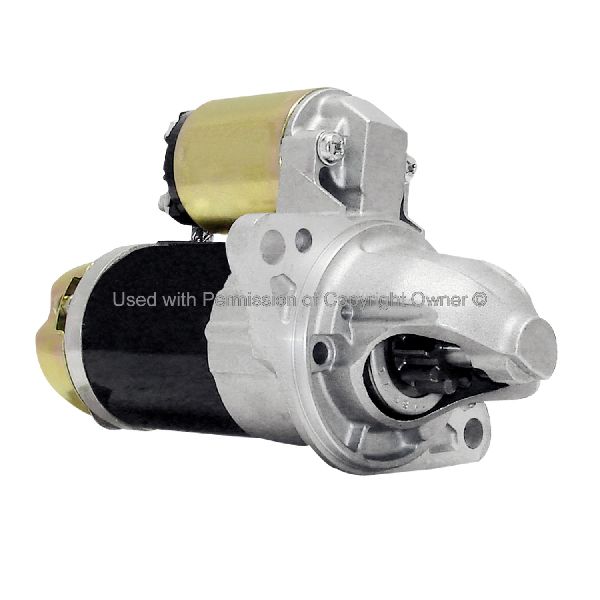
Used OEM Parts in Stock


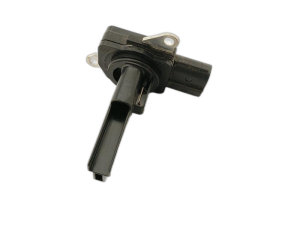


New Aftermarket Parts Available


The information in this article is provided for general reference and educational purposes only. Vehicle specifications, procedures, and part compatibility can vary by production date, trim level, and region. Always consult your vehicle's factory service manual and verify part numbers before purchasing or performing repairs. Safety-critical components such as airbags, seat belts, and braking systems should be installed by a qualified professional.
- Subaru Forester:
- 🎬 Helpful Videos
- 🛍️ Shop This Part
- What's Unique About the 2014-2018 Subaru Forester
- Symptoms You May Notice
- Most Likely Causes
- Rare But Worth Checking
- Diagnosis Steps
- Parts You'll Likely Need
- Related Codes That Often Appear With This One
- Technical Service Bulletins (TSBs) & Recalls
- Platform-Specific Known Issues
- Mechanic-Grade Diagnostic Values
- Scan Tool Commands That Help
- Wiring & Ground Locations
- Real Owner Repair Stories
- OEM Part Supersession History
- Model Year Variations Within This Range
- Diagnostic Flowchart
- Used vs. New Parts: Buying Guide for This Vehicle
- Real Owner Stories
- 2018 Subaru Forester FB25 2.5L
- 2014 Subaru Forester FB25 2.5L
- Related OBD-II Codes
- Frequently Asked Questions
- 🎟️ Get 5% Off