

P1548 on 2016-2018 Ford Focus RS: Air Filter Restriction Causes and Fixes
On a 2016-2018 Ford Focus RS, code P1548 almost always means the engine air filter is clogged and needs to be replaced. This is a simple, inexpensive DIY fix, typically costing $20-$60 for a new filter. Before replacing any sensors, a thorough inspection and likely replacement of the air filter is the first and most effective step.
- P1548 on your Focus RS means the engine is having trouble breathing, almost certainly due to a restriction before the turbo.
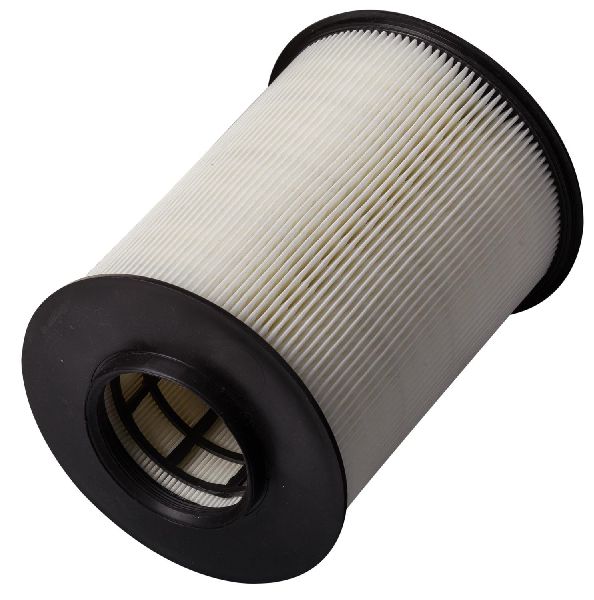
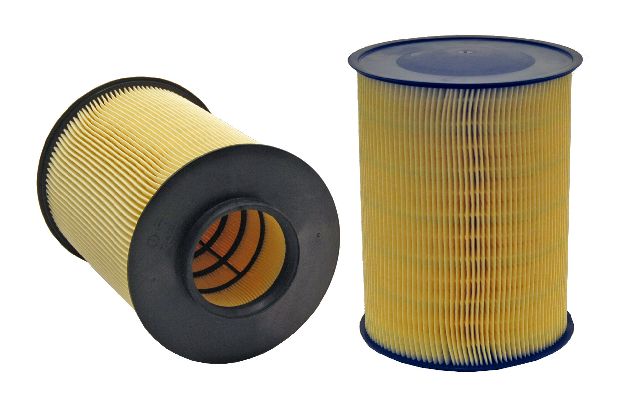
- The first, easiest, and most likely fix is to replace the engine air filter (Motorcraft P/N: FA-1908).
- Before buying any parts, visually inspect the air filter and the entire intake path for dirt or obstructions.
- This is a simple DIY job that requires minimal tools and can be completed in under 30 minutes.
What's Unique About the 2016-2018 Ford Focus
The 2.3L EcoBoost engine in the Ford Focus RS is a high-performance, turbocharged unit that is highly sensitive to airflow. Unlike a standard naturally-aspirated engine, any restriction in the intake system can more significantly impact turbocharger efficiency, throttle response, and overall power output. The stock intake system is generally well-designed, pulling cool air efficiently, but the engine's high demand for air means even a moderately dirty filter can trigger this code, especially under hard acceleration. While the cause is usually simple, the effects can be more pronounced on this specific performance-oriented platform.
Symptoms You May Notice
- Check Engine Light is on
- Noticeable loss of engine power and acceleration
- Poor throttle response, especially during high-load situations
- Increased fuel consumption
- Possible whistling or sucking noises from the air intake area
- Hesitation under boost
- Replacing the MAP sensor. One owner on a Ford forum replaced the MAP sensor to no avail before realizing the issue was elsewhere.
- Replacing the MAF sensor before checking the air filter.
Most Likely Causes
- Dirty or Clogged Engine Air Filter 🔴 High Probability The air filter is a routine maintenance item designed to trap contaminants. Over time, it will inevitably become saturated with dust, pollen, and debris, restricting airflow. The high-strung nature of the 2.3L EcoBoost makes it particularly sensitive to these restrictions.
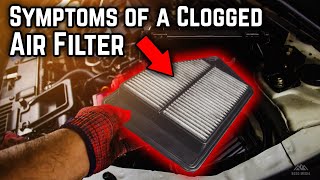
How to confirm: Visually inspect the air filter. 🎬 Watch this guide on common clogged air filter symptoms If it is dark, full of debris, or has not been changed in over 15,000 miles, it is the cause. The OEM Motorcraft filter is part number FA-1908.
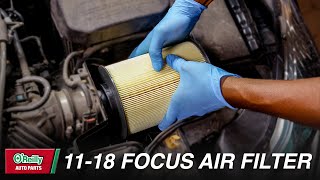
Typical fix: Replace the engine air filter. 🎬 Watch this step-by-step air filter replacement video This is a simple DIY job that can be done with basic hand tools.
Est. part cost: $20-$60 - Obstructed Air Intake Snorkel or Ducting 🟡 Medium Probability The air intake snorkel is low on the vehicle and can ingest debris, leaves, plastic bags, or even snow/ice in extreme weather, as noted in Ford TSBs for other models. This is a known cause for P1548 across Ford's EcoBoost lineup.
How to confirm: Open the airbox and inspect the intake path from the grille/fender opening to the filter housing for any foreign objects. Ensure both stock fresh air ducts are clear.
Typical fix: Remove the obstruction.
Est. part cost: $0 - Improperly Seated Air Filter or Airbox Lid ⚪ Low Probability If the air filter was recently changed, it's possible the filter itself is not seated correctly in the housing or the airbox lid clips were not properly latched. The FA-1908 filter has a specific orientation and must be seated correctly in the housing slots for the lid to close properly.
How to confirm: Ensure the air filter is sitting flat and flush in its housing and that all clips and screws for the airbox lid are secure. Check that the filter's notch is aligned with the gap in the housing.
Typical fix: Reseat the air filter and/or airbox lid correctly.
Est. part cost: $0
Rare But Worth Checking
- Dirty Mass Airflow (MAF) Sensor: Though less common than a clogged filter, a MAF sensor contaminated with oil (from an over-oiled aftermarket filter) or dirt can send inaccurate airflow readings to the PCM, which may be misinterpreted as a restriction. Some owners have cleaned the MAF sensor while troubleshooting this code.
- Collapsed or Damaged Intake Hose: The flexible rubber or plastic intake hose between the airbox and the turbo inlet can degrade over time, becoming soft and collapsing under high vacuum, which chokes off airflow. This is more likely with older, high-mileage vehicles.
- Incorrect Aftermarket Air Filter: While many aftermarket filters work well, a poorly designed or incorrect filter might not seal properly or could have different flow characteristics that confuse the PCM, leading to a P1548 code even if the filter is clean.
Diagnosis Steps
- Read the code with an OBD-II scanner to confirm P1548 is present.
- Open the engine airbox housing. This typically requires releasing a few clips or removing screws.
- Remove and visually inspect the engine air filter. If it is visibly dirty, clogged with debris, or wet, replace it. This is the most likely solution. The OEM part is Motorcraft FA-1908.
- While the filter is out, inspect the airbox and the intake snorkel leading to it for any obstructions like leaves, plastic bags, or animal nests. Clear any debris found.
- If the filter is clean, inspect the intake tubing between the airbox and the turbocharger for any cracks, tears, or signs of collapse.
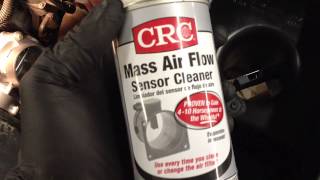
- If an aftermarket oiled filter is used (such as from K&N, Green Filter, or Mountune), consider cleaning the MAF sensor with a dedicated MAF sensor cleaner spray, 🎬 See how to properly clean a MAF sensor as oil can contaminate the sensor element.
- Ensure the air filter is installed correctly. The OEM filter has a specific orientation to fit properly within the housing.
- After performing repairs, clear the code with the scanner and perform a test drive with several hard accelerations to see if the code returns. The code often sets specifically during hard acceleration.
Parts You'll Likely Need
- Engine Air Filter
(OEM #FA-1908)— This is the most common cause of P1548. It is a standard maintenance part that gets clogged with normal use, restricting airflow. The high-performance nature of the Focus RS makes it very sensitive to this restriction.
Trusted brands: Motorcraft, AEM, K&N, Green Filter, Mountune
OEM price range: $35-$55
Aftermarket price range: $20-$60
Technical Service Bulletins (TSBs) & Recalls
- SSM 50342: While for an F-350, this TSB establishes that Ford uses code P1548 to indicate a lack of power due to snow packing the engine air cleaner.
- SSM 51648: Also for an F-350, this TSB links P1548 to ice forming in the air intake in extremely cold temperatures, reinforcing the code's meaning as an air intake obstruction.
Platform-Specific Known Issues
- Aftermarket Intakes and Tunes: While many owners upgrade to aftermarket cold air intakes (from brands like Cobb, ETS, Injen, or Roush) for increased performance and sound, an improperly installed or poorly designed system can sometimes trigger airflow-related codes. Similarly, aftermarket tunes that alter the engine's expected airflow parameters might make the system more sensitive to minor restrictions, potentially causing a P1548 code where a stock tune would not.
Mechanic-Grade Diagnostic Values
- MAP Sensor Reference Voltage — expected: ~5.0 Volts DC. Failure: Voltage significantly lower than 5.0V indicates a wiring or PCM issue.
- MAP Sensor Signal Voltage (Key On, Engine Off) — expected: ~4.5 - 4.8 Volts DC. Failure: Voltage significantly lower than this range suggests a faulty sensor or a restriction between the sensor and the atmosphere (which is unlikely). This reading reflects atmospheric pressure (~100 kPa).
- MAP Sensor Signal Voltage (Engine Idling) — expected: ~1.0 - 1.5 Volts DC. Failure: Voltage significantly higher than this range indicates low engine vacuum, which is not typically related to a P1548 restriction fault. Voltage that does not change from the KOEO reading is a sign of a failed sensor.
Scan Tool Commands That Help
- Ford IDS (Integrated Diagnostic System): DataLogger / Live Data Monitoring — This is the most effective way to diagnose a persistent P1548 after a filter change. A technician can monitor the MAP sensor pressure/voltage PID in real-time during a hard acceleration test drive to see if the value drops below the calibrated threshold, confirming the restriction condition that sets the code.
Wiring & Ground Locations
- MAP Sensor Connector — Plugged directly into the intake manifold.. This is the primary sensor the PCM uses to detect the air restriction. A poor connection here can cause erratic readings, though it's less likely to cause a P1548 than a true restriction. The connector must be disconnected to remove the intake manifold for certain services.
- Engine Bay Grounds (General) — Various points on the chassis, engine block, and near the battery. Specific ground points like G101, G102, G104 are documented in Ford wiring diagrams.. A poor ground connection for the MAP sensor circuit can alter its voltage reading, potentially causing the PCM to misinterpret the data. Ensuring all engine and chassis grounds are clean and tight is a crucial step in diagnosing any electronic fault.
When the Usual Fixes Don't Work
- While a clogged air filter is the overwhelming cause of P1548, there are documented cases on other Ford EcoBoost platforms where the code persisted even after replacing the air filter and the MAP sensor with new OEM parts. In one instance involving a 2018 Expedition with a 3.5L EcoBoost, the owner performed these common fixes, yet the code continued to set specifically during hard acceleration. This indicates that in rare, stubborn cases, the root cause may be a more elusive issue like a collapsing intake hose or another downstream problem that the PCM is misinterpreting as a pre-turbo restriction.
Model Year Variations Within This Range
- 2016-2018: No significant variations in the factory air intake system, MAP sensor, or engine control logic related to code P1548 have been documented between the 2016, 2017, and 2018 model years of the Focus RS.
Diagnostic Flowchart
Other Known Issues on This Vehicle
Issues unrelated to this code that are worth knowing about as an owner of this generation:
- Cylinder Head Gasket Failure 🔴 High — Common on 2016-2017 models built before July 2017. Can occur at low mileage. Symptoms include white exhaust smoke and coolant loss. (Ref: Ford Customer Satisfaction Program 17B32 was issued to address this, involving a cooling system pressure test and replacement of the head gasket and potentially the cylinder head.)
- Carbon Buildup on Intake Valves 🟠 Medium — A common long-term issue for all direct-injection engines, including the 2.3L EcoBoost. Typically becomes noticeable after 60,000-100,000 miles, causing reduced performance and potential misfires.
- Sticking Exhaust Flap 🟡 Low — Some owners report the exhaust valve, which changes position based on the drive mode, can get stuck open or closed, affecting the exhaust note.
- Interior Trim Rattles 🟡 Low — Frequently reported by owners, especially from the B-pillar and headliner areas. Often resolved with DIY fixes like foam tape.
Used vs. New Parts: Buying Guide for This Vehicle
When a used part is the smart pick: For this code, used parts are a viable option for structural components like the airbox housing or intake ducting if they are cracked or broken. These parts have no electronic or wear components.
Donor-vehicle mileage cap: roughly under 100000 miles for the part to have meaningful remaining life.
What to inspect on the donor part:
- For an airbox or intake tube, inspect for any cracks, especially around mounting points.
- Check for warping or melting from excessive engine heat.
- Ensure all factory clips, tabs, and connector mounts are intact and not brittle.
OEM-only on this vehicle (don't cheap out):
- MAP Sensor: If the sensor is suspected to be faulty, using an OEM Ford/Motorcraft part is strongly advised. Aftermarket sensors may not have the exact voltage-to-pressure curve, leading to incorrect readings and persistent codes.
- Engine Air Filter: This part should always be purchased new. Never use a used air filter.
Aftermarket brands forum-validated for this vehicle:
- For replacement air filters or full intake systems, brands like K&N, AEM, Mountune, Cobb, and ETS are well-regarded in the Focus RS community.
Brands owners have reported issues with on this vehicle:
- No-name or unverified generic brand MAP sensors should be avoided due to potential calibration and reliability issues.
Real Owner Stories
Aggregated from forums and TSBs cited above. Mileages and costs reflect what owners reported in those sources.
2017 Ford F-150 3.5L EcoBoost
Symptoms: Check engine light with codes P0001 and P1548.
What fixed it: Changed the engine air filter.
Source hint: Ford F150 Forum (f150forum.com)
2018 Ford Expedition 3.5L EcoBoost
Symptoms: Recurring P1548 code that would set specifically during hard acceleration.
What fixed it: The owner reported the issue persisted even after changing the air filter and MAP sensor, suggesting more complex diagnostic needs.
Source hint: Ford Truck Enthusiasts Forums (ford-trucks.com)
2017 Ford Expedition 3.5L EcoBoost
Symptoms: Persistent P1548 code for 8 months.
What fixed it: The owner attempted new filters, cleaning sensors, and smoke testing for leaks, but found the process frustratingly difficult to resolve.
Source hint: Ford Expedition Forum (expeditionforum.com)
Related OBD-II Codes
Frequently Asked Questions
Which specific air filter should I use for my 2016-2018 Ford Focus RS 2.3L to avoid P1548?
I have a 2017 Focus RS with white smoke and coolant loss; is this related to P1548?
Can my aftermarket Cobb or Mountune intake cause a P1548 code?
Does Ford have any technical bulletins regarding P1548 and environmental obstructions?
Why does my Focus RS only trigger P1548 during hard acceleration?
Is there a specific way to install the FA-1908 filter to prevent this code?
Helpful Videos
We Have This Part in Stock



The information in this article is provided for general reference and educational purposes only. Vehicle specifications, procedures, and part compatibility can vary by production date, trim level, and region. Always consult your vehicle's factory service manual and verify part numbers before purchasing or performing repairs. Safety-critical components such as airbags, seat belts, and braking systems should be installed by a qualified professional.
- Ford Focus:
- 🎬 Helpful Videos
- 🛍️ Shop This Part
- What's Unique About the 2016-2018 Ford Focus
- Symptoms You May Notice
- Most Likely Causes
- Rare But Worth Checking
- Diagnosis Steps
- Parts You'll Likely Need
- Technical Service Bulletins (TSBs) & Recalls
- Platform-Specific Known Issues
- Mechanic-Grade Diagnostic Values
- Scan Tool Commands That Help
- Wiring & Ground Locations
- When the Usual Fixes Don't Work
- Model Year Variations Within This Range
- Diagnostic Flowchart
- Other Known Issues on This Vehicle
- Used vs. New Parts: Buying Guide for This Vehicle
- Real Owner Stories
- 2017 Ford F-150 3.5L EcoBoost
- 2018 Ford Expedition 3.5L EcoBoost
- 2017 Ford Expedition 3.5L EcoBoost
- Related OBD-II Codes
- Frequently Asked Questions
- 🎟️ Get 5% Off