

P1299 on 2019-2023 Ford Transit Connect: False Overheat Causes and Fixes
On 2019-2020 Transit Connects, P1299 often signals a false overheat condition caused by an electrical issue with the alternator, not actual engine overheating. Before replacing any parts, inspect the alternator wiring as described in Ford's Technical Service Bulletin SSM 52786. If not the alternator, a faulty Cylinder Head Temperature (CHT) sensor is the next most likely cause. A real-world mechanic repair video documents this exact scenario, where a new alternator fixed the false overheat after
- P1299 on a 2019-2023 Transit Connect indicates the engine's protection mode has been activated due to a perceived overheat.
- For 2019-2020 models, the most likely cause is a FALSE overheat signal caused by a faulty alternator, per Ford TSB SSM 52786.
- Always investigate the alternator connection before replacing cooling system parts like the CHT sensor or thermostat.
- If the overheat warning happens instantly on a cold start, it strongly suggests an electrical fault (alternator or CHT sensor) rather than a real cooling system problem.
- Do not continue to drive with this code active; the vehicle is in a protective limp mode and could stall or suffer engine damage if the overheat is genuine.
What's Unique About the 2019-2023 Ford Transit Connect
For the 2019-2020 Ford Transit Connect specifically, this code is frequently triggered by a non-cooling system part. Manufacturer bulletin SSM 52786 identifies that a false overheat condition with code P1299 can be caused by an electrical issue with the generator (alternator). A failing alternator can introduce electrical noise or voltage irregularities into the system, disrupting the Cylinder Head Temperature (CHT) sensor's signal and tricking the computer into activating limp mode. This makes checking the alternator a critical first step, unique to this platform.
Symptoms You May Notice
- Check engine light is on
- Temperature gauge suddenly goes to maximum (HOT), often on a cold start.
- "Engine Overtemperature" or similar warning message on the dash.
- Engine runs rough, stumbles, bogs down, or has severely reduced power (limp mode).
- Engine may stall or shut down.
- Radiator cooling fans run constantly at high speed.
- Replacing the CHT sensor when the root cause is electrical noise from the alternator.
- Replacing the thermostat or water pump when the issue is a false overheat signal from a bad CHT sensor or wiring.
- Replacing the PCM after a CHT sensor replacement doesn't fix the issue, when the alternator is the actual culprit.
Most Likely Causes
- Alternator Electrical Issue (False Overheat) 🔴 High Probability Ford TSB SSM 52786 directly calls out a false overheat condition on 2019-2020 models. A failing alternator can create electrical interference that disrupts the CHT sensor signal, causing a false P1299 code. A YouTube video by 'G Auto Repair' documents this exact failure on a 2020 Transit Connect, where a new alternator was the ultimate fix.
How to confirm: Follow the procedure in TSB SSM 52786: disconnect the generator electrical connector C1558B and positive cable C1558A. If the false overheat condition disappears upon starting the engine with the alternator disconnected, the alternator is the root cause. This exact test was shown to work in a detailed repair video.
Typical fix: Replace the alternator (generator).
Est. part cost: $250-$500 - Faulty Cylinder Head Temperature (CHT) Sensor 🟡 Medium Probability The CHT sensor is a common failure point on many Ford vehicles. It can fail internally, sending an incorrect, high-temperature reading to the PCM even when the engine is cold. This is often the first part replaced, but on this platform, it can be a misdiagnosis for the alternator issue.
How to confirm: With a cold engine, use an OBD-II scanner to view live data for the CHT sensor. If it reads an impossibly high temperature (e.g., 250°F or higher) immediately after turning the key, the sensor or its circuit has failed.
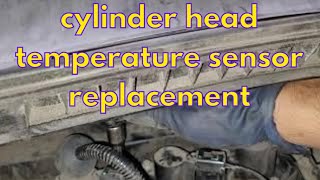
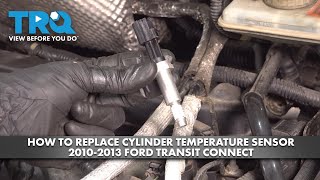
Typical fix: Replace the CHT sensor. The sensor is located on the cylinder head, often in a difficult-to-access position. 🎬 Watch a walkthrough on replacing the Ford Transit Connect CHT sensor
Est. part cost: $25-$70 - Low Engine Coolant Level 🟡 Medium Probability Any cooling system leak will eventually lead to low coolant levels and a genuine overheating condition.
How to confirm: Visually inspect the coolant level in the expansion tank when the engine is cold. If low, look for signs of leaks such as puddles under the vehicle or crusty residue on hoses, the radiator, or water pump.
Typical fix: Find and repair the leak, then refill and bleed the cooling system with the correct Motorcraft coolant.
Est. part cost: $10-$400+ - CHT Sensor Connector/Wiring Issue ⚪ Low Probability A known issue on some Transit Connects is a clogged valve cover drain, which can cause water to pool and contaminate the CHT sensor connector, causing a short circuit. A forum user on FordTransitConnectForum.com described this exact scenario on their 2015 model, where cleaning the drain and the connector fixed the issue.
How to confirm: Visually inspect the CHT sensor's electrical connector for moisture, green corrosion, or damaged wires.
Typical fix: Clean the connector with electrical contact cleaner and ensure it is dry. Repair any damaged wires. Clear the clogged drain to prevent recurrence. A replacement pigtail connector (Motorcraft WPT-1285) may be needed if corrosion is severe.
Est. part cost: $5-$50
Rare But Worth Checking
- Stuck Thermostat: A thermostat stuck closed will prevent coolant from circulating to the radiator, causing a rapid and genuine overheat condition.
- Failing Water Pump: A water pump with a worn impeller will not circulate coolant effectively, leading to a genuine overheat.
- Restricted Radiator: Debris blocking the radiator fins externally or clogs internally can reduce cooling efficiency and cause a real overheat.
- Leaking EGR Cooler: On some 2.0L EcoBoost engines, a leaking EGR cooler can cause coolant loss, white smoke, and overheating codes including P1299.
Diagnosis Steps
- Check for Technical Service Bulletins (TSBs). Specifically, review TSB SSM 52786 for the alternator-related false overheat issue on 2019-2020 models.
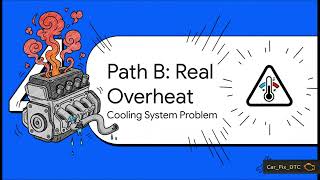
- If the TSB applies, perform the alternator disconnection test as described. If the problem vanishes, replace the alternator. 🎬 Watch this guide on common causes and fixes for code P1299
- If the TSB does not apply or the test does not isolate the alternator, check for a false vs. real overheat. Use a scan tool to read CHT sensor live data on a cold engine. An instant high reading points to a faulty sensor or circuit.
- If the CHT reading is normal on a cold start, check the coolant level in the reservoir. Top off if low and inspect for leaks.
- Inspect the CHT sensor connector for water intrusion, corrosion, or damage. A clogged valve cover drain is a known cause of water contamination in this connector.
- If the engine appears to be genuinely overheating (temperature rises with runtime), diagnose the cooling system. Check for a stuck thermostat, failing water pump, or restricted radiator.
Parts You'll Likely Need
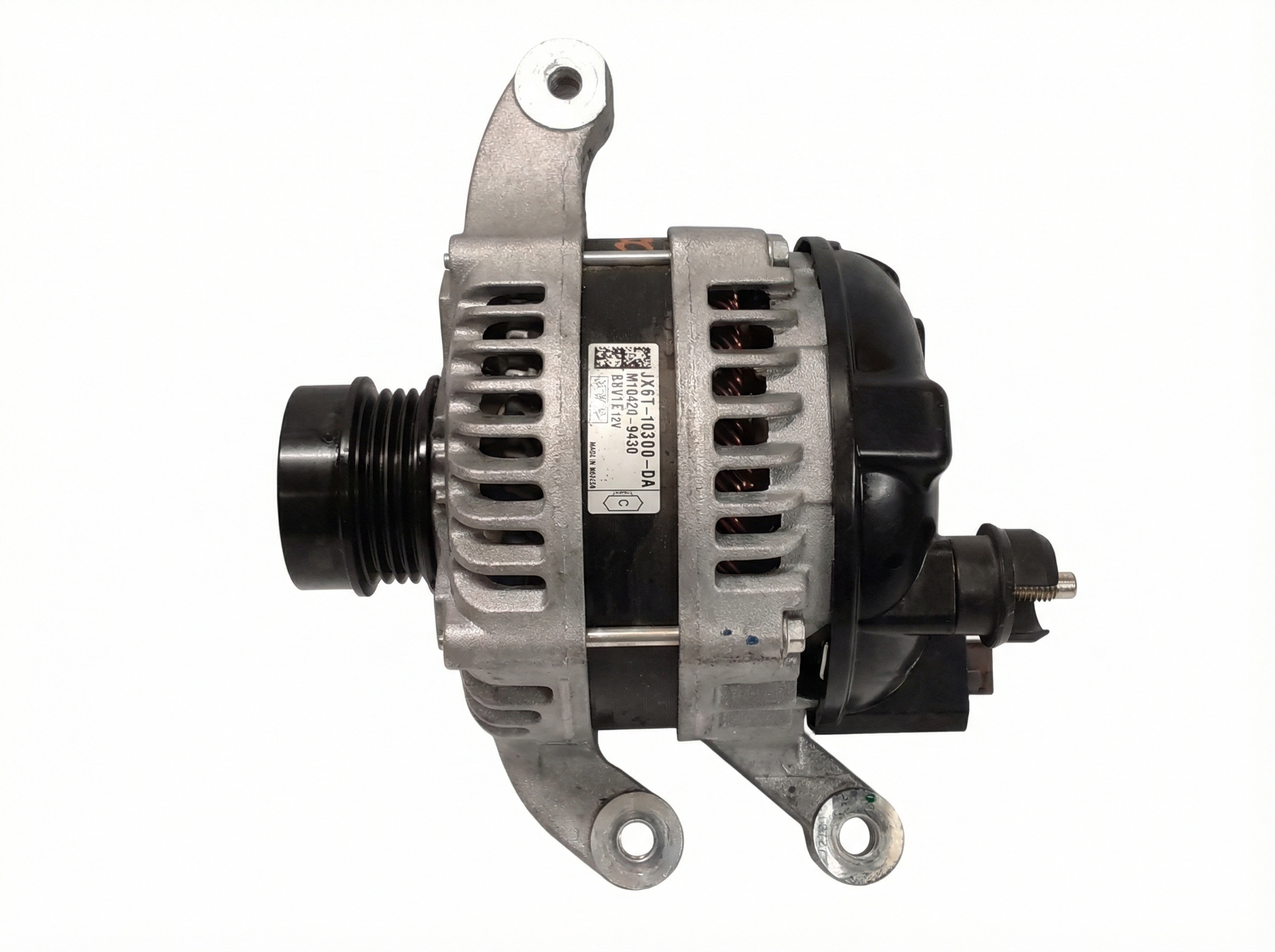
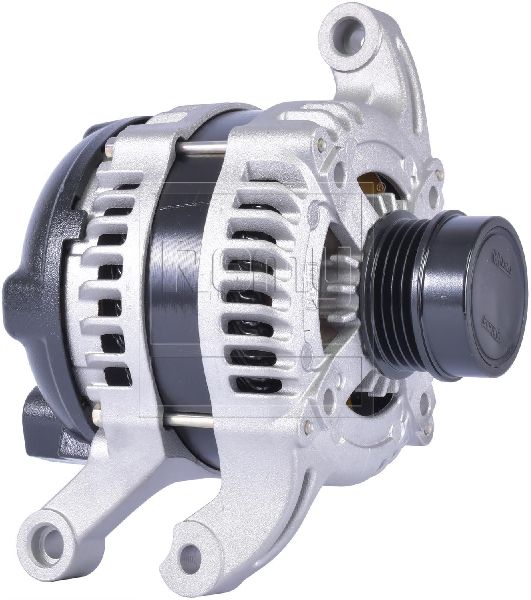
- Alternator (Generator)
(OEM #GL-9903 (Motorcraft, 150 Amp))— A primary cause of false P1299 codes on 2019-2020 models due to electrical interference, as identified in a Ford TSB.
Trusted brands: Motorcraft, Bosch
OEM price range: $400-$600
Aftermarket price range: $250-$500 - Cylinder Head Temperature (CHT) Sensor
(OEM #JX6Z-6G004-B (Motorcraft))— This sensor is a common failure point that sends false overheat signals to the computer, triggering limp mode.
Trusted brands: Motorcraft, Standard Motor Products, NTK
OEM price range: $40-$70
Aftermarket price range: $25-$50
Related Codes That Often Appear With This One
- P0217 — This code means 'Engine Overtemperature Condition' and is often set alongside P1299, as noted in TSB SSM 52786.
- P017D — This code for 'Cylinder Head Temperature Sensor Circuit High' can be triggered by the same electrical faults (bad sensor, wiring, or alternator interference) that cause P1299.
- P1285 — This code for 'Cylinder Head Overtemperature Condition' can also be triggered by CHT sensor circuit issues and is sometimes seen with P1299.
Technical Service Bulletins (TSBs) & Recalls
- SSM 52786: Addresses a false overheat condition with P1299 and/or P0217 on 2019-2020 Transit Connects, pointing to the alternator as the cause.
- TSB 16-0163: An older TSB for a previous model year that lists P1299 among many other codes, suggesting it can be part of a wider electrical fault.
Platform-Specific Known Issues
- TSB SSM 52786: Some 2019-2020 Transit Connect vehicles may exhibit a false overheat condition with DTC P1299 due to an issue with the generator (alternator) electrical connections.
- Water Intrusion at CHT Connector: A clogged valve cover drain can cause rainwater to pool and short out the CHT sensor connector, leading to false P1299 codes.
Mechanic-Grade Diagnostic Values
- CHT Sensor Resistance (Cold) — expected: 2000-3000 Ω at 20°C (68°F). Failure: A reading significantly outside this range, or an open circuit (OL), indicates a bad sensor.
- CHT Sensor Resistance (Hot) — expected: 200-300 Ω at 90°C (194°F). Failure: Resistance does not decrease smoothly as the engine warms, or the reading is incorrect for the temperature.
- CHT Sensor Signal Voltage (Key On, Engine Off, Cold) — expected: 2.0V to 3.5V, depending on ambient temperature.. Failure: A voltage near 5.0V indicates an open circuit (sensor unplugged). A voltage near 0V indicates a short to ground.
- CHT Sensor Signal Voltage (Normal Operating Temp) — expected: Around 2.1V at ~200°F (93°C).. Failure: Voltage is fixed, fails to change with temperature, or is pegged high (>4.6V) or low (<0.2V).
- CHT Sensor Reference Voltage (Sensor Unplugged, KOEO) — expected: ~5.0V. Failure: If reference voltage is not present, there is an open in the wiring or a fault in the PCM.
Scan Tool Commands That Help
- Ford IDS (Integrated Diagnostic System): Self Test > Powertrain > Engine — To retrieve all powertrain-related DTCs, including manufacturer-specific codes like P1299 and related codes like P017D that a generic scanner might miss.
- Ford IDS (Integrated Diagnostic System): Datalogger > CHT PID — To monitor the live voltage and temperature reading from the Cylinder Head Temperature sensor. This is critical for diagnosing a false overheat by checking the reading on a cold engine.
- Ford IDS (Integrated Diagnostic System): Powertrain > Fuel > Power Balance — When P1299 is active, the PCM disables fuel injectors. The Power Balance test can visually confirm which cylinders are being deactivated as part of the fail-safe cooling strategy.
Wiring & Ground Locations
- C1558B — The main electrical connector on the alternator (generator).. This is the connector TSB SSM 52786 instructs to disconnect to test if a faulty alternator is causing the false P1299 code.
- CHT Sensor Connector — On the 2.0L engine, it's on top of the cylinder head, between the two center ignition coils.. This connector is prone to water intrusion from a clogged valve cover drain, which can cause a short and trigger a false P1299. It's the primary connection point for testing the sensor's circuit.
- G104 / G105 — On a similar model year Transit Connect, these grounds are located on the left side of the engine compartment.. The PCM and its sensors rely on clean ground connections. A corroded or loose engine bay ground could potentially cause erratic sensor readings, including from the CHT sensor.
- OBD-II Connector — Located above the driver's side kick panel.. This is the data link connector used to connect a scan tool to read codes and live data, which is the first step in any diagnosis.
Real Owner Repair Stories
- YouTube channel 'G Auto Repair' (2020 Ford Transit Connect) — Towed in, would start but then bog down, temperature gauge went straight to HOT with an 'engine temp overheating' message. Codes P1299 and P017D were present.
❌ Tried (didn't work) Replaced the Cylinder Head Temperature (CHT) sensor. The mechanic noted it was an inexpensive part and tried it first., Performed resistance checks on the CHT circuit wiring all the way to the PCM; everything checked out.
✅ What actually fixed it Following the TSB, the mechanic disconnected the positive cable from the alternator. Upon starting the vehicle, the false overheat condition and drivability issues were gone. Replacing the alternator with a new Ford unit permanently fixed the problem.
OEM Part Supersession History
JX6Z-6G004-A→JX6Z-6G004-B— Part number update/revision by Ford.
Heads up: The new part number (JX6Z-6G004-B) is the correct replacement for the original and is specified for the 2.0L Transit Connect.
Model Year Variations Within This Range
- 2019-2022 (US Market): The primary engine was the 2.0L GDI four-cylinder paired with an 8-speed automatic transmission. The core engine components relevant to P1299 did not change significantly in this range. The Transit Connect was discontinued for the US market after the 2022 model year.
- 2019-2020: These specific model years are called out in TSB SSM 52786 for the alternator-induced false overheat condition. While the issue could potentially affect later years with the same parts, the TSB is explicit to this range.
Diagnostic Flowchart
Other Known Issues on This Vehicle
Issues unrelated to this code that are worth knowing about as an owner of this generation:
- 8F35 Transmission Problems 🔴 High — Commonly reported issues include harsh shifting, shuddering, slipping, and premature failure, sometimes requiring full replacement under 100k miles. TSB 22-2281 addresses slipping and harsh engagement due to internal wear on 2019-2021 models. (Ref: TSB 22-2281, TSB 21-2081)
- Panoramic Roof Panel Detachment 🔴 High — A factory adhesive bonding issue can cause the panoramic glass roof to leak water or, in some cases, completely separate from the vehicle while driving. Affects 2017-2019 models. (Ref: Recall 24V-294 (NHTSA), Ford Recall 20S22)
- General Transmission and Engine Problems 🟠 Medium — Owners report a range of issues including transmission slipping, rough idling, and decreased power, which may be attributed to various components like faulty throttle bodies or transmission solenoids.
Used vs. New Parts: Buying Guide for This Vehicle
When a used part is the smart pick: For this specific P1299 issue, buying a used part is generally not recommended for the primary electrical culprits. A used CHT sensor is a gamble with a short lifespan, and a used alternator could have the same internal electrical fault that causes the problem. Used parts are only viable for genuine overheat issues (e.g., replacing a physically damaged coolant reservoir).
Donor-vehicle mileage cap: roughly under 50000 miles for the part to have meaningful remaining life.
What to inspect on the donor part:
- For an alternator, check the date code on the sticker if possible; newer is better.
- Ensure the pulley spins freely without noise or roughness.
- Inspect electrical connection posts to ensure they are not corroded or damaged.
- Ask for the donor vehicle's VIN to check for any history of electrical issues if possible.
OEM-only on this vehicle (don't cheap out):
- Alternator (Generator): Given that a specific electrical fault within the alternator is the cause of the false overheat TSB, choosing a new, high-quality OEM (Motorcraft) or a top-tier aftermarket equivalent is critical to ensure the problem is resolved.
- Cylinder Head Temperature (CHT) Sensor: This is a critical sensor that directly controls the engine's fail-safe mode. Due to the low cost of a new OEM part and the high risk of a faulty used or cheap aftermarket sensor, OEM is strongly recommended.
Aftermarket brands forum-validated for this vehicle:
- Bosch (for alternators)
- NTK (for sensors)
- Standard Motor Products (for sensors)
Brands owners have reported issues with on this vehicle:
- Ultra-cheap, no-name alternators and sensors from online marketplaces, as they often lack the proper internal voltage regulation and filtering, which can cause or fail to fix this exact issue.
Real Owner Stories
Aggregated from forums and TSBs cited above. Mileages and costs reflect what owners reported in those sources.
2020 Ford Transit Connect
Symptoms: Vehicle would start but then bog down and stumble, similar to a bad mass air flow sensor. The temperature gauge would go all the way to hot immediately and display a 'temp overheating' message. PCM threw codes P1299 and P017D.
What fixed it: Replacing the alternator (generator) after confirming the false overheat disappeared when the alternator was disconnected per TSB SSM 52786.
Source hint: YouTube video by 'G Auto Repair' titled 'This Bad Alternator Tricked The PCM! Ford P1299 Fix'
2015 Ford Transit Connect
Symptoms: False P1299 codes caused by a short circuit in the CHT sensor connector.
What fixed it: Cleaning the clogged valve cover drain to prevent water pooling and cleaning the CHT sensor electrical connector.
Source hint: FordTransitConnectForum.com user report cited in context
Related OBD-II Codes
Frequently Asked Questions
My 2020 Transit Connect shows a 'Temp Overheating' message even on a cold start. Is there a specific TSB for this?
How can I test if my alternator is causing the P1299 code as described in SSM 52786?
Can a clogged drain on the engine cause a P1299 code?
What specific replacement connector is recommended if my CHT sensor plug is corroded?
Is the P1299 code related to the transmission issues common in the 2019-2021 models?
Does the 2.0L GDI engine in the Transit Connect share this P1299 issue with other Ford vehicles?
Helpful Videos

Used OEM Parts in Stock

New Aftermarket Parts Available


The information in this article is provided for general reference and educational purposes only. Vehicle specifications, procedures, and part compatibility can vary by production date, trim level, and region. Always consult your vehicle's factory service manual and verify part numbers before purchasing or performing repairs. Safety-critical components such as airbags, seat belts, and braking systems should be installed by a qualified professional.
- Ford Transit Connect:
- 🎬 Helpful Videos
- 🛍️ Shop This Part
- What's Unique About the 2019-2023 Ford Transit Connect
- Symptoms You May Notice
- Most Likely Causes
- Rare But Worth Checking
- Diagnosis Steps
- Parts You'll Likely Need
- Related Codes That Often Appear With This One
- Technical Service Bulletins (TSBs) & Recalls
- Platform-Specific Known Issues
- Mechanic-Grade Diagnostic Values
- Scan Tool Commands That Help
- Wiring & Ground Locations
- Real Owner Repair Stories
- OEM Part Supersession History
- Model Year Variations Within This Range
- Diagnostic Flowchart
- Other Known Issues on This Vehicle
- Used vs. New Parts: Buying Guide for This Vehicle
- Real Owner Stories
- 2020 Ford Transit Connect
- 2015 Ford Transit Connect
- Related OBD-II Codes
- Frequently Asked Questions
- 🎟️ Get 5% Off