

P1289 on 2007-2014 Ford Edge 3.5L: CHT Sensor Causes and Fixes
This code almost always means the Cylinder Head Temperature (CHT) sensor has failed. On the 3.5L V6, this sensor is buried under the intake manifolds, making it a labor-intensive fix. Expect to pay a shop $500-$750 for the repair, which involves replacing the sensor and intake gaskets. Due to the location, this is not a beginner-friendly DIY job.
- P1289 on a 2007-2014 Edge is an electrical fault with the Cylinder Head Temperature (CHT) sensor circuit, not an actual overheating problem.
- The most common symptoms are a dead temperature gauge, A/C not working, and cooling fans running constantly.
- The fix is almost always a new CHT sensor, but the repair is difficult and expensive due to its location under the intake manifolds.
- This is not a recommended DIY repair for beginners; professional service is strongly advised.
- When the sensor is replaced, the upper and lower intake manifold gaskets must also be replaced.
What's Unique About the 2007-2014 Ford Edge

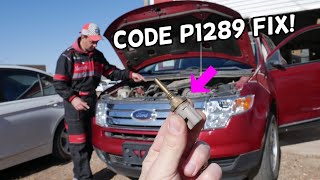
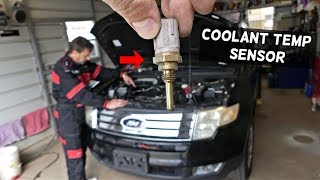
The key challenge with the P1289 code on the 2007-2014 Ford Edge with the 3.5L V6 is the physical location of the Cylinder Head Temperature (CHT) sensor. Unlike many engines where temperature sensors are easily accessible, Ford placed the CHT sensor deep in the valley between the engine's cylinder heads, underneath the lower intake manifold. 🎬 Watch this video to see the sensor's hidden location. To access and replace it, a technician must remove both the upper and lower intake manifolds, a procedure that significantly increases labor time and cost compared to a more accessible sensor.
Generation note: The 2007-2014 model years cover the first generation Ford Edge (2007-2010) and its mid-cycle refresh (2011-2014). The 3.5L Duratec V6 engine was a primary option throughout this period, and the location of the CHT sensor and the associated repair procedure for code P1289 are the same for all years in this range. This issue is also common on platform mates like the Lincoln MKX which share the same engine and chassis.
Symptoms You May Notice
- Check Engine Light is on
- Temperature gauge on the dashboard drops to 'C' or shows no reading, sometimes after initially showing a normal temperature.
- Cooling fans run constantly at high speed as soon as the engine starts.
- Air conditioning (A/C) system will not engage.
- Vehicle may enter a reduced power mode, often called 'limp mode'.
- A warning message such as 'Engine Coolant Over Temp' may appear on the instrument cluster, even when the engine is cold.
- No reading for the outside ambient air temperature on the display.
- Replacing the thermostat. A thermostat issue would typically cause an actual overheating condition or a P0128 code, not a P1289 circuit code. 🎬 See a detailed breakdown of what causes the P1289 code.
- Replacing the coolant. Low or old coolant will not cause a sensor circuit fault.
- Replacing the camshaft position sensor. A forum user reported a dealer incorrectly diagnosed a camshaft sensor issue when the symptoms and code clearly pointed to the CHT sensor, quoting $1200 for the wrong repair.
Most Likely Causes

- Failed Cylinder Head Temperature (CHT) Sensor 🔴 High Probability The sensor is subjected to high heat cycles in the engine valley, which can lead to internal electronic failure over time. The sensor itself is also noted to be thin and can break during installation if over-torqued.
How to confirm: Using a scan tool, observe the CHT sensor voltage or temperature reading. A reading of -40°F/°C or a voltage stuck high (above 4.6V) with the engine running indicates a failed sensor or open circuit. The reading may be normal for a few seconds after startup before dropping out.
Typical fix: Replace the CHT sensor. This requires removing the upper and lower intake manifolds to gain access. The intake manifold gaskets must also be replaced during reassembly.
Est. part cost: $25-$50 for the sensor, $50-$80 for gaskets - Damaged CHT Sensor Wiring or Connector 🟡 Medium Probability The wiring harness runs in a high-heat area at the back of the engine, making it susceptible to becoming brittle, chafed, or melted over time. Rodent damage is also a possible cause, with owners finding nests in the engine valley near the sensor wiring.
How to confirm: Visually inspect the wiring harness leading to the CHT sensor for any signs of damage, fraying, or melting. This is difficult without at least partial removal of the intake manifold. Perform a 'wiggle test' on the harness while monitoring the CHT voltage on a scan tool to see if the reading changes.
Typical fix: Repair the damaged section of the wiring harness or replace the sensor pigtail connector.
Est. part cost: $15-$30 for a pigtail connector
Rare But Worth Checking
- Faulty Powertrain Control Module (PCM): This is extremely rare. The PCM should only be considered after the CHT sensor and its entire circuit have been thoroughly tested and confirmed to be in good working order.
Diagnosis Steps

- Connect an OBD-II scanner and confirm P1289 is the primary code. Note any other codes, especially P1299.
- Access the live data stream on the scanner. View the parameter for the Cylinder Head Temperature (CHT).
- Start the cold engine. If the CHT immediately reads an illogical value (e.g., -40°F, 250°F) or the voltage is stuck high (above 4.6V), the sensor or its circuit is faulty. In some cases, the gauge may read normally for a moment before dropping to cold and triggering the fault.
- If the reading is erratic, and if access allows, perform a 'wiggle test' by carefully moving the engine wiring harness at the back of the intake manifold to check for a loose connection or broken wire.
- If the sensor and wiring are suspected, turn off the vehicle. Disconnect the CHT sensor connector (this is difficult due to its location and requires intake removal).
- Test the connector for a 5-volt reference signal and a good ground from the PCM. If either is missing, the problem is in the wiring harness or the PCM itself.
- If the reference voltage and ground are present, the fault is almost certainly the CHT sensor itself.
- Proceed with replacing the CHT sensor and the necessary upper and lower intake manifold gaskets.
Parts You'll Likely Need

- Cylinder Head Temperature (CHT) Sensor
(OEM #AU5Z-12A648-A)— This sensor is the most common point of failure for code P1289.
Trusted brands: Motorcraft, NGK, Standard Motor Products, NTK
OEM price range: $35-$50
Aftermarket price range: $15-$30 - Upper and Lower Intake Manifold Gasket Set
(OEM #AT4Z-9H486-A (Upper), 7T4Z-9439-E (Lower, 6 req'd))— These gaskets are single-use and must be replaced anytime the intake manifolds are removed to access the CHT sensor.
Trusted brands: Motorcraft, Fel-Pro, Mahle
OEM price range: $60-$90
Aftermarket price range: $40-$70
Related Codes That Often Appear With This One
- P1299 — P1299 ('Cylinder Head Over-Temperature Protection Active') is the effect triggered by the P1289 cause. The PCM logs P1289 due to the faulty sensor signal, then activates fail-safe mode (fans on high, A/C off) and logs P1299 as a result. Fixing the root cause of P1289 will resolve P1299.
Technical Service Bulletins (TSBs) & Recalls
- TSB 19-2049: While this TSB applies to 2019 5.0L F-150/Mustang models, it addresses the same P1289 code and confirms the cause as a faulty CHT sensor, reinforcing the diagnostic logic for Ford vehicles.
- TSB 16-0163: This manufacturer bulletin notes that P1289 can appear alongside a wide range of other codes, including P1299 and P0217, and directs technicians to follow specific service procedure steps to correct the condition.
Platform-Specific Known Issues
- The primary issue for this platform is the labor-intensive location of the CHT sensor, which turns a simple sensor replacement into a multi-hour job requiring significant engine disassembly.
- A video from World Mechanics on YouTube demonstrates the repair on a 2009 Edge, confirming the sensor's location between the cylinder heads and the need to remove the intake manifolds. 🎬 Watch this step-by-step repair on a 2009 Ford Edge.
Mechanic-Grade Diagnostic Values
- CHT Sensor Voltage vs. Temperature (Live Data) — expected: Normal operating temperature (~194-212°F) should correspond to a voltage between 1.68V and 2.03V. A cold engine at ~60°F should show around 3.4V.. Failure: A voltage reading greater than 4.6V indicates an open circuit, which triggers the P1289 code.
- CHT Sensor Resistance vs. Temperature — expected: At ~60°F (15°C), resistance should be between 37k and 59k Ohms. At operating temperature (~200°F / 93°C), resistance should drop to approximately 2.0k - 2.9k Ohms.. Failure: Infinite resistance (open circuit) or a reading that is dramatically outside the expected range for a given temperature indicates a failed sensor.
- CHT Sensor Circuit Reference Voltage — expected: With the sensor unplugged and ignition on (engine off), one pin of the harness-side connector should show a 5-volt reference signal from the PCM.. Failure: Absence of the 5V reference points to a problem in the wiring harness or the PCM itself, not the sensor.
- CHT Sensor Circuit Ground — expected: The second pin on the harness-side connector is the signal return (ground) and should read close to 0 volts.. Failure: High voltage on the ground pin indicates a wiring issue.
Wiring & Ground Locations
- CHT Sensor Connector — On the sensor itself, located in the engine valley between the cylinder heads, under the lower intake manifold.. This is the primary connection point to test for 5V reference and ground when diagnosing the circuit. It is a 2-wire connector, typically with 18-gauge wires.
- CHT Sensor Wires (at PCM) — For a similar 3.5L V6, the CHT signal wire is Yellow/Light Green and goes to PCM pin 41. The signal return (ground) wire is Grey/Red and goes to PCM pin 58. This should be verified for the specific Edge model year.. Allows for end-to-end continuity testing of the harness between the PCM and the sensor connector if a break in the wiring is suspected.
- G107 — Located on the right front of the engine compartment.. This is a major engine compartment ground point. While not the direct signal return for the CHT, a poor main ground can cause floating voltages and erratic behavior in multiple sensor circuits.
Real Owner Repair Stories
- Ford F150 Forum, user 'wjfawb0' (2010 Ford F-150 5.4L (similar engine architecture and symptoms)) — Instant P1289 code on cold start, fans on high, no A/C, limp mode. Vehicle sits for weeks at a time.
❌ Tried (didn't work) Replaced the CHT sensor (code returned immediately)., Considered replacing the pigtail harness next.
✅ What actually fixed it The user suspected rodent damage to the wiring harness deep in the engine valley, as they had a previous issue with squirrels chewing an injector harness. The final resolution was not posted in the thread, but the evidence strongly pointed to a wiring break that was not the sensor or pigtail. - YouTube, channel 'Matthew Jo' (2015 Ford F-150 with 55,000 miles) — Hard start, Check Engine Light with code P1289, 'coolant temperature' message on dash.
❌ Tried (didn't work) Initially assumed sensor failure.
✅ What actually fixed it Upon inspection before disassembly, the mechanic found that a rodent had chewed through the CHT sensor wires in the engine valley. The fix was to repair the wiring harness, not replace the sensor. This required removing the intake manifolds to access and properly repair the damaged wires. - NHTSA ODI #10484858 — An owner reported performing a Key-On/Engine-Off (KOEO) check with an OBDII scanner which revealed P1289 (Cylinder Head Temp Sensor High Input) alongside ignition coil circuit and misfire codes.
OEM Part Supersession History
F2AZ-12A648-A, F4TZ-12A648-A→9U2Z-12A648-A— Part consolidation and revision over many model years. The base part number is 12A648.
Heads up: The part number specified in Pass 2, AU5Z-12A648-A, appears to be a different sensor design. While many Ford CHT sensors look similar, it is critical to use the exact part number specified for the 3.5L V6 in the Edge, as resistance curves and thread patterns can vary. 9U2Z-12A648-A (also sold as Motorcraft DY1145) is often cited for this engine family.
Diagnostic Flowchart
Other Known Issues on This Vehicle
Issues unrelated to this code that are worth knowing about as an owner of this generation:
- Internal Water Pump Failure 🔴 High — Can occur around 100,000 miles. Failure is catastrophic as the pump is driven by the timing chain. When it fails, it leaks coolant directly into the engine oil, leading to rapid engine destruction if not caught immediately.
- Power Transfer Unit (PTU) Failure (AWD Models) 🔴 High — The PTU (transfer case) is prone to overheating and fluid leaks due to its small fluid capacity and proximity to the hot exhaust. Leaks from the seals are common, and failure to keep the fluid topped off leads to expensive PTU replacement. (Ref: TSB 09-25-7 addresses seal leaks on 2007-2010 models.)
- Faulty Brake Booster 🟠 Medium — A tear can develop in the booster's internal diaphragm, causing a hissing noise when the brake pedal is pressed and a hard or spongy pedal feel. This was common enough for Ford to issue a warranty extension. (Ref: Customer Satisfaction Program 13N02 extended the warranty to 10 years/150,000 miles.)
- Electronic Throttle Body Failure 🟠 Medium — Can fail suddenly, putting the vehicle into 'limp mode' with a wrench light on the dash and severely reduced power. This was a widespread issue across many Ford models. (Ref: Customer Satisfaction Program 13N03 extended the warranty, but has since expired for these model years.)
- Door Ajar Sensor Failure 🟡 Low — A common annoyance where the sensor within the door latch fails, causing the 'Door Ajar' light to stay on, the dome lights to remain lit, and preventing doors from locking automatically. The entire latch assembly must be replaced to fix it.
Used vs. New Parts: Buying Guide for This Vehicle
When a used part is the smart pick: For this specific repair, using a used CHT sensor is NOT recommended. The part is relatively inexpensive new, is a known failure item, and the extreme labor cost to access it makes installing a used part with unknown remaining life a very poor risk. Used intake manifolds or wiring harness sections from a donor vehicle could be considered if the original parts are physically damaged, but the gaskets must always be new.
Donor-vehicle mileage cap: roughly under 80000 miles for the part to have meaningful remaining life.
What to inspect on the donor part:
- For a wiring harness: Check for any signs of rodent damage (chew marks, nesting material).
- Inspect the plastic loom for brittleness or cracking from heat exposure.
- Ensure all connector locking tabs are intact and not broken.
OEM-only on this vehicle (don't cheap out):
- Cylinder Head Temperature (CHT) Sensor: While quality aftermarket brands exist, the high labor cost makes using the OEM Motorcraft sensor a wise investment to minimize the chance of premature failure and a repeat repair.
- Intake Manifold Gaskets: Use high-quality OEM (Motorcraft) or reputable aftermarket (Fel-Pro, Mahle) gaskets. Cheap, no-name gaskets are a major risk for vacuum or coolant leaks after reassembly.
Aftermarket brands forum-validated for this vehicle:
- NTK
- NGK
- Standard Motor Products (SMP)
- Fel-Pro (for gaskets)
- Mahle (for gaskets)
Brands owners have reported issues with on this vehicle:
- Avoid unbranded, white-box parts from online marketplaces for this repair due to the high consequence (repeat labor) of part failure.
Real Owner Stories
Aggregated from forums and TSBs cited above. Mileages and costs reflect what owners reported in those sources.
2014 Ford Edge 3.5L V6
Symptoms: The 'engine coolant over temp' warning appeared on the instrument cluster and the temperature gauge was dead.
What fixed it: The thread confirmed the CHT sensor was the cause of the issue.
Cost: $660-$1200
Source hint: FordEdgeForum.com: A thread from 2021 titled 'P1289 and Overheating'
2013 Ford Edge 3.5L V6
Symptoms: The vehicle had an active P1289 code and the outside ambient air temperature display was not working.
What fixed it: The owner was confirming that replacing the CHT sensor would fix both issues, which is the correct repair.
Source hint: Reddit (r/Cartalk): A user with a 2013 Ford Edge and code P1289
Ford F150 3.5L V6
Symptoms: The truck entered limp mode and displayed an erratic temperature reading that eventually settled on an extremely low number.
What fixed it: The symptoms were identified as pointing directly to a failed CHT sensor.
Source hint: Ford F150 Forum: A thread discussing a P1289 on a 3.5L engine
Related OBD-II Codes
Frequently Asked Questions
Why is the repair for a P1289 code on my Ford Edge so expensive if it's just a sensor?
Can a P1289 code really cause my A/C to stop working and the outside temperature display to go blank?
What other parts do I need to buy when replacing the CHT sensor for code P1289?
What are the risks of driving my Ford Edge with an active P1289 code?
Is there a specific Technical Service Bulletin (TSB) for P1289 on the 2007-2014 Ford Edge?
How can I tell if the CHT sensor or the wiring is the problem?
Helpful Videos

![What is P1289 Engine Code [Quick Guide]](https://img.youtube.com/vi/lY_SLHjlIz4/mqdefault.jpg)
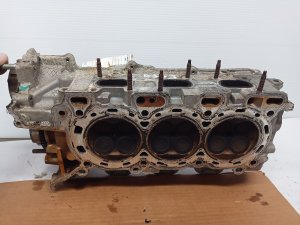
Used OEM Parts in Stock


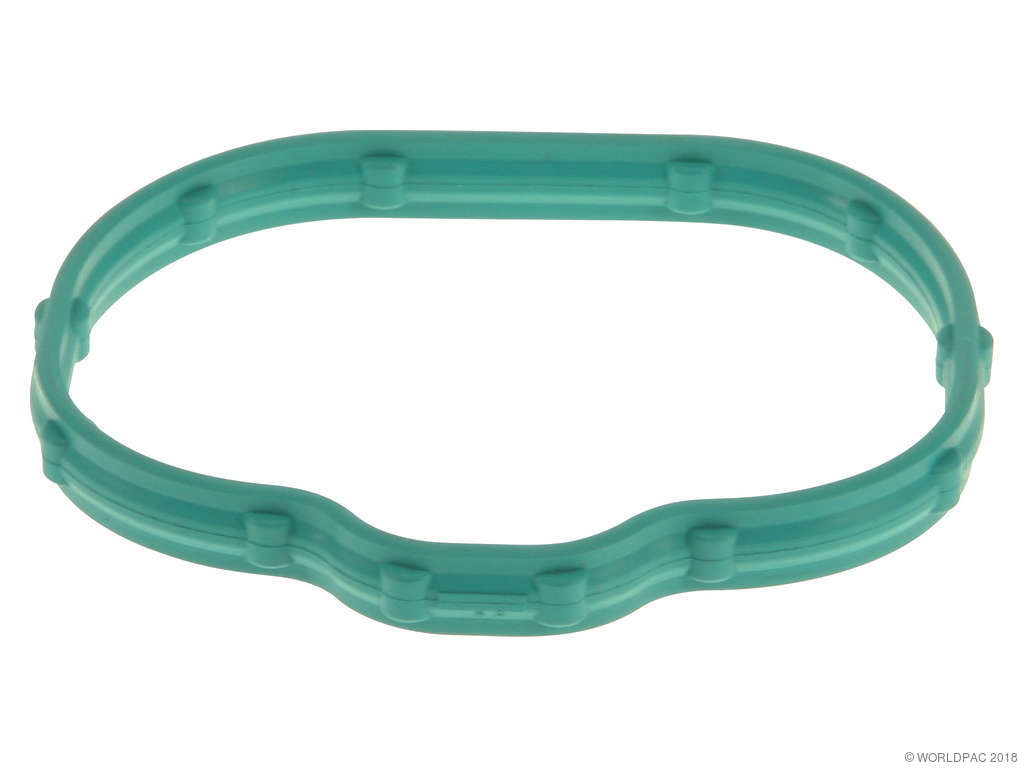
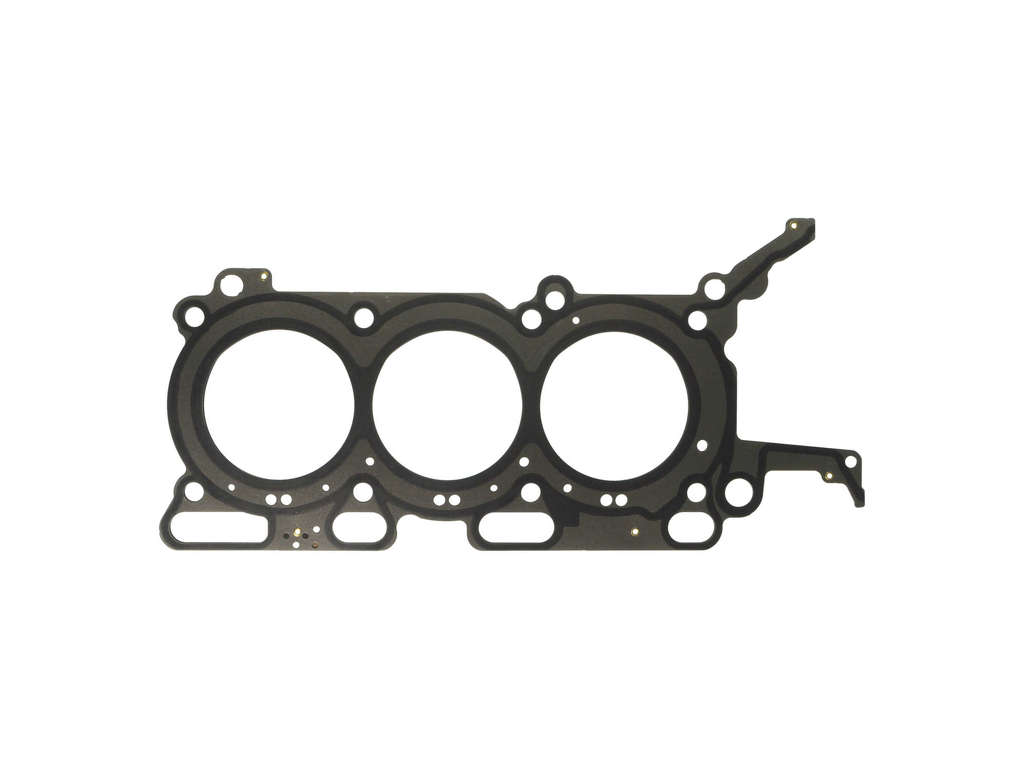
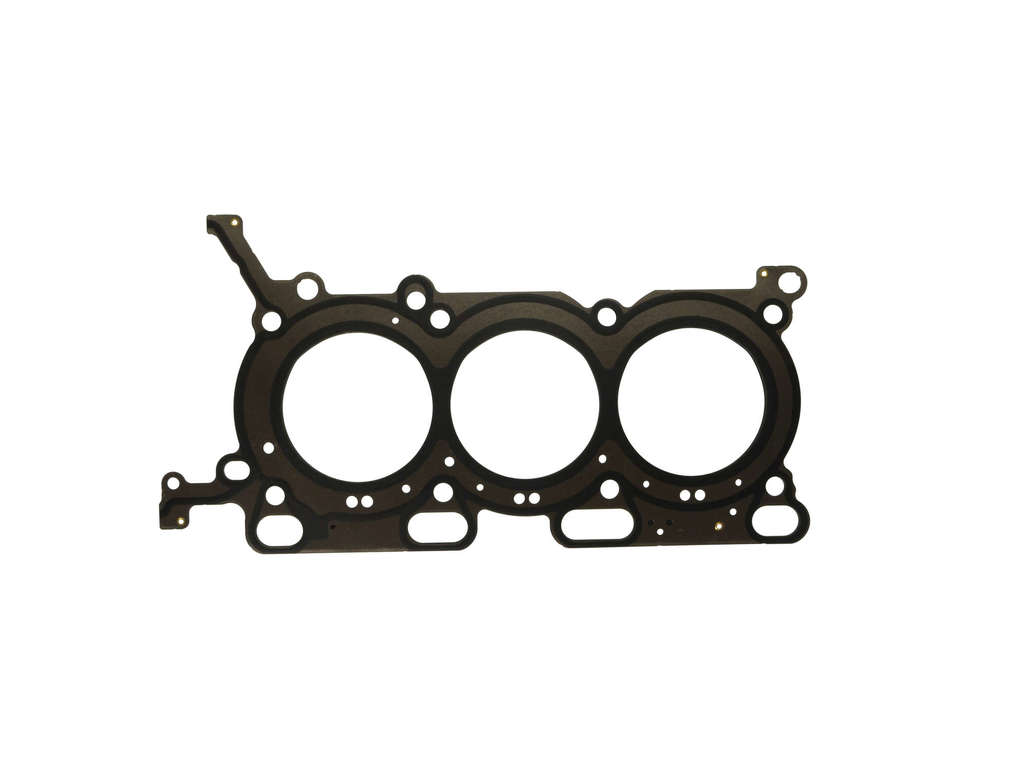
New Aftermarket Parts Available


The information in this article is provided for general reference and educational purposes only. Vehicle specifications, procedures, and part compatibility can vary by production date, trim level, and region. Always consult your vehicle's factory service manual and verify part numbers before purchasing or performing repairs. Safety-critical components such as airbags, seat belts, and braking systems should be installed by a qualified professional.
- Ford Edge:
- 🎬 Helpful Videos
- 🛍️ Shop This Part
- What's Unique About the 2007-2014 Ford Edge
- Symptoms You May Notice
- Most Likely Causes
- Rare But Worth Checking
- Diagnosis Steps
- Parts You'll Likely Need
- Related Codes That Often Appear With This One
- Technical Service Bulletins (TSBs) & Recalls
- Platform-Specific Known Issues
- Mechanic-Grade Diagnostic Values
- Wiring & Ground Locations
- Real Owner Repair Stories
- OEM Part Supersession History
- Diagnostic Flowchart
- Other Known Issues on This Vehicle
- Used vs. New Parts: Buying Guide for This Vehicle
- Real Owner Stories
- 2014 Ford Edge 3.5L V6
- 2013 Ford Edge 3.5L V6
- Ford F150 3.5L V6
- Related OBD-II Codes
- Frequently Asked Questions
- 🎟️ Get 5% Off