

P1285 on 2015-2019 Lincoln MKZ: Cylinder Head Over Temperature Causes and Fixes
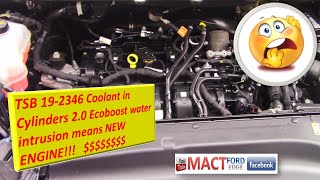
On a 2015-2019 Lincoln MKZ with the 2.0L EcoBoost engine, code P1285 indicates the cylinder head has dangerously overheated. This is almost always caused by a known engine block flaw leading to coolant leaking into the cylinders. This issue is so common it has prompted multiple TSBs and class-action lawsuits. The only permanent repair is a catastrophic engine replacement, costing thousands of dollars.
- P1285 on a 2.0L EcoBoost MKZ is a critical code indicating the cylinder head is overheating.
- The most likely cause is a catastrophic engine design flaw causing coolant to leak into the cylinders.
- Do not drive the vehicle. Have it towed for professional diagnosis.
- Diagnosis must include a cooling system pressure test and a borescope inspection before any parts are replaced.
- Be prepared for a costly repair, as the official fix is a complete long block engine replacement.
What's Unique About the 2015-2019 Lincoln MKZ
For the 2015-2019 Lincoln MKZ, particularly models with the 2.0L EcoBoost engine from 2017-2019, P1285 is not just a simple overheat code. It is strongly linked to a well-documented engine design flaw where a crack can form in the engine block between cylinders, allowing coolant to leak directly into the combustion chamber. The issue stems from the 'open-deck' design of the engine block, which has a long, thin slot for coolant to pass between the cylinders. This design creates an inadequate sealing surface for the head gasket, which can degrade and allow coolant to intrude. This problem is so prevalent that Ford/Lincoln has issued multiple Technical Service Bulletins (TSBs), with the official repair being a complete long block engine replacement with a redesigned block. Therefore, P1285 on this specific vehicle must be treated with extreme seriousness as a potential indicator of catastrophic engine failure.
Diagnostic Flowchart
Tap your situation to follow the diagnostic path that matches what you're seeing on this vehicle.
Symptoms You May Notice
- Check Engine Light is on
- Engine temperature gauge reading high or at maximum
- Noticeable loss of engine coolant with no visible external leaks.
- White, sweet-smelling smoke from the exhaust pipe, especially on a cold start.
- Engine running rough or misfiring, particularly at idle or on startup.
- Low coolant warning light
- Engine oil appears milky or frothy on the dipstick in advanced stages.
- Replacing the thermostat or water pump without first performing a combustion leak test or borescope inspection. If coolant intrusion is the real cause, these repairs will not solve the problem.
- Assuming the issue is a simple head gasket failure. While the head gasket does fail, the root cause is the flawed engine block design, and simply replacing the gasket will not be a permanent fix.
Most Likely Causes
- Coolant Intrusion into Cylinders (Cracked Engine Block) 🔴 High Probability A known design flaw in some 2.0L EcoBoost engine blocks (primarily 2017-2019 models) can cause a crack to develop in the coolant passage between cylinders (most commonly cylinders 2 and 3), leading to coolant leaking into the combustion chamber. This is documented in TSB 22-2229 and its predecessors.
How to confirm: A technician will perform a cooling system pressure test, holding pressure for several hours (Ford specifies holding for 5 hours) to check for an internal leak. A pressure drop of more than 4 PSI is a strong indicator. The definitive test is using a borescope to visually inspect the inside of the cylinders for the presence of coolant, which may look like a puddle or 'steam-cleaned' pistons.
Typical fix: Replacement of the long block engine assembly with the updated design is the manufacturer-recommended repair. The redesigned block replaces the open slot between cylinders with smaller, cross-drilled holes for better head gasket sealing.
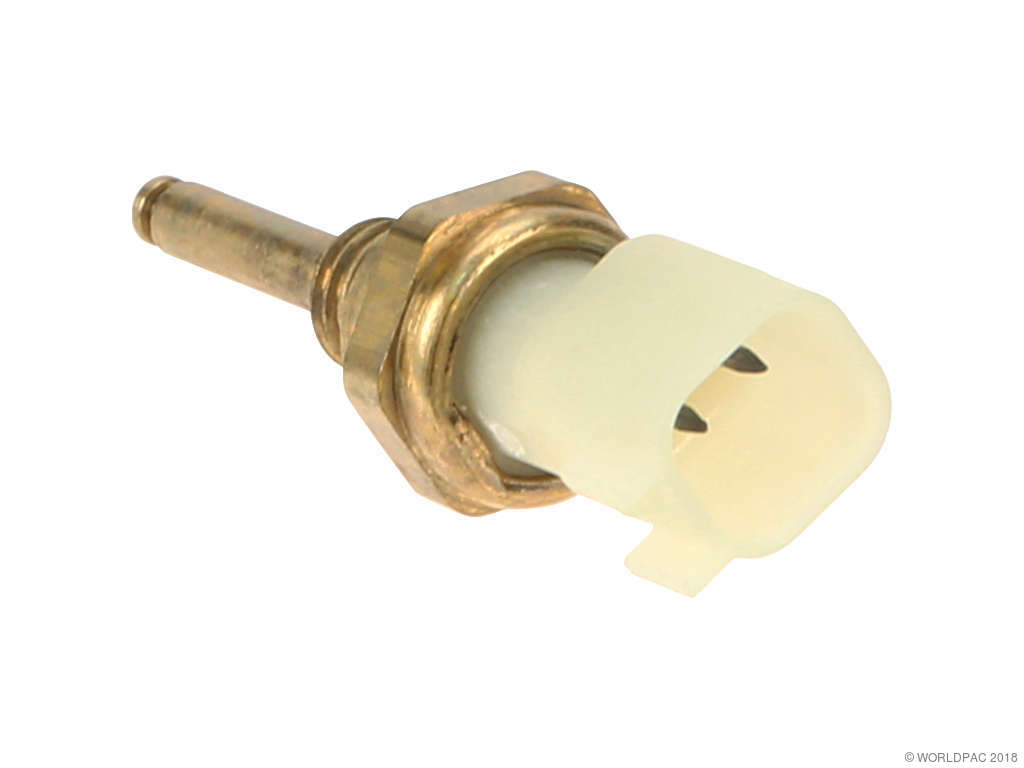
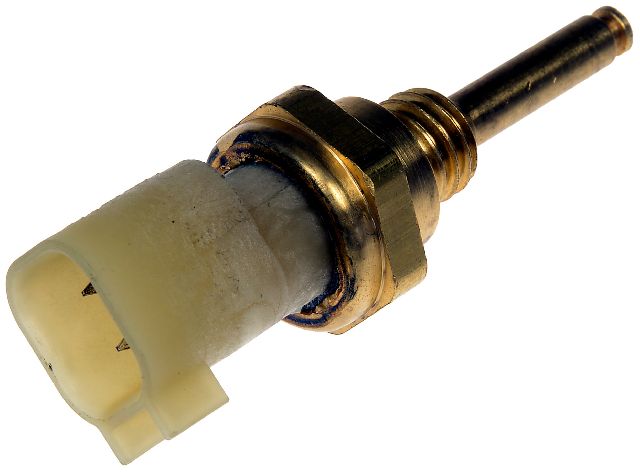
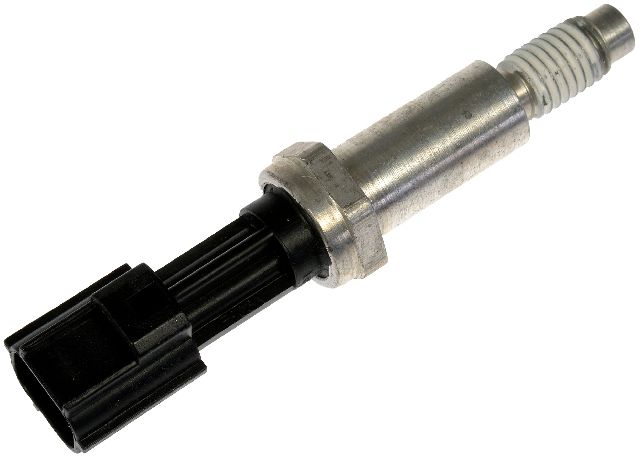
Est. part cost: $3,500-$9,000+ - Failed Cylinder Head Temperature (CHT) Sensor ⚪ Low Probability While less common than coolant intrusion on this platform, any electronic sensor can fail over time. Wiring to the sensor can also become damaged or corroded, leading to false readings.
How to confirm: If all cooling system checks and coolant intrusion tests are negative, a technician will test the CHT sensor's resistance and check the wiring and voltage from the PCM to confirm a sensor or circuit fault. The sensor and its connector should be inspected for damage or corrosion.
Typical fix: Replace the CHT sensor and, if necessary, its pigtail connector. On the 2.0L engine, the sensor is generally located on the rear of the cylinder head, near the firewall.
Est. part cost: $30-$80 - General Cooling System Failure ⚪ Low Probability Components like the thermostat, water pump, or radiator can fail on any vehicle. However, with this code on this engine, these are less likely to be the root cause compared to coolant intrusion. A stuck thermostat or failed water pump would typically cause a more traditional and obvious overheating event.
How to confirm: Visually inspect for leaks, check for proper cooling fan operation, and test the thermostat and water pump function. These should be checked early in the diagnosis but with the known TSB in mind.
Typical fix: Replace the failed component (thermostat, water pump, radiator, etc.).
Est. part cost: $50-$400
Rare But Worth Checking
- Wiring Harness Damage: Damage to the wiring for the CHT sensor could cause a false reading. This should be inspected if a new sensor does not resolve the issue and coolant intrusion has been ruled out. Rodent damage or chafing against other components are possible causes.
- Leaking EGR Cooler: On some 2.0L EcoBoost engines, the EGR cooler can develop an internal leak, allowing coolant into the intake system, which can mimic some symptoms of coolant intrusion. Ford issued TSB SSM 48345 for this issue on other models.
Diagnosis Steps
- Scan the PCM for all stored trouble codes. Note the presence of P1299, P0217, or any misfire codes (P0300-P0304, P0316).
- Check the coolant level in the reservoir. If it is low with no visible external leaks, this is a major red flag for coolant intrusion.
- Visually inspect the engine bay for any obvious external coolant leaks from hoses, the radiator, or the water pump.
- If no external leaks are found, perform a cooling system pressure test. Per TSB guidelines, the system should be pressurized to ~20 PSI and monitored for several hours. A significant pressure drop (more than 4 PSI in 5 hours) indicates an internal leak.
- If an internal leak is suspected, perform a chemical block test (combustion leak test) to check for exhaust gases in the coolant.
- The definitive step: Remove all spark plugs and use a borescope to visually inspect the inside of each cylinder for coolant pooling or 'steam cleaned' pistons. Pay close attention to cylinders #2 and #3, as they are the most common failure points.
- If all tests for coolant intrusion are negative, diagnose the Cylinder Head Temperature (CHT) sensor and its electrical circuit for faults, including checking for corrosion in the connector.
Parts You'll Likely Need
- Engine Long Block Assembly
(OEM #J2GZ-6006-E)— This is the official manufacturer-recommended fix for the common coolant intrusion issue that causes code P1285 on the 2.0L EcoBoost engine. This part number represents the updated engine design that corrects the original flaw.
Trusted brands: Motorcraft, Jasper Engines
OEM price range: $6000-$9000
Aftermarket price range: $3200-$5000 - Cylinder Head Temperature (CHT) Sensor
(OEM #GN1Z-6G004-A or P2GZ-6G004-B)— In the rare case that the sensor itself has failed and coolant intrusion is not present, this part is needed. Part number may vary, so confirm with VIN.
Trusted brands: Motorcraft, Standard Ignition, NTK
OEM price range: $50-$90
Aftermarket price range: $30-$60
Related Codes That Often Appear With This One
- P1299 — This code means 'Cylinder Head Over Temperature Protection Active' and is set when the PCM takes action (like cutting fuel) due to the P1285 condition.
- P0217 — This is a general 'Engine Overheat Condition' code that often accompanies the more specific P1285.
- P0300, P0301-P0304 — These are misfire codes. When coolant leaks into the cylinders, it fouls the spark plugs and prevents proper combustion, causing misfires, most commonly in cylinders 2 and 3.
- P0316 — This code indicates a 'Misfire Detected on Startup (First 1000 Revolutions)'. Coolant that has leaked into the cylinders overnight will cause a misfire immediately upon starting the engine.
Technical Service Bulletins (TSBs) & Recalls
- TSB 22-2229: Supersedes previous bulletins. Confirms that DTCs including P1285 can be caused by coolant intrusion into the cylinder and recommends long block replacement as the fix.
Platform-Specific Known Issues
- 2.0L EcoBoost Coolant Intrusion: As detailed in TSB 22-2229, 2017-2019 MKZ models with the 2.0L EcoBoost engine built before April 8, 2019, are susceptible to coolant leaking into the cylinders due to a flaw in the engine block's design. This is a widely recognized issue and the primary cause for P1285 when accompanied by coolant loss and misfires. The issue has also been the subject of class-action lawsuits against Ford.
Mechanic-Grade Diagnostic Values
- Cylinder Head Temperature (CHT) Sensor Resistance — expected: Resistance decreases as temperature increases. Approx. 2.75 kΩ at 90°C (194°F) and 2.03 kΩ at 100°C (212°F).. Failure: An open circuit (infinite resistance), short circuit (zero resistance), or a reading that does not change with temperature indicates a faulty sensor.
- Cylinder Head Temperature (CHT) Sensor Voltage — expected: Voltage decreases as temperature increases. At ~90°C (194°F), voltage should be approx. 0.60V. Ford uses a dual-range circuit, so at the same temperature, the voltage could also read ~3.71V.. Failure: A reading of ~5V suggests an open circuit, while ~0V suggests a short to ground. A voltage reading that does not correspond with the engine's actual temperature (measured with an infrared thermometer) points to a sensor or wiring fault.
Hidden / Shadow Codes Worth Checking
- Ford Fail-Safe Cooling Strategy: P1285 represents 'Stage 1' of an internal PCM strategy. It is triggered when the CHT sensor reports a critical temperature, causing the gauge to read full hot. If the condition persists, it triggers 'Stage 2' (DTC P1299), where the PCM begins shutting down alternate fuel injectors to use the air pumped through those cylinders to actively cool the engine. (see via This is not a visible code but an internal logic flow. The presence of P1285 followed by P1299 confirms the strategy is active.)
- PID Monitoring (CHT_V, CHT_F): Using a Ford-specific scanner like IDS or a capable tool like Forscan, a technician can monitor the direct voltage (CHT_V) and fault status (CHT_F) of the CHT sensor circuit. This provides more granular data than generic OBD-II PIDs. (see via Ford IDS (Integrated Diagnostic System) or Forscan software with a compatible ELM327 adapter.)
Scan Tool Commands That Help
- Ford IDS (or equivalent): Power Balance Test — When misfire codes (P030x) are present with P1285, this bidirectional test graphically displays the power contribution from each cylinder. A cylinder with coolant intrusion will show a significant drop in power, helping to confirm the location of the internal leak.
- Ford IDS (or equivalent): Cooling Fan Control — To rule out a simple cooling fan failure. This command allows the technician to manually turn the cooling fans on and off to verify the fan motors, relays, and control circuit are functioning correctly.
Wiring & Ground Locations
- CHT Sensor — On the 2.0L EcoBoost, the CHT sensor is typically located on the cylinder head itself, often on the rear side near the firewall, making access difficult. On some similar 2.0L platforms, it is found between ignition coils #3 and #4.. This is the sensor that triggers the P1285 code. Its wiring harness is subjected to extreme heat and vibration, making it a potential point of failure. Corrosion in the connector or damaged wires can cause a false overheat signal.
- G100 / G101 — These are primary engine and PCM ground points, often located on the left front of the engine compartment, near the strut tower or directly on the engine block.. A poor ground connection at these points can cause erratic behavior from various engine sensors, including the CHT sensor, leading to incorrect readings and false trouble codes.
Real Owner Repair Stories
- Reddit user on r/fordfusion (2017 Ford Fusion (same platform/engine)) — Symptoms consistent with TSB 22-2229 (coolant intrusion).
❌ Tried (didn't work) Initial dealer approach was 'nothing we can do' until the owner called Ford corporate.
✅ What actually fixed it The dealer acknowledged the TSB and replaced the entire engine long block under warranty with the updated part number J2GZ-6006-E, which resolved the issue. - Reddit user on r/fordfusion (2016 Ford Fusion Titanium 2.0L) — Coolant disappearing overnight, misfire on cylinder 4. No white smoke.
❌ Tried (didn't work) Owner was certain it was the widely-known coolant intrusion issue from the TSB.
✅ What actually fixed it The final diagnosis was a blown head gasket. Because the 2016 model has an earlier engine block design not susceptible to the specific TSB-related flaw, a head gasket replacement fixed the issue without needing a full engine replacement.
OEM Part Supersession History
JJ7Z-6006-B, JS7Z-6006-A, JS7Z-6006-C→J2GZ-6006-E— This is the updated engine long block assembly with the redesigned block casting that corrects the coolant intrusion flaw. The new design replaces the large open slot between cylinders with smaller, cross-drilled passages to provide a more robust sealing surface for the head gasket.
Model Year Variations Within This Range
- 2017-2019 (pre-April 8, 2019 build date): These model years feature the 2.0L EcoBoost with the flawed 'open-deck' block design, which has a long slot between cylinders for coolant passage. This design is highly susceptible to the coolant intrusion failure documented in TSB 22-2229.
- 2015-2016: These model years use a different, earlier design of the 2.0L EcoBoost engine block that does not have the same coolant intrusion flaw. While they can still experience standard head gasket failures, they are not prone to the specific block-cracking issue that plagues the 2017-2019 models.
- Late 2019-2020: These models received the redesigned engine block (part of assembly J2GZ-6006-E) where the slot between cylinders was replaced with cross-drilled holes, resolving the primary cause of the coolant intrusion issue.
Helpful Videos
Used OEM Parts in Stock



New Aftermarket Parts Available


The information in this article is provided for general reference and educational purposes only. Vehicle specifications, procedures, and part compatibility can vary by production date, trim level, and region. Always consult your vehicle's factory service manual and verify part numbers before purchasing or performing repairs. Safety-critical components such as airbags, seat belts, and braking systems should be installed by a qualified professional.
- Lincoln MKZ:
- 🎬 Helpful Videos
- 🛍️ Shop This Part
- What's Unique About the 2015-2019 Lincoln MKZ
- Diagnostic Flowchart
- Symptoms You May Notice
- Most Likely Causes
- Rare But Worth Checking
- Diagnosis Steps
- Parts You'll Likely Need
- Related Codes That Often Appear With This One
- Technical Service Bulletins (TSBs) & Recalls
- Platform-Specific Known Issues
- Mechanic-Grade Diagnostic Values
- Hidden / Shadow Codes Worth Checking
- Scan Tool Commands That Help
- Wiring & Ground Locations
- Real Owner Repair Stories
- OEM Part Supersession History
- Model Year Variations Within This Range
- 🎟️ Get 5% Off