

P1101 on 2022 GMC Terrain: Intake Airflow Fault Causes & Fixes
On a 2022 GMC Terrain, P1101 almost always points to the charge air cooler (CAC) outlet pipe disconnecting from the throttle body. Before buying parts, check this connection. Reconnecting it is often a no-cost, 5-minute fix. For a permanent solution, many owners upgrade the factory clamp to a T-bolt style clamp.
- P1101 on a 2022 GMC Terrain indicates an airflow measurement problem, not necessarily a bad sensor.
- Before attempting any repair, physically check the large air hose connection at the engine's throttle body. It is very likely loose or disconnected.
- This code is almost always accompanied by P0299 (Turbo Underboost) and P0101 (MAF Performance), which all point to the same massive air leak.
- Do not replace the MAF sensor or throttle body unless you have ruled out a disconnected charge pipe and other air leaks first.
- The repair is often free, requiring only the reconnection of the pipe and tightening of the clamp.
What's Unique About the 2022-2022 Gmc TERRAIN NA
The 2022 GMC Terrain with the 1.5L turbocharged engine is uniquely susceptible to this code due to a specific design issue. Multiple GM Technical Service Bulletins (TSBs) confirm that the charge air cooler (CAC) outlet pipe has a high tendency to disconnect from the throttle body. This creates a massive air leak after the turbocharger and MAF sensor, which is the primary trigger for P1101 on this vehicle, often causing a 'Reduced Engine Power' warning. An emissions recall (N192271200) was even issued for 2019 models to install an improved retainer clip to address this exact problem.
Diagnostic Flowchart
Tap your situation to follow the diagnostic path that matches what you're seeing on this vehicle.
Symptoms You May Notice
- Check Engine Light illuminated
- "Reduced Engine Power" message on the dashboard
- Poor or sluggish acceleration
- Rough or unstable idle
- Vehicle may stall when stopped or at low speed
- Hissing or whooshing sound from the engine bay under acceleration
- Burning oil odor in some cases
- Replacing the MAF sensor without first confirming the charge air cooler pipe is securely attached to the throttle body.
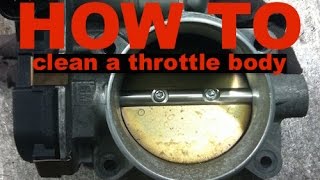
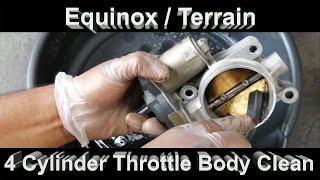
- Replacing the throttle body when it is not damaged. TSB #PIP5651G and #22-NA-224 note that witness marks from the pipe are normal and do not warrant throttle body replacement unless it is cracked or broken. 🎬 See this guide on how to clean the throttle body.
Most Likely Causes
- Charge Air Cooler (CAC) Outlet Pipe Disconnected from Throttle Body 🔴 High Probability This is a well-documented issue cited in multiple GM TSBs, including #PIP5651G and its successor #22-NA-224. The factory clamp may not provide sufficient force to hold the pipe under turbo boost pressure, and oil residue from the PCV system can lubricate the connection, making it easier to slip off. An emissions recall #N192271200 was issued for 2019 models to install an improved retainer clip.
How to confirm: Visually inspect the large air duct where it connects to the metal throttle body, typically on the driver's side of the engine. Physically push and pull on the connection to see if it is loose or has completely separated. A Reddit user with a 2022 Equinox confirmed this was their exact issue and snapping the tube back in place fixed it. 🎬 Watch: See how this disconnected pipe leaves drivers stranded.
Typical fix: Reconnect the pipe and ensure the clamp is fully seated and tightened. For a more permanent fix, many owners and technicians replace the factory spring clamp with a more robust T-bolt style clamp (approx. 2.75"-3" size) or install the updated GM retainer clip (PN 13434668).
Est. part cost: $0-$25 - Dirty or Contaminated Mass Air Flow (MAF) Sensor 🟡 Medium Probability Oil vapor from the PCV system or over-oiled aftermarket air filters can contaminate the sensor's delicate wires, causing inaccurate readings. However, this should be considered a secondary cause after confirming the CAC pipe is secure.
How to confirm: Remove the sensor from the intake tube (usually held by two Torx screws) and inspect the small wires. If they appear coated in dirt or oil, they need cleaning. A scan tool may also show erratic g/s readings at idle.
Typical fix: Clean the sensor using only dedicated MAF sensor cleaner spray. Do not touch the wires. If cleaning does not work, the sensor may need to be replaced. The OEM part number is often 23366103.
Est. part cost: $10-$150 - Clogged or Faulty PCV System ⚪ Low Probability TSB #20-NA-047 links P1101 to high crankcase pressure from a plugged PCV orifice, which is integrated into the camshaft cover on the 1.5L engine. This pressure can disrupt the engine's air-fuel calculations and even cause oil leaks from the main seals.
How to confirm: A mechanic can test crankcase pressure with a manometer. Normal readings for the LYX engine at hot idle are between -1 and -5 inches of water. A positive pressure reading (above 0 inches) indicates a blockage.
Typical fix: The camshaft cover must be removed to access and replace the small PCV orifice (PN 12641875). This is a more involved repair, with TSB 20-NA-047 estimating 3.3 labor hours for a Terrain.
Est. part cost: $15-$250
Rare But Worth Checking
- Incorrectly Installed or Deformed Engine Air Filter: An ill-fitting or cheap aftermarket air filter can fail to seal properly in the airbox, allowing turbulent, unmetered air to cross the MAF sensor and cause incorrect readings. A technician on YouTube demonstrated this exact failure causing a P1101.
- Front or Rear Crankshaft Oil Leak: While less common, TSB #20-NA-047 directly links this code to crankshaft oil leaks, which are often a *result* of the high crankcase pressure from a clogged PCV system rather than a separate cause.
- Ice Blockage in Intake System (Cold Climates): TSB #22-NA-067 describes how, in extremely cold temperatures (below 0°F/-18°C), moisture from the PCV system can freeze inside the charge air cooler or related tubing, causing an airflow restriction that can trigger P1101 and other codes like P0299.
Diagnosis Steps
- Check for other DTCs. If P0299, P0101, P0172, or P0506 are present, a large intake leak is almost certain.
- Open the hood and locate the large-diameter air pipe that connects to the engine's throttle body. This is the charge air cooler outlet pipe.
- Physically inspect the connection at the throttle body. Confirm it is fully seated and the clamp is secure. This is the most common point of failure.
- If the pipe is disconnected, inspect the pipe end, O-ring seal, and throttle body inlet for oil residue or damage before reconnecting it securely. Ensure the O-ring is not missing.
- If the pipe is secure, inspect the engine air filter to ensure it is clean and correctly seated in the airbox.
- Remove and inspect the MAF sensor, located on the intake tube after the air filter box. If it appears dirty, clean it with dedicated MAF sensor cleaner and allow it to dry completely before reinstalling.
- If the problem persists, perform a smoke test on the entire intake system to check for less obvious cracks or leaks in hoses or the charge air cooler itself.
- As a final step, consider having a professional check crankcase pressure to rule out a clogged PCV system as described in TSB #20-NA-047. Normal pressure should be between -1 and -5 inches of water at hot idle.
Parts You'll Likely Need
- Charge Air Cooler Outlet Pipe
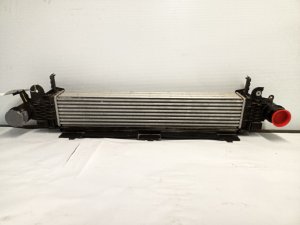
(OEM #84498032)— The original pipe may be replaced if the end is damaged or the integrated O-ring seal is missing after blowing off the throttle body.
Trusted brands: ACDelco
OEM price range: $70-$120
Aftermarket price range: $40-$80 - Mass Air Flow (MAF) Sensor
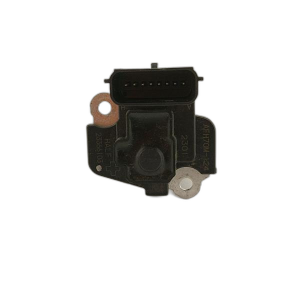
(OEM #23366103)— If cleaning the sensor does not resolve the issue and it has been confirmed to be faulty through diagnostic testing. This is rarely the root cause.
Trusted brands: ACDelco, Bosch, Delphi
OEM price range: $120-$180
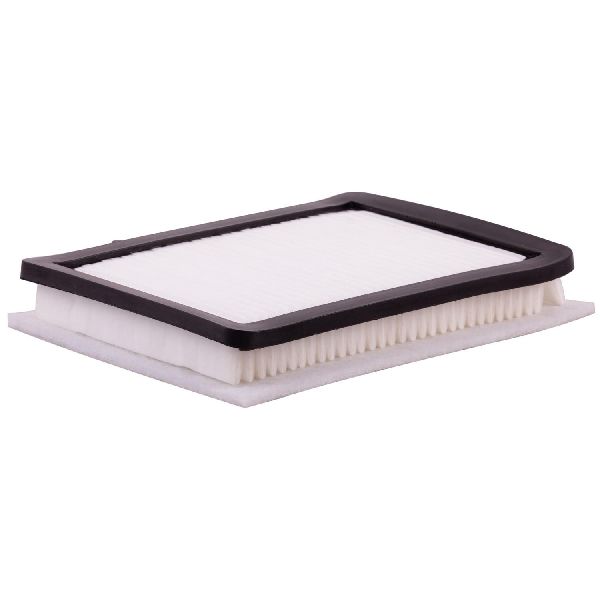
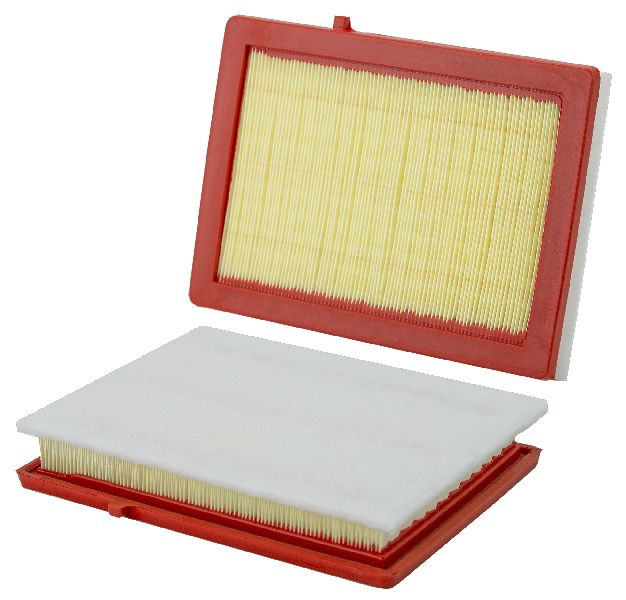
Aftermarket price range: $60-$110 - Engine Air Filter — A clogged or improperly seated air filter can disrupt airflow and contribute to the code. It's a routine maintenance item that should be checked first.
Trusted brands: ACDelco
OEM price range: $25-$40
Aftermarket price range: $15-$30
Related Codes That Often Appear With This One
- P0299 — Turbocharger Underboost. A disconnected charge pipe is a massive boost leak, causing the turbo to be unable to build the pressure requested by the ECM.
- P0101 — Mass Air Flow (MAF) Sensor Performance. This code is very similar to P1101 and is set for the same reason: a major discrepancy between measured and expected airflow, often from the same disconnected pipe.
- P0172 — System Too Rich. With a disconnected pipe, the MAF sensor reports very low airflow, causing the ECM to command a rich fuel mixture that is inappropriate for the actual (large) amount of unmetered air entering the engine.
- P0506 — Idle Air Control System RPM Lower Than Expected. The massive unmetered air leak makes it impossible for the ECM to control the idle speed properly, often leading to a stall.
Technical Service Bulletins (TSBs) & Recalls
- PIP5651G: Notes that the charge air cooler outlet hose may become disconnected from the throttle body, causing P1101, P0172, P0299, P0101, and P0506. This TSB has been superseded.
- 22-NA-224: Supersedes PIP5651G. Provides a service procedure for a 'Reduced Engine Power' message with the
Platform-Specific Known Issues
- A disconnected charge air cooler outlet pipe at the throttle body is the most common cause of P1101 on this vehicle, as documented in GM TSBs #PIP5651G and #22-NA-224.
- In cold climates, moisture from the PCV system can freeze inside the charge air cooler, causing airflow restrictions that can trigger P1101 and P0299, as noted in TSB #22-NA-067.
Mechanic-Grade Diagnostic Values
- Crankcase Pressure (at hot idle) — expected: -1 to -5 inches of water. Failure: Pressure is positive (above 0 inches of water), indicating a blockage.
- Mass Air Flow (MAF) Sensor Reading (at hot idle) — expected: Approx. 1.5 to 3.0 g/s. Should be stable and roughly 1 g/s per liter of engine displacement.. Failure: Reading is significantly lower than expected (e.g., <1.5 g/s) or is erratic, suggesting a sensor or leak issue.
- Short Term Fuel Trim (STFT) at Idle — expected: Close to 0% (+/- 5%). Failure: Consistently high positive value (e.g., > +6%) indicates the ECM is adding fuel to compensate for unmetered air.
- MAF Sensor Voltage (Key On, Engine Off) — expected: 0 Volts or very close to it.. Failure: A reading significantly above zero with no airflow indicates a sensor fault.
Hidden / Shadow Codes Worth Checking
- P1101-00: This indicates the standard P1101 fault without any manufacturer-defined sub-faults. It does not point to a different or more specific problem than P1101 alone. (see via Some OBD-II scan tools may display the code with this suffix.)
Scan Tool Commands That Help
- GDS2 (GM Techline): Record GDS session log — When diagnosing an intermittent shudder or performance issue alongside P1101, monitoring engine speed, engine torque, and transmission input speed can help determine if the root cause is engine-related (erratic torque) or transmission-related.
- GDS2 (GM Techline) / Manual Control: Disable Dynamic Fuel Management (DFM) — To eliminate normal shudder from DFM operation during a test drive, shift the transmission into Manual Range 'L9'. This helps isolate abnormal performance issues causing P1101.
Wiring & Ground Locations
- G101 — Left front of engine compartment.. This ground is a primary grounding point for the Engine Control Module (ECM) and the Mass Air Flow (MAF) sensor. A poor connection here can cause erratic sensor readings and incorrect calculations, leading to a P1101 code.
- G103 — Left front of the engine compartment, often under the battery tray, or on the cowl above the brake booster.. Grounds the Body Control Module (BCM) and Data Link Connector (DLC). A fault here can cause communication issues during diagnosis.
- MAF Sensor Connector — On the MAF sensor, located in the air intake tube just after the air filter housing.. This is the direct electrical connection for the sensor. It is typically a 5-pin connector secured by two T20 Torx screws and has a red locking tab that must be pulled out before unplugging. A loose or corroded connection will cause a P1101.
"I Checked Everything" — The Actual Cause
- A common scenario that fools diagnostics is when the P1101 code is caused by excessive crankcase pressure from a clogged PCV orifice, as described in TSB #20-NA-047. A smoke test of the intake system will show no leaks, because the air is not leaking *out* of the intake. Instead, the high pressure in the crankcase (engine block) disrupts the engine's breathing and airflow model, causing the MAF reading to mismatch the ECM's expected value. The correct diagnosis is to test crankcase pressure with a manometer, not a smoke machine.
OEM Part Supersession History
13434668→84828210— This is the updated retainer clip for the charge air cooler outlet pipe, designed to provide better clamping force and prevent the pipe from disconnecting from the throttle body.
Model Year Variations Within This Range
- 2022: The 2022 model year received a mid-cycle refresh including updated front/rear fascias and lighting. However, the 1.5L LYX powertrain and its associated components relevant to code P1101 remained unchanged from the 2021 model. The 2.0L turbo engine option was discontinued after the 2020 model year, making the 1.5L the sole engine.
Helpful Videos
Used OEM Parts in Stock


New Aftermarket Parts Available

The information in this article is provided for general reference and educational purposes only. Vehicle specifications, procedures, and part compatibility can vary by production date, trim level, and region. Always consult your vehicle's factory service manual and verify part numbers before purchasing or performing repairs. Safety-critical components such as airbags, seat belts, and braking systems should be installed by a qualified professional.
- Gmc TERRAIN NA:
- 🎬 Helpful Videos
- 🛍️ Shop This Part
- What's Unique About the 2022-2022 Gmc TERRAIN NA
- Diagnostic Flowchart
- Symptoms You May Notice
- Most Likely Causes
- Rare But Worth Checking
- Diagnosis Steps
- Parts You'll Likely Need
- Related Codes That Often Appear With This One
- Technical Service Bulletins (TSBs) & Recalls
- Platform-Specific Known Issues
- Mechanic-Grade Diagnostic Values
- Hidden / Shadow Codes Worth Checking
- Scan Tool Commands That Help
- Wiring & Ground Locations
- "I Checked Everything" — The Actual Cause
- OEM Part Supersession History
- Model Year Variations Within This Range
- 🎟️ Get 5% Off