

P1098 on 2020 Cadillac XT5: Coolant Control Valve Explained
On a 2020 Cadillac XT5, code P1098 almost always points to an issue with the Engine Coolant Control Valve. The most common cause is a software anomaly that requires a dealer update, as noted in GM TSB #PIP5675G. If the code returns after an update, or has set in the past, the valve itself has likely failed and requires replacement.
- P1098 on a 2020 Cadillac XT5 points to a problem with the Engine Coolant Control Valve.
- Your first step should be to see a GM dealer to check for a software update, which is a very common and simple fix for this code's first appearance.
- If the software is up to date or the code returns, the Engine Coolant Control Valve assembly likely needs to be replaced.
- Symptoms include a Check Engine Light, the radiator fan running constantly, and possible reduced engine power.
- This issue is often seen with code P26BB, as they relate to the same component.
What's Unique About the 2020-2020 Cadillac XT5
For this specific vehicle and year, GM has acknowledged a high likelihood of a "software anomaly" causing this code. Technical Service Bulletin #PIP5675G was issued specifically for the 2020 XT5 (among other GM models with the 2.0L LSY engine), directing technicians to first check for software updates before replacing any parts if it is the first time the code has appeared. This makes it unique, as the most probable fix is often a software reflash at the dealership rather than an immediate hardware replacement. If the code has set previously, the TSB directs the technician to replace the valve.
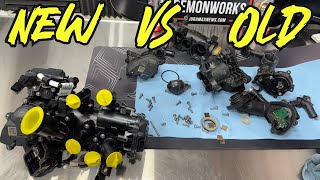
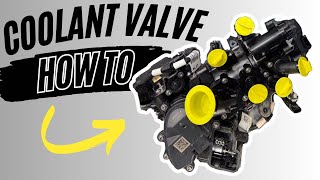
🎬 See why these redesigned coolant control valves often fail.Diagnostic Flowchart
Tap your situation to follow the diagnostic path that matches what you're seeing on this vehicle.
Symptoms You May Notice
- Check Engine Light (MIL) is on
- Radiator fan runs at high speed, even after the engine is off
- "Reduced Acceleration, Drive with Caution" message on the driver information center
- Engine may enter a reduced power or "limp mode"
- Engine temperature gauge may read higher than normal
- Replacing the thermostat without proper diagnosis. The CCV on this engine is a complex assembly that serves the function of a traditional thermostat and more; the code points specifically to this electronic valve, not a simple mechanical thermostat.
Most Likely Causes
- Software Anomaly 🔴 High Probability GM issued TSB #PIP5675G specifically identifying a software anomaly as a primary cause for this code on 2020 models with the 2.0L LSY engine.
How to confirm: A GM dealer or qualified shop must check the vehicle's VIN against available software updates and TSBs. The TSB specifies checking vehicle history for previous instances of P1098 or P26BB.
Typical fix: The Engine Control Module (ECM) is reprogrammed with the latest software. Per TSB #PIP5675G, if this is the first time the code has appeared and diagnostics do not isolate a cause, the code is cleared and the vehicle is returned to the customer.
Est. part cost: $0 - Failed Engine Coolant Control Valve (CCV) 🟡 Medium Probability The internal components of the valve, particularly plastic worm gears and their position sensors, are a known weak point. The sensor can become contaminated with grease and plastic shavings from the gear, leading to incorrect position readings. The TSB advises replacing the valve if the code has set previously, acknowledging the high failure rate.
How to confirm: If a software update does not fix the issue or if the code has appeared before, a diagnostic scan tool can be used to command the valve's position and observe if it responds correctly. If it fails to respond or reports erratic data, the valve is faulty.
Typical fix: Replacement of the entire Engine Coolant Control Valve assembly. After replacement, a scan tool must be used to perform the 'Engine Coolant Control Valve Mode' relearn procedure.
Est. part cost: $400-$650
Rare But Worth Checking
- Wiring Harness or Connector Issue: While less common than valve failure, damage to the wiring or contamination/corrosion at the CCV connector can mimic the symptoms of a failed valve. TSB #PIP5777 specifically advises inspecting all CCV electrical connections for contamination before proceeding with replacement. Always inspect the wiring for chafing, corrosion, or loose pins before replacing the valve.
- Low Coolant Level / Air in System: In some cases, a low coolant level can cause air pockets in the system, which may lead to erratic operation of the CCV and trigger a P1098 code. One owner reported the code after finding their coolant reservoir was low. Before extensive diagnosis, it is prudent to ensure the coolant level is correct and the system is properly bled.
Diagnosis Steps
- Connect a professional-grade OBD-II scanner to the vehicle.
- Check for P1098 and any other related codes, like P26BB. Note if they are current or in history.
- Contact a GM dealership or use a professional diagnostic database to check the vehicle's VIN for applicable software updates related to TSB #PIP5675G or newer bulletins like 22-NA-082.
- Check vehicle service history to see if P1098 or P26BB has been recorded before.
- If a software update is available and this is the first occurrence of the code, have the ECM reprogrammed. Clear the codes and test drive the vehicle.
- If the code has set previously or returns after the software update, the Engine Coolant Control Valve is the likely culprit.
- Before replacing the valve, visually inspect the wiring harness and connector leading to the valve for any signs of damage, corrosion, or contamination, as noted in TSB #PIP5777.
- If the wiring is okay, use the scan tool's control functions (e.g., 'Engine Coolant Control Valve Mode' in GDS2) to command the valve to different positions and monitor the position sensor data. If the valve does not move as commanded or the sensor data is erratic, the valve has failed.
- Replace the Engine Coolant Control Valve assembly.
- After replacement, perform the 'Engine Coolant Control Valve Mode' relearn procedure using the scan tool.
- Ensure the cooling system is properly filled, using a vacuum-fill tool if possible to prevent air pockets, and bled.
- Clear all DTCs and perform a final test drive to confirm the repair.
Parts You'll Likely Need
- Engine Coolant Control Valve
(OEM #24001355)— This is the component that fails physically if a software update does not resolve the P1098 code. Internal wear of plastic gears is a common failure mode. Note that part numbers are frequently superseded; always verify with a dealer using the VIN.
Trusted brands: ACDelco, GM Genuine Parts
OEM price range: $450-$650
Aftermarket price range: $400-$550
Related Codes That Often Appear With This One
- P26BB — This code for 'Engine Coolant Bypass Valve Control Circuit' is often set alongside P1098. The TSBs from GM, including PIP5675G and PIP5777, consistently mention both codes together as they relate to the same component and software anomaly.
- P2B60 — This code for 'Engine Coolant Flow Control Valve Position Sensor' is also related to the CCV assembly and is mentioned in newer TSBs like 22-NA-082 as part of the same family of faults.
Technical Service Bulletins (TSBs) & Recalls
- PIP5675G: States that a MIL with DTC P1098 and/or P26BB may be caused by a software anomaly and provides the core diagnostic logic: update software on first occurrence, replace valve on second.
- PIP5777: Advises technicians to inspect the Engine Coolant Control Valve electrical connections for contamination or corrosion as a potential cause for P1098/P26BB.
- 22-NA-082: A newer TSB that provides a software update for P1098/P26BB/P2B60 codes, superseding older software-related bulletins for some vehicles.
- 24-NA-070: A revised bulletin that links DTC P1098 to a no-restart condition after an Auto Stop/Start event and mandates replacing the Engine Coolant Flow Control Valve if P1098 is set.
Platform-Specific Known Issues
- A known software anomaly is the most common trigger for this code on its first appearance, as documented in GM TSB #PIP5675G.
- The Coolant Control Valve itself has a high failure rate across multiple GM platforms using the 2.0L LSY and other engines, sometimes leading to parts backorders.
Scan Tool Commands That Help
- GM GDS2: Engine Coolant Control Valve Mode — This is a multi-purpose function. During diagnosis, it's used as a bidirectional control to command the valve to different positions to see if it responds, confirming a physical or electrical failure. After replacing the valve, this same function must be run as a mandatory 'relearn' or calibration procedure for the ECM to learn the new valve's positions.
Wiring & Ground Locations
- Fuse F75 (Underhood) — Located in the underhood fuse block.. On the related Cadillac XT4 platform, this fuse supplies power to the Coolant Flow Control Valve. A blown fuse would cause a complete loss of function and should be checked early in electrical diagnosis.
- G1xx Engine Grounds — Various locations on the engine block and cylinder head.. The Engine Control Module and its various sensors, including the Coolant Control Valve, rely on clean engine grounds. A loose or corroded ground (e.g., G102, G103, G104) can cause erratic sensor readings and intermittent codes like P1098.
Real Owner Repair Stories
- Pickup Truck +SUV Talk Forums user (2021 GMC Sierra w/ 3.0L LM2 Diesel (uses same CCV family)) — Intermittent P1098 code, random temperature spikes, reduced power warnings, and high-speed fan operation.
❌ Tried (didn't work) Restarting the engine would temporarily clear the issue, but it always returned., Waiting for a replacement part, which was on a 5+ month backorder.
✅ What actually fixed it The owner removed the Coolant Control Valve, disassembled the motor housings, cleaned out the old, hardened grease and plastic shavings from the internal worm gears, re-lubricated the gears, and reinstalled the valve. This resolved the code without replacing the part.
OEM Part Supersession History
24001355→40009179, 40009644— Likely due to high failure rates of the original design, though a teardown comparison showed no obvious redesign in the internal plastic worm gear mechanism.
Heads up: Always verify the latest part number with a GM dealer using the vehicle's VIN, as supersessions are frequent for this component.
Helpful Videos
We Have This Part in Stock



The information in this article is provided for general reference and educational purposes only. Vehicle specifications, procedures, and part compatibility can vary by production date, trim level, and region. Always consult your vehicle's factory service manual and verify part numbers before purchasing or performing repairs. Safety-critical components such as airbags, seat belts, and braking systems should be installed by a qualified professional.
- Cadillac XT5:
- 🎬 Helpful Videos
- 🛍️ Shop This Part
- What's Unique About the 2020-2020 Cadillac XT5
- Diagnostic Flowchart
- Symptoms You May Notice
- Most Likely Causes
- Rare But Worth Checking
- Diagnosis Steps
- Parts You'll Likely Need
- Related Codes That Often Appear With This One
- Technical Service Bulletins (TSBs) & Recalls
- Platform-Specific Known Issues
- Scan Tool Commands That Help
- Wiring & Ground Locations
- Real Owner Repair Stories
- OEM Part Supersession History
- 🎟️ Get 5% Off