

P1072 on 2017-2024 Mazda CX-5: Why It's Likely a Typo for P0172
The code P1072 is not a recognized or valid trouble code for Mazda vehicles. It is almost always a typo for P0172, which means 'System Too Rich (Bank 1)'. Before attempting any repairs, double-check your scan tool to confirm the code is not actually P0172, which indicates an excess of fuel or a lack of oxygen in the engine's air-fuel mixture.
- P1072 is very likely a typo. Double-check your scanner for the code P0172.
- The actual problem is likely a 'System Too Rich' condition (P0172).
- The most common causes for P0172 on a Mazda CX-5 are a faulty MAF sensor, a bad upstream O2 sensor, or a leaking fuel injector.
- If you frequently drive short distances, your engine oil may be diluted with fuel, which can also trigger this code. An oil change may be a simple first step.
- Ignoring a rich condition can lead to costly catalytic converter damage over time.
What's Unique About the 2017-2024 Mazda CX-5
The key issue on this platform isn't the code itself, but the common confusion between P1072 and P0172. For the Skyactiv-G direct-injection engine, a P0172 (the likely real code) can sometimes be caused by fuel diluting the engine oil, especially on vehicles used frequently for short trips where the engine doesn't fully warm up. Mazda has issued service alert SA-026/18 for this condition on some direct-injected vehicles, including the CX-5, recommending more frequent oil changes. Additionally, Skyactiv-G engines are known for being sensitive to dirty Mass Air Flow (MAF) sensors, which is a very common trigger for P0172.
Symptoms You May Notice
- Check Engine Light is on
- Reduced fuel economy
- Rough or unstable idle
- Strong smell of gasoline from the exhaust
- Black or bluish smoke from the tailpipe
- Engine may stall when slowing down or stopping
- Reduced engine power or poor acceleration
- Hesitation during acceleration
- Replacing spark plugs or ignition coils. While these can cause misfires, they typically don't cause a P0172 rich code on their own unless a misfire is so severe that unburned fuel is causing the issue. A rich code is more often a fuel or air metering issue. A wet, fuel-fouled plug is a symptom of a rich condition, not the cause.
Most Likely Causes
- Faulty or Dirty Mass Air Flow (MAF) Sensor 🔴 High Probability The MAF sensor on Skyactiv-G engines is sensitive to dirt and oil contamination, which can cause it to send incorrect (lower than actual) airflow readings to the PCM. The PCM then injects too much fuel for the actual amount of air entering the engine, creating a rich condition. This is a very frequent cause of P0172 on this platform.
How to confirm: With a scan tool, monitor the MAF reading at idle and under load to see if it responds correctly. A common diagnostic step is to clean the sensor with dedicated MAF cleaner, clear the codes, and see if fuel trims (LTFT and STFT) return to normal. A successful replacement often resolves the issue immediately.
Typical fix: First, try cleaning the sensor with a dedicated MAF sensor cleaner. If that doesn't work, the sensor must be replaced. Using an OEM or high-quality aftermarket sensor is recommended.
Est. part cost: $75-$200 - Leaking or Stuck-Open Fuel Injector(s) 🟡 Medium Probability Direct injection systems operate under very high pressure. An injector can fail mechanically or electronically, causing it to leak excess fuel into a cylinder even when it's not commanded to open. This creates a rich condition and can wash oil from the cylinder walls.
How to confirm: Check spark plugs for signs of being wet with fuel or covered in heavy black carbon fouling on a specific cylinder. A misfire code (e.g., P0301-P0304) will often accompany the P0172, pointing to the specific cylinder with the leaking injector. Swapping the suspected injector to another cylinder can confirm if the misfire code follows the injector.
Typical fix: Replacement of the faulty fuel injector. It is often recommended to replace all four injectors at the same time, though some owners have success replacing only the failed one.
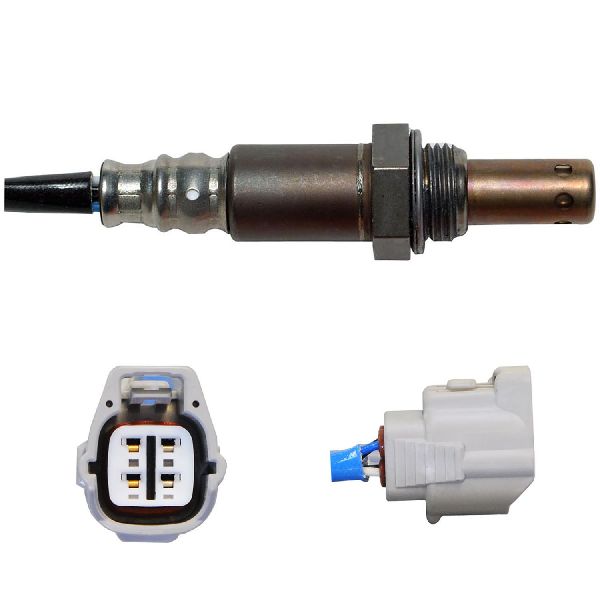
Est. part cost: $100-$300 per injector - Faulty Upstream Oxygen (O2) / Air-Fuel Ratio Sensor 🟡 Medium Probability The upstream A/F sensor is the primary sensor the PCM uses to determine the air-fuel ratio. Over time, it can become lazy or biased, sending inaccurate signals. If it incorrectly signals a lean condition, the PCM will add fuel, creating an actual rich condition and triggering P0172.
How to confirm: Use a scan tool with live data to observe the A/F sensor voltage or current. It should fluctuate rapidly. A sensor that is stuck or responds slowly is likely faulty. Comparing its readings to a known good sensor or downstream O2 sensor can also help diagnose a fault.
Typical fix: Replace the upstream (Bank 1, Sensor 1) air-fuel ratio sensor. Using a quality brand like Denso is often recommended for Japanese vehicles.
Est. part cost: $80-$180 - Fuel-Diluted Engine Oil ⚪ Low Probability This can occur on direct-injection engines that are frequently driven on short trips, preventing the engine from reaching full operating temperature. Fuel can accumulate in the crankcase, and the vapors are ingested via the PCV system, creating a rich mixture. Mazda explicitly addresses this in Service Alert SA-026/18.
How to confirm: Check the engine oil dipstick for a level that is noticeably above the full mark and a strong smell of raw gasoline.
Typical fix: Perform an engine oil and filter change. Adjust driving habits to include longer trips that allow the engine to fully warm up, and follow a more frequent oil change interval.
Est. part cost: $50-$100
Rare But Worth Checking
- Stuck-Open EVAP Purge Solenoid: If the purge valve sticks open, it can allow un-metered fuel vapors from the charcoal canister to enter the intake manifold at idle, when it should be closed. This introduces extra fuel that the PCM must compensate for, potentially causing a P0172 code.
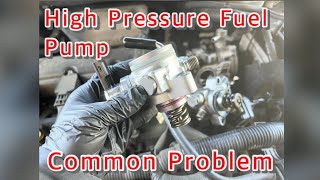
- High Fuel Pressure: A failing high-pressure fuel pump or fuel pressure sensor could cause system-wide high fuel pressure, leading to a rich condition. The high-pressure fuel pump on the CX-5 has been noted as a potential weak point.
Diagnosis Steps
- Confirm the code. Re-scan the vehicle's computer to ensure the code is not P0172.
- If the code is indeed P0172, proceed with diagnosis for a rich condition.
- Check for any Technical Service Bulletins (TSBs) related to P0172 for your vehicle's year. A PCM software update may be available.
- Inspect the air intake system from the air filter to the throttle body for any obstructions, dirt, or a poorly installed air filter.
- Using a scan tool, check Long-Term Fuel Trim (LTFT) and Short-Term Fuel Trim (STFT) values at idle. For a P0172, you will see significant negative numbers (e.g., -10% to -25%) as the PCM tries to subtract fuel.
- Inspect the Mass Air Flow (MAF) sensor for contamination. Clean it with dedicated MAF cleaner and re-evaluate fuel trims. If there's no change or the problem returns quickly, the sensor may need replacement.
- Check the engine oil for signs of fuel contamination (high level, gasoline smell). If found, change the oil and filter.
- Inspect the upstream oxygen sensor's operation via live scan tool data. The voltage should fluctuate rapidly. If it's stuck or slow, it's likely faulty.
- If a misfire code is present for a specific cylinder, inspect that cylinder's spark plug and fuel injector. A wet, fuel-fouled plug points towards a leaking injector.
- Test the EVAP purge solenoid to ensure it is not stuck open at idle.
Parts You'll Likely Need
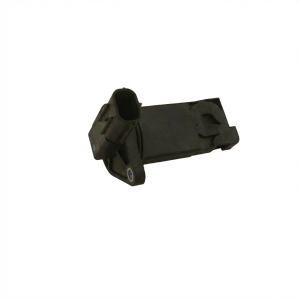
- Mass Air Flow (MAF) Sensor
(OEM #PYFS-13-215)— This is a frequent cause of incorrect air measurement leading to a rich condition on modern engines. It is often the first part to check and replace for a P0172 code.
Trusted brands: Mazda (OEM), Denso, Hitachi
OEM price range: $200-$300
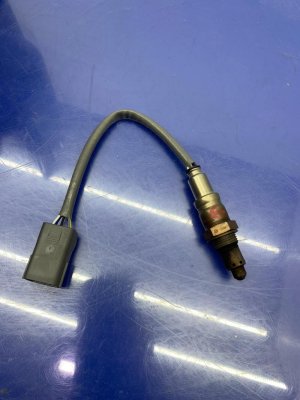
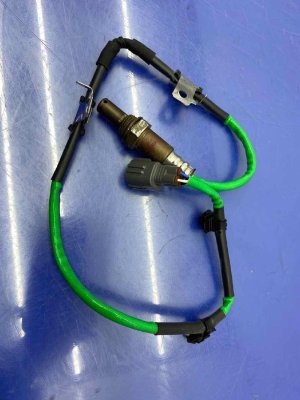
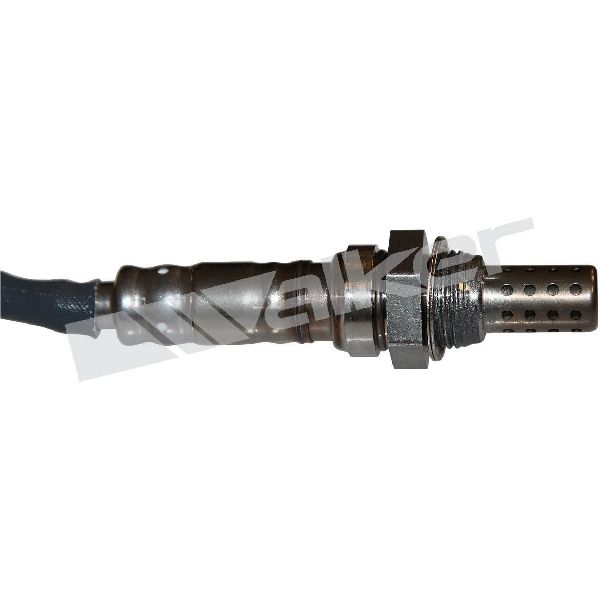
Aftermarket price range: $75-$150 - Upstream Air/Fuel Ratio Sensor
(OEM #PE20-18-861B (example, verify by VIN))— This sensor provides the primary feedback for fuel control. If it fails, it can cause a persistent rich or lean condition.
Trusted brands: Denso, NTK
OEM price range: $150-$250
Aftermarket price range: $80-$180
Related Codes That Often Appear With This One
- P0300-P0304 — A leaking fuel injector can foul the spark plug in a specific cylinder, causing a misfire code for that cylinder (e.g., P0304 for cylinder 4) alongside the P0172 rich code.
- P0101 — This code indicates a problem with the MAF sensor circuit range or performance. It often appears with P0172 because a faulty MAF sensor is a primary cause of incorrect fuel mixture calculations.
- P013A — This code for a slow-responding downstream O2 sensor can sometimes appear with P0172. The rich condition can contaminate the downstream sensor, or a failing downstream sensor can contribute to incorrect fuel trim adjustments.
Technical Service Bulletins (TSBs) & Recalls
- SA-026/18: Mentions P0172 can be caused by fuel dilution of engine oil due to frequent short-trip driving. Affects multiple Mazda models with direct injection.
- 01-012/20: Addresses CEL on with DTCs including P2097:00 (Post catalyst fuel trim system too rich), which is related to P0172. The fix involves a PCM software update for certain 2018-2019 CX-5 models.
Platform-Specific Known Issues
- Mazda Service Alert SA-026/18 notes that on some direct-injected vehicles, short-trip driving can lead to fuel dilution of the engine oil, causing a P0172 code. The recommended fix is more frequent oil changes.
- A user on Mazdas247.org with a 2014 CX-5 experiencing P0172 ultimately resolved the issue by replacing the MAF sensor and cleaning the throttle body.
- A Reddit user with a 2017 CX-5 GT experienced a P0171 (lean) code that flipped to a P0172 (rich) code after swapping the MAF sensor, highlighting the sensitivity of the system to this component.
- A YouTube video diagnosing a P0172 and P0304 on a 2.5L Skyactiv engine found the cause to be a leaking fuel injector in cylinder 4, identified by a fuel-soaked spark plug.
Mechanic-Grade Diagnostic Values
- High-Pressure Fuel Rail Pressure (Idle) — expected: Approx. 400 PSI (2758 kPa). Failure: Significantly lower pressure (e.g., 60-70 PSI) indicates a failing High-Pressure Fuel Pump (HPFP).
- High-Pressure Fuel Rail Pressure (Wide Open Throttle) — expected: Approx. 3000 PSI (20684 kPa). Failure: Inability to reach high pressure under load points to a faulty HPFP.
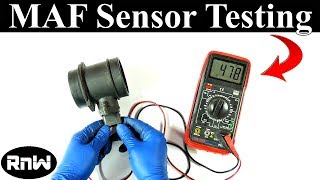
- Mass Air Flow (MAF) Sensor Voltage (KOEO - Key On, Engine Off) — expected: Approx. 0.72V and stable. Failure: Voltage that is unstable or changes when wiggling the harness suggests a wiring issue.
- Mass Air Flow (MAF) Sensor Reading (Idle, Warmed Up) — expected: Approx. 1.8 - 2.5 g/s. Failure: A significantly higher reading at idle (e.g., over 2.5 g/s) can indicate a faulty sensor causing a rich condition.
- Long Term Fuel Trim (LTFT) — expected: Between -5% and +5%. Failure: A strong negative value, such as -12% to -25%, indicates the PCM is consistently removing fuel to correct a rich condition.
Scan Tool Commands That Help
- FORScan: Live Data Monitoring (PIDs: FRP, MAF, SHRTFT, LONGFT) — Essential for diagnosing P0172. Use to monitor Fuel Rail Pressure (FRP) to test the HPFP, Mass Air Flow (MAF) to check sensor readings against specs, and fuel trims (SHRTFT/LONGFT) to confirm the rich condition.
- Mazda M-MDS (or equivalent): Datalogger - PCM - MAF PID — As specified in TSB 01-019/18, this is used to verify the MAF sensor voltage is stable at KOEO. Wiggling the harness while monitoring can expose intermittent wiring faults.
- Professional Scan Tool: Fuel Injector Balance Test / Misfire Counter — If a leaking injector is suspected, a balance test can help identify an injector flowing more fuel than others. Monitoring the misfire counter for a specific cylinder alongside a P0172 code can pinpoint the location of the leaking injector.
Wiring & Ground Locations
- Engine Bay Ground Points — Several large cables are bolted directly to the chassis and the engine block in the engine compartment.. A poor ground for the MAF sensor, O2 sensor, or PCM can cause incorrect readings, leading to fuel mixture errors like P0172. Ensuring these main grounds are clean and tight is a crucial preliminary step.
- MAF Sensor Connector — On the air intake tube, immediately after the air filter box.. This connector provides power, ground, and signal wires for the MAF sensor. A loose connection or corroded pin can cause erratic MAF readings, a primary cause of P0172. The red wire is typically the 12V supply.
- PCM Ground — The Powertrain Control Module (PCM) has its own ground connections. Referencing a wiring diagram is necessary to locate the specific ground pins and their termination point on the chassis.. The PCM relies on a stable ground reference to interpret sensor data correctly. A faulty PCM ground can corrupt all sensor inputs, leading to a variety of codes, including P0172.
Real Owner Repair Stories
- YouTube channel 'Total Upgrade Automotive Training' (Mazda with 2.5L Skyactiv engine, approx. 90,000 miles) — Running rough, smoke from exhaust.
❌ Tried (didn't work) Replacing spark plugs did not fix the issue.
✅ What actually fixed it The vehicle had codes P0172 and P0304 (Cylinder 4 misfire). The technician found the #4 spark plug was wet with fuel. Diagnosis confirmed a leaking direct fuel injector on cylinder 4. Replacing the single leaking injector resolved both codes. - Mazdas247 Forum user 'ColoradoDriver' (2014 Mazda CX-5 with 130,000 miles) — Check Engine Light on with P0172, but no noticeable driveability issues.
❌ Tried (didn't work) Replacing engine air filter., Considering MAF sensor replacement.
✅ What actually fixed it After experiencing the code intermittently, the owner used a bottle of Berryman B12 Chemtool fuel system cleaner in a new tank of gas. The check engine light stayed off, suggesting the issue was caused by slightly dirty or clogged fuel injectors. - Reddit user in r/mazda (Unknown year Mazda) — P0172 code, stalling at idle, and misfires.
❌ Tried (didn't work) Mechanic replaced the MAF sensor and downstream O2 sensor, which only temporarily improved symptoms., Owner replaced all 4 spark plugs., Owner swapped ignition coil from cylinder 4 to cylinder 1 to rule it out.
✅ What actually fixed it The user did not post the final resolution, but the combination of P0172 and a persistent cylinder 4 misfire after replacing common parts strongly points toward a leaking fuel injector in cylinder 4, similar to other documented cases.
OEM Part Supersession History
PYFS-13-215→PYFS13215 (no formal supersession, but part number format may vary)— Standard part for a wide range of Mazda models and years.
Heads up: This part number appears to be consistent across the 2017-2024 model years for the 2.5L engine. Always verify with VIN, but no major incompatibilities are noted within this generation.
Model Year Variations Within This Range
- 2018-2024: Engines from 2018-onward feature cylinder deactivation. While not a direct cause of P0172, it adds complexity to the valvetrain and is associated with separate known issues (e.g., cracked cylinder heads) that could potentially influence engine diagnostics.
- 2021+: Later models feature a larger, updated infotainment screen and refinements to the AWD system. These changes do not affect the diagnosis of P0172 but are notable differences within the generation.
Diagnostic Flowchart
Other Known Issues on This Vehicle
Issues unrelated to this code that are worth knowing about as an owner of this generation:
- Cracked Cylinder Head (Cylinder Deactivation Models) 🔴 High — Reported sporadically on 2018+ non-turbo models with cylinder deactivation. Can cause coolant loss or oil leaks. TSB 01-013-21-3753a addresses a similar issue on turbo models, but the problem is also noted by owners of NA models. (Ref: TSB 01-013-21-3753a (for 2.5T))
- Infotainment 'Ghost Touch' and Malfunctions 🟠 Medium — A very common issue on 2017-2020 models where the screen registers phantom touches, causing random inputs. It can be distracting and frustrating. (Ref: TSB 09-003/22; Customer Service Program (CSP13) extended warranty for some repairs.)
- Intake Valve Carbon Buildup 🟠 Medium — Inherent to all gasoline direct injection (GDI) engines, including the Skyactiv-G. Over time (typically 80k-120k miles), carbon deposits can build up on intake valves, potentially affecting performance.
- Cylinder Deactivation Drivability/Reliability Concerns 🟡 Low — Some owners of 2018+ models express concern over the long-term reliability of the cylinder deactivation system, though widespread failures are not as documented as other issues. Some report feeling slight vibrations.
- Premature Brake Wear 🟡 Low — Some owners report faster-than-expected wear on brake pads and rotors, though this is highly dependent on driving style.
Used vs. New Parts: Buying Guide for This Vehicle
When a used part is the smart pick: For this repair, used parts are generally not recommended for the primary electronic components. However, a used High-Pressure Fuel Pump (HPFP) from a verified low-mileage donor vehicle can be a cost-effective option, as some owners have had success with this approach. Mechanical components like intake manifolds or brackets are perfectly fine to source from a junkyard.
Donor-vehicle mileage cap: roughly under 70000 miles for the part to have meaningful remaining life.
What to inspect on the donor part:
- For an HPFP, verify the donor vehicle's mileage and check for any signs of external damage or corrosion.
- Avoid electronic sensors (MAF, O2) from junkyards, as their condition is impossible to verify visually and they are common failure items.
- Check for a vehicle history report on the donor car if possible to avoid parts from flood-damaged or severely wrecked vehicles.
OEM-only on this vehicle (don't cheap out):
- High-Pressure Fuel Pump (HPFP): While a used OEM part can work, aftermarket HPFPs for direct injection systems have a questionable reputation. Sticking with OEM (new or used) is the safest bet.
- Mass Air Flow (MAF) Sensor: OEM (Mazda) or the original supplier (e.g., Denso, Hitachi) is strongly recommended. Cheap aftermarket MAF sensors are a very common cause of persistent, hard-to-diagnose running issues.
Aftermarket brands forum-validated for this vehicle:
- Denso or NTK for Air/Fuel (Oxygen) Sensors.
- Hitachi for Mass Air Flow sensors (often the OEM supplier).
Brands owners have reported issues with on this vehicle:
- Unbranded, 'white-box' electronic sensors (MAF, O2, Fuel Injectors) from online marketplaces. These frequently fail to meet OEM specifications and can make diagnosis more difficult.
- Bosch O2 sensors have been anecdotally reported by some forum users as being problematic in Japanese vehicles, with a preference for Denso or NTK.
Real Owner Stories
Aggregated from forums and TSBs cited above. Mileages and costs reflect what owners reported in those sources.
2014 Mazda CX-5 2.5L — 130000 miles
Symptoms: First Check Engine Light experienced at 130k miles.
What fixed it: Replacing the MAF sensor and cleaning the throttle body.
Source hint: Mazdas247.org thread titled '130k miles on a 2014 CX-5 - First Check Engine Light - P0172'
2017 Mazda CX-5 GT 2.5L
Symptoms: Engine stalls; initially threw a P0171 (lean) code which flipped to a P0172 (rich) code after the MAF sensor was swapped.
What fixed it: The owner noted extreme sensitivity to the MAF sensor component during troubleshooting.
Source hint: Reddit r/MechanicAdvice thread 'Mazda CX-5 2017 2.5 GT – P0171 → P0172, Engine Stalls, MAF Swapped'
2016-2023 Mazda CX-5 2.5L
Symptoms: P0172 and P0304 misfire codes present simultaneously.
What fixed it: Replacement of the #4 fuel injector after finding a fuel-soaked spark plug in that cylinder.
Source hint: YouTube video 'P0304 P0172 MAZDA SKYACTIV 2.5L PROBLEM & FIX!'
2017-2024 Mazda CX-5 2.5L
Symptoms: Persistent P0172 code, engine stalling, and a cylinder 4 misfire.
What fixed it: The symptoms pointed toward a fuel injector issue after MAF and O2 sensor replacements failed to resolve the code.
Source hint: Reddit r/mazda thread 'engine code p0172'
Related OBD-II Codes
Frequently Asked Questions
Does Mazda Service Alert SA-026/18 apply to my CX-5 if I only drive short distances?
My 2018 CX-5 has a P2097 code along with P0172; is there a specific fix for this?
Can a dirty MAF sensor really cause a rich P0172 code on a Skyactiv engine?
Should I replace all my fuel injectors if only one is leaking on my 2.5L engine?
What brand of Air-Fuel Ratio sensor is recommended for the CX-5?
Helpful Videos


Used OEM Parts in Stock



New Aftermarket Parts Available


The information in this article is provided for general reference and educational purposes only. Vehicle specifications, procedures, and part compatibility can vary by production date, trim level, and region. Always consult your vehicle's factory service manual and verify part numbers before purchasing or performing repairs. Safety-critical components such as airbags, seat belts, and braking systems should be installed by a qualified professional.
- Mazda CX-5:
- 🎬 Helpful Videos
- 🛍️ Shop This Part
- What's Unique About the 2017-2024 Mazda CX-5
- Symptoms You May Notice
- Most Likely Causes
- Rare But Worth Checking
- Diagnosis Steps
- Parts You'll Likely Need
- Related Codes That Often Appear With This One
- Technical Service Bulletins (TSBs) & Recalls
- Platform-Specific Known Issues
- Mechanic-Grade Diagnostic Values
- Scan Tool Commands That Help
- Wiring & Ground Locations
- Real Owner Repair Stories
- OEM Part Supersession History
- Model Year Variations Within This Range
- Diagnostic Flowchart
- Other Known Issues on This Vehicle
- Used vs. New Parts: Buying Guide for This Vehicle
- Real Owner Stories
- 2014 Mazda CX-5 2.5L — 130000 miles
- 2017 Mazda CX-5 GT 2.5L
- 2016-2023 Mazda CX-5 2.5L
- 2017-2024 Mazda CX-5 2.5L
- Related OBD-II Codes
- Frequently Asked Questions
- 🎟️ Get 5% Off