

P0847 on 2012-2013 Mazda MAZDA3: Causes, Symptoms, and Fixes for Transmission Pressure Switch Faults
On a 2012-2013 Mazda3, P0847 is almost always caused by a known issue with the automatic transmission's valve body. The fix typically involves replacing the valve body or the pressure switches on it, which requires professional service. Expect costs to range from $800 to over $1,800 depending on the exact repair. A TCM software update may be attempted first, but hardware replacement is common.
- P0847 on a 2012-2013 Mazda3 is a serious code pointing to a known transmission issue, not just a simple sensor failure.
- The most likely cause is a faulty transmission valve body or a stuck pressure switch on it, as documented in multiple Mazda TSBs.
- Do not be surprised if a mechanic recommends replacing the entire valve body; this is often the correct and permanent fix recommended by the manufacturer.
- This is not a DIY-friendly repair. It requires professional diagnosis and service due to the complexity and potential need for computer programming.
- Always use the specified Mazda ATF-FZ transmission fluid during service to prevent future issues.
What's Unique About the 2012-2013 Mazda MAZDA3
For this specific generation of Mazda3 with the SKYACTIV FW6A-EL 6-speed automatic transmission, code P0847 is not just a random sensor failure. It is a well-documented issue addressed by multiple Mazda Technical Service Bulletins (TSBs). The TSBs state the cause is often internal contamination within the transmission's control valve body, causing one or more oil pressure switches to get stuck. This makes it a platform-specific pattern where the root cause is frequently the valve body assembly, not just a simple, isolated sensor. The TSBs outline a repair path that may start with a TCM reprogram, but often escalates to replacing the switches or the entire valve body assembly.
Diagnostic Flowchart
Tap your situation to follow the diagnostic path that matches what you're seeing on this vehicle.
Symptoms You May Notice
- Check Engine Light is on
- Automatic Transaxle (AT) warning light is on
- Harsh or erratic shifting
- Transmission may be stuck in a single gear (fail-safe/limp mode)
- Delayed engagement when shifting from Park to Drive or Reverse
- Reduced fuel economy
- Hesitation or delay in gear changes
- Immediately replacing the TCM without diagnosing the valve body, switches, or fluid.
- Replacing only one pressure switch when the underlying cause is contamination in the valve body, leading to a repeat failure of another switch.
- Performing a simple fluid change and expecting it to fix a physically stuck switch.
Most Likely Causes
- Faulty Control Valve Body / Sticking Pressure Switch 🔴 High Probability Mazda has issued multiple TSBs (e.g., 05-002-23, 05-003-20) stating that contamination can cause the oil pressure switches on the valve body to stick. This is the most documented cause for this specific vehicle. The TSBs explicitly state the cause is the switch "temporarily or permanently getting stuck due to contamination entering the passage."
How to confirm: A technician will use a professional scan tool to monitor pressure switch data. If the switch reading is static ('stuck on') regardless of gear selection or driving conditions, it confirms the fault. Following the TSB diagnostic tree is the official procedure.
Typical fix: Per TSB #05-003-14-2898A, the official fix was to replace the valve body with a new, programmed unit. Later TSBs provide a procedure to first reprogram the TCM, and if that fails, replace the individual pressure switches (A and B). However, many dealer and independent shop experiences suggest that replacing the entire valve body assembly is the most permanent fix to eliminate the source of contamination.
Est. part cost: $800-$1300 for a new OEM valve body assembly, $50-$150 for individual switches. - Low or Contaminated Transmission Fluid 🟡 Medium Probability While not a direct cause of a stuck switch, old, degraded, or incorrect fluid can contribute to the internal contamination that leads to the failure. This transmission is sensitive to fluid type and condition.
How to confirm: Check the transmission fluid level and condition via the service port. The fluid should be at the correct level, pink/red in color, and not smell burnt. Use of any fluid other than Mazda ATF-FZ is not recommended.
Typical fix: Perform a transmission fluid drain-and-fill or flush using the correct Mazda ATF-FZ fluid. This is often done in conjunction with other repairs and may not solve the problem on its own if the switch is already stuck.
Est. part cost: $75-$200 for fluid for a full service. - Wiring or Connector Issue ⚪ Low Probability
How to confirm: Visually inspect the wiring harness leading to the transmission for any signs of damage, corrosion, or loose connections. A multimeter can be used to check for continuity and proper voltage at the sensor connector. This is less likely given the known TSBs for internal failure.
Typical fix: Repair or replace the damaged section of the wiring harness or the connector.
Est. part cost: $10-$100 for wiring repair supplies.
Rare But Worth Checking
- Faulty Transmission Control Module (TCM): This is rare as a standalone failure. On the FW6A-EL transmission, the TCM is integrated into the valve body assembly. Therefore, a 'faulty TCM' diagnosis almost always results in the replacement of the entire valve body mechatronic unit.
Diagnosis Steps
- Verify the transmission fluid level and condition. Ensure it is clean and filled to the proper level with Mazda ATF-FZ fluid.
- Use an OBD-II scanner to check for P0847 and any other related codes (like P0842, P0872, P0877, P0780).
- Consult Mazda TSBs #05-002-23, #05-003-20, and #05-005-14 to see the manufacturer's recommended diagnostic procedure.
- With a professional scan tool (like Mazda's IDS), monitor the live data for all transmission pressure switches while shifting gears. Look for a switch that does not change its state (stuck on/off).
- Follow the TSB procedure, which may first involve attempting a TCM reprogram to update diagnostic logic.
- If reprogramming does not work or the code returns, inspect the transmission wiring harness and connectors for visible damage, corrosion, or loose pins.
- If wiring and fluid are good, the next step is to replace the faulty pressure switch(es) or the entire valve body assembly, as this is the most likely cause per Mazda's TSBs.
- After hardware replacement, perform the 'Initial Learning' procedure for the transmission as specified by Mazda.
Parts You'll Likely Need
- Transmission Control Valve Body
(OEM #FZ01-19-9F0 (This is a common base number; specific suffix may vary by vehicle/production date))— This is the most common and permanent root cause fix according to multiple manufacturer TSBs and owner experiences. The entire assembly is often replaced to resolve internal contamination issues and includes the integrated TCM and new solenoids.
Trusted brands: Mazda (OEM)
OEM price range: $1000-$1300
Aftermarket price range: $600-$900 (Remanufactured) - Transmission Fluid Pressure Switch
(OEM #FZ01-21-2C0)— If the valve body itself is deemed okay, the individual switch may be replaced. The TSBs identify this as the component that gets stuck. This is a less-invasive repair but may not be a permanent solution if contamination is widespread.
Trusted brands: Mazda (OEM)
OEM price range: $75-$150
Aftermarket price range: $40-$80 - Mazda SKYACTIV-Drive ATF FZ
(OEM #0000-FZ-113E-01)— The correct transmission fluid is required when replacing the valve body or servicing the transmission. Use of any other fluid type can cause damage.
Trusted brands: Mazda (OEM)
OEM price range: $15-$25 per quart
Related Codes That Often Appear With This One
- P0842 — Relates to Oil Pressure Switch No. 1. Both are often triggered by the same underlying valve body issue.
- P0872 — Relates to Oil Pressure Switch No. 3. Often appears in a group with P0847 due to the common valve body contamination problem.
- P0877 — Relates to Oil Pressure Switch No. 4. Part of the same family of codes addressed by Mazda's TSBs for this issue.
- P0780 — A general 'Gear Shifting Malfunction' code that can be set as a result of the pressure switch failures.
- P1738 — Indicates an 'Automatic Transaxle Internal Malfunction,' often triggered alongside the specific pressure switch codes.
Technical Service Bulletins (TSBs) & Recalls
- 05-002-23: Mentions P0847 with other DTCs related to the check engine and AT warning lights.
- 05-003-20: Supersedes many previous bulletins and details the repair procedure, starting with TCM reprogramming and escalating to switch replacement if the problem persists. Confirms the cause is contamination.
- 05-003-14-2898A: Explicitly states that a new programmed valve body was established to correct problems associated with P0847 and other codes.
- 05-005-14-2902D: Defines P0847:00 as 'OIL PRESSURE SWITCH NO. 2... STUCK ON' and links it to the TCM memory, providing a procedure to replace the switches and reprogram the TCM.
Platform-Specific Known Issues
- Official Mazda TSBs: Mazda has released multiple Technical Service Bulletins for the 2012-2013 MAZDA3 and other models with the SKYACTIV transmission. TSBs like #05-003/20 and #05-005/14 directly link P0847 to a known problem where contamination causes oil pressure switches on the control valve body to stick, necessitating either a TCM reprogram, switch replacement, or a full valve body replacement.
- Real-World Repair Story: A user on the Mazdas247 forum with a 2017 CX-5 (sharing the same transmission) reported a P0847 code at 120k miles. The dealer quoted $1000 to replace the switch but recommended a f
Mechanic-Grade Diagnostic Values
- Transmission Fluid Pressure Sensor (TFPS) Signal Voltage — expected: 5V or 12V (depending on circuit design). Failure: Voltage is incorrect or does not change as expected, indicating a wiring fault or bad PCM/TCM.
- Oil Pressure Switch Fitting Bolt Torque — expected: 9—10 N·m {80—88 in·lbf}. Failure: Incorrect torque can lead to leaks or damage.
- Oil Pan Bolt Torque — expected: 8—10 N·m {71—88 in·lbf}. Failure: Incorrect torque can lead to leaks or a warped pan.
- DTC Trigger Condition - ATF Temperature — expected: Code will only be detected when ATF temperature is 20 °C {68 °F} or more.. Failure: This is a condition for diagnosis, not a failure indicator itself.
Hidden / Shadow Codes Worth Checking
- P1738:00: Automatic transaxle internal malfunction. While not a hidden code, Mazda's official diagnostic procedure for P0847 prioritizes checking for this code first. Its presence indicates a more severe internal fault and directs the diagnostic path. (see via Standard OBD-II scanner, but professional tools like Mazda IDS provide more context.)
Scan Tool Commands That Help
- Mazda IDS (Integrated Diagnostic System): Module Reprogramming — Used to update the Transmission Control Module (TCM) with the latest calibration file as per TSBs. This is often the first step attempted to fix the diagnostic logic before replacing parts.
- Mazda IDS (Integrated Diagnostic System): Initial Learning — This procedure must be performed after replacing an oil pressure switch or the entire control valve body to allow the TCM to learn the characteristics of the new components.
- Mazda IDS (Integrated Diagnostic System): Mechanical System Test — A guided diagnostic test to verify the mechanical and hydraulic operation of the transmission after a repair has been completed.
- Mazda IDS (Integrated Diagnostic System): Data Logger — Used to monitor and record live data from the transmission sensors, including the state of each pressure switch, to confirm if one is 'stuck on' or not responding to gear changes.
Wiring & Ground Locations
- Transmission Case Grounds — Multiple ground points are located on the transmission case. Specifically, forum users identify one ground on the harness on top of the transmission and two on the front of the transmission case.. A poor ground connection for the transmission can cause erratic sensor readings and communication issues with the TCM, potentially mimicking a sensor failure.
- Engine Mount Ground — A primary engine-to-chassis ground wire is attached to or near the passenger-side engine mount.. This is a critical ground path for the entire powertrain. Corrosion or a loose connection here can cause a wide range of electrical issues, including transmission sensor faults.
- PCM/TCM Connector Grounds — Specific pins on the Powertrain Control Module (PCM) connectors serve as grounds. These are typically black wires and can be tested for continuity to ground at the connector itself.. Verifying the ground pins directly at the module connector confirms the integrity of the ground circuit for the control unit, ruling out a bad ground as the cause of the code.
OEM Part Supersession History
FZ01-19-9F0→N/A— This is the base OEM part number for the valve body assembly. While suffixes may have changed over time (e.g., FZ01-19-9F0A), FZ01-19-9F0 is the most commonly referenced number for this component.
Model Year Variations Within This Range
- 2012-2013: The 2012 model year was the first to feature the SKYACTIV-G engine and the associated FW6A-EL 6-speed automatic transmission in the Mazda3 platform. Differences between 2012 and 2013 models were primarily cosmetic or related to infotainment systems and did not significantly alter the transmission hardware related to code P0847.
Used OEM Parts in Stock

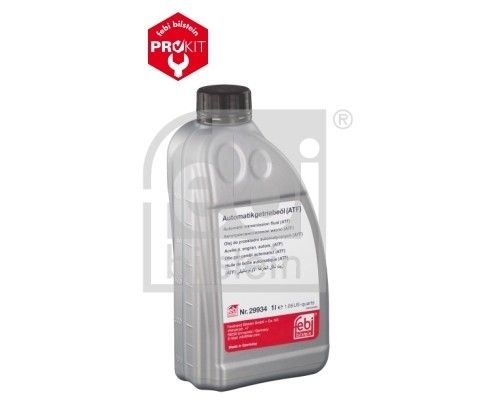
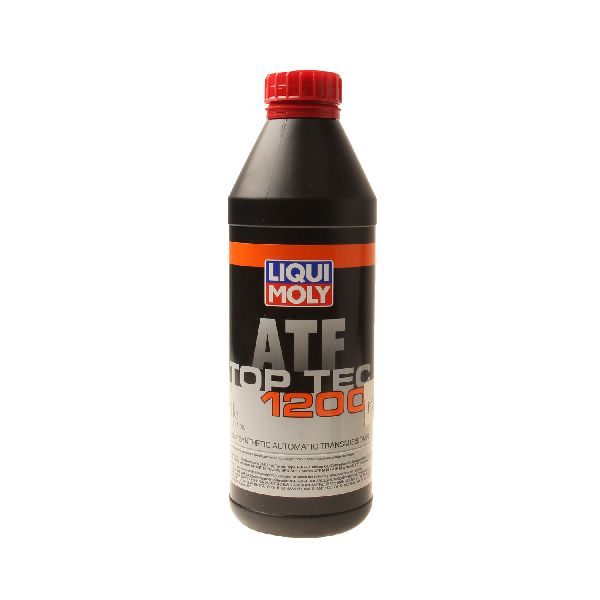
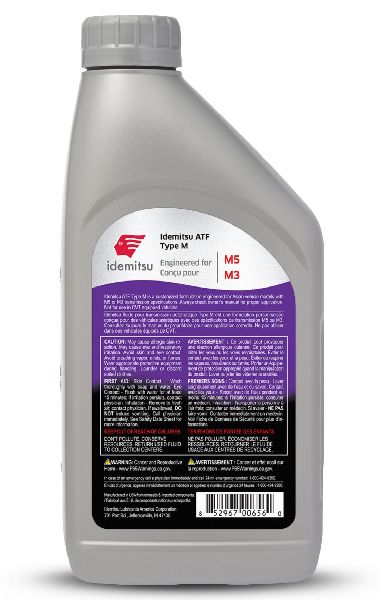
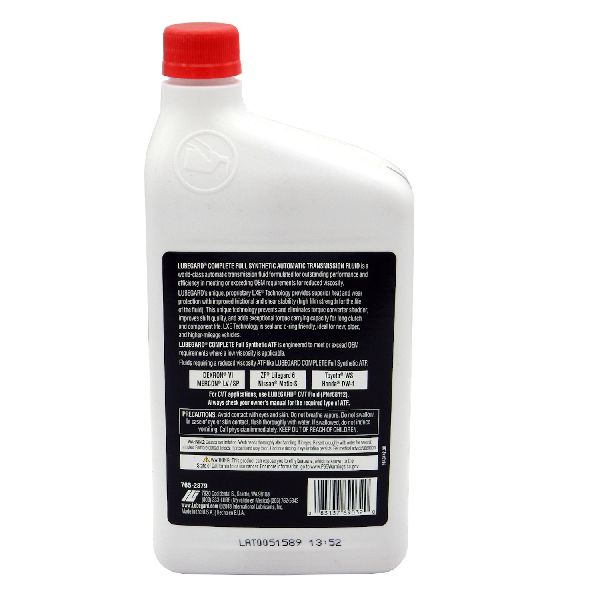
New Aftermarket Parts Available


The information in this article is provided for general reference and educational purposes only. Vehicle specifications, procedures, and part compatibility can vary by production date, trim level, and region. Always consult your vehicle's factory service manual and verify part numbers before purchasing or performing repairs. Safety-critical components such as airbags, seat belts, and braking systems should be installed by a qualified professional.
- Mazda MAZDA3:
- 🛍️ Shop This Part
- What's Unique About the 2012-2013 Mazda MAZDA3
- Diagnostic Flowchart
- Symptoms You May Notice
- Most Likely Causes
- Rare But Worth Checking
- Diagnosis Steps
- Parts You'll Likely Need
- Related Codes That Often Appear With This One
- Technical Service Bulletins (TSBs) & Recalls
- Platform-Specific Known Issues
- Mechanic-Grade Diagnostic Values
- Hidden / Shadow Codes Worth Checking
- Scan Tool Commands That Help
- Wiring & Ground Locations
- OEM Part Supersession History
- Model Year Variations Within This Range
- 🎟️ Get 5% Off