

P0780 on 2014-2016 Land Rover LR4: Shift Malfunction Causes and Fixes
On a 2014-2016 Land Rover LR4 with the 3.0L V6, code P0780 is most often caused by a Transmission Control Module (TCM) software error, as documented in manufacturer TSB LTB00832NAS1. The fix is typically a software reflash performed by a dealer or specialist, which requires no new parts and is the first step before any mechanical repairs are considered.
- For a 2014-2016 LR4, P0780 (specifically P0780-93) is very likely a software issue that can be fixed with a simple reflash at a dealership or specialist shop.
- Do not let a mechanic replace expensive parts like the valve body or transmission without first verifying the TCM software is up to date per TSB LTB00832NAS1.
- This is not a DIY-friendly code. The transmission is a sealed unit and requires special tools (Land Rover SDD) and procedures for diagnosis and service.
- Driving with this code active is not recommended, as the vehicle will be stuck in a single gear, making it unsafe for normal traffic speeds.
What's Unique About the 2014-2016 Land Rover LR4
For the 2014-2016 LR4 (and its platform mates like the Range Rover and Range Rover Sport with the same powertrain), this code is uniquely tied to a well-documented software glitch. Land Rover issued Technical Service Bulletin #LTB00832NAS1 stating that a 'Transmission fault' message and limp-home mode accompanied by code P0780-93 is likely caused by an error in the TCM software. This makes checking for this software update the critical first diagnostic step, potentially saving thousands of dollars on unnecessary mechanical repairs like valve body or transmission replacement.
Symptoms You May Notice
- 'Transmission Fault' message on the instrument cluster
- Vehicle enters a fixed-gear 'limp home' mode
- Harsh, delayed, or missed shifts
- Check Engine Light or transmission warning light is on
- Transmission slipping between gears
- Inability to shift out of Park
- Replacing the valve body or entire transmission before checking for the software update specified in TSB LTB00832NAS1.
- Attributing the fault to mechanical failure when it is an easily correctable software glitch.
Most Likely Causes
- TCM Software Error 🔴 High Probability A specific software error was identified by Land Rover for this vehicle range, as detailed in TSB #LTB00832NAS1. This bulletin explicitly covers the 2014-2016 LR4.
How to confirm: A technician using the Land Rover Symptom Driven Diagnostics (SDD) system (DVD143.00 v.216 or later) can confirm if the vehicle's software is outdated and if DTC P0780-93 is stored. The TSB is the primary diagnostic path.
Typical fix: Reprogramming ('reflashing') the Transmission Control Module with updated software. No parts are required for this specific fix. The procedure requires a stable battery maintainer to be connected.
Est. part cost: $0 - Low or Degraded Transmission Fluid 🟡 Medium Probability The ZF 8-speed transmission is sensitive to fluid level and condition. While marketed as 'lifetime' fluid, degradation can occur, especially with high mileage or severe use, leading to shift quality issues. ZF, the manufacturer, often recommends a service interval of around 60,000-80,000 km (approx. 37,000-50,000 miles).
How to confirm: A technician must perform a complex fluid level check, as there is no dipstick. This involves getting the transmission to a specific temperature (typically 30-50°C or 86-122°F) while the vehicle is level and running, then removing a fill plug to check for a small stream of fluid.
Typical fix: Performing a transmission fluid service, which involves draining the old fluid and refilling with the correct specification fluid (ZF Lifeguard 8). The filter is integrated into the plastic oil pan, which is replaced as a single unit. 🎬 Watch this step-by-step ZF 8-speed fluid and filter change.
Est. part cost: $250-$500 - Faulty Shift Solenoid(s) ⚪ Low Probability Solenoids are electromechanical parts inside the transmission that can fail over time due to wear or contamination from dirty fluid, though it's less common than the software issue on this platform.
How to confirm: A technician can use a high-level scan tool to command specific solenoids and monitor their response. Resistance checks can also be performed on the solenoid coils after removing the transmission pan. Specific solenoids have expected resistance values.
Typical fix: Replacing the faulty shift solenoid or the entire solenoid pack/mechatronics unit, which is located inside the transmission valve body.
Est. part cost: $300-$800
Rare But Worth Checking
- Internal Transmission Mechanical Failure: This is the worst-case scenario. If fluid and electronics are good, a problem with clutches, planetary gear sets, or other internal hard parts could be the cause, often indicated by metal shavings in the fluid pan.
- Wiring Harness or Connector Issue: Damage or corrosion to the wiring connecting the TCM to the transmission can interrupt signals, causing shift errors. A known issue on LR4s is water ingress into the passenger footwell from clogged sunroof drains, 🎬 See how to repair clogged Land Rover sunroof drains. which can damage nearby wiring and control modules. A visual inspection of the harness and key ground points is a critical diagnostic step.
Diagnosis Steps
- Connect a professional scan tool (preferably the Land Rover SDD system) to read the codes from the TCM. Confirm if the specific code is P0780-93.
- Check for applicable Technical Service Bulletins (TSBs) for your vehicle's VIN, specifically LTB00832NAS1, which addresses this exact code.
- If the TSB applies and P0780-93 is present, perform the TCM software update as the first and most likely fix. This requires a dealer-level tool and a battery maintainer.
- If the code returns or the TSB does not apply, have a professional check the transmission fluid level and condition. This is a complex procedure on this sealed transmission, requiring the fluid to be at a specific temperature (30-50°C).
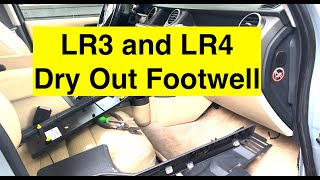
- Inspect the transmission wiring harness and connectors for any visible damage, corrosion, or loose connections, paying special attention to the passenger footwell area for signs of water damage and checking main ground points. 🎬 Watch a guide on drying out a wet LR4 footwell.
- If fluid and wiring are good, perform electronic tests on the shift solenoids using an advanced scan tool to check for proper function and measure resistance values.
- If all other possibilities are exhausted, suspect a fault with the valve body or an internal mechanical issue within the transmission, which may require pan removal to inspect for debris.
Parts You'll Likely Need
- Transmission Control Module (TCM) Reprogramming — This is not a physical part, but a service. It is the most common fix for P0780-93 on this specific vehicle, as per TSB LTB00832NAS1.
OEM price range: $150-$400 - Transmission Fluid and Filter/Pan Kit
(OEM #LR065238)— If the cause is old, degraded, or low fluid, a fluid and filter service is required. The filter is integrated into the pan on the ZF 8HP70 transmission and must be replaced as a single unit.
Trusted brands: ZF (OEM), Land Rover Genuine
OEM price range: $150-$250
Aftermarket price range: $100-$200 - ZF Lifeguard 8 Automatic Transmission Fluid
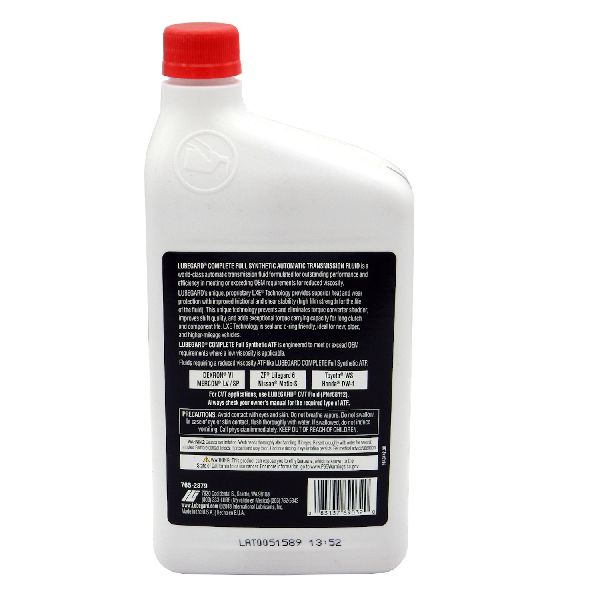
(OEM #S67109031201 (ZF Part Number))— This is the specific fluid required for the ZF 8HP70 transmission. Using incorrect fluid can cause damage or shifting problems. A typical service requires 5-7 liters.
Trusted brands: ZF
OEM price range: $20-$30 per liter
Technical Service Bulletins (TSBs) & Recalls
- LTB00832NAS1: States that a 'Transmission fault' message with DTC P0780-93 may be caused by an error in the TCM software, fixed by reprogramming the module. This TSB also applies to the 2014 Range Rover and Range Rover Sport.
Platform-Specific Known Issues
- TSB LTB00832NAS1 explicitly calls out a software error in the TCM as a cause for P0780-93, resulting in 'limp home' mode. The prescribed fix is a software reflash with no parts needed.
- Water intrusion in the passenger footwell from clogged sunroof drains is a known issue that can lead to various electrical problems, including transmission-related faults if the wiring or modules are affected.
Mechanic-Grade Diagnostic Values
- Shift Solenoid (Variable Force Solenoids) Resistance — expected: ~5.05-5.5 Ohms at 20°C (68°F). Failure: A reading significantly outside this range indicates a faulty solenoid coil.
- Control Solenoid (MV 1) Resistance — expected: 10 to 11 Ohms at 20°C (68°F). Failure: A reading outside this range suggests a failure in the solenoid that controls clutch application.
- Transmission Fluid Temperature for Level Check — expected: 30°C to 50°C (86°F to 122°F). Failure: Checking the fluid level outside this temperature range will result in an incorrect fluid level (either under or overfilled), which can cause shifting problems.
Hidden / Shadow Codes Worth Checking
- P0780-93: This specific sub-code for 'Shift Malfunction - Component or System Operation Obstructed or Blocked' is explicitly mentioned in Land Rover TSB LTB00832NAS1. Its presence strongly indicates the TCM software glitch is the root cause. (see via A professional-grade scan tool capable of reading manufacturer-specific codes, such as the Land Rover Symptom Driven Diagnostics (SDD) system.)
- U0402: 'Invalid Data Received From Transmission Control Module'. This code often appears alongside P0780 and indicates a communication breakdown between the TCM and other modules, which can be a symptom of the TCM fault, wiring issues, or low system voltage. (see via Most professional OBD-II scan tools.)
Scan Tool Commands That Help
- Land Rover SDD (Symptom Driven Diagnostics): Configure existing module - Transmission control module — This is the specific function required to perform the software reflash as prescribed by TSB LTB00832NAS1 to fix the P0780-93 code. It is found under the 'Recommendations' tab after selecting the relevant symptoms.
- Land Rover SDD or equivalent advanced scan tool: Clear Transmission Adaptations — After performing any repair, such as replacing a solenoid or servicing the fluid, the transmission's learned shift adaptations should be cleared. This forces the TCM to relearn shift points with the new components or fluid, ensuring smooth operation.
Wiring & Ground Locations
- TCM (Transmission Control Module) — The TCM is integrated into the mechatronics unit (valve body) inside the transmission oil pan. It is not a separate, externally mounted module.. Its location inside the transmission makes it susceptible to issues from degraded fluid or internal debris, but protects it from most external environmental factors. Access requires draining the fluid and removing the oil pan.
- Right Footwell Ground Points — Located behind the passenger side (right-hand drive driver's side) kick panel.. These grounds are critical for several control modules. They are notoriously susceptible to corrosion from water ingress due to clogged sunroof drains, which can cause a wide range of electrical faults, including TCM communication errors that could mimic a P0780 fault.
- Main Transmission Connector — A large, round connector on the rear passenger side of the transmission housing. It has a locking sleeve that must be rotated to release.. This is the single point of connection for all electronic signals between the vehicle's wiring harness and the internal TCM/mechatronics unit. Corrosion or bent pins in this connector can cause a total loss of communication or intermittent faults.
Real Owner Repair Stories
- Land Rover Forums user (Land Rover LR4 (year not specified, but platform is relevant)) — Vehicle thrown into Limp Mode with multiple warning lights (ABS, Gearbox Fault), Odometer cutting out, suspension lowering, and other electrical gremlins.
❌ Tried (didn't work) Topping off low engine oil., Unplugging USB devices., Checking battery and alternator (tested good).
✅ What actually fixed it The user's diagnostic tool revealed codes P0500 (Speed Sensor A), P057B (Brake Pedal Position Sensor), and U0402 (Invalid Data from TCM). The user concluded the speed sensor fault was the likely root cause triggering the other communication errors and limp mode, which is a common pathway to a P0780-like condition. The final repair was not posted, but the diagnosis points away from the TSB and towards a sensor/wiring fault.
OEM Part Supersession History
LR023294→LR065238— Standard part revision/update for the ZF 8HP70 transmission oil pan/filter assembly.
Heads up: The new part number (LR065238) is a direct replacement for the old one.
Diagnostic Flowchart
Other Known Issues on This Vehicle
Issues unrelated to this code that are worth knowing about as an owner of this generation:
- Timing Chain Tensioner and Guide Wear (AJ126 V6) 🔴 High — Common between 70k-130k miles. The 3.0L V6 is based on the 5.0L V8 and shares its timing components. A rattling noise on startup is a key symptom. Updated guides with steel inserts were introduced to fix the problem.
- Plastic Coolant Pipe Leaks 🔴 High — The front and rear coolant crossover pipes, made of plastic, are prone to cracking and leaking with age and heat cycles, which can lead to overheating. This is a very common failure point.
- Air Suspension Compressor Failure 🟠 Medium — The air suspension compressor can wear out, leading to a slow-to-lift suspension, a 'Suspension Fault' message, or the vehicle sagging. This is often caused by an air leak elsewhere in the system (like a leaking air spring) forcing the compressor to overwork. Replacement may require a software update if the brand of the compressor is changed (e.g., Hitachi to AMK).
- Lower Control Arm Bushing Wear 🟠 Medium — The heavy weight of the LR4 causes premature wear of the front lower control arm bushings, typically needing replacement around 40k-60k miles. Symptoms include clunking noises over bumps and uneven tire wear.
- Water Pump Leak 🟠 Medium — The water pump is another common source of coolant leaks, often developing a slow seep by 50k-60k miles.
Used vs. New Parts: Buying Guide for This Vehicle
When a used part is the smart pick: A complete used transmission assembly from a low-mileage donor vehicle can be a cost-effective alternative to a full rebuild if internal mechanical failure is diagnosed. A used mechatronics/valve body assembly can also be considered, but it carries risks as it may have its own wear or electronic issues.
Donor-vehicle mileage cap: roughly under 80000 miles for the part to have meaningful remaining life.
What to inspect on the donor part:
- Verify the donor vehicle's VIN to ensure it had the same engine and transmission type.
- Obtain service history if possible, looking for evidence of transmission servicing.
- Inspect the transmission connector for any signs of physical damage or corrosion.
- Check the fluid from the donor transmission if possible; dark, burnt-smelling fluid is a major red flag.
OEM-only on this vehicle (don't cheap out):
- Transmission Fluid (ZF Lifeguard 8 or Land Rover equivalent)
- Transmission Control Module (TCM) - While a used TCM/mechatronics can work, a new one must be OEM and programmed by a dealer.
Aftermarket brands forum-validated for this vehicle:
- ZF (for the pan/filter, solenoids, and fluid - they are the Original Equipment Manufacturer)
Brands owners have reported issues with on this vehicle:
- Unknown or unverified brands for electronic components like solenoids or the TCM. The ZF 8HP is highly sensitive to component quality.
Real Owner Stories
Aggregated from forums and TSBs cited above. Mileages and costs reflect what owners reported in those sources.
2016 Land Rover LR4
Symptoms: Owner reported a 'Gearbox not in park' warning along with other electrical issues and suspected wiring shorts.
What fixed it: Troubleshooting focused on identifying wiring shorts and addressing water leaks from sunroof drains in the passenger footwell that affect transmission electronics.
Source hint: landroverforums.com: Possible Transmission Electrical Issue
2014 Land Rover LR4
Symptoms: 'Transmission fault' message displayed on the instrument cluster and the vehicle stored DTC P0780-93.
What fixed it: Reprogramming the Transmission Control Module (TCM) with updated software using the Land Rover Symptom Driven Diagnostics (SDD) system.
Source hint: TSB LTB00832NAS1
Related OBD-II Codes
Frequently Asked Questions
Does TSB LTB00832NAS1 apply to my 2015 Land Rover LR4?
Can I check the transmission fluid level myself on my 2014 LR4?
Will I need to buy any parts if my LR4 has the software error mentioned in the TSB?
Is the P0780 code on my LR4 related to the 'lifetime' fluid claim?
Could a water leak in my passenger footwell cause transmission codes?
What specific software version is needed to fix the P0780-93 fault?
Helpful Videos
Used OEM Parts in Stock

New Aftermarket Parts Available



The information in this article is provided for general reference and educational purposes only. Vehicle specifications, procedures, and part compatibility can vary by production date, trim level, and region. Always consult your vehicle's factory service manual and verify part numbers before purchasing or performing repairs. Safety-critical components such as airbags, seat belts, and braking systems should be installed by a qualified professional.
- Land Rover LR4:
- 🎬 Helpful Videos
- 🛍️ Shop This Part
- What's Unique About the 2014-2016 Land Rover LR4
- Symptoms You May Notice
- Most Likely Causes
- Rare But Worth Checking
- Diagnosis Steps
- Parts You'll Likely Need
- Technical Service Bulletins (TSBs) & Recalls
- Platform-Specific Known Issues
- Mechanic-Grade Diagnostic Values
- Hidden / Shadow Codes Worth Checking
- Scan Tool Commands That Help
- Wiring & Ground Locations
- Real Owner Repair Stories
- OEM Part Supersession History
- Diagnostic Flowchart
- Other Known Issues on This Vehicle
- Used vs. New Parts: Buying Guide for This Vehicle
- Real Owner Stories
- 2016 Land Rover LR4
- 2014 Land Rover LR4
- Related OBD-II Codes
- Frequently Asked Questions
- 🎟️ Get 5% Off