

P0771 on 2003-2009 Toyota 4Runner 4.7L V8: Shift Solenoid E Causes and Fixes
P0771 on a 4th Gen 4Runner V8 most often means the transmission can't shift into overdrive (5th gear). The most likely causes are low/dirty transmission fluid or a failed shift solenoid 'E' (also known as 'SR'). Replacing the solenoid costs about $70-$125 for the part and requires dropping the transmission pan.
- P0771 on your 4Runner almost always points to an issue preventing the shift into 5th gear (overdrive).
- Always check the transmission fluid level and condition first. Low, old, or burnt fluid is a very common and relatively cheap fix.
- If the fluid is fine, the next most likely culprit is the Shift Solenoid 'E' (Toyota calls it 'SR'), part number 35230-60010.
- Repair requires dropping the transmission pan. It's highly recommended to replace the transmission filter and pan gasket at the same time.
- Continued driving without overdrive will significantly increase fuel consumption and put extra strain on your engine and transmission.
What's Unique About the 2003-2009 Toyota 4Runner
The 2003-2009 4Runner with the 4.7L V8 uses the robust Aisin-built A750F transmission. While generally reliable, this code is a known issue. A common real-world symptom specific to this platform is the loss of 5th gear (overdrive), resulting in noticeably high engine RPMs at highway speeds. Unlike some other vehicles where this code might point to complex valve body or computer issues, on the 4th Gen 4Runner it's very frequently traced back to either old, degraded fluid or the solenoid itself. The SR solenoid is specifically responsible for the 4-5 shift, which is why its failure directly impacts overdrive.
Symptoms You May Notice
- Check Engine Light is on
- Transmission will not shift into 5th gear (overdrive)
- Engine RPM is higher than usual at highway speeds (e.g., 3,000 RPM at 70 MPH)
- Harsh or jerky engagement when shifting from Park into Drive
- General harsh or delayed shifting between other gears
- Reduced fuel economy due to high RPMs
- Transmission may enter 'limp mode', preventing shifts beyond 2nd or 3rd gear
- Replacing the entire transmission when only a single solenoid or fluid service is required.
- Replacing the wrong shift solenoid. The A750F has multiple solenoids; P0771 specifically points to Solenoid 'E' (SR).
- Assuming a transmission rebuild is needed immediately. One owner on Reddit reported a shop quoted a full rebuild, but the issue is often solvable with less invasive repairs.
Most Likely Causes
- Low or Dirty Transmission Fluid 🔴 High Probability The A750F transmission uses Toyota WS (World Standard) fluid. The 'lifetime fluid' myth leads many owners to neglect fluid changes. Over time, the fluid degrades, loses viscosity, and becomes contaminated with clutch material, causing solenoids to stick or passages to clog.
How to confirm: Check the transmission fluid level and condition via the overflow/check plug procedure (this transmission has no dipstick). The fluid should be bright red and clear, not brown, black, or burnt-smelling. A significant amount of metal debris on the pan magnets is a bad sign.
Typical fix: Perform a transmission fluid drain-and-fill or a full fluid exchange. Use only Toyota WS fluid or a fully compatible synthetic equivalent.
Est. part cost: $60-$150 for fluid - Failed Shift Solenoid 'E' (SR) 🟡 Medium Probability Solenoids are electro-mechanical parts that can fail over time from heat cycles and contamination. The solenoid can become clogged with debris or its internal coil can fail electrically, preventing it from opening when commanded by the ECM.
How to confirm: After dropping the transmission pan, remove the solenoid. Test its resistance with a multimeter (spec is typically 11-15 ohms). You can also apply 12V power to its terminals to listen for a distinct 'click', indicating the plunger is moving. A failure of either test confirms a bad solenoid.
Typical fix: Replace the faulty solenoid, transmission filter, and pan gasket. Refill with new fluid.
Est. part cost: $70-$125 - Clogged Transmission Filter / Valve Body Passages ⚪ Low Probability If transmission fluid changes are neglected, sludge and debris from normal wear can clog the filter or the small passages within the valve body that the solenoid controls. This can starve the solenoid of the fluid pressure it needs to direct.
How to confirm: When the transmission pan is removed, inspect the filter and the magnets in the pan. A thick layer of metallic sludge on the magnets or a very dark, clogged filter indicates a problem.
Typical fix: Replace the transmission filter. In severe cases, the valve body may need to be removed and professionally cleaned. Aftermarket kits like the TransGo SK A750-WTA exist to repair worn valve body bores that can also cause this code.
Est. part cost: $30-$60 for a filter and gasket kit
Rare But Worth Checking
- Damaged Wiring or Connector: The wiring harness is inside the transmission pan, submerged in hot fluid. Over time, the insulation can become brittle and crack, causing a short or open circuit. This is less common than a solenoid failure but should be inspected when the pan is off.
- Faulty Engine Control Module (ECM): In very rare cases, the driver circuit within the ECM that controls the solenoid can fail. This should only be considered after all other possibilities (fluid, solenoid, wiring) have been definitively ruled out.
Diagnosis Steps
- Check the transmission fluid level and condition. This requires following the specific procedure for a sealed transmission, which involves a check/overflow plug and monitoring fluid temperature. If the fluid is low, dark, or smells burnt, a fluid and filter change is the first logical step.
- Use an OBD-II scanner to check for any other transmission-related codes. Address other codes first, especially electrical fault codes.
- If possible, use an advanced scan tool (like Toyota Techstream) to perform an 'Active Test' to command Solenoid 'E' (SR) on and off to see if the transmission responds. This can help isolate the problem to the solenoid or its circuit without dropping the pan.
- If the fluid is okay but the problem persists, drain the fluid and drop the transmission oil pan.
- Inspect the magnets in the bottom of the pan for excessive metal shavings. A fine metallic paste is normal, but large chunks or a thick layer of sludge indicate a more serious internal problem.
- Visually inspect the internal wiring harness leading to the solenoids for any signs of damage, brittle insulation, or corrosion on the connectors.
- Identify and remove Shift Solenoid 'E' (SR). It is a 3-way solenoid and can be identified by its location on the valve body, often with a black electrical connector.
- Test the solenoid's resistance across its two pins using a multimeter. The expected reading is between 11 and 15 ohms at 68°F (20°C).
- Bench test the solenoid by carefully applying 12V power to the pins. You should hear a solid click as the internal plunger actuates. Lack of a click or a weak click indicates a mechanical failure.
- If the solenoid fails either the resistance or the actuation test, it needs to be replaced. If it passes both tests, the issue may be a blockage in the valve body, a worn valve body bore, or, rarely, the ECM.
Parts You'll Likely Need
- Shift Solenoid 'E' (SR)
(OEM #35230-60010)— This is the specific solenoid identified by the P0771 code. It is the most common part to fail after fluid-related issues are ruled out. Toyota calls it 'SOLENOID ASSY, TRANSMISSION 3WAY, NO.2'.
Trusted brands: Toyota (OEM), Aisin, Rostra
OEM price range: $100-$150
Aftermarket price range: $70-$100 - Automatic Transmission Fluid (Toyota WS)
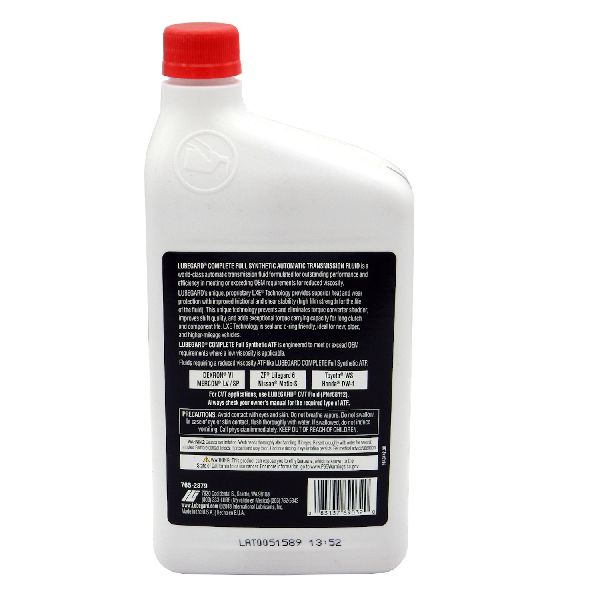
(OEM #00289-ATFWS)— A fluid drain and fill is required to replace the solenoid. Using the correct fluid type is critical for transmission health. A typical drain and fill requires 3-4 quarts.
Trusted brands: Toyota (OEM), Idemitsu TLS-LV, Valvoline MaxLife ATF
OEM price range: $12-$18 per quart
Aftermarket price range: $8-$12 per quart - Transmission Pan Gasket
(OEM #35168-60010)— The pan must be removed to access the solenoid, and the gasket should always be replaced to prevent leaks. An aftermarket fiber gasket is a common alternative to the OEM rubber-coated steel gasket.
Trusted brands: Toyota (OEM), Fel-Pro, Filtran
OEM price range: $25-$40
Aftermarket price range: $15-$25 - Transmission Filter (Strainer)
(OEM #35330-60050)— It is best practice to replace the filter anytime the transmission pan is removed. This part is often sold as a kit with the pan gasket.
Related Codes That Often Appear With This One
- P0773 — P0773 is the electrical fault code for the same solenoid ('Shift Solenoid E Electrical'). If you have a wiring problem or a complete electrical failure of the solenoid coil, you might see P0773 alongside or instead of P0771.
- P2757 — This code relates to the Torque Converter Clutch Pressure Control Solenoid. A user on ClubLexus reported seeing this alongside P0771, indicating a potential broader hydraulic control issue, possibly stemming from old fluid or a failing valve body.
Technical Service Bulletins (TSBs) & Recalls
- While not a Toyota TSB, aftermarket company TransGo produces a shift kit (SK A750-WTA) that specifically lists P0771 as one of the codes it addresses by repairing wear in the valve body bores, which can be a root cause if the solenoid itself is not faulty.
Platform-Specific Known Issues
- A user on Reddit with a 2003 V8 4Runner experienced the classic P0771 symptoms: no 5th gear, 3k RPM at 70mph, and a jerk when shifting into Drive. This is a textbook example of the issue.
- On a ClubLexus forum thread, a 2005 GX470 owner (a 4Runner platform-mate) with 240k miles had P0771 and no 5th gear. The previous owner had driven it 10k miles in this condition. The new owner performed a fluid/filter change which did not solve the issue, pointing towards a likely solenoid or wiring harness failure.
- One Reddit user noted that after getting this code on their 2005 model, they continued driving until a hard jolt occurred and new codes indicated a clutch failure, leading to a $5,000 transmission replacement. This serves as a cautionary tale against ignoring the P0771 code for too long.
Mechanic-Grade Diagnostic Values
- Shift Solenoid 'E' (SR) Coil Resistance — expected: 11 to 15 Ω at 20°C (68°F). Failure: A reading outside this range indicates a faulty solenoid coil.
- Wiring Harness Resistance from ECM Connector to Body Ground — expected: 11 to 15 Ω at 20°C (68°F). Failure: A reading outside this range points to a problem in the wiring between the ECM and the transmission, assuming the solenoid itself tests good.
Scan Tool Commands That Help
- Toyota Techstream: Active Test: 'Shift' — This function allows a technician to command specific gear shifts (e.g., 4th to 5th) while driving at low speeds (<31 mph) to see if the transmission responds. It helps confirm if the fault is active by comparing the commanded gear to the actual gear reported by the sensors, isolating the issue to the hydraulic/mechanical side without first dropping the pan.
Wiring & Ground Locations
- ECM Connector B2, Pin 9 (SR) — This connector is one of several attached to the Engine Control Module (ECM) in the engine bay.. This is the specific pin on the ECM that sends the signal to the Shift Solenoid 'E' (SR). A technician can test for resistance to ground from this pin to verify the integrity of the entire circuit (wiring and solenoid coil) from the computer's perspective.
- Transmission Wire Connector, Pin 7 (SR) — This is the main electrical connector on the exterior of the A750F transmission case.. Testing for resistance to ground at this pin isolates the internal transmission wiring and the solenoid itself from the main vehicle harness. This helps determine if a fault is inside or outside the transmission.
Real Owner Repair Stories
- Reddit user in /r/4Runner (2003 Toyota 4Runner V8 Sport Edition) — Check engine light with P0771, jerks forward when shifting into Drive, will not shift into 5th gear, engine RPM at 3,000 at 70 MPH.
❌ Tried (didn't work) The user was seeking advice before attempting repairs.
✅ What actually fixed it The user did not post a final fix, but the symptoms described are the classic presentation for this code on this vehicle, with the most common fixes being a fluid/filter change or solenoid replacement.
Model Year Variations Within This Range
- 2003-2009: The A750F transmission was used consistently in the 4.7L V8 4Runner throughout this generation. While the 2UZ-FE engine received VVT-i in 2005, this did not fundamentally change the transmission hardware or the common causes for code P0771. The diagnosis and repair procedures remain the same across all model years in this range.
Diagnostic Flowchart
Used vs. New Parts: Buying Guide for This Vehicle
When a used part is the smart pick: For a single solenoid replacement, a used OEM (Aisin) solenoid from a low-mileage donor vehicle is a reasonable cost-saving measure. Complete used valve bodies can also be a viable option if multiple solenoids or the valve body itself is suspected, as they are often cheaper than buying several new solenoids.
Donor-vehicle mileage cap: roughly under 80000 miles for the part to have meaningful remaining life.
What to inspect on the donor part:
- Verify the donor vehicle's mileage. Lower is always better.
- Ask for photos of the transmission pan interior from the donor vehicle, if possible. Look for clean fluid and minimal sludge on the magnets.
- Ensure the part comes from a vehicle that was running and driving, not one junked for transmission failure.
- When buying a used solenoid, test its resistance with a multimeter before installation to confirm it is within the 11-15 ohm specification.
OEM-only on this vehicle (don't cheap out):
- While not strictly 'OEM-only', using an OEM (Toyota/Aisin) or a reputable OEM-supplier like Rostra for the shift solenoid is highly recommended over no-name online parts to ensure correct electrical specs and longevity.
Aftermarket brands forum-validated for this vehicle:
- Fluid: Valvoline MaxLife ATF is widely cited by owners as a reliable and more affordable alternative to Toyota WS fluid.
- Solenoids: Aisin (the OEM manufacturer), Rostra.
- Valve Body Repair: TransGo makes well-regarded kits (SK A750-WTA) for addressing wear in the valve body itself.
Brands owners have reported issues with on this vehicle:
- Avoid unbranded, generic shift solenoids from online marketplaces, as their quality control and adherence to Toyota's specific resistance and flow characteristics can be poor, leading to a repeat failure.
Real Owner Stories
Aggregated from forums and TSBs cited above. Mileages and costs reflect what owners reported in those sources.
2005 Toyota 4Runner 4.7L V8
Symptoms: Vehicle displayed a P0771 code. Owner continued to drive it until a hard jolt occurred, followed by new codes indicating a clutch failure.
What fixed it: Full transmission replacement.
Cost: $5000-$5000
Source hint: Reddit r/4Runner & r/MechanicAdvice: A thread from 2023 titled 'P0771 Transmission code'
2005 Lexus GX470 4.7L V8 — 240000 miles
Symptoms: P0771 code and no 5th gear. The previous owner had driven the vehicle for 10,000 miles with this condition.
What fixed it: A fluid and filter change did not solve the issue, leading the owner to suspect a deeper problem like a failed solenoid or wiring harness. The final fix was not detailed in the source.
Source hint: ClubLexus: A 2024 thread titled 'Transmission wont shift into 5th'
2003 Toyota 4Runner 4.7L V8
Symptoms: Textbook symptoms including no 5th gear, engine RPM at 3,000 at 70 MPH, and a harsh jerk when shifting from Park into Drive.
What fixed it: The source described the symptoms but did not state the final repair that resolved the code.
Source hint: Reddit r/4Runner & r/MechanicAdvice: A thread from 2023 titled 'P0771 Transmission code'
Related OBD-II Codes
Frequently Asked Questions
My 2004 4Runner doesn't have a transmission dipstick. How do I check the fluid level for a P0771 code?
I was told the transmission fluid in my 4.7L V8 is 'lifetime'. Do I really need to change it to fix P0771?
What specific transmission fluid should I use in my 2003-2009 4Runner to address this code?
How can I test Shift Solenoid 'E' (SR) myself before buying a new one?
I have a Lexus GX470 with P0771, not a 4Runner. Is this information still relevant?
Is it safe to keep driving my 4Runner with the P0771 code and no 5th gear?
Is there a Toyota TSB that addresses P0771 on this vehicle?
Helpful Videos
Used OEM Parts in Stock

New Aftermarket Parts Available


The information in this article is provided for general reference and educational purposes only. Vehicle specifications, procedures, and part compatibility can vary by production date, trim level, and region. Always consult your vehicle's factory service manual and verify part numbers before purchasing or performing repairs. Safety-critical components such as airbags, seat belts, and braking systems should be installed by a qualified professional.
- Toyota 4Runner:
- 🎬 Helpful Videos
- 🛍️ Shop This Part
- What's Unique About the 2003-2009 Toyota 4Runner
- Symptoms You May Notice
- Most Likely Causes
- Rare But Worth Checking
- Diagnosis Steps
- Parts You'll Likely Need
- Related Codes That Often Appear With This One
- Technical Service Bulletins (TSBs) & Recalls
- Platform-Specific Known Issues
- Mechanic-Grade Diagnostic Values
- Scan Tool Commands That Help
- Wiring & Ground Locations
- Real Owner Repair Stories
- Model Year Variations Within This Range
- Diagnostic Flowchart
- Used vs. New Parts: Buying Guide for This Vehicle
- Real Owner Stories
- 2005 Toyota 4Runner 4.7L V8
- 2005 Lexus GX470 4.7L V8 — 240000 miles
- 2003 Toyota 4Runner 4.7L V8
- Related OBD-II Codes
- Frequently Asked Questions
- 🎟️ Get 5% Off