

P0762 on 2020-2023 Ford Transit: Shift Solenoid 'C' Stuck On Causes and Fixes
P0762 on a 2020-2023 Ford Transit often points to a serious internal issue with the 10R80 transmission, not just a simple solenoid failure. The most probable cause is a faulty CDF clutch drum, a known issue covered by Ford's technical service bulletins. A sleeve inside the drum walks out of position, causing hydraulic leaks that trigger the code. This is a complex repair requiring professional service, with costs potentially reaching several thousand dollars.
- P0762 on a 2020-2023 Transit is a serious code that strongly points to a known internal transmission defect, not just a bad sensor.
- The most likely culprit is a failed CDF clutch drum, a problem Ford has acknowledged in multiple Technical Service Bulletins (TSBs).
- Do not simply replace the 'C' solenoid. A full diagnosis, likely including hydraulic pressure testing, is required to find the true cause.
- This is not a DIY-friendly repair. It requires transmission removal and disassembly by a qualified professional.
- When speaking with a repair shop, mention TSB 24-2254 to guide them toward the correct diagnosis.
What's Unique About the 2020-2023 Ford TRANSIT

For the 2020-2023 Ford Transit with the 10R80 10-speed automatic transmission, P0762 is rarely an isolated solenoid issue. It is frequently linked to a well-documented design flaw. Multiple Ford Technical Service Bulletins (TSBs), such as TSB 24-2254 and TSB 26-2046, confirm this code often points to a failing CDF (Clutch 'D' and 'F') clutch drum. A bushing/sleeve inside the drum can move axially (walk out), partially blocking critical oil passages. This movement causes internal hydraulic leaks, which triggers a host of solenoid performance codes (including P0762) and leads to severe shifting problems. The updated fix involves a redesigned drum with a machined lip or snap ring groove to prevent the sleeve from moving.
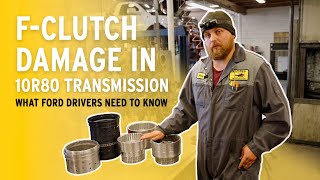
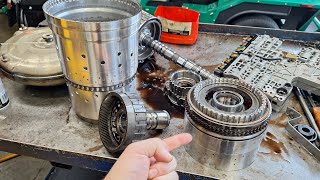
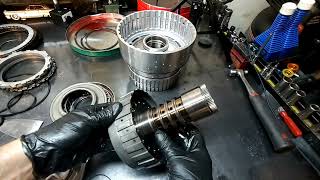
🎬 Watch: Visual guide to the 10R80 CDF drum failureDiagnostic Flowchart

Tap your situation to follow the diagnostic path that matches what you're seeing on this vehicle.
Symptoms You May Notice

- Harsh, jerky, or delayed shifts, particularly the 3-5 upshift.
- Transmission getting stuck in one gear (limp mode).
- Slipping during acceleration or feeling a loss of power.
- Illuminated Malfunction Indicator Lamp (MIL) or wrench light.
- Unusual whining or clunking noises from the transmission during shifts.
- Gears on the dash indicator display changing erratically.
- Complete loss of power from a stop, especially when cold.
- Replacing only Shift Solenoid 'C' without diagnosing the underlying hydraulic issue. On the 10R80, a single solenoid code is often a red herring for the more common CDF drum or valve body failure.
- Performing a transmission fluid flush without addressing the root cause. This may temporarily improve symptoms but will not fix the underlying mechanical failure and can lead to more severe damage.
Most Likely Causes

- CDF Clutch Drum Failure 🔴 High Probability A known design issue in the 10R80 transmission where a sleeve within the CDF drum can slide out of place, causing internal hydraulic leaks. Ford has issued multiple TSBs (e.g., 24-2254, 26-2046) for this exact problem across many vehicle lines.
How to confirm: This requires a professional diagnosis following the steps in Ford's TSBs, which involve specific hydraulic pressure tests to confirm leakage at the CDF clutch cylinder. The presence of multiple other shift solenoid codes strongly suggests this failure. Visual inspection after disassembly will show the sleeve has moved, exposing oil passages. 🎬 See a teardown showing the CDF drum bushing failure
Typical fix: Replacement of the CDF clutch cylinder with an updated part (like OEM part number JL3Z-7H351-B) that has a machined lip or snap ring to prevent the sleeve from moving. This is a major internal transmission repair often requiring a near-complete teardown.
Est. part cost: $250-$470 for the updated drum itself, but this is often part of a larger rebuild. - Main Valve Body Malfunction 🟡 Medium Probability The 10R80 transmission is also known for valve body issues, including sticking solenoids and internal cross-leaks that can cause erratic shifting and trigger solenoid codes. Some TSBs, like 23-2123, address these issues by overhauling the valve body.
How to confirm: A technician will use a scan tool to monitor solenoid commands vs. actual states and may perform pressure tests. Sometimes the valve body must be removed for inspection or testing on a specialized bench.
Typical fix: Replacement of the entire main valve body assembly, which includes the solenoids. In some cases, a software update (reflash) is attempted first as prescribed by some TSBs.
Est. part cost: $800-$1500 - Low or Contaminated Transmission Fluid ⚪ Low Probability This is almost always a symptom, not a cause. Debris from the failing CDF drum or other internal components contaminates the fluid, which can then cause secondary issues like sticking solenoids.
How to confirm: Check the transmission fluid level and condition. The fluid should be at the correct level, red in color, and not smell burnt. Black or burnt-smelling fluid with metal shavings indicates a severe internal failure, very likely the CDF drum.
Typical fix: Perform a transmission fluid and filter change. However, if the fluid is badly contaminated, this is a symptom of a larger problem (like the CDF drum failure) and a fluid change alone will not be a permanent fix.
Est. part cost: $150-$300 for fluid and filter service. - Faulty Shift Solenoid 'C' ⚪ Low Probability While the code directly names the solenoid, on this platform it's more often a symptom of a hydraulic leak (from the CDF drum) or a contaminated valve body rather than the root cause.
How to confirm: A technician can test the solenoid's electrical circuit for continuity and resistance against manufacturer specifications. A bi-directional scan tool can also be used to command the solenoid on and off to check its response.
Typical fix: Replace the individual shift solenoid. This is located inside the transmission oil pan, attached to the valve body.
Est. part cost: $50-$150
Rare But Worth Checking
- Wiring Harness Issue: A short to power in the wiring harness can keep the solenoid energized. This is less common than internal mechanical faults but should be checked before condemning the transmission.
- Transmission Control Module (TCM) Failure: In very rare cases, the TCM itself can fail, sending a constant 'on' signal to the solenoid. This is unlikely and should be the last item to be considered after all other possibilities are ruled out.
Diagnosis Steps
- Check and verify the transmission fluid level and condition. Note any burnt smell or metallic debris, which points to internal damage.
- Use a professional scan tool to check for other pending or stored transmission codes. A long list of solenoid and gear ratio codes strongly points towards the systemic CDF drum issue.
- Inspect the transmission wiring harness and connectors for any visible damage, corrosion, or loose connections.
- Follow the diagnostic procedure outlined in Ford TSB 24-2254 or a superseding bulletin. This involves specific hydraulic pressure tests using specialized equipment (like the VCMM and pressure transducers) to confirm leakage at the CDF clutch cylinder.
- If hydraulic tests fail, the transmission must be removed and disassembled to replace the CDF clutch drum with the updated part.
- If hydraulic tests pass, further electrical testing of the solenoid circuit and valve body is required to isolate a faulty solenoid, wiring, or valve body issue.
Parts You'll Likely Need
- CDF Clutch Drum / Cylinder
(OEM #JL3Z-7H351-B (supersedes HL3Z-7H351-A and JL3Z-7H351-A))— This is the most common point of failure on the 10R80 transmission leading to code P0762, as documented in multiple Ford TSBs. The replacement part is redesigned to prevent the internal sleeve from walking.
Trusted brands: Motorcraft
OEM price range: $250-$470
Aftermarket price range: $200-$350 - Transmission Valve Body — The second most likely cause, responsible for directing hydraulic pressure. Failures can cause a wide range of shifting issues.
Trusted brands: Motorcraft
OEM price range: $1000-$1500
Aftermarket price range: $800-$1200 - Transmission Filter and Gasket Kit
(OEM #LC3Z-7G186-A (Filter))— Will be replaced during any internal transmission service.
Trusted brands: Motorcraft
OEM price range: $60-$90
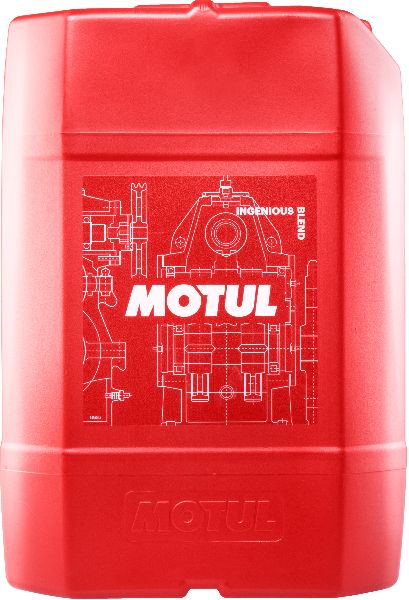
Aftermarket price range: $40-$70 - Motorcraft MERCON ULV Automatic Transmission Fluid
(OEM #XT-12-QULV)— The correct and only specified fluid must be used when refilling the 10R80 transmission after repairs. Using any other fluid type can cause damage.
Trusted brands: Motorcraft
OEM price range: $9-$15 per quart
Related Codes That Often Appear With This One
- P0751, P0756, P0761, P0766, P2700-P2708, etc. — These are all shift solenoid and clutch performance codes. Ford's TSBs list them together with P0762 as symptoms of the same underlying CDF clutch drum failure causing widespread hydraulic leaks.
- P0729, P0731, P0732, P0733, P0734, P0735 — These are incorrect gear ratio codes. They are also listed in the TSBs for the CDF drum failure, as the hydraulic leaks prevent clutches from engaging properly, leading to incorrect gear ratios being detected by the TCM.
Technical Service Bulletins (TSBs) & Recalls
- TSB 26-2046
- TSB 24-2254
- TSB 23-2250
- TSB 22-2428
Platform-Specific Known Issues
- Ford has issued multiple Technical Service Bulletins (TSBs), including TSB 24-2254 and TSB 26-2046, that directly address harsh/delayed shifts and a group of DTCs including P0762. The cause is identified as axial movement of the CDF clutch cylinder sleeve leading to hydraulic leaks.
- Owner forums for Ford vehicles with the 10R80 transmission are filled with discussions about this specific failure. A common owner experience on forums like F150forum.com and Mustang6G.com involves a cluster of solenoid and gear ratio codes, ultimately leading to the replacement of the CDF drum with the updated part.
Mechanic-Grade Diagnostic Values
- Shift Solenoid Resistance — expected: 22 - 40 Ohms. Failure: A reading outside of this range, particularly a very low reading (short) or infinite reading (open), indicates a failed solenoid coil.
- Line Pressure Control (LPC) Solenoid Current — expected: Low current (approx. 50 mA) results in high pressure; high current (approx. 850 mA) results in low pressure.. Failure: Current readings that do not correspond to commanded pressure changes can indicate a solenoid or wiring issue.
- Torque Converter Clutch (TCC) Solenoid Current — expected: Low current (approx. 50 mA) results in low pressure; high current (approx. 850 mA) results in high pressure.. Failure: Current readings that do not align with commanded TCC lockup status point to a potential fault.
Scan Tool Commands That Help
- Ford IDS (Integrated Diagnostic Software): Adaptive Learning Drive Cycle — This function must be performed after replacing the CDF drum or valve body to allow the TCM to relearn shift pressures and clutch fill times with the new hardware. Failure to do so will result in continued harsh or erratic shifting.
- Ford IDS (Integrated Diagnostic Software): Solenoid Strategy Programming — Required when replacing the valve body, transmission assembly, or the TCM/PCM. The new component's strategy number must be programmed into the control module for proper operation.
Wiring & Ground Locations
- C175T — The main 34-pin electrical connector on the transmission case, connecting the internal transmission harness and solenoids to the main vehicle harness and TCM.. This is the primary connector to inspect for pin corrosion, damage, or poor connection when diagnosing any electrical fault related to the transmission, including solenoid codes like P0762.
- Various Ground Points (G-series) — Ford Transits have multiple designated chassis ground points, such as behind the rear light clusters, in the D-pillar, and near the passenger-side kick panel (G203 in some models).. The TCM and solenoid circuits rely on a solid ground connection. A corroded or loose ground point can cause erratic voltage and unpredictable behavior from the solenoids, potentially triggering performance codes.
Real Owner Repair Stories
- F150forum.com user reports (compilation) (2018-2021 Ford F-150 with 10R80 Transmission (same platform as Transit)) — Sudden harsh shifting, particularly 3-5 upshift; clunking into gear; multiple solenoid and gear ratio codes appearing at once.
❌ Tried (didn't work) Clearing codes (they returned immediately)., Performing a transmission fluid change (no improvement)., Resetting adaptive learning tables via FORScan (temporary improvement for a few days before symptoms returned).
✅ What actually fixed it Replacement of the CDF clutch drum with the updated Ford part (JL3Z-7H351-B). In many cases, the main valve body was also replaced as a preventative measure or as required by the TSB. This is a complete transmission teardown and rebuild procedure.
OEM Part Supersession History
HL3Z-7H351-A, JL3Z-7H351-A→JL3Z-7H351-B— The original CDF clutch drum designs allowed an internal bushing/sleeve to 'walk' out of position, blocking hydraulic passages. The updated JL3Z-7H351-B part features a machined lip or retainer that physically prevents the sleeve from moving, providing a permanent fix.
Helpful Videos
Used OEM Parts in Stock

New Aftermarket Parts Available


The information in this article is provided for general reference and educational purposes only. Vehicle specifications, procedures, and part compatibility can vary by production date, trim level, and region. Always consult your vehicle's factory service manual and verify part numbers before purchasing or performing repairs. Safety-critical components such as airbags, seat belts, and braking systems should be installed by a qualified professional.
- Ford TRANSIT:
- 🎬 Helpful Videos
- 🛍️ Shop This Part
- What's Unique About the 2020-2023 Ford TRANSIT
- Diagnostic Flowchart
- Symptoms You May Notice
- Most Likely Causes
- Rare But Worth Checking
- Diagnosis Steps
- Parts You'll Likely Need
- Related Codes That Often Appear With This One
- Technical Service Bulletins (TSBs) & Recalls
- Platform-Specific Known Issues
- Mechanic-Grade Diagnostic Values
- Scan Tool Commands That Help
- Wiring & Ground Locations
- Real Owner Repair Stories
- OEM Part Supersession History
- 🎟️ Get 5% Off