

P0743 on 2011-2015 Kia Sorento: TCC Solenoid Causes and Fixes
This code indicates an electrical fault in the torque converter clutch (TCC) solenoid circuit. On the 2011-2015 Sorento with the A6MF1/A6MF2 6-speed transmission, the most common fix is replacing the faulty TCC solenoid inside the transmission, a repair that is specifically recommended by Kia Technical Service Bulletin TSBTRA051R1. Do not replace the entire transmission. Wiring harness corrosion at the main connector is also a frequent cause.
- P0743 on a 2011-2015 Sorento points to an electrical issue with the TCC solenoid circuit.
- The most likely cause is a failed TCC solenoid inside the transmission.
- Kia has a TSB (TSBTRA051R1) that advises replacing the solenoid, not the whole transmission.
- Before replacing the solenoid, inspect the main transmission wiring connector for corrosion, as this is another common cause.
- This repair requires dropping the transmission pan and should be done by a confident DIYer or a professional.
What's Unique About the 2011-2015 Kia SORENTO

For this generation of Kia Sorento with the 6-speed automatic transmission (model A6MF1/A6MF2), Kia has issued a Technical Service Bulletin (TSB) that directly addresses P0743, among other codes. The TSB explicitly advises technicians to replace the individual solenoids rather than the entire transaxle assembly, suggesting this is a known and common failure point. This is a significant directive that can save owners a substantial amount of money by avoiding an unnecessary and costly full transmission replacement. The procedure can even be performed with the transmission still in the vehicle.
🎬 See this walkthrough on how to replace the solenoids.Diagnostic Flowchart

Tap your situation to follow the diagnostic path that matches what you're seeing on this vehicle.
Symptoms You May Notice
- Check Engine Light is on
- Transmission may enter "limp mode" (stuck in one gear, often 3rd)
- Harsh or erratic shifting
- Engine stalling when coming to a stop
- Vehicle shudders or vibrates at low speeds (10-30 mph) as the TCC attempts to lock up
- Noticeable decrease in fuel economy (2-5 mpg)
- Higher than normal engine RPM at highway speeds
- Replacing the entire transmission assembly. Kia's TSB TSBTRA051R1 specifically warns against this, stating to replace the solenoids instead.
- Replacing the torque converter. While a faulty torque converter can cause performance issues, P0743 is an electrical circuit code, pointing to the solenoid, wiring, or controller, not the mechanical converter itself.
Most Likely Causes

- Failed Torque Converter Clutch (TCC) Solenoid 🔴 High Probability A known issue acknowledged by Kia's own Technical Service Bulletin (TSBTRA051R1), which recommends replacing the solenoid for this code on the A6MF1/2 transmission. These solenoids are a known wear item.
How to confirm: A mechanic can perform an actuation test with a capable scan tool. The solenoid's internal resistance can also be tested with a multimeter and compared to specifications. For the A6MF1 transmission, the TCC solenoid resistance should be around 5.1 ohms. A reading of infinite resistance (open) or near-zero (short) confirms failure. 🎬 Watch: How to test and clean A6MF1 transmission solenoids.
Typical fix: Replace the TCC solenoid. This involves dropping the transmission pan to access the valve body where the solenoid is located.
Est. part cost: $30-$100 - Damaged Wiring Harness or Corroded Connector 🟡 Medium Probability The main transmission harness connector is exposed to the elements, and corrosion can build up on the pins, causing an open or short circuit. This is a documented failure point in real-world repairs.
How to confirm: Visually inspect the main electrical connector at the transmission for any signs of green or white corrosion, moisture, or damaged pins. A real-world repair video showed a 2014 Sorento with this exact issue, where pins 5 and 10 in the main connector had lost continuity due to internal corrosion. 🎬 Watch: Real-world diagnosis of a corroded transmission harness connector. A continuity test from the TCM to the solenoid connector can also identify a break in the wire.
Typical fix: Clean the connector pins thoroughly with electrical contact cleaner. If corrosion is severe or the harness is damaged, the connector pigtail or the entire transmission wiring harness (both external and internal) may need to be replaced.
Est. part cost: $20-$350 - Low or Dirty Transmission Fluid ⚪ Low Probability While not a direct cause of an electrical code, extremely low or contaminated fluid can cause solenoids to malfunction, overheat, and may contribute to setting a fault by impeding valve movement.
How to confirm: Check the transmission fluid level and condition. The fluid should be at the correct level and be bright red, not brown, black, or smell burnt. Note that these Sorentos do not have a dipstick, so this must be checked via the fill/level plug on the side of the transmission case when the fluid is at operating temperature (122°F-140°F).
Typical fix: Perform a transmission fluid drain and fill using the correct Kia-specified fluid (SP-IV). If the fluid is very dirty, a full flush may be considered, though a simple drain/fill is often sufficient.
Est. part cost: $60-$150
Rare But Worth Checking
- Faulty Transmission Control Module (TCM) or Powertrain Control Module (PCM): This is a last resort. The TCM/PCM is the least likely component to fail. Kia's TSB TSBTRA051R1 advises replacing the PCM only if the DTC returns after both the solenoid and the wiring harness have been replaced, confirming it should be the final step in diagnosis.
- Internal Transmission Mechanical Problem: A blocked hydraulic passage or a fault within the valve body itself could prevent the solenoid from operating correctly, even if the solenoid and wiring are good. This is rare and would typically be accompanied by other transmission performance codes.
Diagnosis Steps

- Check for other DTCs. Multiple solenoid codes strongly suggest a wiring harness or power supply issue rather than multiple failed solenoids.
- Check the transmission fluid level and condition at the correct operating temperature (122°F-140°F).
- Visually inspect the main transmission wiring harness and connector for any signs of damage or corrosion. Pay close attention to the pins inside the connector.
- Using a professional scan tool, monitor the TCC solenoid command (duty cycle) and feedback voltage during a test drive to see if it's being commanded on and if the circuit responds.
- If the harness appears okay, drop the transmission pan to access the solenoids.
- Test the resistance of the TCC solenoid with a multimeter. It should be approximately 5.1 ohms for this transmission. An open circuit (infinite resistance) or short circuit (near-zero resistance) indicates a failed solenoid.
- If the solenoid tests good, perform a continuity check on the internal and external wiring harness between the TCM/PCM and the solenoid connector to find any breaks or shorts.
- If the solenoid and harness are confirmed to be good, the problem may lie with the PCM, which is the last component to consider replacing.
Parts You'll Likely Need
- Torque Converter Clutch (TCC) Solenoid
(OEM #46313-3B673 (or cross-references 46313-3B671, 46313-3B675))— This is the most common cause of P0743 on this vehicle, as identified by a manufacturer TSB. It is a PWM solenoid for the TCC and 2-6 Brake.
Trusted brands: Kia (OEM), Rostra, Sussex Autos
OEM price range: $70-$120
Aftermarket price range: $30-$70 - Transmission Oil Pan Gasket
(OEM #45285-3B720 (for plastic pan))— Required when removing the transmission pan to access the solenoids. Sorentos of this era may have a steel or plastic pan; steel pans use RTV gasket maker (Kia P/N UM010 CH046), while plastic pans use a reusable gasket that should be replaced if damaged.
Trusted brands: Fel-Pro, Mahle, Kia (OEM)
OEM price range: $20-$40
Aftermarket price range: $10-$25 - Kia SP-IV Automatic Transmission Fluid
(OEM #UM090-CH042 (or equivalent SP-IV spec fluid))— You will lose several quarts of fluid when dropping the pan. It's critical to refill with the correct OEM-specified fluid to ensure proper transmission function.
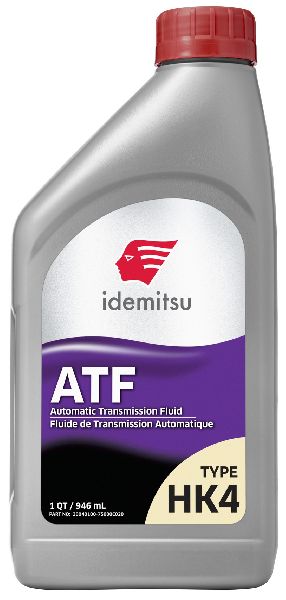
Trusted brands: Kia (OEM), Idemitsu TLS-LV, Valvoline MaxLife ATF
OEM price range: $15-$25 per quart
Aftermarket price range: $8-$15 per quart - Transmission Internal Wiring Harness — If the solenoid tests good, the internal harness that connects the solenoids to the main case connector can fail. It is often replaced along with the solenoids as a preventative measure.
Trusted brands: Kia (OEM)
OEM price range: $100-$180
Aftermarket price range: $60-$120
Related Codes That Often Appear With This One
- P0741 — P0741 indicates a performance issue (stuck off) with the TCC, while P0743 is an electrical fault. They often appear together because an electrical failure (P0743) directly causes a performance problem (P0741). Both are mentioned in the same TSB.
- P0748, P0753, P0758, P0763, etc. — These are all electrical fault codes for other solenoids in the same A6MF1 6-speed transmission. The TSB groups them together, suggesting a common failure pattern for the solenoids or a potential problem with their shared wiring harness or power supply.
Technical Service Bulletins (TSBs) & Recalls
- TSBTRA051R1: Recommends the replacement of various shift solenoids, including the one related to P0743, on 6-speed automatic transaxles instead of replacing the entire unit. It outlines the diagnostic procedure: replace solenoid first, then harness if code returns, then PCM as a final step.
Platform-Specific Known Issues
- TSB for Solenoid Replacement: A Technical Service Bulletin (TSBTRA051R1) was issued by Kia for multiple transmission solenoid codes, including P0743, on vehicles with 6-speed automatic transmissions (A6MF1/A6MF2). The bulletin explicitly states to replace the solenoids and not the entire transaxle, and confirms the repair can be done with the transmission in the vehicle.
- External Harness Connector Corrosion: There are documented cases of the main external transmission harness connector developing internal corrosion, leading to open circuits for the solenoid pins. This can mimic a failed solenoid and should be inspected thoroughly before dropping the transmission pan.
Mechanic-Grade Diagnostic Values
- TCC Solenoid (PWM type) Internal Resistance — expected: 5.1 Ω. Failure: A reading of infinite ohms (open) or near-zero ohms (short).
- TCC Solenoid Operating Current — expected: 0.05 A (unlocked) to 0.75 A (locked). Failure: Current readings outside this range during commanded operation indicate a fault in the solenoid or driver circuit.
- Solenoid Supply Voltage at Transmission Connector — expected: Approximately battery voltage (12.6V key on, ~14V engine running). Failure: Significantly lower voltage indicates a problem in the power supply wiring from the TCM/PCM.
- On/Off Shift Solenoid (SSA/SSB) Internal Resistance — expected: 10-11 Ω. Failure: While not the direct cause of P0743, knowing this value helps differentiate solenoids during testing. A fault here would set other codes.
Scan Tool Commands That Help
- Kia GDS (or advanced aftermarket scanner): TCC Solenoid Activation Test / Actuation Test — Use this bidirectional command to manually energize the TCC solenoid while the vehicle is stationary. A technician can listen for a click from the solenoid and monitor circuit voltage to confirm if the solenoid is responding to TCM commands. This helps isolate a faulty solenoid from a wiring or TCM driver issue.
- Kia GDS: Resetting Auto Trans Adaptive Values — This function should be performed after replacing transmission components like solenoids or the valve body. It clears the learned shift adaptations from the TCM, allowing it to relearn the characteristics of the new parts for optimal shift quality.
- Kia KDS: ECU Upgrade — Check for available TCM software updates, especially if no physical fault can be found. Manufacturers sometimes release updates to correct logic errors that could falsely trigger DTCs or improve transmission performance.
Wiring & Ground Locations
- Main Transmission Harness Connector — The large, round electrical connector on the exterior of the transmission case.. This is a primary failure point. Internal corrosion can cause an open or short on the TCC solenoid circuit. Specifically, pins 5 and 10 have been documented as losing continuity on a 2014 Sorento, causing P0743. Pin 10 is the power supply for the TCC solenoid.
Real Owner Repair Stories
- Daniels Customs YouTube Channel (2014 Kia Sorento) — Check Engine Light with codes P0743 and P2709.
❌ Tried (didn't work) The mechanic first tested the resistance of the solenoids on the valve body and confirmed they were good (reading 5 ohms, which is within spec).
✅ What actually fixed it The mechanic found severe corrosion inside the main transmission wiring harness connector. Specifically, pins 5 and 10 had failed and lost continuity. The final fix was to replace both the external transmission-to-computer wiring harness and the internal transmission harness.
"I Checked Everything" — The Actual Cause
- A common diagnostic path is to test the TCC solenoid's resistance with a multimeter. In a documented case on a 2014 Sorento, the solenoid tested good at 5 ohms, which would normally lead a technician to look elsewhere. However, the actual cause was hidden corrosion on pins 5 and 10 inside the main transmission connector, which was only found by performing a point-to-point continuity test on the harness itself. This highlights that even if the component tests good, the wiring path must be verified.
OEM Part Supersession History
46313-3B671→46313-3B673— Part revision or manufacturer change.46313-3B672→46313-3B675— Part revision or manufacturer change. This part is also listed for the TCC / 2-6 Brake function in the A6MF1.
Heads up: While both 46313-3B673 and 46313-3B675 are associated with the TCC function, it is critical to verify the correct part number for the specific vehicle VIN and production date.
Model Year Variations Within This Range
- 2013-2015: On 2013 and later models with the A6-series transmission, the Transmission Fluid Temperature (TFT) sensor is integrated into the internal wiring harness. On 2011-2012 models, the TFT sensor is a separate, stand-alone component. This is significant because a failure of the internal harness on a 2013+ Sorento could potentially set other temperature-related codes and requires replacing the entire harness, not just a single sensor.
Helpful Videos


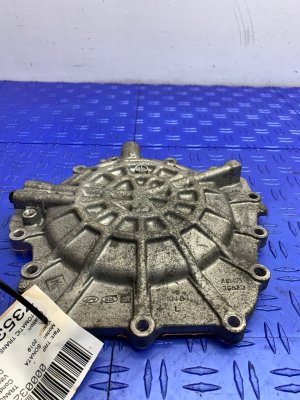
Used OEM Parts in Stock

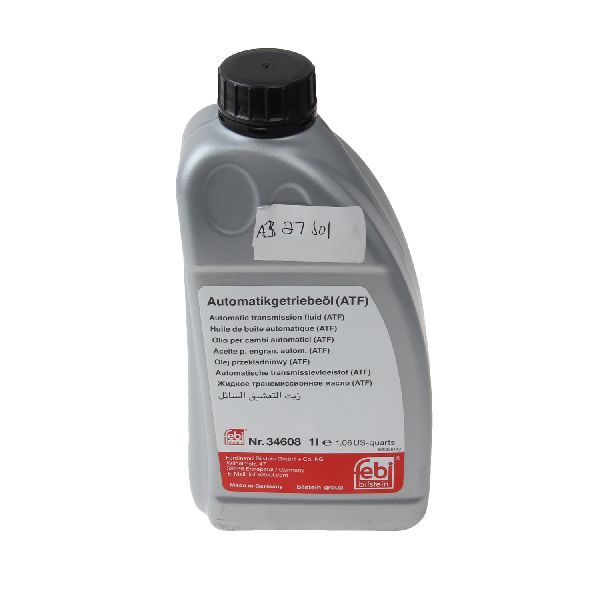
New Aftermarket Parts Available





The information in this article is provided for general reference and educational purposes only. Vehicle specifications, procedures, and part compatibility can vary by production date, trim level, and region. Always consult your vehicle's factory service manual and verify part numbers before purchasing or performing repairs. Safety-critical components such as airbags, seat belts, and braking systems should be installed by a qualified professional.
- Kia SORENTO:
- 🎬 Helpful Videos
- 🛍️ Shop This Part
- What's Unique About the 2011-2015 Kia SORENTO
- Diagnostic Flowchart
- Symptoms You May Notice
- Most Likely Causes
- Rare But Worth Checking
- Diagnosis Steps
- Parts You'll Likely Need
- Related Codes That Often Appear With This One
- Technical Service Bulletins (TSBs) & Recalls
- Platform-Specific Known Issues
- Mechanic-Grade Diagnostic Values
- Scan Tool Commands That Help
- Wiring & Ground Locations
- Real Owner Repair Stories
- "I Checked Everything" — The Actual Cause
- OEM Part Supersession History
- Model Year Variations Within This Range
- 🎟️ Get 5% Off