

P0741 on 2014-2018 Mazda 3: Torque Converter Clutch Causes and Fixes
On a 2014-2018 Mazda 3, code P0741 typically points to a problem with the torque converter clutch system, often starting with low or degraded transmission fluid. If the fluid is healthy, the next most likely cause is a faulty torque converter clutch (TCC) solenoid or related valve body issue. In many cases, this code indicates a mechanical or hydraulic failure rather than a simple electrical one, sometimes necessitating a transmission replacement as per Mazda's own diagnostic procedures for this
- P0741 means your transmission's torque converter clutch is failing to lock up, which hurts fuel economy and can cause damage.
- The first and cheapest step in diagnosis is to check the transmission fluid. It should be at the correct level, clean, and bright red.
- The most common part to fail is the TCC solenoid, which is located inside the transmission and requires professional service to replace.
- Driving for an extended period with this code is not recommended as it can lead to transmission overheating and a much more expensive torque converter replacement.
- The 2014-2018 Mazda 3 has a reliable transmission, so this code is not usually a sign of a major systemic flaw.
What's Unique About the 2014-2018 Mazda 3
The 2014-2018 Mazda 3 uses the generally reliable SkyActiv-Drive 6-speed automatic transmission (model FW6A-EL). This transmission was designed in-house by Mazda and features an advanced, multi-disc torque converter with a wider and more aggressive lock-up range to maximize fuel economy, engaging at speeds as low as 7 mph. While robust, the primary failure point leading to P0741 is often wear products from the torque converter clutch contaminating the valve body and solenoids, causing them to stick. Early versions of this transmission had some issues, but widespread P0741 failures are not a common theme in owner forums for this specific generation. However, when the code does appear, Mazda's own service literature is notably aggressive, often recommending a full transaxle replacement rather than component-level repair.
Symptoms You May Notice
- Check Engine Light is on
- Engine RPM is higher than usual at highway speeds
- Noticeable decrease in fuel economy
- Vehicle may shudder or vibrate, especially during light acceleration at cruising speeds
- Transmission may feel like it's slipping
- Car may stall when coming to a stop after high-speed driving
- Harsh or delayed shifts
- Transmission overheating
- Immediately replacing the torque converter without checking fluid and solenoids. While the converter may be the ultimate root cause, sometimes a fluid flush or solenoid replacement can restore function, at least temporarily.
- Replacing just the TCC solenoid when the transmission fluid is heavily contaminated with metal. If there's significant debris, the new solenoid will likely fail again quickly, and the root cause (e.g., a failing torque converter) has not been addressed.
Most Likely Causes
- Low, Dirty, or Incorrect Transmission Fluid 🔴 High Probability All automatic transmissions rely on clean fluid at the correct level for hydraulic pressure. The SkyActiv-Drive transmission is particularly sensitive and requires a specific low-viscosity fluid, Mazda ATF-FZ (blue in color). Using any other fluid can cause performance issues and damage. While Mazda calls this a "filled for life" fluid, wear particles from the TCC can contaminate it, leading to solenoid and valve body problems.
How to confirm: Check the transmission fluid level and condition. The fluid should be blue and translucent. If it is dark, brown, or smells burnt, it indicates degradation and potential internal wear. A technician can check the level using the dipstick bolt on the transmission case.
Typical fix: Perform a transmission fluid drain and fill, or a complete fluid exchange. Use only genuine Mazda ATF-FZ (Part No. 0000-FZ-113E-01). This is often the first step, but may not resolve the issue if internal components are already clogged or damaged.
Est. part cost: $60-$180 for 4-8 quarts of fluid - Faulty Torque Converter Clutch (TCC) Solenoid / Valve Body Issue 🟡 Medium Probability Solenoids are electro-mechanical valves that can fail electrically or, more commonly, become mechanically stuck from fluid contamination. In the FW6A-EL, clutch wear material can clog the intricate passages of the valve body or cause the TCC solenoid to stick, preventing lock-up. Mazda has issued TSBs for other codes (like P0780, P1738) on this transmission that require valve body replacement, indicating it's a known sensitive area.
How to confirm: A technician can use a scan tool to command the TCC solenoid on and off while monitoring transmission data. They can also perform a resistance test on the solenoid itself, which requires accessing the valve body inside the transmission pan. The TCC solenoid is a normally closed linear solenoid.
Typical fix: Replace the faulty TCC solenoid and/or the entire valve body assembly. This requires draining the fluid, removing the transmission oil pan, and is a labor-intensive job. However, for P0741 specifically, Mazda's official procedure often points to full transmission replacement.
Est. part cost: $100-$300 for a single solenoid, $1000+ for a valve body assembly - Worn or Failed Torque Converter ⚪ Low Probability The multi-disc clutch material inside the SkyActiv torque converter can wear out over time, especially with high mileage or severe use. This wear generates debris that contaminates the fluid and leads to other failures, like stuck solenoids. This is a primary mechanical failure that directly causes the P0741 slip condition.
How to confirm: This is usually diagnosed after all other possibilities (fluid, solenoid, wiring) have been ruled out. A large amount of metallic or clutch material debris in the transmission pan is a definitive sign of internal mechanical failure, pointing directly to the torque converter or other clutches.
Typical fix: The transmission must be removed from the vehicle to replace the torque converter. Given the integrated nature of failures (worn converter contaminates the whole system), this often leads to a full transmission rebuild or replacement.
Est. part cost: $300-$800 for the part, but labor is significant - Wiring or Connector Issue ⚪ Low Probability The wiring harness leading to the transmission can be damaged by road debris, heat, or corrosion at the main connector, interrupting the signal to the TCC solenoid. This is a general automotive issue, not specific to this platform.
How to confirm: Visually inspect the wiring harness and connectors for any signs of damage. A technician can perform a continuity test on the wires between the TCM and the transmission connector.
Typical fix: Repair the damaged section of the wiring harness or clean/replace the connector.
Est. part cost: $20-$150
Rare But Worth Checking
- Internal Valve Body Issue: The valve body contains a maze of passages and valves that direct fluid. A blockage from debris or a sticking valve can prevent the TCC from engaging, even with a good solenoid. Mazda's official diagnostic procedure for P0741 lists 'Control valve body malfunction' as a possible cause before recommending transaxle replacement.
- Faulty Transmission Control Module (TCM): It is very rare for the TCM, which is located inside the transmission on the FW6A-EL, to be the cause. This should only be considered after all other electrical and mechanical causes have been thoroughly ruled out.
Diagnosis Steps
- Verify the code with a quality OBD-II scanner and record freeze frame data.
- Check the transmission fluid level and condition. The fluid should be blue (Mazda ATF-FZ). If it is dark, burnt, or contains visible debris, suspect internal mechanical wear.
- Use an advanced scan tool to monitor live data. Observe Engine RPM, Transmission Input Speed RPM, and TCC Slip Speed while driving at a steady cruise (above 40 mph). Confirm that a slip of >200 RPM is present when the TCC is commanded ON.
- Per Mazda's official diagnostic procedure for DTC P0741 on the FW6A-EL, if the code is confirmed and no other related TSBs apply, the recommended action is to replace the entire automatic transaxle assembly.
- (Independent Repair Approach) If not following the dealer procedure, the next step is to inspect the wiring harness and connector to the transmission for damage or corrosion.
- Drop the transmission pan to inspect for debris. A fine gray clutch material is normal wear, but large metal shavings or chunks indicate a severe failure.
- With the pan off, access the valve body to test the TCC solenoid's resistance with a multimeter and check for free movement. Compare resistance to factory specifications. The On/Off solenoid should measure 11-14 ohms, while linear solenoids like the TCC solenoid should be around 5-7 ohms.
- If the solenoid and wiring test good, and there is no major debris in the pan, the issue is likely a worn torque converter clutch or a hydraulic leak within the valve body itself.
Parts You'll Likely Need
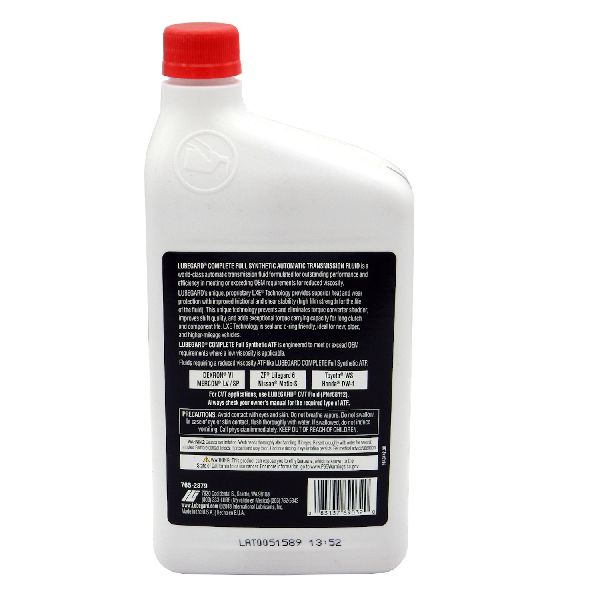
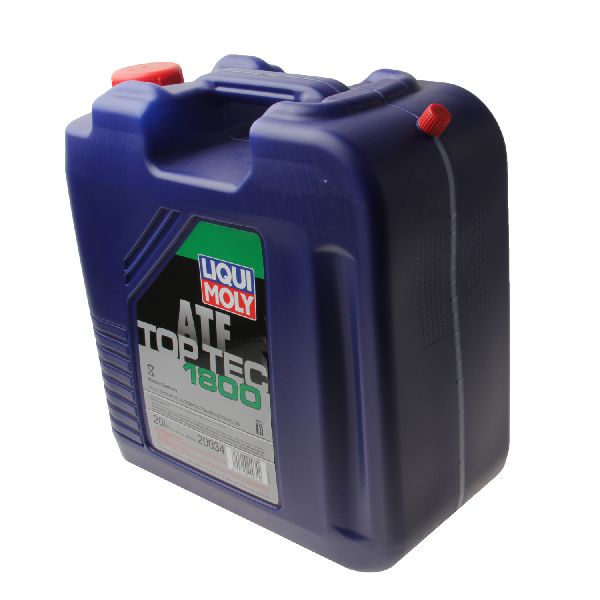
- Mazda FZ Automatic Transmission Fluid
(OEM #0000-FZ-113E-01)— Low or degraded fluid is a primary cause, and using the correct OEM fluid is critical for the health of Mazda's SkyActiv transmissions. This is the first and most important step in any diagnosis.
Trusted brands: Mazda OE
OEM price range: $15-$25 per quart - Torque Converter Clutch (TCC) Solenoid — This solenoid is a common failure point, often becoming stuck due to contaminated fluid. It directly controls the lock-up function, and its failure is a direct cause of P0741. It is a normally closed linear solenoid.
Technical Service Bulletins (TSBs) & Recalls
- While no TSB directly addresses P0741, TSB 05-005/13 (and later revisions) addresses other transmission codes like P0780/P1738 on early SkyActiv models by replacing the entire valve body assembly. This shows a history of the valve body being a point of failure on this transmission family.
- Service Information bulletin SSPB7 (and later revisions like SA-001-23) addresses the common 'ghost touch' issue on the infotainment screen, which is unrelated to P0741 but a very common problem for this vehicle.
Platform-Specific Known Issues
- While the 2014-2018 Mazda 3 is considered reliable, the official Mazda diagnostic procedure for P0741 on the FW6A-EL transmission is unusually aggressive, stating: 'Because the clutch in the automatic transaxle may be damaged, always replace the automatic transaxle even if a pending code (does not recur) has been detected.' This suggests that from the manufacturer's perspective, the code is a strong indicator of impending, non-repairable internal failure.
Mechanic-Grade Diagnostic Values
- TCC Solenoid Resistance (Normally Closed Linear Solenoid) — expected: 5-7 Ω. Failure: Reading outside of this range indicates a faulty solenoid coil.
- On/Off Solenoid Resistance — expected: 11-14 Ω. Failure: Reading outside of this range. This is for a different solenoid but provides a useful comparison value when testing components on the valve body.
- Live Data TCC Slip — expected: Near 0 RPM when TCC is commanded ON (locked). Failure: A slip of 200 RPM or more for over 5 seconds when lock-up is commanded ON.
Scan Tool Commands That Help
- Mazda M-MDS (or equivalent advanced scanner): Clear DTCs — Used after a repair attempt to clear the P0741 code from the TCM's memory. A specific drive cycle must then be performed to verify the fix.
- Mazda M-MDS (or equivalent advanced scanner): Freeze Frame Data / Snap Shot Data Record — This is the first diagnostic step recommended by Mazda to capture the exact vehicle conditions (speed, ATF temp, engine load, etc.) at the moment the P0741 code was triggered.
- Mazda M-MDS (or equivalent advanced scanner): DTC Inspection — Used after the drive cycle to confirm if the P0741 code has returned, indicating the repair was not successful.
Wiring & Ground Locations
- Transmission Harness Ground — There is a ground point on the harness located on top of the transmission, and two grounds on the front of the transmission case (one large, one small).. A poor ground connection for the transmission can cause erratic behavior of internal solenoids and sensors, potentially leading to performance codes like P0741 even if the components themselves are good.
- Main Chassis Ground (Passenger Side) — A primary ground point is located on the passenger-side fender brace, near the headlight.. This ground point is critical for several systems, including the ABS module. Since the TCM uses vehicle speed data from the ABS/DSC module to command TCC lockup, a fault at this ground can cause communication issues that may indirectly contribute to transmission problems.
OEM Part Supersession History
Unknown→0000-FZ-113E-01— Standard part number for Mazda ATF-FZ fluid.
Heads up: This is the required fluid for all 2014-2018 Mazda 3 SkyActiv automatic transmissions. Using other ATF types can cause damage.
Diagnostic Flowchart
Other Known Issues on This Vehicle
Issues unrelated to this code that are worth knowing about as an owner of this generation:
- Infotainment 'Ghost Touch' and Screen Delamination 🟠 Medium — Very common on 2014-2016 models. Caused by heat-induced failure of the touch digitizer. Symptoms include phantom screen presses and unresponsiveness. (Ref: Mazda Special Service Program (SSPB6), later TSB SA-001-23, extended the warranty and provided a repair kit (lens replacement).)
- Corroding Rear Brake Caliper Actuator Shaft 🟠 Medium — Common enough to warrant a safety recall. Water entry into the caliper boot causes the parking brake actuator shaft to rust and bind. (Ref: Recall 1217F (NHTSA #17V-393) was issued for 2014-2016 Mazda 3 models to inspect and replace the calipers or boots.)
- Carbon Buildup on Intake Valves 🟡 Low — An inherent issue for all SkyActiv-G (Gasoline Direct Injection) engines. Symptoms like rough idle or hesitation may appear after 100,000+ km. Generally less severe than on other GDI engines but can require walnut blasting for cleaning.
- Leaking Serpentine Belt Tensioner 🟡 Low — A commonly reported minor issue where the hydraulic tensioner leaks oil, visible on the front of the engine. Can cause a rattling noise.
- Failing Rearview Camera 🟡 Low — A recall was issued for a flickering or distorted rearview camera image due to a faulty wiring harness design. (Ref: Recall 6023G (NHTSA #23V-552) affects 2014-2018 models. The fix involves replacing the camera and installing a new wiring harness seal.)
Used vs. New Parts: Buying Guide for This Vehicle
When a used part is the smart pick: For a P0741 code, sourcing a complete, low-mileage used transmission assembly from a reputable salvage yard can be a cost-effective alternative to a new or remanufactured unit, especially given Mazda's official recommendation to replace the entire transaxle. Individual components like solenoids or valve bodies are less ideal to buy used due to the high risk of contamination from the donor vehicle.
Donor-vehicle mileage cap: roughly under 75000 miles for the part to have meaningful remaining life.
What to inspect on the donor part:
- Verify the donor vehicle's mileage and VIN to confirm compatibility.
- Ask for any available service history of the donor vehicle, specifically looking for transmission fluid changes.
- Inspect the transmission fluid from the donor unit if possible. It should be blue (ATF-FZ) and not dark brown, black, or smell burnt.
- Check for any external damage to the transmission case, connectors, and sensors.
- Ensure the torque converter is included and that its hub is not damaged.
OEM-only on this vehicle (don't cheap out):
- Automatic Transmission Fluid (ATF-FZ)
Aftermarket brands forum-validated for this vehicle:
- Exedy (for torque converters, as they are an OEM supplier to Mazda)
Brands owners have reported issues with on this vehicle:
- Unknown or unverified brands for valve bodies or solenoids, as calibration and quality control are critical for the FW6A-EL transmission.
Real Owner Stories
Aggregated from forums and TSBs cited above. Mileages and costs reflect what owners reported in those sources.
2014-2018 Mazda 3
Symptoms: The user was quoted for a fix involving solenoids, sensors, and a torque converter due to the P0741 code.
What fixed it: The source discusses a quote for solenoids, sensors, and torque converter replacement, though it highlights the complexity of the repair.
Cost: $2000-$3000
Source hint: Reddit r/MechanicAdvice thread titled 'need advice asap code p0741 transmission issue'
2014 Mazda 3 SkyActiv-G — ~80778 miles
Symptoms: Carbon buildup on intake valves (separate from P0741 but noted on the same platform).
What fixed it: Cleaning of intake valve deposits.
Source hint: https://bobistheoilguy.com/forums/threads/skyactiv-intake-valve-deposits-photos.327593/
Related OBD-II Codes
Frequently Asked Questions
Mazda says my transmission fluid is 'filled for life.' Do I really need to change it to fix P0741?
Does TSB 05-005/13 apply to my P0741 code?
My infotainment screen is acting up while I'm dealing with this transmission code; are they related?
Why is the dealer recommending a full transmission replacement for a P0741 code?
Can I use any low-viscosity ATF to top off my 2014-2018 Mazda 3?
Used OEM Parts in Stock

New Aftermarket Parts Available


The information in this article is provided for general reference and educational purposes only. Vehicle specifications, procedures, and part compatibility can vary by production date, trim level, and region. Always consult your vehicle's factory service manual and verify part numbers before purchasing or performing repairs. Safety-critical components such as airbags, seat belts, and braking systems should be installed by a qualified professional.
- Mazda 3:
- 🛍️ Shop This Part
- What's Unique About the 2014-2018 Mazda 3
- Symptoms You May Notice
- Most Likely Causes
- Rare But Worth Checking
- Diagnosis Steps
- Parts You'll Likely Need
- Technical Service Bulletins (TSBs) & Recalls
- Platform-Specific Known Issues
- Mechanic-Grade Diagnostic Values
- Scan Tool Commands That Help
- Wiring & Ground Locations
- OEM Part Supersession History
- Diagnostic Flowchart
- Other Known Issues on This Vehicle
- Used vs. New Parts: Buying Guide for This Vehicle
- Real Owner Stories
- 2014-2018 Mazda 3
- 2014 Mazda 3 SkyActiv-G — ~80778 miles
- Related OBD-II Codes
- Frequently Asked Questions
- 🎟️ Get 5% Off