

P0740 on 2013-2020 Chrysler 300: TCC Solenoid & Torque Converter Guide
On a 2013-2020 Chrysler 300, code P0740 typically indicates a problem with the torque converter clutch (TCC) solenoid or the torque converter itself. This is a complex repair requiring transmission work, with costs often ranging from $400 for a solenoid to over $1,500 for a torque converter replacement. It is critical to identify whether the vehicle has the 5-speed NAG1 or 8-speed ZF transmission, as parts are not interchangeable.
- P0740 on a Chrysler 300 indicates a fault in the torque converter clutch circuit, which is essential for fuel efficiency at highway speeds.
- The most common causes are a faulty TCC solenoid, low/dirty transmission fluid, or a failed torque converter.
- This is not a simple DIY fix. Diagnosis and repair involve accessing internal transmission components and should generally be left to a professional.
- Always verify your vehicle's specific transmission (5-speed or 8-speed) before ordering parts, as they are not interchangeable.
- Do not be misled by TSBs for other Chrysler models; information for FWD minivan transmissions (62TE) does not apply to the RWD/AWD 300.
What's Unique About the 2013-2020 Chrysler 300
The 2013-2020 Chrysler 300 used two main automatic transmissions: an older Mercedes-designed 5-speed (NAG1/W5A580) in some earlier models (primarily 2013-2014) and a more common ZF-designed 8-speed (845RE/8HP70) in most. Diagnosis for P0740 is similar for both but involves different specific parts and valve body layouts. It is critical to note that many Chrysler Technical Service Bulletins (TSBs), like the provided #9004009, refer to the 62TE transmission. This transmission is used in front-wheel-drive vehicles like the Town & Country minivan and does NOT apply to the rear-wheel-drive/all-wheel-drive Chrysler 300 platform. Information for the 62TE often incorrectly suggests the torque converter is the primary failure point, which may not be as common on the NAG1 or ZF units.
Diagnostic Flowchart
Tap your situation to follow the diagnostic path that matches what you're seeing on this vehicle.
Symptoms You May Notice
- Check Engine Light is on.
- Vehicle shudders or jerks at highway speeds, especially during light acceleration or when the TCC should engage (around 45-55 mph).
- Engine RPMs fluctuate or are higher than normal at a steady speed (e.g., 200-300 RPM higher).
- Reduced fuel economy.
- Engine may stall when coming to a stop if the TCC fails to disengage.
- Harsh or delayed shifting.
- Transmission may overheat, potentially causing a burning smell.
- A whining noise from the transmission area, which could indicate a failing torque converter or pump.
- Replacing the torque converter when the actual problem is a less expensive TCC solenoid or a simple wiring issue.
- Replacing the entire transmission when only the torque converter or a solenoid has failed.
- Applying TSBs for the 62TE transmission to a Chrysler 300, leading to an incorrect assumption that the torque converter is always the root cause.
Most Likely Causes
- Faulty Torque Converter Clutch (TCC) Solenoid 🔴 High Probability The TCC solenoid is an electronic component that operates in a high-temperature fluid environment and can fail electrically (open or shorted coil) or become clogged with debris over time. This is a common point of failure for both the NAG1 and ZF transmissions.
How to confirm: A technician can use a high-end scan tool to command the solenoid on and off while monitoring TCC slip RPM. The solenoid's electrical resistance can also be tested with a multimeter after removing the transmission pan and accessing the valve body. An immediate return of the code after clearing it (engine off) strongly suggests an electrical fault.
Typical fix: Replace the TCC solenoid. For the NAG1, this is a single solenoid on the valve body conductor plate. For the ZF 8-speed, the solenoids are part of a mechatronic unit and are often replaced as a set.
Est. part cost: $50-$150 - Failed Torque Converter 🟡 Medium Probability If the TCC solenoid is commanded on but the internal clutch inside the converter is worn out, it cannot lock up, triggering the code. This mechanical failure is more common on higher-mileage vehicles or those with a history of overheating.
How to confirm: This is typically diagnosed after confirming the TCC solenoid and its wiring are functioning correctly. If the circuit is good, but TCC slip is still present when commanded, the mechanical component (the converter) is the likely culprit. Excessive metal debris in the transmission pan is a strong indicator.
Typical fix: Replace the torque converter. This is a labor-intensive job that requires removing the transmission from the vehicle.
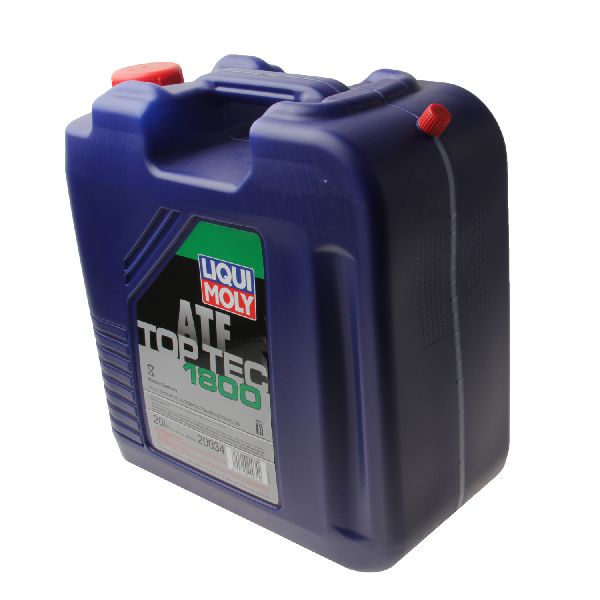
Est. part cost: $200-$600 - Low or Dirty Transmission Fluid 🟡 Medium Probability The transmissions in these vehicles require specific fluids (ATF+4 for the 5-speed, Mopar 8&9 Speed ATF for the 8-speed). Incorrect or degraded fluid can cause poor hydraulic pressure, solenoid malfunction, and clutch material contamination.
How to confirm: Check the transmission fluid level and condition according to the manufacturer's procedure. The 8-speed ZF has a complex check procedure requiring the vehicle to be level and the fluid at a specific temperature. If the fluid is dark, burnt, or low, it needs to be addressed.
Typical fix: Perform a transmission fluid and filter change using the correct OEM-spec fluid. In some cases, if the issue was minor, this may resolve the code.
Est. part cost: $100-$300 - Wiring Harness or Connector Damage ⚪ Low Probability
How to confirm: Visually inspect the wiring harness leading to the transmission for any signs of damage, corrosion, or loose connections. The main round connector on the NAG1 transmission is a known area for fluid leaks which can wick up the harness. Test the circuit's continuity from the Transmission Control Module (TCM) to the solenoid connector with a multimeter.
Typical fix: Repair or replace the damaged section of the wiring harness or the connector.
Est. part cost: $20-$200
Rare But Worth Checking
- Faulty Transmission Control Module (TCM) or Powertrain Control Module (PCM): This is very rare and should only be considered after all other possibilities (solenoid, wiring, torque converter) have been definitively ruled out through proper testing. A failure of the driver circuit within the module can mimic a solenoid failure.
- Broken TCC Accumulator Spring: On some Chrysler transmissions like the 545RFE (found in trucks/SUVs, but relevant principle), a broken TCC accumulator spring in the pump assembly can cause P0740. While less documented for the NAG1/ZF8, it's a possible internal hydraulic cause.
Diagnosis Steps
- Check and verify the transmission fluid level and condition. Ensure the correct fluid type is being used (ATF+4 for NAG1, Mopar 8&9 Speed for 🎬 See how to perform a ZF 8-speed transmission filter service.ZF).
- Use an OBD-II scanner to check for any other related transmission codes, especially P0700 or P0741.
- With an advanced scan tool, monitor live data for TCC operation. Key PIDs to watch are 'TCC Slip Speed', 'TCC Solenoid Command', and 'Engine RPM'. Command the TCC solenoid on and off to see if it responds and if there is a corresponding drop in slip speed to near zero.
- Inspect the transmission's main electrical connector and wiring harness for any visible damage, corrosion, or fluid intrusion.
- If the code returns immediately after clearing with the key on/engine off, suspect a hard electrical fault (open/short) in the solenoid or wiring.
- Drop the transmission pan. Inspect the fluid and pan magnet for excessive metal debris (a sign of converter or internal failure).
- Test the TCC solenoid's resistance with a multimeter to see if it's within the manufacturer's specifications. For the NAG1, this is the single TCC/PWM solenoid. For the ZF, it's one of the solenoids in the valve body's solenoid pack.
- Test the wiring circuit for continuity and shorts between the TCM and the TCC solenoid connector.
- If the solenoid and wiring circuit test good, but the converter still slips when commanded, the problem is most likely a mechanical failure inside the torque converter itself.
Parts You'll Likely Need
- Torque Converter Clutch (TCC) Solenoid (NAG1)
(OEM #52108314AB)— This is the PWM lockup solenoid for the 5-speed NAG1 transmission. It's a common failure point causing P0740 on 2013-2014 models with this transmission.
Trusted brands: Mopar, Mercedes-Benz, Rostra
OEM price range: $80-$150
Aftermarket price range: $40-$90 - Transmission Solenoid Kit (ZF 8HP70)
(OEM #1087.298.388 (Full Kit Part Number))— For the 8-speed ZF transmission, the TCC solenoid is part of a larger solenoid kit on the mechatronic unit. While individual solenoids can be replaced, it is often recommended to replace them as a set due to the labor involved in accessing them. The TCC solenoid is typically the orange-colored solenoid in the pack.
Trusted brands: ZF, Mopar
OEM price range: $400-$600
Aftermarket price range: $250-$450
Related Codes That Often Appear With This One
- P0741 — This code indicates 'TCC System Stuck Off,' which is a performance-related code that can appear alongside the P0740 circuit code if the clutch fails to engage.
- P2764 — This is another TCC-related circuit code mentioned in Chrysler TSBs. It points to a similar electrical fault within the TCC pressure control system.
- P0700 — This is a generic transmission fault code that simply indicates the TCM has stored a fault. It will almost always be present when any specific transmission code like P0740 is active.
Technical Service Bulletins (TSBs) & Recalls
- 9004009: While this TSB exists for Chrysler vehicles and code P0740, it applies to vehicles with the 62TE transmission and is not relevant for the RWD/AWD Chrysler 300.
- 21-004-16: This TSB is for various 2016 model year vehicles (including the 300) equipped with the 8HP70 transmission for a harsh 1-2 shift and other shift quality concerns. While not directly for P0740, it involves a TCM software flash that could potentially affect overall transmission behavior.
Platform-Specific Known Issues
- Be aware of the different transmissions used in this year range. The 5-speed NAG1 and 8-speed ZF transmissions have different internal components, fluid requirements, and service procedures.
- The provided NHTSA TSB #9004009 for code P0740 specifically mentions the 62TE transmission. This is important because the Chrysler 300 does NOT use this transmission, so this TSB is not directly applicable to this vehicle.
- For the NAG1 (5-speed), the round 13-pin electrical connector is a common source of fluid leaks. Fluid can wick up the wiring harness and cause various electrical faults, including P0740.
- For the ZF 8-speed, diagnosis can be more complex due to the integrated mechatronics unit. Software updates should be checked for, as they can sometimes resolve shifting and TCC issues.
Mechanic-Grade Diagnostic Values
- NAG1 (W5A580) TCC/Lockup Solenoid Resistance — expected: 2.5 - 4.0 ohms. Some sources state 2.7 ohms specifically.. Failure: A reading of 0 ohms (short) or infinite/OL (open circuit).
- ZF 8HP45/845RE/8HP70 TCC Solenoid Resistance — expected: Approximately 5.5 ohms.. Failure: A reading significantly higher or lower than the 5.5 ohm specification.
- NAG1 TCC Solenoid Circuit Test (at TCM Connector C2) — expected: Resistance between Pin 17 (T75 20YL/LB - TCC Control) and Pin 38 (T78 20YL - Solenoid Supply) should be 2.5-4.0 ohms.. Failure: Reading outside the specified range indicates a problem in the wiring or the solenoid itself. An open circuit reading points to a wiring break or failed solenoid coil.
Scan Tool Commands That Help
- Chrysler wiTECH: Reset Adaptive Values — After replacing a torque converter, valve body, or solenoids, this function should be used to clear the transmission's learned shift data. This is the first step before performing a Quick Learn.
- Chrysler wiTECH: Quick Learn — Required after certain transmission repairs (like replacing a solenoid or torque converter) or to remedy poor shift quality on the 845RE/8HP70. The procedure allows the TCM to relearn clutch fill times and pressures. It must be performed after 'Reset Adaptive Values' and with the transmission fluid at a specific temperature.
Wiring & Ground Locations
- TCM Connector C2 (NAG1) — The Transmission Control Module (TCM) is typically located in the cabin, under the dashboard below the steering column. Connector C2 is one of the main plugs into this module.. Pin 17 is the TCC Control circuit and Pin 38 is the solenoid power supply. Testing resistance between these pins allows a technician to verify the integrity of the entire circuit from the module to the solenoid without removing the transmission pan.
- G305 — Right side of the luggage compartment (trunk).. This is a listed ground point for the transmission control module on some 2014 models. A poor ground connection can cause erratic behavior and fault codes from control modules, including the P0740.
- Transmission Case Ground — A ground strap or wire connecting the engine/transmission assembly to the vehicle's chassis, often on the bellhousing.. A corroded or loose main ground for the transmission can cause a variety of electrical issues, including faulty sensor readings and solenoid circuit codes. Ensuring this connection is clean and tight is a crucial basic electrical check.
Real Owner Repair Stories
- YouTube user Jamey Willis (2010 Chrysler 300 3.5L (42RLE Transmission)) — P0740 code was present, and the transmission eventually stopped shifting gears.
❌ Tried (didn't work) The video documents the repair itself, not a list of failed attempts.
✅ What actually fixed it The owner replaced the transmission solenoid pack/block in the valve body. The repair was reported to be successful for over a year. - Go-Parts article on HEMI flexplates (2012-2019 Chrysler 300 (with 6.2L/6.4L HEMI and 8-speed auto)) — A knocking noise at idle that sounds like a severe engine problem (rod knock).
❌ Tried (didn't work) Misdiagnosis as an internal engine failure.
✅ What actually fixed it The actual cause was a cracked flexplate (torque converter drive plate). Replacement requires removing the transmission. This is noted as a known issue in the performance community for these platforms.
"I Checked Everything" — The Actual Cause
- In the context of P0740, this pattern applies when all electrical tests for the TCC solenoid and its circuit come back clean. Per TSB #9004009, if the solenoid and wiring are confirmed to be okay, the root cause is a mechanical failure within the torque converter itself. Technicians may replace the less expensive solenoid first, only for the code to return, because the electrical tests passed, masking the true mechanical failure.
OEM Part Supersession History
52108314aa→52108314AB— Standard part revision by the manufacturer.
Heads up: The new part number (52108314AB) is the correct replacement for the older part number for the NAG1 TCC/Lockup Solenoid.
Model Year Variations Within This Range
- 2014-2020: For vehicles with the 8-speed (845RE/8HP70) transmission, a scan tool-based 'Quick Learn' procedure became a required step after transmission repairs. This procedure, outlined in TSB 21-015-14, is necessary to reset and relearn clutch adaptive values to ensure proper shift quality after part replacement.
Helpful Videos
Used OEM Parts in Stock


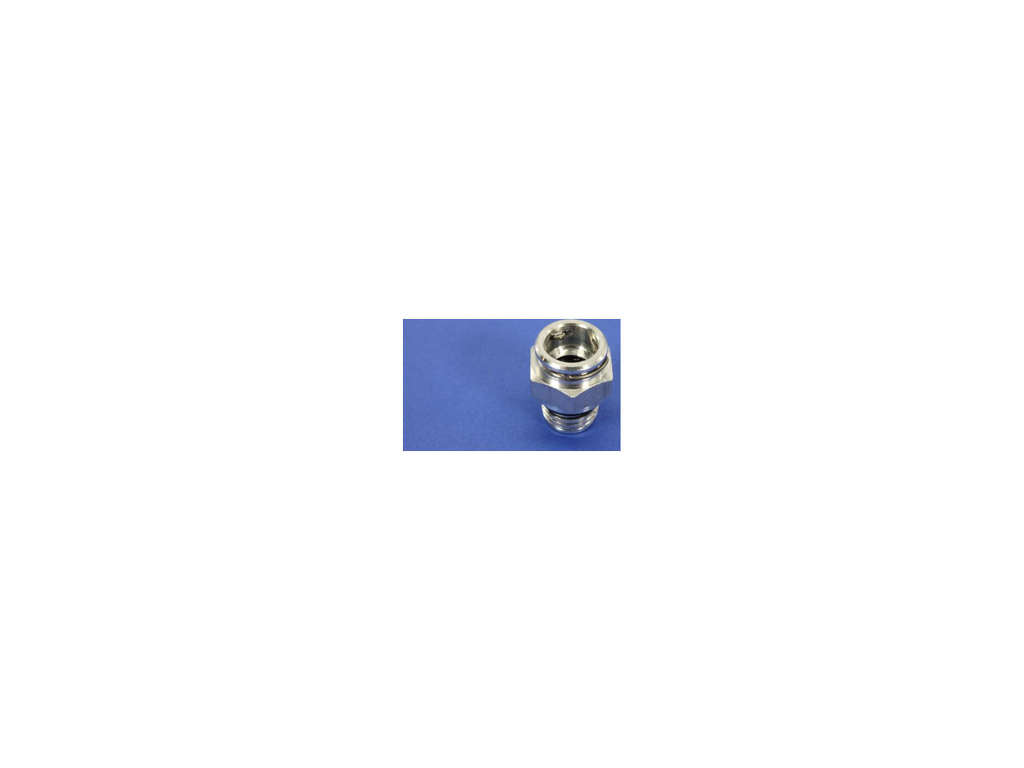
New Aftermarket Parts Available


The information in this article is provided for general reference and educational purposes only. Vehicle specifications, procedures, and part compatibility can vary by production date, trim level, and region. Always consult your vehicle's factory service manual and verify part numbers before purchasing or performing repairs. Safety-critical components such as airbags, seat belts, and braking systems should be installed by a qualified professional.
- Chrysler 300:
- 🎬 Helpful Videos
- 🛍️ Shop This Part
- What's Unique About the 2013-2020 Chrysler 300
- Diagnostic Flowchart
- Symptoms You May Notice
- Most Likely Causes
- Rare But Worth Checking
- Diagnosis Steps
- Parts You'll Likely Need
- Related Codes That Often Appear With This One
- Technical Service Bulletins (TSBs) & Recalls
- Platform-Specific Known Issues
- Mechanic-Grade Diagnostic Values
- Scan Tool Commands That Help
- Wiring & Ground Locations
- Real Owner Repair Stories
- "I Checked Everything" — The Actual Cause
- OEM Part Supersession History
- Model Year Variations Within This Range
- 🎟️ Get 5% Off