

P0720 on 2016-2021 Honda Civic: Output Speed Sensor Causes and Fixes
P0720 on a 2016-2021 Civic almost always means the transmission output shaft speed sensor has failed or its wiring is damaged. This can cause harsh shifting, a dead speedometer, and stalling. Expect to pay $150-$350 for a professional repair.
- P0720 on a 2016-2021 Civic points to a problem with the output speed sensor circuit, which is critical for the CVT and speedometer.
- The most common symptoms are an erratic speedometer, harsh or hesitant shifting, and the Check Engine Light.
- The fix is usually replacing the sensor (Part No. 28810-5DJ-004) or repairing its wiring harness.
- While drivable, it's best to get it fixed promptly to avoid unpredictable behavior and potential long-term transmission strain.
What's Unique About the 2016-2021 Honda Civic

The 10th generation Civic (2016-2021) primarily uses a Continuously Variable Transmission (CVT). Unlike traditional automatics, a CVT relies heavily on precise speed data from sensors like the output shaft sensor to make constant, seamless ratio adjustments. A faulty signal can cause more noticeable drivability issues like hesitation, surging, and a feeling of being 'stuck' in one gear ratio, which might not feel like typical 'harsh shifts'. While the root cause is often a simple sensor, the diagnostic process must be precise to avoid misdiagnosing the complex and expensive CVT unit itself. The issue is common to both the 1.5L Turbo and 2.0L engines equipped with the CVT.
Symptoms You May Notice

- Check Engine Light is on
- Erratic, harsh, or delayed transmission shifting
- Hesitation or surging during acceleration (especially in CVT models)
- Speedometer is inoperative or displays an incorrect speed
- Vehicle may stall when coming to a stop
- Cruise control will not function
- Reduced fuel efficiency
- Flashing 'D' (Drive) indicator light on the dashboard
- Vehicle feels 'stuck' in a gear and has limited acceleration (limp mode)
- Replacing the entire transmission when only the external speed sensor is faulty.
- Replacing the PCM before verifying the sensor and wiring are good.
- Replacing the input speed sensor instead of the output speed sensor.
- Mistaking symptoms for internal CVT failure, which is much more expensive to repair.
Most Likely Causes

- Faulty Output Shaft Speed Sensor 🔴 High Probability The sensor is located on the transmission housing, where it is exposed to constant vibration, heat, and potential contamination from dirt, moisture, and metallic debris in the fluid, leading to eventual failure.
How to confirm: After confirming the wiring is intact, the sensor itself can be tested with a multimeter for resistance or with an oscilloscope to observe its signal pattern while rotating the wheels. An erratic or absent signal confirms a bad sensor. A professional can use a Honda HDS scan tool to monitor the 'C SHAFT SPD' data list; if no speed is indicated while driving, the sensor circuit is faulty.
Typical fix: Replace the output shaft speed sensor. This involves removing the air cleaner assembly for access, disconnecting the electrical connector, removing a single 10mm bolt, and swapping the sensor. 🎬 Watch this step-by-step walkthrough for replacing the speed sensor. The sensor can be difficult to remove and may require a small pry bar to free it.
Est. part cost: $40-$120 - Damaged Wiring or Loose Connector 🟡 Medium Probability The wiring harness to the sensor can be damaged by heat, abrasion, or corrosion over time. Rodents are also known to chew on these wires. The connector's terminals can also become loose or corroded, causing an intermittent signal.
How to confirm: Visually inspect the wiring harness for any signs of fraying, melting, or breaks. Disconnect the sensor and check for ~5.0 volts at the connector with the key on. Check for continuity between the PCM and the sensor connector. A forum user on CivicForums noted their wires were completely cut, which is a clear visual confirmation.
Typical fix: Repair the damaged section of the wire or replace the connector pigtail. Ensure the connection is secure and protected from the elements. Soldering and using heat shrink is recommended over simple tape for a lasting repair.
Est. part cost: $10-$50 - Low or Contaminated Transmission Fluid ⚪ Low Probability While not a direct cause of a circuit code, extremely low or dirty fluid can cause erratic transmission behavior that may, in some cases, be accompanied by speed sensor codes. Metal shavings from normal wear can accumulate on the magnetic tip of the sensor, disrupting its reading.
How to confirm: The CVT in this Civic does not have a traditional dipstick. The fluid level and condition must be checked by a qualified technician via the fill and check plugs on the transmission. When the sensor is removed, inspect its magnetic tip for excessive metallic debris.
Typical fix: Perform a transmission fluid drain and fill using the correct Honda HCF-2 fluid. This is often good maintenance even if it doesn't solve the P0720 code.
Est. part cost: $75-$150
Rare But Worth Checking
- Faulty Powertrain Control Module (PCM): This is very rare and should only be considered after the sensor and its entire circuit have been thoroughly tested and proven to be good. A technician may substitute a known-good PCM as a final diagnostic step.
- Outdated PCM Software: In some cases, a manufacturer may release a software update to correct logic errors that could falsely trigger this code. Check with a Honda dealer for any available updates.
Diagnosis Steps
- Scan the vehicle's computer system to confirm P0720 is the primary code and check for any other related codes.
- Inspect the transmission fluid level and condition (professional assistance may be required for CVT models). Ensure only Honda HCF-2 fluid is used.
- Locate the output shaft speed sensor on the transmission housing. It is typically under the air filter box assembly.
- Visually inspect the sensor's electrical connector and wiring harness for any obvious damage, corrosion, or loose connections. Pay close attention to signs of rodent damage.
- Disconnect the sensor. With the ignition in the 'ON' position, use a multimeter to check for a reference voltage of approximately 5.0 volts at the connector.
- If voltage and ground are correct, test the sensor itself. You can measure its internal resistance (specifications may vary, but one source suggests 400-600Ω for older models) or use an oscilloscope to monitor for a clean signal as the wheels are turned.
- If the sensor signal is erratic or absent despite good power and ground, the sensor is faulty and should be replaced.
- If the reference voltage is missing at the connector, trace the wiring back to the PCM to find the open or short in the circuit.
- After repair, clear the code and perform a test drive to ensure the transmission shifts correctly, the speedometer is functional, and the check engine light does not return.
Parts You'll Likely Need
- Transmission Output Shaft Speed Sensor
(OEM #28810-5DJ-004)— This is the most common failure point for the P0720 code. It is a critical sensor that is subject to wear and tear. This part is also called a 'Pick Up Assembly' by Honda.
Trusted brands: Honda (Genuine), NTK, Standard Motor Products
OEM price range: $80-$120
Aftermarket price range: $40-$75
Related Codes That Often Appear With This One
- P0722 — P0722 indicates 'Output Speed Sensor Circuit No Signal,' which is a more specific version of the P0720 fault, often pointing directly to a dead sensor or a complete break in the wiring.
- P0717 — This code is for the Input/Turbine Speed Sensor. If both input and output sensor codes appear, it could suggest a wider electrical issue, a connector common to both, or a problem with the transmission control module.
- P0730 — Stands for 'Incorrect Gear Ratio'. This code can be triggered alongside P0720 because if the PCM can't read the output speed, it can't verify if the transmission is in the correct gear ratio, leading it to believe there is internal slippage.
Technical Service Bulletins (TSBs) & Recalls
- While Honda TSB 16-053 exists for 2015-16 Accord and CR-V models with CVT issues (DTC P1890) related to PCM software, no specific TSB for P0720 on the 2016-2021 Civic was found during research. This suggests the P0720 issue on the Civic is more commonly a straightforward component or wiring failure rather than a software-related campaign.
Platform-Specific Known Issues
- Wiring Harness Damage: A user on CivicForums.com with an 8th gen Civic (a common issue across generations) reported a P0720 code caused by completely severed wires leading to the sensor, possibly due to rodent damage. The repair required splicing in a new connector pigtail with proper soldering and shielding.
- Multiple System Warnings: On 10th gen Civics, a single faulty sensor like the output speed sensor can cause a cascade of warning lights on the dashboard beyond just the Check Engine Light. A Reddit user with a 2017 Civic described how a fault (in their case, a loose engine harness) triggered simultaneous warnings for the Transmission System, Brake System, Brake Hold, Hill Start Assist, and Power Steering.
Mechanic-Grade Diagnostic Values
- Sensor Connector Reference Voltage — expected: ~5.0 Volts. Failure: No voltage or significantly lower voltage indicates an open or short in the VCC1 or SG1 wire from the PCM.
- Sensor Resistance (Older Models for reference) — expected: 400-600 Ω. Failure: Infinite resistance (open) or zero resistance (short) indicates a failed sensor coil.
Scan Tool Commands That Help

- Honda Diagnostic System (HDS): Data List > C SHAFT SPD — This is used to monitor the live data from the output/countershaft speed sensor. If the value reads 0 or is erratic while the vehicle is moving, it confirms a fault in the sensor's circuit.
- Honda Diagnostic System (HDS) or high-end scan tool: PCM/TCM Reset or Start Clutch Feedback Learn — After replacing the transmission, PCM, or certain internal CVT components, a relearn procedure is required for the PCM to calibrate to the new parts. While not always mandatory for just a sensor replacement, it can resolve shifting issues if they persist after the repair.
Wiring & Ground Locations

- Output Shaft Speed Sensor Connector — On the CVT transmission housing, typically located under the air filter box assembly for access.. This is the primary connection point to test for voltage and signal. It's a 3-pin connector, and poor contact, corrosion, or damage here is a common cause of P0720.
- Sensor Wiring Harness — Runs from the sensor on the transmission towards the firewall to the PCM.. This harness is a coaxial cable, meaning it has a central signal wire surrounded by a braided shield that is grounded. When repairing damage, it is critical that the shield is repaired separately and does not touch the inner signal wire, as this will cause interference and prevent the code from being resolved.
- PCM Connector B (49P) — At the Powertrain Control Module (PCM).. For advanced diagnostics, technicians may need to check for continuity and shorts directly at the PCM connector pins to isolate a wiring fault from a PCM fault. For a similar generation, pin 48 was the signal wire.
Real Owner Repair Stories
- Honda-Tech.com forum user (8th Generation Honda Civic (similar wiring principle)) — P0720 code, Check Engine Light, shifting issues.
❌ Tried (didn't work) Initially taping the severed wires back together incorrectly.
✅ What actually fixed it The user discovered the wires to the sensor were completely cut, likely by a rodent. The wiring was a coaxial cable with a central signal wire and an outer ground shield. The final fix required correctly splicing the central wire and ensuring the outer shield was properly grounded and not touching the signal wire. Using a junkyard pigtail with solder and heat shrink is the recommended repair method. - Honda Owner (NHTSA ODI #10339099) — An owner reported that the diagnostic code P0720 can be an early sign of transmission failure. In their case, while the dealership replaced the sensor, they were informed the root issue was likely deeper within the transmission assembly.
Diagnostic Flowchart
Used vs. New Parts: Buying Guide for This Vehicle
When a used part is the smart pick: A used wiring harness pigtail from a junkyard is an excellent choice if your connector or a section of the harness is damaged. It's often better to get a factory pigtail with several inches of wire to splice than to use a generic aftermarket connector. For the sensor itself, buying new is strongly recommended due to the low cost and the electronic nature of the part.
Donor-vehicle mileage cap: roughly under 100000 miles for the part to have meaningful remaining life.
What to inspect on the donor part:
- For a wiring pigtail, inspect for any brittleness, cracking, or previous repair attempts.
- Ensure the connector's locking tab is intact and not broken.
- Check for clean, corrosion-free pins inside the connector.
- Verify the donor vehicle was not in a front-end collision that could have stressed the transmission wiring.
OEM-only on this vehicle (don't cheap out):
- While not strictly OEM-only, using a Genuine Honda sensor (28810-5DJ-004) is the safest bet to avoid compatibility or quality issues that can sometimes arise with cheaper aftermarket electronics.
Aftermarket brands forum-validated for this vehicle:
- NTK
- Standard Motor Products (SMP)
- Beck Arnley
Brands owners have reported issues with on this vehicle:
- Avoid unbranded, no-name sensors from online marketplaces, as their quality control and signal accuracy can be highly inconsistent.
Real Owner Stories
Aggregated from forums and TSBs cited above. Mileages and costs reflect what owners reported in those sources.
2017 Honda Civic
Symptoms: A cascade of simultaneous warnings appeared on the dashboard for the Transmission System, Brake System, Brake Hold, Hill Start Assist, and Power Steering, in addition to the Check Engine Light.
What fixed it: The root cause was a loose engine harness which, once secured, resolved the issue.
Source hint: Reddit user with a 2017 Civic (from vehicle_specific_issues)
8th Gen Honda Civic
Symptoms: Check Engine Light with code P0720. Upon inspection, the wires leading to the output speed sensor were found to be completely severed.
What fixed it: The damaged wiring was repaired by splicing in a new connector pigtail using solder and heat shrink.
Source hint: CivicForums.com thread titled 'P0720 Output Speed Shaft Sensor Help'
Honda Civic (model year not specified)
Symptoms: Vehicle threw codes P0720 and P0730 and the transmission was slipping. The wiring to the sensor was found to be ripped.
What fixed it: The owner repaired the ripped wiring and replaced the sensor. However, the context notes that the slipping sensation persisted after the repair.
Source hint: Reddit r/civic thread titled 'transmission slipping'
Related OBD-II Codes
Frequently Asked Questions
My 2017 Civic's dashboard lit up with multiple warnings like 'Brake System' and 'Power Steering' along with the Check Engine Light. Is this related to the P0720 code?
Where is the output shaft speed sensor located on my 2016-2021 Honda Civic?
I have a P0720 code but my speedometer is working perfectly. Is the sensor still the likely problem?
What type of transmission fluid should I use for my Civic's CVT when addressing this code?
Can I check the CVT fluid level myself on my 2019 Civic?
I found chewed wires near the transmission. Could this be the cause of my P0720 code?
Is there a recall or TSB like 16-053 that covers the P0720 code on my 2020 Civic?
Helpful Videos
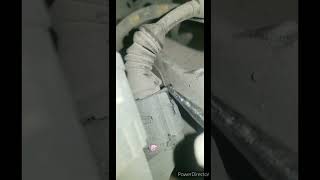
Used OEM Parts in Stock


New Aftermarket Parts Available

The information in this article is provided for general reference and educational purposes only. Vehicle specifications, procedures, and part compatibility can vary by production date, trim level, and region. Always consult your vehicle's factory service manual and verify part numbers before purchasing or performing repairs. Safety-critical components such as airbags, seat belts, and braking systems should be installed by a qualified professional.
- Honda Civic:
- 🎬 Helpful Videos
- 🛍️ Shop This Part
- What's Unique About the 2016-2021 Honda Civic
- Symptoms You May Notice
- Most Likely Causes
- Rare But Worth Checking
- Diagnosis Steps
- Parts You'll Likely Need
- Related Codes That Often Appear With This One
- Technical Service Bulletins (TSBs) & Recalls
- Platform-Specific Known Issues
- Mechanic-Grade Diagnostic Values
- Scan Tool Commands That Help
- Wiring & Ground Locations
- Real Owner Repair Stories
- Diagnostic Flowchart
- Used vs. New Parts: Buying Guide for This Vehicle
- Real Owner Stories
- 2017 Honda Civic
- 8th Gen Honda Civic
- Honda Civic (model year not specified)
- Related OBD-II Codes
- Frequently Asked Questions
- 🎟️ Get 5% Off