

P0706 on 2011-2018 Hyundai Sonata: Transmission Range Sensor Causes and Fixes
On a 2011-2018 Hyundai Sonata, code P0706 is most often caused by a faulty transmission range sensor, also known as an inhibitor switch. This is a well-documented failure. Replacing this sensor is the most common fix, with parts costing between $40 and $90. The job is accessible to a DIYer and involves removing the battery and airbox for access.
- P0706 on a 2011-2018 Sonata almost always points to a problem with the Transmission Range Sensor (Inhibitor Switch).
- Symptoms are serious and include potential no-start conditions and the transmission entering a fail-safe mode.
- The most common fix is replacing the inhibitor switch, a moderately difficult DIY job that requires careful alignment.
- Due to the safety implications (risk of starting in gear), professional installation is recommended if you are not confident in the alignment procedure.
- Always check for related TSBs like 17-AT-005, which confirm this is a known issue on these cars.
What's Unique About the 2011-2018 Hyundai SONATA

For this generation of Sonata and its platform mates, the inhibitor switch is a well-documented, widespread point of failure. Hyundai has issued Technical Service Bulletins (TSBs), such as #17-AT-005, that cover a wide range of their vehicles equipped with the 6-speed automatic transmission, including the Sonata. This TSB provides a detailed diagnostic flowchart for P0706 and related codes, indicating a known issue with the sensor or its related wiring. Owner forums for Hyundai and Kia vehicles are filled with threads corroborating that replacing the inhibitor switch resolves the P0706 code and associated drivability problems, such as the intermittent no-start and blank gear indicator on the dash.
Diagnostic Flowchart

Tap your situation to follow the diagnostic path that matches what you're seeing on this vehicle.
Generation note: The 2011-2018 year range covers two Sonata generations: the 6th Gen (YF, 2011-2014) and the 7th Gen (LF, 2015-2018). The P0706 code and its primary cause, a faulty inhibitor switch, are common to both generations as noted in Hyundai's technical service bulletins which cover both YF and LF models. However, specific part numbers for the switch may differ between generations.
Symptoms You May Notice

- Check Engine Light is on
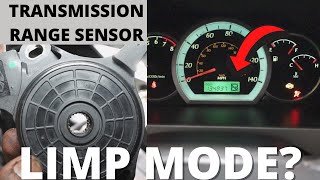
- Transmission stuck in a single gear (fail-safe or "limp mode")
- Gear position indicator on the dashboard is blank, incorrect, or fails to light up the 'P' for Park
- Engine will not crank or start intermittently, especially in Park (but may start in Neutral)
- Engine starts in a gear other than Park or Neutral
- Harsh or delayed gear engagement
- Inability to shift out of Park
- Reverse lights do not turn on when in Reverse
- Replacing the transmission fluid. While old fluid is not good for the transmission, it is not a direct cause of a range sensor performance code.
- Replacing the PCM without thorough diagnosis of the sensor and wiring.
- Replacing the entire transmission when only the external switch is faulty.
- Replacing the starter motor when an intermittent no-crank symptom is present, without first checking for transmission-related codes.
Most Likely Causes

- Faulty Transmission Range Sensor (Inhibitor Switch) 🔴 High Probability This is a known issue acknowledged by Hyundai through multiple Technical Service Bulletins across many models with the 6-speed automatic transmission. The switch is mounted externally on the transmission case, exposed to heat, moisture, and road grime, leading to internal wear and corrosion that causes signal failure over time.
How to confirm: Use a scan tool to monitor the live data from the transmission range sensor while moving the shifter. If the displayed gear does not match the shifter position, the sensor is likely faulty. You can also test the sensor's output signals with a multimeter against the specifications in the service manual, as detailed in TSB 17-AT-005.
Typical fix: Replace the inhibitor switch. This involves disconnecting the battery, removing the air filter box and battery tray for access, disconnecting the shift linkage, unbolting the old switch, and installing the new one with proper alignment in the Neutral position.
Est. part cost: $40-$90 - Misadjusted Inhibitor Switch or Shift Cable 🟡 Medium Probability The connection between the shift cable and the switch can stretch or become misaligned, causing the sensor to report a position that is between gears. This can happen after other transmission work or due to wear.
How to confirm: Visually inspect the alignment marks on the inhibitor switch when the transmission is in Neutral. The marks should line up perfectly. TSB 17-AT-005 recommends inserting a 5mm bolt or guide pin through the alignment hole to verify. If it doesn't pass through easily, adjustment is needed.
Typical fix: Loosen the switch mounting bolts or the shift cable nut, align the switch correctly while the transmission is in Neutral (using the alignment pin method), and then retighten everything to specification.
Est. part cost: $0 - Damaged Wiring or Corroded Connector ⚪ Low Probability The wiring harness connector is located on the exterior of the transmission and is susceptible to moisture, dirt, and corrosion, which can disrupt the signal. This is especially true in regions with harsh winters where road salt is used.
How to confirm: Disconnect the inhibitor switch connector and inspect the pins for corrosion (green or white powder), moisture, or physical damage like bent pins. Check the wiring harness for any visible breaks, chafing, or short circuits, paying close attention to where it might rub against the chassis or engine components.
Typical fix: Clean the connector pins with an electrical contact cleaner and apply dielectric grease upon reassembly. If pins are bent or broken, the connector may need to be repinned or replaced. Damaged wiring must be repaired or spliced.
Est. part cost: $5-$50
Rare But Worth Checking
- Faulty Powertrain Control Module (PCM) or Transmission Control Module (TCM): This is extremely rare. The PCM/TCM should only be considered after all other possibilities, including the sensor, adjustment, and wiring, have been exhaustively tested and ruled out. Hyundai's own TSBs list this as the final step in the diagnostic tree.
- Internal Transmission Harness Failure: One owner on a forum reported a P0706 code that was ultimately traced to a faulty internal transmission wire harness, not the external inhibitor switch. This is a much more intensive and costly repair as it requires removing the transmission oil pan and valve body to access the harness. This is often confused with TSBs related to internal temperature sensors but can present with range sensor codes.
Diagnosis Steps
- Connect an OBD-II scanner and check for P0706 and any other related codes (P0705, P0707, P0708). Note all codes present.
- Use the scanner's live data function to monitor the Transmission Range Sensor parameter. Slowly move the gear selector through P, R, N, D and observe if the data on the scanner matches the physical gear position.
- If the data is incorrect or erratic, proceed to a physical inspection. If the data is correct, the issue may be intermittent or with the PCM (rare).
- For physical inspection, disconnect the battery. Locate the inhibitor switch on the top of the transmission case. Access requires removing the engine air duct, air cleaner assembly, and battery/battery tray.
- Visually inspect the switch, connector, and wiring for any signs of corrosion, moisture, or physical damage.
- Check the switch's adjustment. Place the gear selector in Neutral. Check if the alignment hole on the switch body lines up with the alignment mark on the lever. A 5mm drill bit or bolt should pass through easily. If not, adjustment is needed.
- If the adjustment is correct but the problem persists, test the sensor's circuits with a multimeter according to the vehicle's service manual or TSB 17-AT-005 to confirm if the switch itself has failed internally.
- If the sensor tests good, the fault lies in the wiring harness between the sensor and the control module, or in the module itself, which is the least likely cause.
Parts You'll Likely Need

- Transmission Range Sensor / Inhibitor Switch
(OEM #42700-3B700 (For YF 2011-2014 Sonata), 42700-26700 (For LF 2015-2018 Sonata). Always verify with VIN.)— This is the most common component to fail and directly cause the P0706 code, as documented in Hyundai's own service bulletins and countless owner forums.
Trusted brands: Hyundai (OEM), Dorman, Beck/Arnley, Standard Motor Products
OEM price range: $70-$100
Aftermarket price range: $40-$80
Related Codes That Often Appear With This One
- P0705 — P0705 indicates a general malfunction in the transmission range sensor circuit, while P0706 points specifically to a performance or range issue. They are often triggered together as they relate to the same component and are listed together in Hyundai's TSBs.
- P0707 — This code indicates the sensor circuit input is low (open circuit). It can appear with P0706 if there is an intermittent wiring break or internal sensor failure.
- P0708 — This code indicates the sensor circuit input is high (short circuit). It can appear with P0706 if wires are shorted together or the sensor fails internally.
Technical Service Bulletins (TSBs) & Recalls
- 19-AT-024H: Lists P0706 as a diagnostic code related to range switch performance issues.
- 17-AT-005 / 17-AT-005-1: A comprehensive bulletin for diagnosing P0705, P0706, P0707, and P0708 on 6-speed automatic transaxles in YF and LF Sonatas, among many other Hyundai models. This is the primary diagnostic document for this issue.
Platform-Specific Known Issues
- Hyundai TSB 17-AT-005 provides a detailed diagnostic procedure for codes P0705, P0706, P0707, and P0708 on various models including the YF and LF Sonata, confirming this is a recognized issue. Symptoms listed include MIL illumination, 4th gear fail-safe, no gear indication, and intermittent no-start.
- Owner Experience: A common repair story involves a 2012 Sonata that would intermittently fail to crank. The owner replaced the starter to no avail. After getting a P0706 code, they replaced the inhibitor switch (part 42700-3B700) located under the battery t
Mechanic-Grade Diagnostic Values
- Voltage drop at rear combination lamp ground terminal — expected: Less than 0.2 V. Failure: A reading greater than 0.2V indicates a poor ground connection that needs to be cleaned and tightened.
- Continuity check of sensor wiring for short to ground — expected: >30 MΩ (megohms). Failure: A low resistance reading indicates a short circuit in the wiring between the sensor connector and the control module.
Scan Tool Commands That Help
- Hyundai GDS (Global Diagnostic System): Data Analysis > A/T menu > Shift Lever Switch — This function is used to monitor the live data from the inhibitor switch as you move the gear selector. It is the primary way to confirm if the computer is receiving the correct position signal from the switch, as recommended by Hyundai's TSB 17-AT-005.
Wiring & Ground Locations
- Rear Combination Lamp Ground — At the rear combination (tail light) assembly.. Hyundai TSB 17-AT-005 includes checking this ground's integrity. A poor ground here can cause electrical noise or voltage irregularities on shared circuits, potentially affecting the signals read by the TCM and triggering a P0706 code, even though it's not directly part of the transmission harness.
- TCU and TCU2 Fuses — Located in the junction box in the engine compartment.. TSB 17-AT-005 directs technicians to check these fuses for an open circuit or a loose fit. A problem with the power supply to the Transmission Control Unit (TCU) can cause it to misinterpret sensor data or set false codes.
- Transmission Control Module (TCM) — On 2011-2014 (YF) models, the TCM is often located on the driver's side inner fender well, behind the battery and under the air intake ducting. Access may require removing the left front wheel and plastic wheel liner.. Knowing the physical location is critical for inspecting the module and its connectors for corrosion or damage, which is a final diagnostic step if the sensor and wiring test good.
- Main Transmission Ground Strap — A braided metal strap connecting the transmission case to the vehicle's chassis, typically near the starter or bell housing.. While not specific to the sensor circuit, a corroded or loose main transmission ground can cause a host of electrical issues, including erratic sensor readings and communication faults with the TCM.
OEM Part Supersession History
42700-3B100, 42700-3B500→42700-3B700— Part revision and consolidation for YF Sonata models.
Heads up: 42700-3B700 is the primary replacement for the 2011-2014 (YF) Sonata.42700-26000, 42700-26500→42700-26700— Part revision and consolidation for LF Sonata and other Hyundai/Kia models.
Heads up: Part number 42700-26700 is the specified replacement for the 2015-2018 (LF) Sonata. It also supersedes some earlier part numbers like 42700-3B100 and 42700-3B500 in other applications, which can create confusion. Always verify the correct part for the specific vehicle generation via VIN.
Model Year Variations Within This Range
- 2011-2014 (YF) vs 2015-2018 (LF): The primary difference is the OEM part number for the inhibitor switch. YF models typically use 42700-3B700, while LF models use 42700-26700. While the function and failure mode are identical, the physical parts may have different connector or mounting designs. However, the overall diagnostic procedure outlined in TSB 17-AT-005 is applicable to both generations.
Helpful Videos


Used OEM Parts in Stock


New Aftermarket Parts Available


The information in this article is provided for general reference and educational purposes only. Vehicle specifications, procedures, and part compatibility can vary by production date, trim level, and region. Always consult your vehicle's factory service manual and verify part numbers before purchasing or performing repairs. Safety-critical components such as airbags, seat belts, and braking systems should be installed by a qualified professional.
- Hyundai SONATA:
- 🎬 Helpful Videos
- 🛍️ Shop This Part
- What's Unique About the 2011-2018 Hyundai SONATA
- Diagnostic Flowchart
- Symptoms You May Notice
- Most Likely Causes
- Rare But Worth Checking
- Diagnosis Steps
- Parts You'll Likely Need
- Related Codes That Often Appear With This One
- Technical Service Bulletins (TSBs) & Recalls
- Platform-Specific Known Issues
- Mechanic-Grade Diagnostic Values
- Scan Tool Commands That Help
- Wiring & Ground Locations
- OEM Part Supersession History
- Model Year Variations Within This Range
- 🎟️ Get 5% Off