

P0706 on 2011-2016 Chevrolet Cruze: Transmission Range Sensor Explained
On a 2011-2016 Cruze, code P0706 usually means the Transmission Range Sensor (TRS) has failed. This can cause a no-start condition or erratic shifting. The fix is typically replacing the sensor, which is located under the battery tray. Expect to pay $40-$100 for the part and 1-2 hours for labor.
- P0706 on a 2011-2016 Cruze points to a problem with the car knowing what gear it's in.
- The most likely cause is a failed Transmission Range Sensor (TRS), located on top of the transmission under the battery.
- Symptoms are serious and can include the car not starting or getting stuck in gear. Do not delay diagnosis.
- Before replacing the sensor, inspect its wiring connector for corrosion and check the shifter cable bushing for wear or damage.
- This repair is DIY-possible for those comfortable with electrical testing and removing the battery/tray, but is otherwise best left to a professional.
What's Unique About the 2011-2016 Chevrolet Cruze
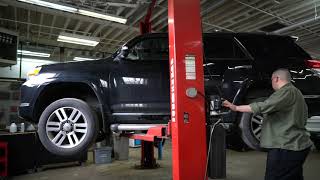
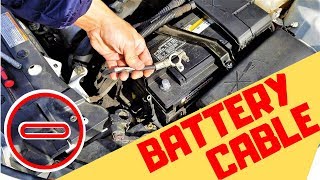
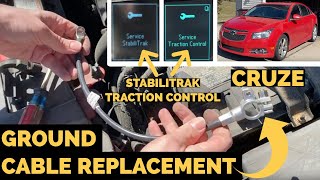
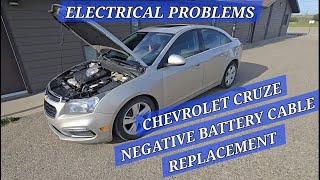
For the first-generation Chevrolet Cruze, the P0706 code points to a common set of failures. The Transmission Range Sensor (TRS) is located externally on top of the transmission, making it accessible without major transmission disassembly, but it is buried under the battery and its tray. Failures are typically straightforward, stemming from either the sensor itself wearing out or from the plastic bushing on the shift cable linkage that connects to it degrading and failing. A notable issue for 2011-2015 models is a faulty negative battery cable (covered by Special Coverage 14311B) 🎬 See how to replace a Chevy Cruze negative battery cable, which can cause a host of electrical issues that may contribute to or mimic a P0706 fault.
Generation note: This guide covers the first-generation Chevrolet Cruze, sold from 2011-2015. In 2016, Chevrolet sold both the first-generation 'Cruze Limited' and the new second-generation Cruze. This guide applies to the 2011-2015 models and the 2016 'Cruze Limited'.
Symptoms You May Notice
- Check Engine Light is on
- Engine will not crank or only starts in Neutral
- Vehicle may be stuck in one gear (limp mode)
- Gear indicator on the dashboard is blank or incorrect
- Harsh or delayed gear engagement
- Inability to shift out of Park
- Reverse lights not working
- Replacing the transmission valve body when the issue is a simple external sensor or wiring problem.
- Replacing the TCM before confirming the sensor and its circuit are functioning correctly.
- Replacing the entire shift cable assembly when only the inexpensive end bushing has failed.
Most Likely Causes
- Failed Transmission Range Sensor (Neutral Safety Switch) 🔴 High Probability The sensor is an electronic component exposed to heat and vibration on top of the transmission, leading to eventual failure over time. It is the most cited cause for this code across many platforms.
How to confirm: Use a scan tool to monitor the sensor's output data (PID for Range Sensor) while moving the shifter. If the data is erratic, does not change, or shows an invalid state, the sensor is likely bad. You can also test the sensor's internal resistance with a multimeter per the service manual after disconnecting it.
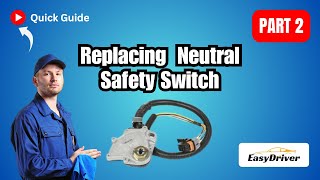
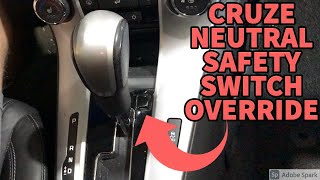
Typical fix: Replace the Transmission Range Sensor. 🎬 Watch how to diagnose and replace a neutral safety switch This requires removing the battery and battery tray for access. The new sensor may require a calibration or programming procedure to ensure it communicates correctly with the TCM.
Est. part cost: $40-$100 - Damaged or Corroded Wiring/Connector 🟡 Medium Probability The wiring harness and connector for the sensor are located in the engine bay and can be exposed to moisture, heat, and vibration, leading to corrosion or loose connections. This can cause intermittent or incorrect signals.
How to confirm: Visually inspect the connector and wiring going to the Transmission Range Sensor for any signs of green corrosion, frayed wires, or physical damage. Perform a 'wiggle test' on the connector and harness while monitoring live data on a scan tool to see if the signal fluctuates. Test for continuity and proper voltage at the connector using a multimeter.
Typical fix: Clean the connector terminals with an electrical contact cleaner or repair/replace the damaged section of the wiring harness. Ensure the connector is fully seated and the locking tab is engaged.
Est. part cost: $5-$50 - Worn or Broken Shifter Cable Bushing 🟡 Medium Probability The plastic or rubber bushing that connects the shift cable to the transmission lever can degrade, crack, and break, causing excessive play in the linkage. This prevents the lever on the transmission from moving to the correct position that corresponds with the gear shifter inside, leading the range sensor to report an illogical position.
How to confirm: Observe the shift lever on the transmission while an assistant moves the gear shifter inside the car. If there is excessive slop, the lever doesn't move precisely with the shifter, or the bushing is visibly missing or broken, this is the cause.
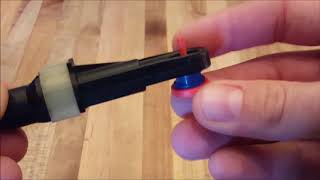
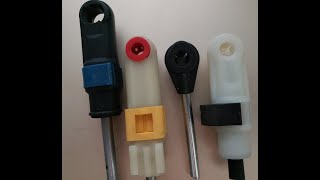
Typical fix: Replace the shifter cable bushing. 🎬 Watch this easy fix for a Chevy Cruze shift cable bushing Aftermarket kits are widely available (e.g., from Dorman or BushingFix.com) that allow for a quick replacement of just the bushing without needing to replace the entire cable.
Est. part cost: $15-$30
Rare But Worth Checking
- Faulty Transmission Control Module (TCM): A faulty TCM is rare but can mimic the symptoms of a bad sensor. This should only be considered after the sensor and wiring have been thoroughly tested and ruled out.
- Poor Ground Connection (Negative Battery Cable): Per TSB 14311B, 2011-2015 Cruze models had a faulty negative battery cable with an insufficient crimp, causing a wide range of random electrical issues. A poor ground can create voltage problems that might trigger a P0706. This is a critical check if other electrical gremlins are present, such as flickering lights or random warning messages.
Diagnosis Steps
- Connect an OBD-II scanner and verify P0706 is present. Note any other codes, especially P0700, which is expected.
- Use the scanner's live data function to monitor the Transmission Range Sensor parameter. Cycle the shifter through all gears (P, R, N, D, L) and verify the reading on the scanner matches the shifter position. If the reading is erratic, stuck, or doesn't change, proceed with physical inspection.
- Visually inspect the shift cable and the bushing where it connects to the transmission lever on top of the transmission. Have a helper move the shifter and check for excessive play or a broken bushing. This is a common and easy-to-spot failure.
- If the linkage is intact, inspect the electrical systems. For 2011-2015 models, check the negative battery cable for tightness and signs of corrosion at both the battery and chassis ground points, per TSB 14311B.
- Disconnect the negative battery terminal. Remove the air intake, battery, and battery tray to gain access to the Transmission Range Sensor on top of the transmission.
- Visually inspect the sensor's electrical connector and wiring for corrosion, damage, or loose pins. Clean as necessary.
- If wiring and linkage appear okay, test the sensor's circuit for correct voltage and ground according to the vehicle's service manual. The sensor operates on a 5V reference, so you should see voltages between 0V and 5V depending on gear position. If the circuit tests are good, the Transmission Range Sensor itself is the most likely culprit.
- Replace the faulty component (bushing, sensor, or wiring). Note that some replacement sensors may require a programming/relearn procedure.
- After any repair, clear the codes, reconnect the battery, and perform a test drive, cycling through all gears to ensure the issue is resolved.
Parts You'll Likely Need
- Transmission Range Sensor / Neutral Safety Switch
(OEM #24283436 (supersedes 19302581))— This is the most common component to fail electronically, causing the P0706 code.
Trusted brands: ACDelco, GM Genuine Parts
OEM price range: $60-$100
Aftermarket price range: $40-$70 - Shift Cable Bushing Kit
(OEM #N/A (Aftermarket kits are common, e.g., Dorman 14057, BushingFix CA1Kit))— A very common failure point causing mechanical slop that leads to the sensor reporting incorrect data. Much cheaper than replacing the entire cable.
Trusted brands: Dorman, BushingFix
OEM price range: N/A
Aftermarket price range: $15-$30
Related Codes That Often Appear With This One
- P0700 — P0700 is a generic code indicating the Transmission Control Module (TCM) has requested the Check Engine Light to be turned on. It almost always appears alongside more specific transmission codes like P0706.
- P0705 — This code is for a 'Transmission Range Sensor Circuit Malfunction'. It's very closely related to P0706 and often points to the exact same failure of the sensor or its wiring.
Technical Service Bulletins (TSBs) & Recalls
- 14311B (Special Coverage): For 2011-2015 Cruze models, this TSB addresses a faulty negative battery cable with an insufficient crimp. This can cause high internal resistance, leading to numerous electrical issues that can mimic a P0706 code.
Platform-Specific Known Issues
- Access to the Transmission Range Sensor is obstructed by the battery and battery tray, which must be removed for service.
- The plastic shift cable bushing at the transmission is a known weak point that degrades over time, causing shifter play and triggering this code.
- 2011-2015 models are subject to Special Coverage 14311B for a faulty negative battery cable, which can cause a wide array of electrical faults, including those that may trigger P0706.
Mechanic-Grade Diagnostic Values
- Transmission Range Sensor Signal Voltage — expected: Varies between 0V and 5V depending on gear selection. Specific voltage per gear is manufacturer-defined.. Failure: A signal greater than 4.12V can trigger a P0708 (High Input), while a signal less than 0.87V can trigger a P0707 (Low Input). A P0706 is set when the voltage is irrational or doesn't match other vehicle speed data.
Scan Tool Commands That Help
- GDS2 (GM Tech Tool): Transmission Range Sensor Relearn / Quick Learn — This function is often required after replacing the Transmission Range Sensor (TRS) or the Transmission Control Module (TEHCM). It allows the control module to learn the new sensor's voltage outputs for each gear position. Failure to perform this may result in continued shifting problems or codes.
Wiring & Ground Locations
- G100 / G103 — Located on the left front corner of the engine compartment, on or near the driver's side shock tower.. These are primary engine bay grounds. A poor connection here can cause a variety of electrical issues, including intermittent or incorrect signals from sensors like the TRS, potentially contributing to a P0706 code.
- G102 / G110 — G102 is on the lower right rear of the engine block. G110 is on the top rear of the engine (for 2.0L, but similar locations for 1.4L/1.8L).. These are the main grounds for the engine and transmission assembly. The TRS relies on a solid ground path through the transmission case. Corrosion or a loose connection at these points can cause a voltage drop, leading to sensor signal errors.
- Transmission Harness Connector — The main harness connector for the transmission is on the top or side of the transmission case, near the TRS.. This is the central connection point for all transmission electronics, including the TRS. It is a common spot for corrosion or pin damage, which would directly affect the sensor's signal to the TCM.
Real Owner Repair Stories
- YouTube Commenter on a P0706 diagnostic video (Vehicle make/model not specified, but had a P0706 code for 4 months.) — Persistent P0706 code that multiple shops could not fix.
❌ Tried (didn't work) Transmission was pulled 5 times, Multiple parts were replaced without success
✅ What actually fixed it The C1 wire (likely one of the signal wires for the range sensor) was found to be shorted to ground. Rerouting the wire fixed the problem completely. - YouTube video creator '2012 Chevy Cruze ground wire' (2012 Chevy Cruze 1.4L Turbo) — Multiple random codes (including underboost and misfires), stalling, high fan speed, and stability track warnings.
❌ Tried (didn't work) Replacing parts based on codes (turbo, etc.), Over-tightening or improperly securing the original ground wire
✅ What actually fixed it A poor ground connection on the engine harness near the coil pack was causing widespread electrical issues. The creator cut the old terminal and ran a new 16-gauge ground wire to a clean chassis point, which resolved all the random codes and running issues.
OEM Part Supersession History
19302581→24283436— Standard part update or revision by the manufacturer.
Heads up: The new part number, 24283436, is listed by GM as requiring programming and/or special setup procedures after installation, which may not have been a requirement for the original part.
Diagnostic Flowchart
Other Known Issues on This Vehicle
Issues unrelated to this code that are worth knowing about as an owner of this generation:
- PCV System Failure (1.4L Turbo) 🔴 High — Extremely common. A failed check valve in the intake manifold over-pressurizes the crankcase, rupturing the diaphragm in the valve cover. Often occurs between 60,000-120,000 miles. (Ref: Special Coverage 14882 / TSB #PI1218A covers valve cover replacement, but fixing the root cause (intake manifold check valve) is also required.)
- Coolant Leaks (Water Pump, Thermostat Housing, Hoses) 🔴 High — Very common. The water pump is a frequent failure point, along with the plastic thermostat housing and various coolant hoses and reservoirs. Leaks can appear at any mileage but are more frequent after 50,000 miles. (Ref: Special Coverage 14371 / TSB #PI0762D extends the warranty on the water pump for 10 years/150,000 miles on certain models.)
- Negative Battery Cable Failure 🟠 Medium — Widespread on 2011-2015 models. An insufficient crimp on the terminal causes high resistance and a host of difficult-to-diagnose electrical problems. (Ref: Special Coverage 14311B extends the warranty for this specific part to 10 years/120,000 miles.)
- Transmission Failure (Wave Plate) 🟠 Medium — More common in earlier models (2011-2012). The internal wave plates in the 6T40 transmission can break, leading to harsh shifting, loss of gears, and eventual transmission failure.
- Engine Oil Leaks 🟠 Medium — Commonly reported. Often a symptom of PCV system failure, but can also originate from the oil cooler lines, valve cover gasket, and crankshaft seals.
Used vs. New Parts: Buying Guide for This Vehicle
When a used part is the smart pick: A used Transmission Range Sensor from a low-mileage donor vehicle can be a cost-effective option, as it is an external electronic component that is relatively easy to replace. A complete used shift cable assembly is also a viable option if the entire cable is damaged, not just the bushing.
Donor-vehicle mileage cap: roughly under 60000 miles for the part to have meaningful remaining life.
What to inspect on the donor part:
- For a TRS, inspect the connector pins for any signs of corrosion (green crust) or damage.
- Ensure the plastic housing of the sensor is not cracked or showing signs of heat damage.
- For a shift cable, check that the end bushings are intact, firm, and not cracked or crumbling.
- Verify the donor vehicle did not have a major front-end collision that could have stressed the cable or sensor.
OEM-only on this vehicle (don't cheap out):
- Transmission Control Module (TCM/TEHCM): Due to programming requirements and high failure rates of some aftermarket units, sticking with a new or remanufactured OEM unit is strongly advised.
Aftermarket brands forum-validated for this vehicle:
- Dorman (for shift cable bushings, part #14057 or #14104)
- BushingFix (for shift cable bushings, part #CA1Kit)
Brands owners have reported issues with on this vehicle:
- No-name, unbranded electronic sensors from online marketplaces can have high defect rates and may not perform to OEM specifications, leading to a quick return of the P0706 code.
Real Owner Stories
Aggregated from forums and TSBs cited above. Mileages and costs reflect what owners reported in those sources.
2011-2016 Chevrolet Cruze
Symptoms: No-start condition and an incorrect gear display on the dashboard.
What fixed it: Replacing the shift cable bushing at the transmission lever.
Source hint: cruzetalk.com forum threads discussing P0706 and related symptoms
2011-2016 Chevrolet Cruze
Symptoms: P0706 code present and abnormal shifting behavior.
What fixed it: Replacing the range sensor, which cleared the code and returned shifting to normal.
Source hint: cruzetalk.com forum user confirmation
2011-2016 Chevrolet Cruze
Symptoms: Worn shifter cable bushing causing gear selection issues.
What fixed it: Using simple grommets to repair the worn shifter cable bushing as a fast and easy fix.
Source hint: YouTube - '2011-2016 CHEVROLET CRUZE GEAR SHIFTER CABLE FIXED FAST & EASY!'
Related OBD-II Codes
Frequently Asked Questions
Does Special Coverage 14311B apply to my 2013 Chevrolet Cruze regarding the P0706 code?
My 2014 Cruze won't start unless it's in Neutral and the gear indicator is blank. What is the most likely cause?
Is there a way to fix the shifter play on my Chevrolet Cruze without replacing the entire cable?
Why do I need to remove the battery just to check the Transmission Range Sensor on my Cruze?
Will a new Transmission Range Sensor for my 6T40 transmission require special setup?
Can a bad battery cable really cause a transmission range sensor code?
Helpful Videos
Used OEM Parts in Stock

New Aftermarket Parts Available




The information in this article is provided for general reference and educational purposes only. Vehicle specifications, procedures, and part compatibility can vary by production date, trim level, and region. Always consult your vehicle's factory service manual and verify part numbers before purchasing or performing repairs. Safety-critical components such as airbags, seat belts, and braking systems should be installed by a qualified professional.
- Chevrolet Cruze:
- 🎬 Helpful Videos
- 🛍️ Shop This Part
- What's Unique About the 2011-2016 Chevrolet Cruze
- Symptoms You May Notice
- Most Likely Causes
- Rare But Worth Checking
- Diagnosis Steps
- Parts You'll Likely Need
- Related Codes That Often Appear With This One
- Technical Service Bulletins (TSBs) & Recalls
- Platform-Specific Known Issues
- Mechanic-Grade Diagnostic Values
- Scan Tool Commands That Help
- Wiring & Ground Locations
- Real Owner Repair Stories
- OEM Part Supersession History
- Diagnostic Flowchart
- Other Known Issues on This Vehicle
- Used vs. New Parts: Buying Guide for This Vehicle
- Real Owner Stories
- 2011-2016 Chevrolet Cruze
- 2011-2016 Chevrolet Cruze
- 2011-2016 Chevrolet Cruze
- Related OBD-II Codes
- Frequently Asked Questions
- 🎟️ Get 5% Off