

P0705 on 2013-2016 Dodge Dart: Transmission Range Sensor Failure Causes and Fixes
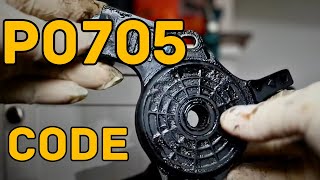
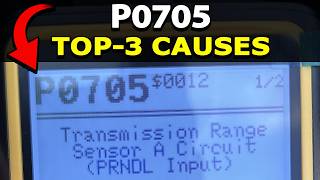
On a 2013-2016 Dodge Dart with an automatic transmission, code P0705 is most often caused by a failing Transmission Range Sensor (TRS), its wiring, or its connector. This commonly leads to an intermittent no-start condition, inability to shift, or erratic shifting. A known trigger is a coolant leak from a heater hose dripping onto the sensor. Replacing the sensor is the typical fix, with the Mopar part (68197343AA) costing between $70 and $120.
- P0705 on a Dodge Dart almost always points to the Transmission Range Sensor (TRS) or its wiring.
- A primary symptom is an intermittent no-start condition, which can be misdiagnosed as a starter or battery issue.
- Before replacing parts, inspect the sensor's wiring and connector for damage, especially for signs of coolant contamination from a leaking heater hose above it.
- The correct Mopar OEM part number is 68197343AA.
- This is a moderately difficult DIY repair. If you are not comfortable with electrical diagnosis, professional service is recommended.
What's Unique About the 2013-2016 Dodge Dart
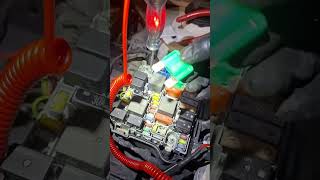
The 2013-2016 Dodge Dart was a single-generation vehicle using the Powertech 6F24 automatic transmission. For these models, P0705 is a relatively common code. A key issue seen on this platform is an intermittent no-crank condition tied directly to this code, 🎬 Watch this video on troubleshooting Dodge Dart no-crank issues where the car fails to recognize it is in Park or Neutral and won't engage the starter. Additionally, a well-documented failure pattern on Dodge Dart forums involves a coolant leak from a heater hose located above the transmission, which drips directly onto the Transmission Range Sensor and its electrical connector, causing corrosion and short circuits that trigger the P0705 code.
Symptoms You May Notice
- Intermittent failure to crank or start.
- Check Engine Light is on.
- Gear indicator on the dashboard is incorrect, shows all positions lit up, or displays a 'Service Transmission' message.
- Transmission is stuck in one gear (limp mode), often 3rd gear.
- Harsh, delayed, or erratic shifting.
- Reverse lights do not turn on.
- Inability to shift out of Park.
- Replacing the starter motor when an intermittent no-crank is present, without first checking for transmission-related codes like P0705.
- Replacing the battery or alternator for a no-crank symptom without diagnosing the starting circuit, which includes the TRS input from the TCM.
- Condemning the entire transmission when the issue is an inexpensive external sensor or its wiring.
Most Likely Causes
- Faulty Transmission Range Sensor (TRS) 🔴 High Probability The sensor is an external component subject to wear, heat, and environmental exposure. It is the most frequently replaced part for this code on the Dart, especially after fluid contamination.
How to confirm: Use a scan tool to monitor the transmission range sensor data PID. If the displayed gear position is erratic, shows 'No Selection Active', does not match the shifter, or shows 'invalid', the sensor is likely bad. You can also test the sensor's output circuits with a multimeter while an assistant moves the shifter through the gears, comparing readings to the service manual specifications.
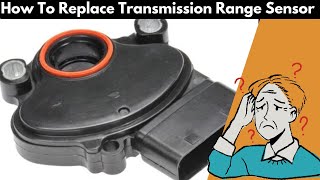
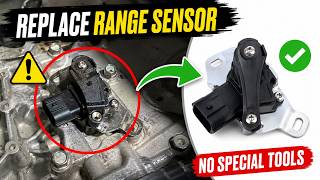
Typical fix: Replace the Transmission Range Sensor. This sensor is located on the outside of the transmission where the shift linkage connects. The Mopar OEM part number is 68197343AA. 🎬 See a quick walkthrough on replacing the range sensor
Est. part cost: $40-$120 - Damaged Wiring or Connector 🟡 Medium Probability A widely reported issue is coolant from a leaking heater hose dripping directly onto the TRS connector, causing severe corrosion (green or white powder) and short circuits. Road debris and engine bay heat can also damage the wiring harness over time.
How to confirm: Visually inspect the wiring harness and the 8-pin connector (C2) going to the Transmission Range Sensor. Look for signs of coolant residue, melted plastic, frayed wires, or corrosion on the pins. If corrosion is found after a known coolant leak, this is the most likely culprit.
Typical fix: Clean the connector terminals with an electrical contact cleaner if corrosion is minor. If the connector or wiring is severely damaged, a new connector pigtail may need to be spliced in. Repair or replace the damaged section of the wiring harness.
Est. part cost: $15-$50 - Misadjusted Shift Linkage or Sensor ⚪ Low Probability The shifter cable bushing is a known weak point and subject to a recall (NHTSA #19V293, later superseded). While this more commonly causes a no-park condition, a misadjusted or loose cable could potentially lead to the TRS sending an incorrect signal.
How to confirm: Ensure the shift cable is properly attached and not binding. When installing a new sensor, it must be correctly aligned. A special alignment hole is present on the sensor and its arm; a pin or small bolt is inserted through both to lock it in the neutral position during installation before tightening the mounting bolts.
Typical fix: Adjust the shift linkage or the rotational position of the Transmission Range Sensor until the correct signals are sent for each gear. Replace the shifter cable bushing if it has failed.
Est. part cost: $0-$20
Rare But Worth Checking
- Faulty Transmission Control Module (TCM): This is very uncommon and should be considered a last resort. The TCM should only be suspected after the sensor and its entire circuit (wiring, connector, power, and ground) have been thoroughly tested and confirmed to be in good working order.
Diagnosis Steps
- Connect an OBD-II scanner and confirm P0705 is the active or stored code. Note any other codes, especially P1C86-92.
- Use the scanner's live data function to view the 'Transmission Range' or 'PRNDL' status. Move the shifter through all gears (P, R, N, D) and verify the scanner displays the correct position for each one. Watch for 'invalid' or 'No Selection Active' readings.
- If the data is erratic or incorrect, perform a visual inspection. Locate the Transmission Range Sensor (TRS) on the front of the transmission, below the battery tray. Inspect its electrical connector and nearby wiring for any signs of corrosion, fluid contamination (especially pink/orange coolant residue), or physical damage.
- If coolant contamination is evident, this is the primary suspect. Disconnect the sensor and thoroughly clean the connector pins and harness plug with electrical contact cleaner. Allow to dry completely before reconnecting.
- If the problem persists or wiring looks good, test the sensor's output signals. Using a digital multimeter and a wiring diagram, back-probe the connector to confirm the correct voltage or resistance pattern for each gear position.
- If the sensor tests bad or is intermittent, replace it. The Mopar part number is 68197343AA. During installation, ensure the new sensor is properly aligned in the Neutral position using the alignment holes before tightening the bolts.
- After replacement, clear the codes and perform a test drive, shifting through all gears to confirm proper operation.
- If the sensor and wiring test good, the issue may be with the Transmission Control Module (TCM), which is a rare but possible cause.
Parts You'll Likely Need
- Transmission Range Sensor
(OEM #68197343AA)— This sensor is the most common failure point for the P0705 code on the Dodge Dart, directly causing incorrect gear position signals, often due to external contamination or internal wear.
Trusted brands: Mopar, Dorman (600-631), Standard Motor Products (NS733)
OEM price range: $70-$120
Aftermarket price range: $40-$80
Related Codes That Often Appear With This One
- P1C86-92 — This is a manufacturer-specific code for 'Transmission Range Sensor Indicator Circuit Performance/Operation'. It is frequently stored along with P0705 and points directly to a fault in the same sensor system.
Platform-Specific Known Issues
- A leaking heater hose can drip coolant directly onto the transmission range sensor or its connector, causing a short and triggering the P0705 code. This is a well-documented failure pattern in owner forums.
- This code is frequently associated with an intermittent no-crank condition where the vehicle does not recognize it is in Park or Neutral.
- The automatic transmission in these Darts is the 6F24, a Hyundai/Powertech design.
Mechanic-Grade Diagnostic Values
- Transmission Range Sensor (TRS) 4-bit Logic — expected: The TCM reads a unique 4-bit pattern (S1, S2, S3, S4) for each gear. A scan tool should show all four switch states as 'Open' when the TRS connector is disconnected.. Failure: An invalid combination of the 4-bit pattern for 4 seconds will set the DTC. A scan tool showing 'No Selection Active' or a gear that doesn't match the shifter position indicates a fault.
Scan Tool Commands That Help
- Professional Scan Tool (e.g., Autel, Snap-on, wiTECH): Transmission Quick Learn — Recommended by Chrysler after replacing major transmission components or sometimes after the battery has been disconnected. It helps the TCM relearn shift patterns and can resolve harsh or delayed shifting that may accompany or follow a P0705 fault.
Wiring & Ground Locations
- C2 Connector — The electrical connector on the Transmission Range Sensor (TRS) itself, located on the front of the 6F24 transmission, typically below the battery tray.. This is the direct connection point for the sensor. It is notoriously susceptible to coolant contamination from leaking heater hoses above it, leading to corrosion and short circuits that are a primary cause of P0705 on this vehicle.
- G105 — Located at the left front corner of the engine compartment.. This is a primary ground point for various engine and transmission components. A poor or corroded connection at this ground can cause erratic behavior and fault codes from multiple sensors, including the TRS.
- Main Chassis Ground — The negative battery cable connects to the transmission and the vehicle frame/chassis, often behind the driver's side wheel fender area.. Corrosion or looseness at the main chassis ground connection can cause a variety of intermittent electrical problems, including no-start conditions and communication errors with modules like the TCM, which could potentially trigger a P0705 code.
Real Owner Repair Stories
- YouTube - Automotive Insight (2013 Dodge Dart) — Intermittent no-crank condition (starter does not engage).
❌ Tried (didn't work) The owner likely experienced multiple instances of the no-crank before bringing it to the shop. The technician was only able to duplicate the fault once after significant testing.
✅ What actually fixed it Replacing the Transmission Range Sensor (TRS). The technician confirmed with a scan tool that the TCM was intermittently receiving a 'No Selection Active' message from the sensor, which prevented the starter from engaging. After replacing and correctly aligning the new sensor, the issue was resolved. - Dodge-Dart.org Forum User (2014 Dodge Dart SXT) — After a heater hose blew and sprayed coolant, all gear indicators on the dash lit up and the car set code P0705.
✅ What actually fixed it The implied fix, confirmed by other users in the thread, was to address the sensor and connector that were flooded with coolant. The primary cause was identified as the coolant shorting the pins on the C2 connector for the TRS.
Diagnostic Flowchart
Other Known Issues on This Vehicle
Issues unrelated to this code that are worth knowing about as an owner of this generation:
- Excessive Oil Consumption (2.4L Tigershark Engine) 🔴 High — Very common. Many owners report consuming a quart of oil every 1,000-2,000 miles. Can lead to engine stall or catastrophic failure if oil level is not monitored frequently. (Ref: TSB 09-006-20 REV B outlines an oil consumption test. TSB 09-003-23 is for a warranty extension related to this issue.)
- Dual Dry Clutch Transmission (DDCT) Failure (1.4L Turbo Engine) 🔴 High — Common on 1.4L models. Issues include shuddering, hard shifting, loss of gears, and complete failure, often related to the hydraulic actuator or control module. (Ref: Several software updates and a recall on the TCM bracket were issued, but mechanical problems persist.)
- Shifter Cable Bushing Failure (Automatic Models) 🔴 High — Widespread enough to trigger multiple recalls. The bushing degrades, causing the cable to detach from the transmission, preventing the vehicle from being secured in Park. (Ref: Recall 19V293, which was later superseded by another recall (internal #A0C) because the initial fix was insufficient.)
- Premature Battery Failure and Electrical Issues 🟠 Medium — Frequently reported by owners. Batteries may fail unexpectedly, and weak batteries can cause a host of strange electrical gremlins like flickering lights or gauge cluster malfunctions.
- Coolant Leaks 🟠 Medium — Commonly reported from various sources, including heater hoses, thermostat housings, and the water pump. A leaking heater hose is a known cause of the P0705 code.
- Faulty Thermostat (Code P0128) 🟡 Low — A common cause for the Check Engine Light, indicating the engine is not reaching operating temperature quickly enough.
Used vs. New Parts: Buying Guide for This Vehicle
When a used part is the smart pick: A used Transmission Range Sensor from a junkyard can be a cost-effective option, especially if the failure on your vehicle was caused by a known external factor like the common coolant leak. A part from a donor car that was not subjected to the same leak can provide a cheap and reliable fix.
Donor-vehicle mileage cap: roughly under 80000 miles for the part to have meaningful remaining life.
What to inspect on the donor part:
- Inspect the donor vehicle for signs of a coolant leak around the upper hoses; avoid parts from cars with obvious pink/orange residue on the transmission case.
- Examine the sensor's electrical connector pins for any signs of green or white corrosion, or water intrusion.
- Ensure the plastic housing is not cracked and the metal selector arm is not bent or damaged.
- If possible, get the connector pigtail from the donor car's harness, as it may be needed if your original connector is corroded.
OEM-only on this vehicle (don't cheap out):
- While not strictly required, using an OEM Mopar sensor is often recommended for critical electronics to avoid potential compatibility or quality issues that can sometimes arise with aftermarket brands.
Aftermarket brands forum-validated for this vehicle:
- Dorman (600-631)
- Standard Motor Products (SMP) / Intermotor (NS733)
Brands owners have reported issues with on this vehicle:
- No-name, unbranded sensors from online marketplaces should be avoided due to a higher likelihood of premature failure or incorrect signaling.
Real Owner Stories
Aggregated from forums and TSBs cited above. Mileages and costs reflect what owners reported in those sources.
2014 Dodge Dart SXT
Symptoms: The owner's son experienced all gear lights illuminating on the dashboard after a heater hose blew and flooded the transmission area with coolant.
What fixed it: Cleaning the Transmission Range Sensor connector and addressing the coolant contamination.
Source hint: Dodge-Dart.org - Thread: 'What is this connector/sensor near the transmission range sensor- 2014 dart sxt'
Dodge Dart GT
Symptoms: The vehicle experienced an intermittent limp mode where the transmission would get stuck in 3rd gear.
What fixed it: Diagnosis confirmed code P0705, requiring attention to the Transmission Range Sensor.
Source hint: DodgeForum.com - Thread: 'Dodge Dart GT Error Code P0705'
Dodge Dart (6F24 Transmission)
Symptoms: P0705 code appeared immediately after a heater hose replacement that involved a coolant leak.
What fixed it: Replacing or cleaning the Transmission Range Sensor affected by the coolant leak.
Source hint: Dodge-Dart.org - Thread: 'Transmission problem code: P0705'
Related OBD-II Codes
Frequently Asked Questions
My 2013-2016 Dodge Dart won't crank and the gear indicator is acting strange. Is this related to P0705?
I just replaced a leaking heater hose and now I have a P0705 code. Is that a coincidence?
What is the specific Mopar part number I need to fix the Transmission Range Sensor on my Dart?
Is there a recall for the shifter issues on the Dodge Dart?
Can I just clean the connector, or do I have to replace the whole sensor?
Does the 1.4L Turbo Dart have this same external sensor issue?
Helpful Videos

Used OEM Parts in Stock


New Aftermarket Parts Available



The information in this article is provided for general reference and educational purposes only. Vehicle specifications, procedures, and part compatibility can vary by production date, trim level, and region. Always consult your vehicle's factory service manual and verify part numbers before purchasing or performing repairs. Safety-critical components such as airbags, seat belts, and braking systems should be installed by a qualified professional.
- Dodge Dart:
- 🎬 Helpful Videos
- 🛍️ Shop This Part
- What's Unique About the 2013-2016 Dodge Dart
- Symptoms You May Notice
- Most Likely Causes
- Rare But Worth Checking
- Diagnosis Steps
- Parts You'll Likely Need
- Related Codes That Often Appear With This One
- Platform-Specific Known Issues
- Mechanic-Grade Diagnostic Values
- Scan Tool Commands That Help
- Wiring & Ground Locations
- Real Owner Repair Stories
- Diagnostic Flowchart
- Other Known Issues on This Vehicle
- Used vs. New Parts: Buying Guide for This Vehicle
- Real Owner Stories
- 2014 Dodge Dart SXT
- Dodge Dart GT
- Dodge Dart (6F24 Transmission)
- Related OBD-II Codes
- Frequently Asked Questions
- 🎟️ Get 5% Off