

P0700 on 2010-2016 Mercedes-Benz E-Class: Transmission Control System Malfunction Guide
P0700 on a 2010-2016 E-Class almost always points to a failure of the transmission conductor plate (which includes the TCM). This is a known issue with the 7G-Tronic (722.9) transmission. Expect symptoms like limp mode and harsh shifting. Repair requires replacing and programming the conductor plate, a job for a professional. In some cases, repair/remanufacturing services can rebuild the original plate, which can avoid the need for programming.
- P0700 is a general code; the real problem is stored in the Transmission Control Module (TCM). You need a Mercedes-specific scanner to read it.
- The most likely cause on a 2010-2016 E-Class is a failed conductor plate, which houses the TCM and speed sensors.
- Symptoms typically include the car going into 'limp mode,' getting stuck in one gear, and harsh shifting.
- This is not a DIY-friendly repair. The new conductor plate must be programmed to your car's VIN by a professional with the correct tools.
- When having the conductor plate replaced, always replace the transmission fluid, filter, pan gasket, and electrical connector sleeve at the same time.
What's Unique About the 2010-2016 Mercedes-Benz E-Class
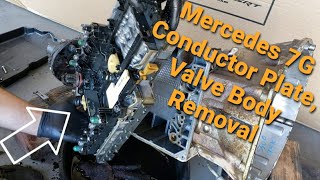
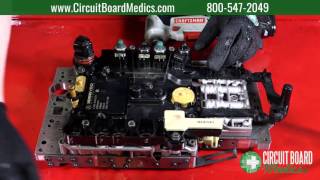
The 2010-2016 E-Class (W212, C207/A207) primarily uses the 7G-Tronic (722.9) automatic transmission. This transmission is known for a very common failure point: the conductor plate. This component, which is mounted on the valve body inside the transmission, houses the entire Transmission Control Module (TCM) and critical speed sensors. Over time, heat and vibration cause these integrated sensors to fail, leading to P0700 and other specific transmission codes. Because the conductor plate is a theft-relevant part (TRP) and is electronically coded to the vehicle's VIN, replacing it with a new unit requires special programming (SCN coding) that often necessitates a visit to a dealer or a specialized independent shop with the correct tools. Some companies offer a service to repair the original conductor plate, which can be a cost-effective alternative that avoids the need for reprogramming.
Generation note: This range covers the W212 sedan/wagon (2010-2016) and the C207/A207 coupe/cabriolet (2010-2017). All used variations of the 722.9 7G-Tronic or later 7G-Tronic Plus transmission. The primary cause of P0700, the conductor plate failure, is common across all of them. There were different versions of the conductor plate (VGS1, VGS2, VGS3), so the correct part must be used for the specific vehicle. Early models (pre-June 2010) used a different transmission fluid (ATF 134, "Red") than later models (ATF 134 FE, "Blue"), and using the correct fluid is critical.
Symptoms You May Notice
- Check Engine Light is on
- Vehicle enters 'limp mode' (stuck in a single gear, often 2nd)
- Harsh, jerky, or delayed gear shifts
- Loud clunk or bang when shifting into Drive or Reverse
- Transmission slipping between gears
- Inability to shift into Drive or Reverse
- Erratic or unpredictable shifting behavior
- Transmission will not shift into higher gears
- Replacing the entire transmission when only the conductor plate is needed.
- Clearing the P0700 code from the ECM without reading the specific codes from the TCM. The problem will return immediately because the underlying fault in the transmission has not been addressed.
- Mistaking a Mass Airflow (MAF) sensor failure for a transmission problem, as a faulty MAF can sometimes cause erratic shifting behavior.
Most Likely Causes
- Faulty Transmission Conductor Plate (TCM) 🔴 High Probability The integrated speed sensors on the 722.9 transmission's conductor plate are a well-documented, common failure point due to the harsh environment of heat and vibration inside the transmission. This is the most frequent cause for P0700 on this platform.
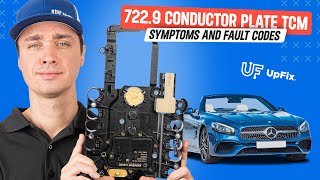
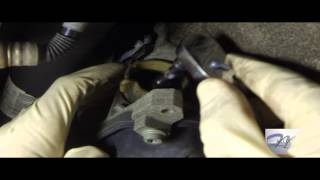
How to confirm: Scan the Transmission Control Module (TCM) with a Mercedes-specific scan tool. Look for companion codes like 0717, 0718 (Y3/8n1 Turbine Speed Sensor), 2767, 2768 (Y3/8n2 Internal Speed Sensor), or 0722, 0723 (Y3/8n3 Output Speed Sensor) which point directly to speed sensor failures 🎬 Watch: Diagnosing conductor plate fault codes 2767, 0717, and 0718 on the conductor plate.
Typical fix: Replace the conductor plate, transmission pan gasket, filter, bolts, and fluid. The new conductor plate must be programmed (SCN coded) to the vehicle. Alternatively, send the original conductor plate to a specialist for repair, which often requires no reprogramming.
Est. part cost: $300-$700 - Low or Leaking Transmission Fluid 🟡 Medium Probability The transmission electrical connector sleeve (pilot bushing) is a very common source of leaks on the 722.9 transmission. Fluid can wick up the wiring harness and damage other electronics. A low fluid level will cause hydraulic pressure issues, leading to shifting problems and overheating.
How to confirm: Visually inspect the transmission pan and the round electrical connector for leaks. 🎬 Watch: How to identify and fix a leaking pilot bushing Check the transmission fluid level using the proper procedure (requires a special dipstick tool and monitoring the fluid temperature, as there is no factory dipstick).
Typical fix: Repair the source of the leak (e.g., replace the connector sleeve) and perform a transmission fluid service, filling to the correct level with the specified fluid (MB 236.14 or 236.15).
Est. part cost: $15-$50 - Faulty Valve Body ⚪ Low Probability
How to confirm: This is typically diagnosed after replacing the conductor plate if shifting issues persist. Specific solenoid codes may be present, or symptoms like harsh 2-3 shifts or flared shifts may point to worn valve bores within the valve body itself. A technician may test solenoid resistance and operation.
Typical fix: Replace or remanufacture the entire valve body assembly. A new valve body often comes with a new conductor plate. Some specialists can ream worn valve bores and install oversized valves.
Est. part cost: $1000-$2500
Diagnosis Steps
- Confirm the P0700 code is present in the Engine Control Module (ECM) with a standard OBD-II scanner.
- Using a diagnostic tool capable of reading Mercedes-specific modules (like Xentry/DAS), access the Transmission Control Module (TCM).
- Read and record all fault codes stored in the TCM. These codes (e.g., 0717, 0718, 2767) will pinpoint the actual problem.
- Check the transmission fluid level and condition. This requires a special dipstick tool and checking the fluid at a specific temperature (usually 80°C). Note that these vehicles do not have a traditional dipstick.
- Inspect the transmission electrical connector (pilot bushing) for signs of fluid leakage. If fluid is present, the connector seal has failed and should be replaced.
- Based on the specific TCM codes, diagnose the faulty component. If speed sensor codes (Y3/8n1, Y3/8n2, Y3/8n3) are present, the conductor plate is the confirmed cause.
- If no speed sensor codes are present, investigate other possibilities like solenoid faults, valve body wear, or wiring issues. Resetting adaptations can be a temporary diagnostic step to see if shift quality improves.
Parts You'll Likely Need
- Transmission Conductor Plate (VGS2/VGS3)
(OEM #A0002702600 / A0034460310 / A0335457332)— This is the most common failure point on the 722.9 transmission that triggers a P0700 code. It contains the TCM and the speed sensors that fail. Part numbers vary, so VIN confirmation is essential.
Trusted brands: Genuine Mercedes-Benz, Bosch
OEM price range: $400-$700
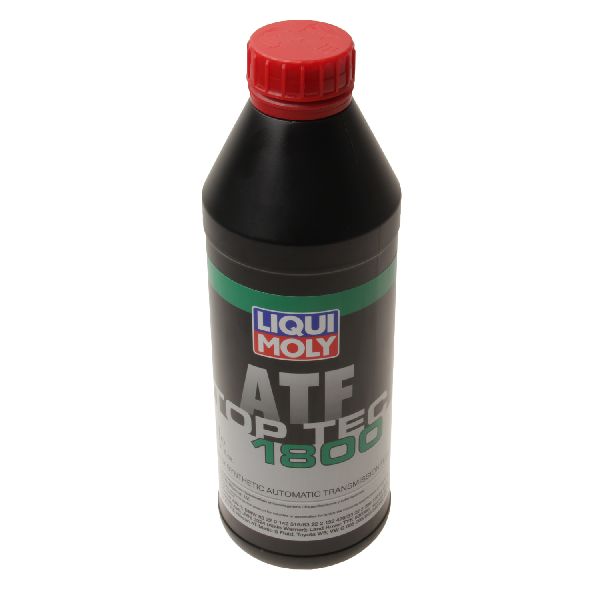
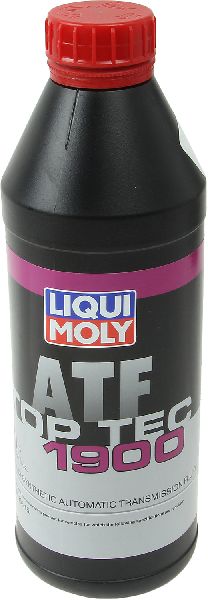
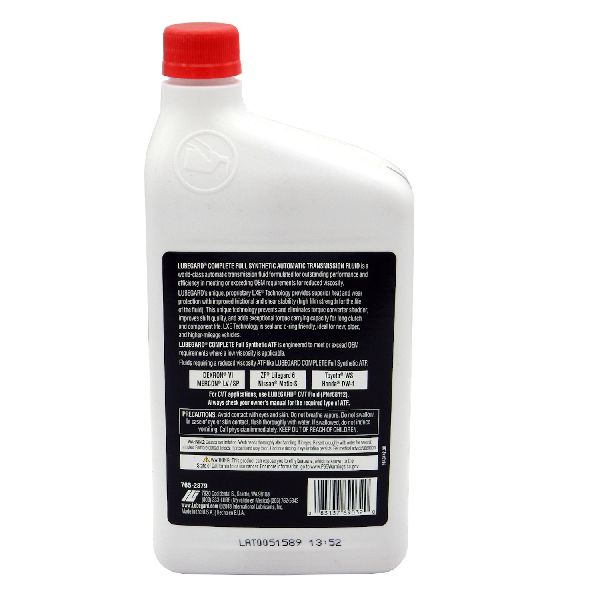
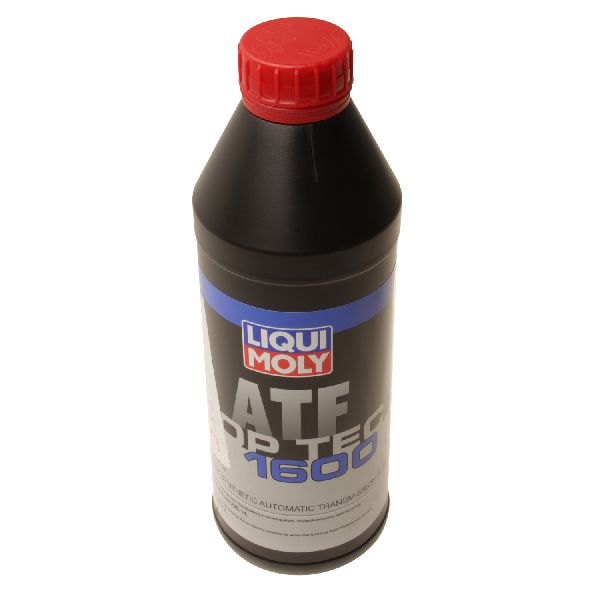
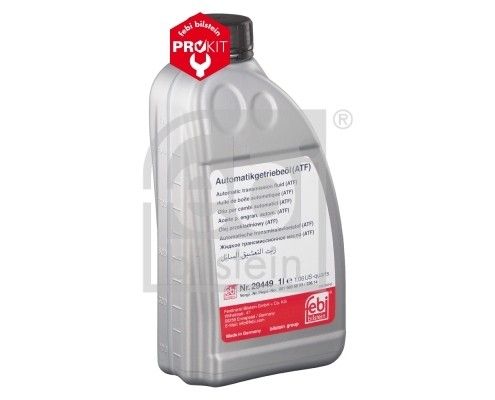
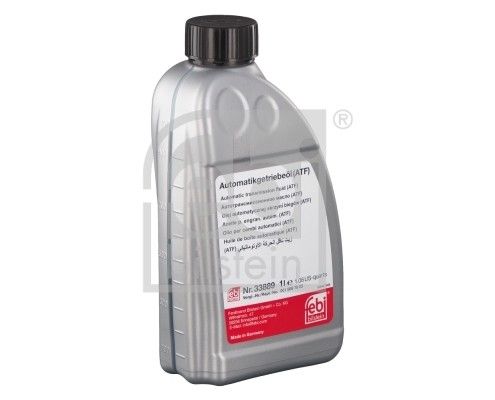
Aftermarket price range: $250-$450 (often remanufactured or requires a repair service) - Transmission Fluid Service Kit — Required when replacing the conductor plate. Includes a new pan gasket, filter, bolts, and the correct specification fluid (e.g., ATF 134 FE / MB 236.15 for later models or ATF 134 / MB 236.14 for earlier models).
Trusted brands: FCP Euro, Vaico, Febi, Genuine Mercedes-Benz
OEM price range: $150-$250
Aftermarket price range: $80-$150 - Transmission Electrical Connector Sleeve (Pilot Bushing)
(OEM #A2035400253)— This is a very common leak point and should be replaced whenever the transmission pan is dropped. It's an inexpensive part that prevents future leaks and potential fluid contamination of the wiring harness.
Trusted brands: Genuine Mercedes-Benz, Febi
OEM price range: $15-$25
Aftermarket price range: $10-$20
Related Codes That Often Appear With This One
- 0717 / P0717 — This code indicates 'The Signal From Component Y3/8N1 (Turbine Speed Sensor, VGS) Is Not Available.' This sensor is integrated into the conductor plate and is a classic sign of its failure.
- 0718 / P0718 — This code means 'Component Y3/8N1 (Turbine Speed Sensor, VGS) Is Defective.' This is a definitive fault with the conductor plate's internal turbine speed sensor.
- 2767 / P2767 — This code points to an issue with the 'Input/Turbine Speed Sensor 'B' Circuit' (Component Y3/8n2). This is another sensor integrated into the conductor plate.
- 0722 / P0722 — This code means 'The signal from component Y3/8N3 (Output Speed Sensor VGS) is not available,' pointing to another failed sensor on the conductor plate.
Technical Service Bulletins (TSBs) & Recalls
- While not a formal TSB, Mercedes acknowledged the issue of fading Burl Walnut wood trim in service documents, citing 'Inadequate UV (ultra violet) ray protection' as the cause, leading to a class-action lawsuit settlement.
Platform-Specific Known Issues
- A recall (NHTSA ID: 17V063000) was issued for some 2017 E-Class models for a faulty steering column-mounted shift lever module, which could also cause transmission control issues. While this is just outside the 2010-2016 range, it highlights the elect
Mechanic-Grade Diagnostic Values
- Resistance of Y3/8n1, Y3/8n2, Y3/8n3 speed sensors — expected: 1.2–1.8 kΩ. Failure: A reading outside of this range, such as 2.3 kΩ, indicates a failed sensor.
- Resistance of valve body solenoids (blue/green cap vs. black cap) — expected: Approximately 4.8 - 5.1 Ohms. Failure: A significantly different reading (e.g., 10 Ohms or 17 Ohms on a faulty multimeter) indicates a bad solenoid or poor measurement. Black-cap solenoids may have a slightly higher resistance than green-cap ones, but both should be close to 5 Ohms.
Hidden / Shadow Codes Worth Checking
- U010100 / U010187: Communication with control unit 'Transmission' has a malfunction. The message is missing. This is a CAN bus communication error, indicating the Engine Control Module (or other modules) has lost its connection to the TCM (conductor plate). (see via Mercedes Xentry/DAS diagnostic tool. Standard OBD-II scanners may not see these specific communication faults from other modules.)
- C322000: No CAN message was received from control unit 'Transmission'. This is an ESP (Electronic Stability Program) module fault code, indicating it also lost communication with the TCM. (see via Mercedes Xentry/DAS diagnostic tool.)
Scan Tool Commands That Help
- Xentry/DAS: SCN (Software Calibration Number) Coding — This is a mandatory procedure when installing a new, virgin conductor plate. It electronically 'marries' the new part to the vehicle's VIN and security system. Without SCN coding, the vehicle will not start or shift.
- Xentry/DAS: Transmission Adaptations Reset — After replacing a conductor plate or valve body, the adaptation values must be reset. This process teaches the TCM the specific clutch fill times and hydraulic pressures for the individual transmission, ensuring smooth shifts. Failure to perform this step can result in poor shift quality even with new parts.
- Xentry/DAS or equivalent: Clear codes in all modules — After a repair, especially a conductor plate repair/replacement, fault codes may be stored in the engine, transmission, and ESP modules. These must be cleared with a capable scanner to exit limp mode. A simple OBD-II clear command may not be sufficient.
Wiring & Ground Locations
- Main Engine/Transmission Ground Strap — A large braided cable running from the driver's side of the transmission bell housing to the vehicle chassis/body.. A corroded or loose main ground strap can cause a host of intermittent electrical issues, including communication errors between control modules. If the TCM cannot get a stable ground, it can lead to fault codes and limp mode. This is a critical check if other electrical gremlins are present.
- W10 Ground Point — The main battery negative cable connection point, typically at the front strut tower in the engine bay.. This is the primary ground point for the entire vehicle. Corrosion here (often appearing as green crust) can create voltage drops and unstable power for all modules, including the TCM.
- W16/4 Ground Point — Located in the front wheelhouse area, under or near the battery tray.. This is a key ground point for various engine bay components. Its location makes it susceptible to corrosion from water and road salt, potentially impacting related electronics.
Real Owner Repair Stories
- MBWorld.org Forums user (Mercedes ML with 722.6 transmission (similar diagnostic principles)) — Car went into limp mode. After replacing the conductor plate, the issue persisted with speed sensor codes 108 and 110.
❌ Tried (didn't work) Replaced conductor plate with an aftermarket (SKP) unit., Replaced valve body with a used unit., Checked pilot bushing and TCM for fluid wicking (both were dry).
✅ What actually fixed it The final diagnosis pointed towards a wiring issue between the transmission case connector and the transmission control module. The user was advised to perform a resistance check (Ohm test) on each individual wire in the harness to find the compromised wire, as the aftermarket conductor plate was not the root cause.
OEM Part Supersession History
VGS1 Conductor Plate→VGS2, VGS3— Design improvement and component updates.
Heads up: VGS1, VGS2, and VGS3 plates are not directly interchangeable without correct programming and potential valve body changes. For some early VGS1 failures, Mercedes required replacement of the entire valve body and conductor plate assembly as a unit. Repair services can often handle all three versions.
Model Year Variations Within This Range
- 2010-2013 (approx): These models typically used the 7G-Tronic transmission, which requires MB 236.14 fluid ("Red"). The service interval was shorter.
- 2013/2014-2016 (approx): Later models used the updated 7G-Tronic Plus transmission. This version was designed to support engine start/stop functionality (even if not equipped), had a more efficient torque converter, and used a different low-friction fluid, MB 236.15 ("Blue"). The service interval was extended, though many specialists recommend not exceeding the original interval.
Diagnostic Flowchart
Other Known Issues on This Vehicle
Issues unrelated to this code that are worth knowing about as an owner of this generation:
- Fading Burl Walnut Wood Trim 🟡 Low — Extremely common on vehicles with burl walnut trim (option code 731/H14). Fading can start within a few years due to inadequate UV protection. (Ref: A class-action lawsuit was settled regarding this issue, and Mercedes issued service bulletins instructing dealers to replace faded trim.)
- M276 Engine - Timing Chain Tensioner Rattle 🟠 Medium — Primarily affects early M276 V6 engines (approx. 2011-2014). A rattling noise for a few seconds on a cold start indicates wear. If ignored, it can lead to more significant timing system damage. (Ref: Mercedes issued a service bulletin and later updated the chain tensioners and check valves to resolve the oil supply issue on startup.)
- OM651 Diesel Engine - Timing Chain Wear 🔴 High — Can occur on higher mileage (80k-120k+ miles) OM651 4-cylinder diesel engines. A rattle from the rear of the engine on startup is the primary symptom. Failure can cause catastrophic engine damage. Regular oil changes are critical for prevention.
- Front Suspension Thrust Link/Control Arm Bushings 🟠 Medium — The rubber bushings in the front thrust links (control arms) can crack and fail, leading to clunking noises over bumps and uneven inner tire wear. This is a common wear item.
- M276 Engine - High-Pressure Fuel Pump (HPFP) Failure 🟠 Medium — Not as common as other issues, but failures can occur as the vehicles age. Symptoms include long cranks on cold starts, hesitation, and loss of power.
- Airmatic Suspension Leaks 🟠 Medium — On models equipped with air suspension, the air springs can develop leaks, causing the vehicle to sag at one corner, typically after being parked. The compressor can also wear out from running too often. Problems can start appearing after 80,000 km.
Used vs. New Parts: Buying Guide for This Vehicle
When a used part is the smart pick: A used conductor plate is almost never a good idea, as it is VIN-locked to the donor car and cannot be easily reprogrammed. The best alternative to a new OEM part is having your *original* conductor plate repaired and reinstalled, which avoids the need for programming. A used valve body (without the conductor plate) can be a viable option if the original is damaged or worn, but it should be thoroughly cleaned and inspected.
Donor-vehicle mileage cap: roughly under 80000 miles for the part to have meaningful remaining life.
What to inspect on the donor part:
- For a valve body, inspect for any signs of scoring on the valve bores.
- Check for sludge or metallic debris, which indicates a more severe internal transmission failure.
- Ensure all solenoids are present and the plastic housing isn't cracked.
OEM-only on this vehicle (don't cheap out):
- Transmission Conductor Plate (TCM): This is a 'Theft Relevant Part' (TRP). A new unit must be purchased from a dealer or authorized agent and requires SCN coding. A used unit is generally not programmable to a new vehicle.
Aftermarket brands forum-validated for this vehicle:
- Circuit Board Medics (Repair Service)
- UpFix (Repair Service)
- ECU Testing (Repair Service)
- ACTronics (Repair Service)
Brands owners have reported issues with on this vehicle:
- Unbranded, cheap aftermarket conductor plates have a high failure rate. A forum user reported an issue persisting even after installing a new aftermarket (SKP) plate, highlighting the risk of non-OEM electronics.
Real Owner Stories
Aggregated from forums and TSBs cited above. Mileages and costs reflect what owners reported in those sources.
2012 Mercedes-Benz E-Class (W212)
Symptoms: Transmission fault occurred for the second time; vehicle threw code P2767.
What fixed it: The owner compared a dealer quote for a rebuilt valve body/conductor plate assembly against an independent shop repair.
Cost: $1500-$2600
Source hint: MBWorld.org Forums, Thread: '722.9 transmission fault, second time: valve body/conductor plate (control unit)?'
2014 Mercedes-Benz E-Class
Symptoms: Discussion regarding the necessity of dealer-level tools for encoding a new conductor plate and the frustration of it being a 'theft-related part'.
What fixed it: Encoding the conductor plate using SDS/STAR tools or seeking third-party repair options.
Source hint: PeachParts Mercedes-Benz Forum, Thread: '722.9 conductor plate and encoding'
Related OBD-II Codes
Frequently Asked Questions
My 2012 E-Class is stuck in 2nd gear and won't shift. Is there a recall for this transmission issue?
I have P0700 and code 0717 on my W212. Can I just replace the conductor plate myself?
What specific transmission fluid should I use for my 2010-2016 E-Class service?
My E-Class has a clunking noise over bumps; is this related to the P0700 transmission code?
Is the fading wood trim in my E-Class covered by Mercedes-Benz?
I'm seeing P0700 and fluid near the transmission wiring. What is the likely cause?
Helpful Videos

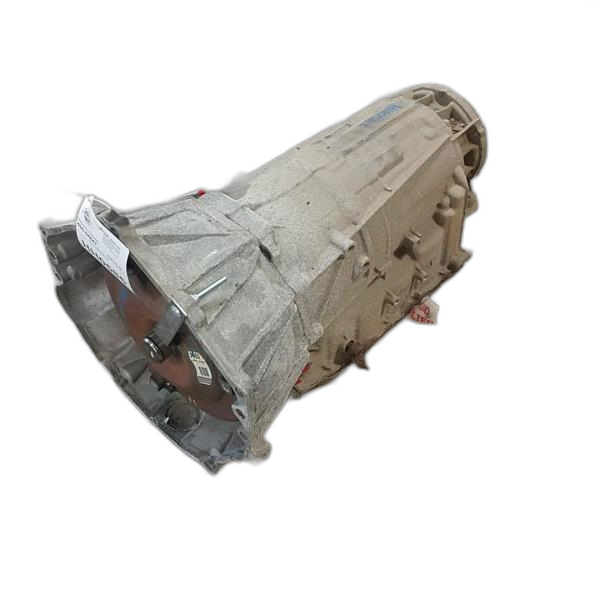
Used OEM Parts in Stock

New Aftermarket Parts Available

The information in this article is provided for general reference and educational purposes only. Vehicle specifications, procedures, and part compatibility can vary by production date, trim level, and region. Always consult your vehicle's factory service manual and verify part numbers before purchasing or performing repairs. Safety-critical components such as airbags, seat belts, and braking systems should be installed by a qualified professional.
- Mercedes-Benz E-Class:
- 🎬 Helpful Videos
- 🛍️ Shop This Part
- What's Unique About the 2010-2016 Mercedes-Benz E-Class
- Symptoms You May Notice
- Most Likely Causes
- Diagnosis Steps
- Parts You'll Likely Need
- Related Codes That Often Appear With This One
- Technical Service Bulletins (TSBs) & Recalls
- Platform-Specific Known Issues
- Mechanic-Grade Diagnostic Values
- Hidden / Shadow Codes Worth Checking
- Scan Tool Commands That Help
- Wiring & Ground Locations
- Real Owner Repair Stories
- OEM Part Supersession History
- Model Year Variations Within This Range
- Diagnostic Flowchart
- Other Known Issues on This Vehicle
- Used vs. New Parts: Buying Guide for This Vehicle
- Real Owner Stories
- 2012 Mercedes-Benz E-Class (W212)
- 2014 Mercedes-Benz E-Class
- Related OBD-II Codes
- Frequently Asked Questions
- 🎟️ Get 5% Off