

P0607 on 2006-2012 Toyota RAV4: Control Module Fault or Just an O2 Sensor?
On the 2006-2012 RAV4, code P0607 is most often a false alarm triggered by a failing downstream oxygen (O2) sensor, especially if you also have a code like P0138. Before suspecting a bad engine computer (ECM), check and replace the O2 sensor first. Also, verify battery voltage and ground connections are solid.
- Do not rush to replace the expensive Engine Control Module (ECM).
- If you have code P0607 along with an oxygen sensor code (especially P0138), the O2 sensor is the most likely culprit.
- If P0607 appears alone, check your battery, alternator, and all related electrical connections before anything else.
- When this code appears, your Traction Control (TRAC) and 4WD systems will likely be disabled as a safety measure.
- Use a quality brand like Denso or NGK for the replacement O2 sensor. Denso part number 234-4622 is a common fit for the 2.4L engine.
What's Unique About the 2006-2012 Toyota RAV4

For the 2006-2012 Toyota RAV4 (XA30 generation), the P0607 code has a very specific and common quirk. The ECM's self-diagnostic logic is highly sensitive to the inputs from the oxygen (O2) sensors. A failing downstream O2 sensor (Bank 1, Sensor 2) can send erratic voltage signals that the ECM interprets as an internal performance failure, setting the P0607 code when the ECM itself is perfectly fine. Mechanics and owners report that replacing the downstream O2 sensor, especially when accompanied by code P0138 (O2 Sensor Circuit High Voltage), resolves the P0607 code in a vast majority of cases. The official Toyota diagnostic procedure acknowledges this, instructing technicians to troubleshoot any O2 sensor codes (P0136, P0137, P0138) *before* addressing the P0607.
Symptoms You May Notice
- Check Engine Light is on
- TRAC OFF and 4WD lights are on
- Vehicle may stall or have trouble starting
- Reduced engine power or sluggish acceleration
- Poor fuel economy
- Rough or unstable idle
- Hesitation during acceleration
- Replacing the Engine Control Module (ECM) first. This is the most expensive part and usually not the root cause. Always diagnose O2 sensors and the electrical system before condemning the ECM.
- Ignoring the companion P0138 code. The P0138 is the key that unlocks the diagnosis. Fixing the cause of the P0138 code almost always resolves the P0607 as well.
Most Likely Causes

- Failing Downstream Oxygen (O2) Sensor 🔴 High Probability The ECM's diagnostic logic on this platform is sensitive to O2 sensor inputs. A fault in the sensor's circuit (like high voltage, code P0138) can mislead the ECM into flagging an internal performance error. The computer checks its own O2 sensor monitoring transistors, and a short in the sensor can make the computer think it has failed its own self-test.
How to confirm: Scan for other codes. If P0607 is accompanied by P0136, P0137, P0138, or P0139, the O2 sensor is the prime suspect. You can test the sensor's heater circuit resistance with a multimeter; a reading outside the 11-16 ohm range confirms a bad sensor. 🎬 Watch this DIY diagnostic guide to test the sensor yourself. A fixed voltage reading on a scan tool also indicates a failure.
Typical fix: Replace the downstream oxygen sensor (Bank 1 Sensor 2). On the 4-cylinder (2AZ-FE), this is located on the exhaust pipe after the catalytic converter, accessible from under the vehicle. Clear codes after replacement.
Est. part cost: $40-$150 - Poor Electrical Connection or Low Voltage 🟡 Medium Probability Like any vehicle, corroded battery terminals, a weak battery, or a failing alternator can cause voltage drops that disrupt the ECM's operation and trigger a performance code. Owners have reported cleaning corroded terminals temporarily resolved the issue, pointing to the system's sensitivity to voltage.
How to confirm: Test the battery voltage at rest (should be ~12.6V) and with the engine running (should be ~13.7-14.7V). Clean battery terminals and cable ends with a wire brush. Inspect and tighten all main ground straps from the battery to the chassis and from the chassis to the engine block.
Typical fix: Clean battery terminals and cable ends, tighten connections, or replace the battery or alternator if they fail testing.
Est. part cost: $5-$400 - Faulty Engine Control Module (ECM) ⚪ Low Probability While this is the direct definition of the code, actual ECM failure on Toyotas is uncommon compared to the other causes. It should only be considered after all other possibilities have been exhausted.
How to confirm: This is a diagnosis of exclusion. If all other causes (O2 sensors, wiring, power supply, grounds) have been thoroughly tested and ruled out, the ECM is the likely culprit. The factory service manual for a P0606 (a related code) simply says 'Replace ECM', indicating there are few external tests.
Typical fix: Replace the ECM. This requires programming by a dealer or specialized shop with Toyota Techstream software to sync with the vehicle's immobilizer.
Est. part cost: $200-$1000+
Rare But Worth Checking
- Water Intrusion in O2 Sensor Connector: A clogged A/C drain can cause water to leak into the cabin and onto the O2 sensor's electrical connector, which is often located under the passenger-side carpet. This can short the circuit and trigger both P0138 and P0607. While some online sources mention this, other videos for the 2012 RAV4 show the connector is accessible from underneath, not inside the cabin, so location may vary by year and engine.
- Loose Air Intake Hose: A significant unmetered air leak between the mass airflow sensor and the throttle body can cause drivability issues that, in some cases, may contribute to the ECM setting a performance code. One owner on Reddit reported this as the initial trigger for their P0607 issue.
- ECM Software/Firmware Issue: In some rare cases, the P0607 code can be triggered by a software glitch. A dealer may be able to reflash the ECM with an updated firmware version. This is uncommon but has been noted for other Toyota models.
Diagnosis Steps

- Scan for all OBD-II codes. If P0607 is present with any O2 sensor codes (like P0138), prioritize diagnosing the O2 sensor first.
- If O2 sensor codes are present, inspect the sensor's wiring and connector for damage, corrosion, or water intrusion. The downstream sensor is located on the exhaust pipe after the catalytic converter.
- Test the O2 sensor's heater circuit resistance with a multimeter. A healthy sensor should measure between 11-16 ohms. Also check for a fixed voltage output on a scan tool.
- If P0607 is the only code, start with the basics. Check for loose air intake hoses between the air filter box and the engine.
- Inspect battery terminals for corrosion and ensure they are tight. Clean them thoroughly with a wire brush.
- Test the battery and charging system. A healthy battery should be around 12.6V with the engine off and 13.7-14.7V when running. A weak alternator or battery can cause this code.
- Inspect the main engine ground straps and ECM power connections for tightness and corrosion. Follow the negative battery cable to its chassis connection point.
- If all the above checks pass, the final step is to consider a faulty ECM. This is a diagnosis of exclusion and is the least likely cause.
Parts You'll Likely Need
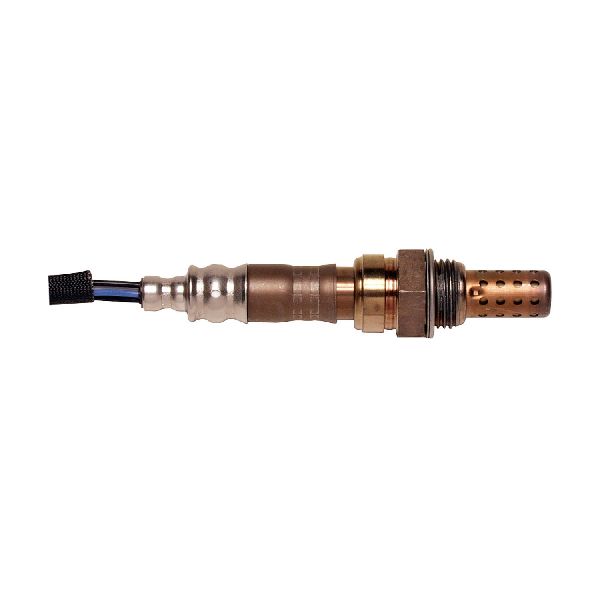
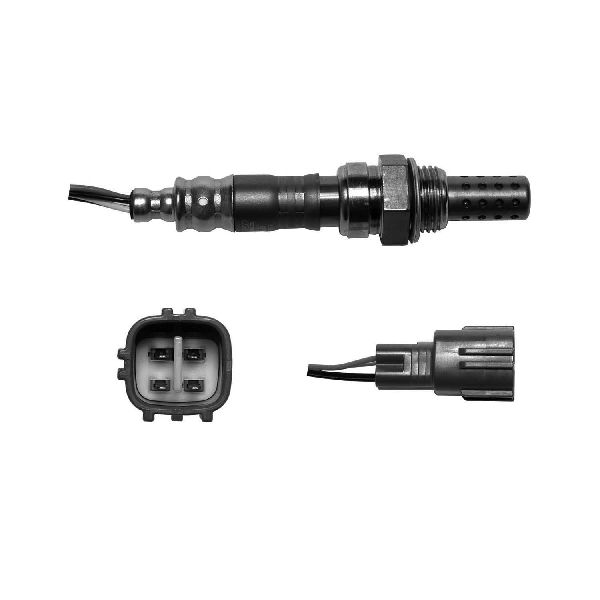
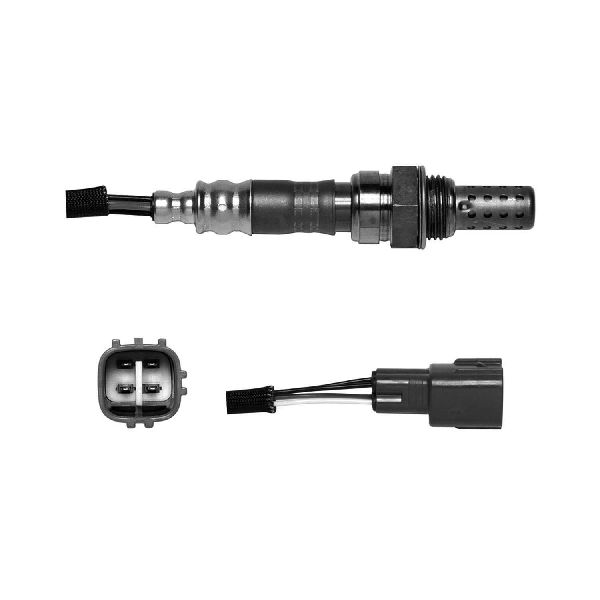
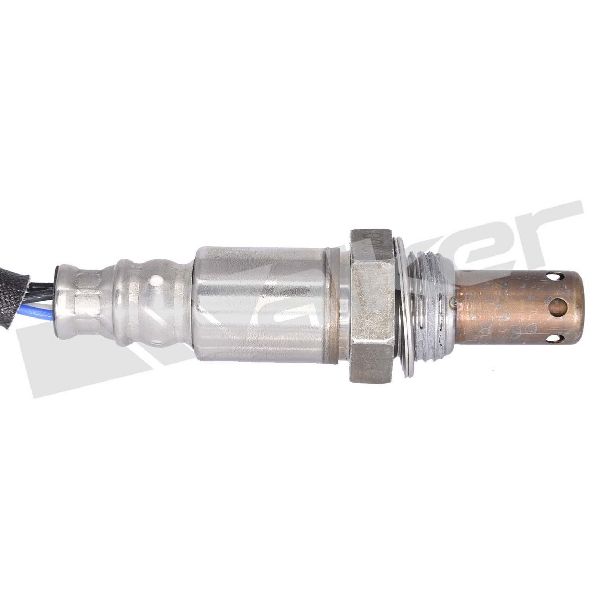
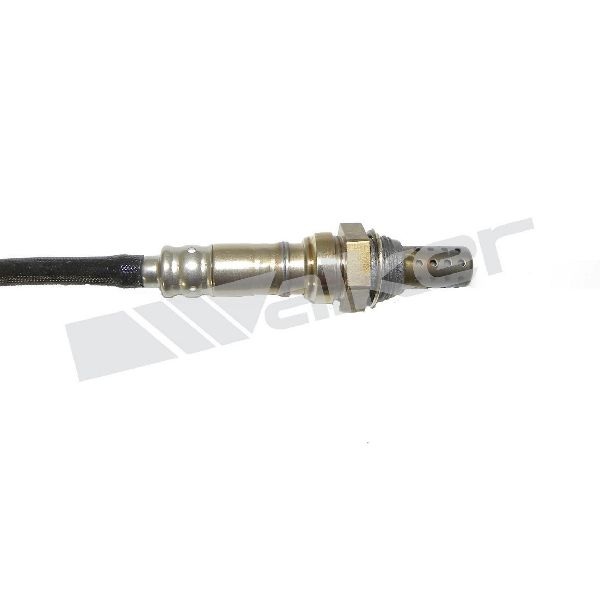
- Downstream Oxygen Sensor (Bank 1, Sensor 2)
(OEM #89465-42170)— This is the most frequent cause of code P0607 on this vehicle, especially when paired with code P0138. Denso is the Original Equipment Manufacturer (OEM). The equivalent Denso part number is often 234-4622.
Trusted brands: Denso, NGK/NTK
OEM price range: $117-$175
Aftermarket price range: $40-$90
Related Codes That Often Appear With This One
- P0138 — O2 Sensor Circuit High Voltage (Bank 1 Sensor 2). This is the most common companion code and strongly indicates the O2 sensor is the true cause of the P0607.
- P0136, P0137, P0139 — These are other fault codes related to the downstream O2 sensor circuit, all of which point to the sensor or its wiring as the likely problem.
- P0606 — ECM/PCM Processor Fault. This is a more severe version of P0607. Even with this code, the root cause is often still the downstream O2 sensor.
- P1603, P1604 — Engine Stall History and Startability Malfunction. NHTSA ODI #11715035 describes a case where these codes appeared alongside P0607 after multiple warning lights illuminated.
Platform-Specific Known Issues
- Owner Repair Story: The Whack-a-Mole Experience: An owner on Reddit with a 2012 RAV4 detailed a year-long battle with an intermittent P0607. They first fixed a loose intake hose, which solved it temporarily. Then, they cleaned corroded battery terminals, which also worked for a while. Finally, they replaced the battery, but the code returned. This story highlights the importance of checking the simple, low-cost items (hoses, connections) first, as they can be the root cause.
- DIY Repair Video: O2 Sensor Replacement: A YouTube video by 'Fix It All' for a 2012 RAV4 with P0607 and P0138 shows the entire process of replacing the downstream O2 sensor. The video clarifies that on this model, the connector is accessible from underneath the car near the oil pan, not from inside the cabin. The creator also notes that a basin wrench was needed to get the old sensor off when a standard O2 sensor socket wouldn't fit.
Mechanic-Grade Diagnostic Values
- Downstream O2 Sensor (B1S2) Heater Resistance — expected: 11 to 16 ohms at 68°F (20°C) for the 2AZ-FE engine. Some sources state a wider 5-10 ohm range may be acceptable.. Failure: An open circuit (infinite resistance) or a direct short (near zero ohms) indicates a failed heater element. A reading outside the specified range also points to a faulty sensor.
- ECM Power Supply Voltage at Connector — expected: 9 to 14 V with ignition switch ON.. Failure: Voltage below 9V suggests a problem with the battery, alternator, or the power supply wiring to the ECM.
- ECM Ground Circuit Resistance — expected: Below 1 ohm.. Failure: Resistance higher than 1 ohm indicates a poor ground connection, which can cause floating voltages and trigger performance codes.
- Downstream O2 Sensor Live Data Voltage (Scan Tool) — expected: Should fluctuate. On many Toyotas, a healthy downstream sensor will read relatively steady around 0.6-0.8V when the catalyst is hot and efficient.. Failure: A voltage that is fixed high (e.g., above 0.9V, triggering P0138) or fixed low points to a sensor or wiring fault.
Scan Tool Commands That Help
- Toyota Techstream: Health Check — Always perform a full health check first. It may reveal additional 'information codes' or codes in other modules (like ABS/VSC) that a generic OBD-II scanner might miss, providing more context for the P0607.
- Toyota Techstream: Freeze Frame Data — Crucial for P0607. Check the freeze frame data for *both* the P0607 and any accompanying codes like P0138. The data for the P0138 is often more revealing, showing engine conditions at the exact moment the O2 sensor circuit failed, which is the likely trigger for the P0607.
Wiring & Ground Locations

- ECM Ground Points (2AZ-FE) — The primary ECM grounds are typically located on the cylinder head and the intake manifold. Look for wire harnesses with multiple black-and-white wires bolted directly to the engine.. A loose or corroded engine ground is a common cause of erratic ECM behavior and can trigger a P0607. The ECM relies on a stable ground reference for all its calculations and sensor readings.
- Chassis Ground Point — The main battery-to-chassis ground is located near the battery, where the negative cable bolts to the vehicle's frame/body. Another critical ground strap runs from the chassis to the engine block.. Corrosion at this primary ground point can cause system-wide low voltage issues, directly impacting the ECM's stability and potentially causing a P0607.
- ECM Connector B30, Pin 104 (E1) — This is a primary ground pin on the ECM itself. The ECM connectors are located behind the glove box.. When diagnosing a persistent P0607 with no other obvious cause, a technician would perform a continuity test from this pin to a known good chassis ground to verify the integrity of the ground circuit within the harness.
Real Owner Repair Stories
- Reddit user in r/AskMechanics (2012 Toyota RAV4, 95k miles) — Intermittent Check Engine, TRAC OFF, and 4WD lights, with only code P0607 present.
❌ Tried (didn't work) Tightening a loose air intake hose (fixed it temporarily)., Cleaning corroded battery terminals (fixed it temporarily)., Replacing the battery with a new one (code returned).
✅ What actually fixed it The user was advised by forum members that the next logical step, given the symptoms and platform, was to replace the downstream O2 sensor, as it is the most common underlying cause even when no O2 sensor code is present initially. The story highlights the intermittent nature and how basic electrical fixes can temporarily resolve the symptoms without addressing the root cause. - NHTSA ODI #11229921 — An owner reported that the check engine light, TRAC OFF light, and 4x4 light had been coming on and off for several days. Despite the P0607 code, the owner noted the vehicle was driving fine and showing no symptoms typically associated with that error.
When the Usual Fixes Don't Work
- While the downstream O2 sensor is the most common culprit, there are documented cases where the P0607 code persisted even after replacing the sensor. One Reddit user with a 2012 RAV4 experienced this, having tried fixing a loose intake hose, cleaning battery terminals, and replacing the battery, with the code always returning. In such scenarios, the next step is a meticulous inspection of the main power and ground wiring to the ECM for corrosion or damage, followed by checking for less common causes like a failing alternator providing unstable voltage, before condemning the ECM itself.
OEM Part Supersession History
89465-42170→This part number appears to be stable for the 2006-2008 2.4L RAV4 and has not been superseded by a major revision. However, always verify fitment with a VIN.— N/A
Heads up: Be cautious with aftermarket sensors. While brands like Denso (OEM) and NTK are highly recommended, some owners report that cheaper, no-name brand sensors can fail quickly or not meet the ECM's strict parameters, causing codes to return.
Diagnostic Flowchart
Other Known Issues on This Vehicle
Issues unrelated to this code that are worth knowing about as an owner of this generation:
- Excessive Oil Consumption (2.4L 2AZ-FE Engine) 🔴 High — Very common, particularly on 2006-2008 models. Can start as early as 60,000 miles. Consumption of 1 quart per 1,200 miles is considered 'acceptable' by Toyota, but many burn more. (Ref: Warranty Enhancement Program (ZE7) / T-SB-0158-14. This program has expired but acknowledged the issue was due to defective piston and oil control ring design.)
- Steering Intermediate Shaft Clunk 🟠 Medium — Widespread issue causing a 'clunk' or 'pop' noise in the steering wheel at low speeds. Not a safety failure, but a significant annoyance. (Ref: T-SB-0033-11 (supersedes T-SB-0318-08). The fix is to replace the intermediate shaft with an updated part (P/N: 45221-42071).)
- Water Leaks into Rear Cargo/Spare Tire Area 🟡 Low — Commonly reported. Water enters through failed body seams, deteriorated tailgate weatherstripping, or clogged roof rack mounting points, pooling in the spare tire well.
Used vs. New Parts: Buying Guide for This Vehicle
When a used part is the smart pick: A used Engine Control Module (ECM) from a reputable salvage yard can be a cost-effective option if the original is confirmed faulty. Ensure the part number matches exactly. However, it will require reprogramming by a dealer or a specialized shop with Toyota Techstream software to sync with your vehicle's immobilizer system.
Donor-vehicle mileage cap: roughly under 150000 miles for the part to have meaningful remaining life.
What to inspect on the donor part:
- For an ECM, check for any signs of water damage, corrosion on the pins, or physical damage to the case.
- Verify the donor vehicle was not involved in a flood or fire.
- Obtain the VIN of the donor car to cross-reference part compatibility if possible.
OEM-only on this vehicle (don't cheap out):
- Engine Control Module (ECM): While a used OEM part is viable, avoid aftermarket or 'repaired' ECMs from unknown sources, as they often have reliability issues.
Aftermarket brands forum-validated for this vehicle:
- For Oxygen Sensors: Denso (OEM supplier) and NGK/NTK are the most recommended brands to ensure compatibility and longevity.
Brands owners have reported issues with on this vehicle:
- For Oxygen Sensors: Generic, unbranded, or 'white-box' oxygen sensors from online marketplaces. Owners frequently report these parts failing prematurely or not operating within the precise tolerances Toyota's ECM expects, leading to the same codes returning.
Real Owner Stories
Aggregated from forums and TSBs cited above. Mileages and costs reflect what owners reported in those sources.
2012 Toyota RAV4
Symptoms: Intermittent P0607 code over a year; Check Engine, TRAC OFF, and 4WD lights all coming on at the same time.
What fixed it: The owner initially found relief by tightening a loose intake hose and cleaning corroded battery terminals, though the issue eventually required a battery replacement.
Source hint: Reddit r/AskMechanics (2024): 'Best way to troubleshoot a P0607 on a 2012 Toyota RAV4 ?'
2012 Toyota RAV4
Symptoms: P0607 accompanied by code P0138.
What fixed it: Replacement of the downstream O2 sensor using a basin wrench because a standard O2 sensor socket would not fit.
Source hint: YouTube video by 'Fix It All' for a 2012 RAV4
2012 Toyota RAV4
Symptoms: Multiple warning lights illuminated; OBD2 scan retrieved codes P0607, P1603, and P1604.
What fixed it: The vehicle was taken to an independent mechanic for diagnosis after initial scanning at a local parts store.
Source hint: NHTSA ODI #11715035
Related OBD-II Codes
Frequently Asked Questions
My 2012 RAV4 has P0607 and P0138; where is the sensor located?
Can a loose air intake hose cause a P0607 on my RAV4?
Is there a TSB for the excessive oil consumption on my 2006-2008 RAV4 2.4L?
Why are my TRAC OFF and 4WD lights on along with the Check Engine light?
What is the specific resistance range for testing the O2 sensor on this vehicle?
My steering makes a clunking noise at low speeds; is this related to P0607?
Helpful Videos
We Have This Part in Stock


The information in this article is provided for general reference and educational purposes only. Vehicle specifications, procedures, and part compatibility can vary by production date, trim level, and region. Always consult your vehicle's factory service manual and verify part numbers before purchasing or performing repairs. Safety-critical components such as airbags, seat belts, and braking systems should be installed by a qualified professional.
- Toyota RAV4:
- 🎬 Helpful Videos
- 🛍️ Shop This Part
- What's Unique About the 2006-2012 Toyota RAV4
- Symptoms You May Notice
- Most Likely Causes
- Rare But Worth Checking
- Diagnosis Steps
- Parts You'll Likely Need
- Related Codes That Often Appear With This One
- Platform-Specific Known Issues
- Mechanic-Grade Diagnostic Values
- Scan Tool Commands That Help
- Wiring & Ground Locations
- Real Owner Repair Stories
- When the Usual Fixes Don't Work
- OEM Part Supersession History
- Diagnostic Flowchart
- Other Known Issues on This Vehicle
- Used vs. New Parts: Buying Guide for This Vehicle
- Real Owner Stories
- 2012 Toyota RAV4
- 2012 Toyota RAV4
- 2012 Toyota RAV4
- Related OBD-II Codes
- Frequently Asked Questions
- 🎟️ Get 5% Off