

P0606 on 2020-2023 Cadillac CT4: BCM Fault Causes and Fixes
On a 2020-2023 Cadillac CT4, code P0606, while generically meaning an ECM/PCM processor fault, is specifically addressed by a GM Technical Service Bulletin (TSB) that points to the Body Control Module (BCM). The most likely fix is a BCM software update performed by a dealer, not a costly ECM replacement. This issue is shared across many modern GM vehicles like the CT5 and Corvette.
- For a 2020-2023 Cadillac CT4, P0606 is not a typical ECM failure code. Always suspect a Body Control Module (BCM) software issue first.
- Reference GM Technical Service Bulletin #PIT5946, which is the authoritative guide for this specific problem.
- Do NOT replace the expensive Engine Control Module (ECM) or Body Control Module (BCM) before a dealer has attempted a software update.
- Always ensure the vehicle's battery is in excellent health, as low voltage is a common trigger for various module processor faults on modern GM vehicles.
What's Unique About the 2020-2023 Cadillac CT4
What makes the Cadillac CT4 unique regarding P0606 is the direct involvement of the Body Control Module (BCM). While P0606 almost universally points to a failed Engine Control Module (ECM), GM has identified that on this specific platform (and others with the Global B / VIP architecture), the BCM can set this code due to a software anomaly. This is a critical distinction that can save owners from a very expensive and unnecessary ECM replacement. The official TSB explicitly advises against replacing the BCM and instead directs technicians to check a specific software parameter and perform an update if necessary.
Diagnostic Flowchart
Tap your situation to follow the diagnostic path that matches what you're seeing on this vehicle.
Symptoms You May Notice
- Check Engine Light is on
- Service StabiliTrak message on Driver Information Center 🎬 Watch this fix for Cadillac Service Stabilitrak messages (DIC)
- Issues with HVAC (heating, ventilation, and air conditioning) operation
- Problems with interior or exterior lighting
- Various other messages appearing on the Driver Information Center (DIC)
- Engine may stall or not start
- Erratic automatic transmission performance
- False warnings for other systems (e.g., transmission, traction control)
- Replacing the Engine Control Module (ECM) without first checking for BCM software updates per TSB PIT5946.
- Replacing the ECM when the actual fault is a weak battery or poor connection causing a voltage-related processor fault.
- Replacing the ECM when a faulty camshaft position sensor is the root cause, as warned in TSB 17-NA-132.
- Replacing sensors that may have set other codes. A P0606 fault can cause the primary computer to misinterpret data from perfectly good sensors and set false secondary codes.
Most Likely Causes
- Body Control Module (BCM) Software Anomaly 🔴 High Probability A specific software issue is identified in GM TSB #PIT5946 for this vehicle range and its platform mates.
How to confirm: A technician with a GM-specific scan tool (GDS2) must navigate to: Module Diagnostics > Body Control Module > Identification Information > Internal Control Module Performance Data. If only the 'Program Flow Monitoring Status' parameter is 'Active' while all others are 'Inactive', it points to this specific software issue.
Typical fix: Reprogramming the BCM with the latest calibration available in GM's Techline Connect system. The TSB explicitly states NOT to replace the BCM for this condition. If the software is current and the parameter is still active, the TSB advises to clear codes and take no further action as engineering is aware of the condition.
Est. part cost: $0 (if under warranty) - Weak or Failing Battery 🟡 Medium Probability Modern control modules across the GM lineup, especially on the sensitive Vehicle Intelligence Platform (VIP), are highly dependent on stable voltage. Low voltage during startup or operation can cause processor faults in the BCM, ECM, or other modules, triggering a P0606 code.
How to confirm: Perform a professional load test on the battery. A simple voltage check is not sufficient. The battery should be tested to ensure it can supply adequate cranking amps and maintain stable voltage. Resting voltage should be above 12.4V.
Typical fix: Replace the vehicle's battery and clear all diagnostic trouble codes using a scan tool.
Est. part cost: $150-$350 - Faulty Engine Control Module (ECM) ⚪ Low Probability While less likely due to the specific BCM TSB, an actual internal failure of the ECM processor 🎬 Watch: How to diagnose an ECM processor error code remains a possibility for any P0606 code. In some cases, a separate software anomaly in the ECM itself can cause P0606, which is also addressed by a software update per GM TSB 20-NA-137.
How to confirm: This is a diagnosis of exclusion. If BCM software is up to date, the battery and charging system are perfect, and all power/ground connections to the ECM are verified clean and tight, the ECM itself is the likely culprit.
Typical fix: Replacement of the ECM, which must be programmed to the vehicle's VIN by a dealer or qualified specialist shop using Techline Connect. 🎬 See how to program GM modules using Techline software
Est. part cost: $600-$1200
Rare But Worth Checking
- Faulty Camshaft Position Sensor: GM TSB 17-NA-132 warns that on some vehicles, an open in the camshaft position sensor circuit can cause the ECM to set a P0606 during engine cranking *instead* of the correct cam sensor code. Before replacing the ECM for a P0606, especially if it occurs with a no-start, the cam sensor circuit should be inspected.
- Poor Power or Ground Connections: Corroded or loose connections to the BCM or ECM can mimic module failure by causing unstable voltage. A thorough inspection of the wiring harness and key ground points (such as G101, G102, G104) is a crucial step before replacing any modules.
- Faulty Alternator: An alternator that is undercharging or, more critically, overcharging can create voltage spikes or unstable power that damages sensitive control modules, leading to a P0606 code. The charging voltage should be stable between 13.5V-14.5V with the engine running.
Diagnosis Steps
- Connect a professional-grade scan tool (GM MDI 2 with GDS2 software is required for the specific TSB procedure).
- Check for any Technical Service Bulletins (TSBs) related to P0606 for the specific vehicle VIN. Note TSB #PIT5946 and TSB #17-NA-132.
- Scan all modules for DTCs. Note which module has set the P0606 code (ECM, BCM, etc.).
- If the BCM has set the code, follow the diagnostic procedure in TSB #PIT5946. Navigate to: Module Diagnostics > Body Control Module > Identification Information > Internal Control Module Performance Data.
- Review the parameters. If only the 'Program Flow Monitoring Status' is 'Active', the BCM software is the likely cause.
- Check if the BCM software is up to date. If not, reprogram it with the latest calibration using Techline Connect. Clear codes and re-test.
- If the BCM software is current but the 'Program Flow Monitoring Status' remains 'Active', the TSB advises to clear codes and take no further action. Do not replace the BCM.
- If the BCM is not the cause, perform a full health test on the battery (load test) and charging system. Voltage should be stable and within 13.5V-14.5V when the engine is running.
- Inspect all power and ground connections to the ECM and BCM for tightness and corrosion. Pay special attention to likely engine bay grounds such as G101, G102, and G104.
- If the code appeared during a no-start condition, inspect the camshaft position sensor and its circuit per TSB 17-NA-132 before condemning the ECM.
- If all other steps fail to resolve the issue, the ECM is likely faulty and requires replacement and programming.
Parts You'll Likely Need
- Body Control Module (BCM) Reprogramming — This is not a physical part, but a service. TSB #PIT5946 identifies a software update as the primary fix for P0606 set by the BCM on this vehicle.
OEM price range: $100-$250 (Labor, if not under warranty)
Aftermarket price range: N/A - Engine Control Module (ECM)
(OEM #VIN-dependent, ACDelco E41 family (e.g., 12720006, 12711509))— If the BCM is ruled out and all electrical checks pass, the ECM itself has likely failed, which is the traditional cause of a P0606 code.
Trusted brands: ACDelco
OEM price range: $600-$1200
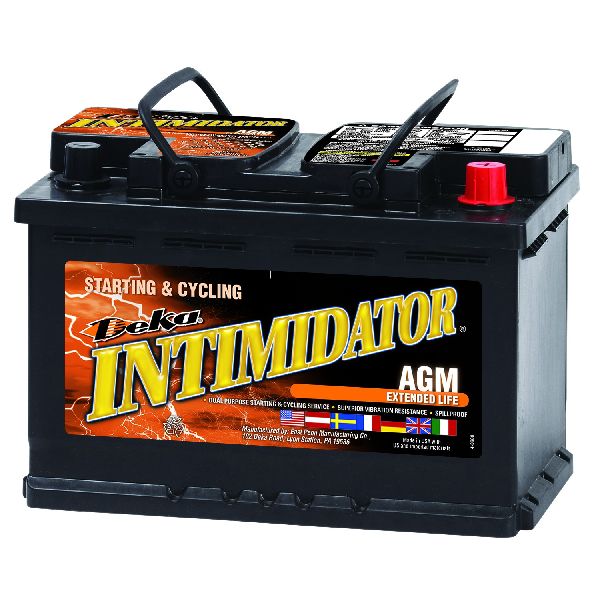
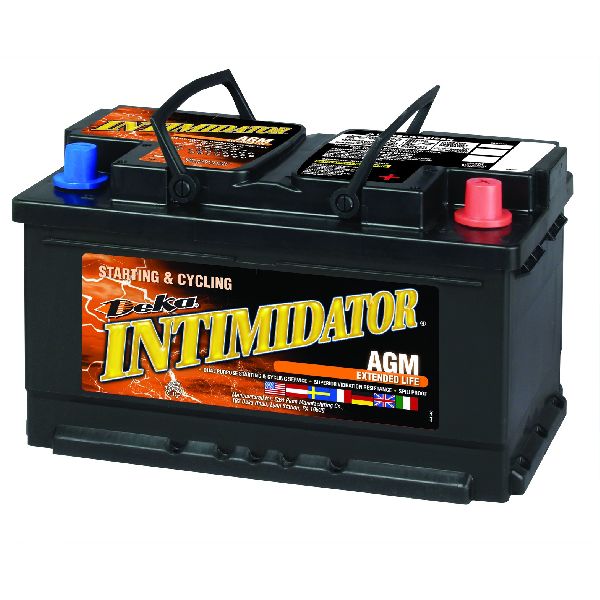
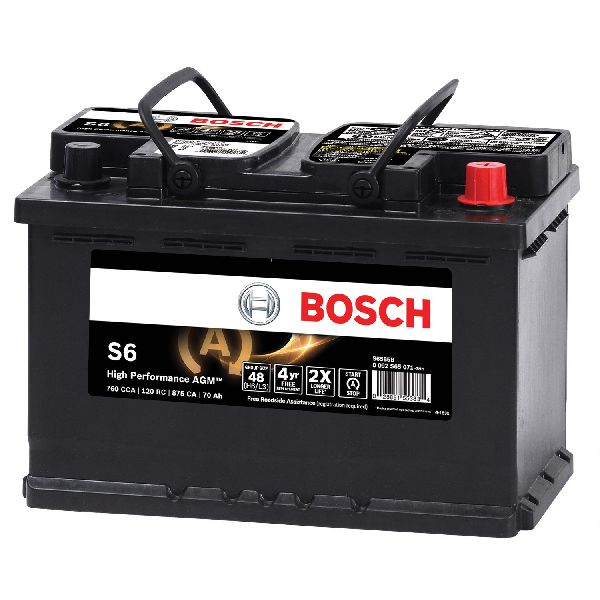
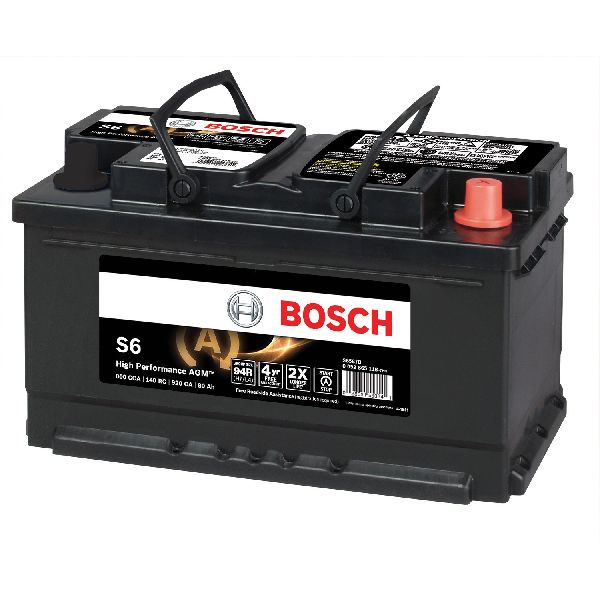
Aftermarket price range: $400-$800 (Remanufactured) - Battery — A weak or failing battery is a common cause of voltage-sensitive module faults like P0606 on modern GM vehicles.
Trusted brands: ACDelco
OEM price range: $200-$400
Aftermarket price range: $150-$350
Related Codes That Often Appear With This One
- P0562 — This code for 'System Voltage Low' is a strong clue that a weak battery or charging system problem is the root cause of the module processor fault.
- U-codes (e.g., U0100, U0140) — Communication codes often appear with P0606. If the BCM or ECM is malfunctioning due to a software or internal hardware fault, it may stop communicating with other modules on the vehicle's CAN and Ethernet networks.
Technical Service Bulletins (TSBs) & Recalls
- PIT5946C: The primary bulletin for this issue. Addresses a P0606 code being set by the Body Control Module (BCM) and provides a specific software-based diagnostic and repair path. It explicitly warns not to replace the BCM.
- 17-NA-132: An important related bulletin warning that a faulty camshaft position sensor can cause a false P0606 in the ECM during cranking, leading to a common misdiagnosis.
Platform-Specific Known Issues
- A known software anomaly in the Body Control Module (BCM) can cause it to set a P0606 code, as documented in GM TSB #PIT5946. The bulletin advises that a software update is the correct repair. Crucially, if the update is already installed and the code persists with a specific parameter active, the TSB instructs technicians to take no further action and not replace the module.
Mechanic-Grade Diagnostic Values
- Battery Voltage, Key Off — expected: ~12.4V to 12.6V. Failure: Voltage below 12.4V indicates a discharged or failing battery that can cause module glitches.
- Charging System Voltage, Engine Running — expected: ~13.5V to 14.5V. Failure: Voltage that is too low, too high, or fluctuating can indicate a faulty alternator, causing power instability for control modules.
Scan Tool Commands That Help
- GM MDI 2 with Techline Connect: SPS2 (Service Programming System 2) — This is the required tool and software for any module (BCM, ECM) reprogramming or replacement on the Vehicle Intelligence Platform (VIP) / Global B architecture used by the 2020+ CT4. Using older tools can result in programming failure or module damage.
Wiring & Ground Locations
- BCM (Body Control Module) — Likely located under the driver's side of the instrument panel, behind the kick panel. It is often held in by clips for tool-less removal.. The BCM is the primary suspect for this code on the CT4 per TSB #PIT5946. Checking its connectors for corrosion or looseness is a key physical check.
- G101 (Ground) — Likely located on the left radiator core support.. On similar GM platforms, this ground serves the Engine Control Module (ECM). A poor connection here can cause a variety of faults, including processor codes like P0606.
- G104 (Ground) — Likely located on the right front of the engine compartment.. This is another primary ground point in the engine bay. Verifying it is clean and tight is essential before condemning an expensive control module.
- G103 (Ground) — Likely located at the left rear of the engine compartment on the cowl, above the brake booster.. On other GM vehicles, this ground point serves the BCM, Instrument Panel Cluster (IPC), and Data Link Connector (DLC). A fault here could directly cause the BCM to set codes.
Helpful Videos

Used OEM Parts in Stock



New Aftermarket Parts Available


The information in this article is provided for general reference and educational purposes only. Vehicle specifications, procedures, and part compatibility can vary by production date, trim level, and region. Always consult your vehicle's factory service manual and verify part numbers before purchasing or performing repairs. Safety-critical components such as airbags, seat belts, and braking systems should be installed by a qualified professional.
- Cadillac CT4:
- 🎬 Helpful Videos
- 🛍️ Shop This Part
- What's Unique About the 2020-2023 Cadillac CT4
- Diagnostic Flowchart
- Symptoms You May Notice
- Most Likely Causes
- Rare But Worth Checking
- Diagnosis Steps
- Parts You'll Likely Need
- Related Codes That Often Appear With This One
- Technical Service Bulletins (TSBs) & Recalls
- Platform-Specific Known Issues
- Mechanic-Grade Diagnostic Values
- Scan Tool Commands That Help
- Wiring & Ground Locations
- 🎟️ Get 5% Off