

P0606 on 2007-2013 BMW X5: DME Processor Fault Causes and Fixes
P0606 on a 2007-2013 BMW X5 indicates a critical internal failure of the engine computer (DME/DDE). While the DME itself may have failed, the code is often triggered by a weak battery, a corroded engine ground strap, or, on diesel models, a fuel leak into the wiring harness. Always diagnose and rule out these external power supply and wiring issues before replacing the expensive engine computer.
- P0606 is a critical fault indicating the engine computer (DME/DDE) has an internal processor error.
- DO NOT immediately replace the DME. First, thoroughly test the battery, alternator, and inspect all main power and ground connections.
- On diesel (35d) models, it is essential to check the DDE's main electrical connector for diesel fuel contamination from a leaking sensor.
- If the DME/DDE must be replaced, it requires professional programming to match your vehicle's VIN and security system.
- Do not drive the vehicle with this code, as the engine could shut down without warning.
What's Unique About the 2007-2013 BMW X5
For the E70 X5, this code demands a careful check of external factors before condemning the DME/DDE. The platform's complex electrical system is highly sensitive to battery voltage and ground integrity, which can mimic DME failure. A unique and critical issue exists for the diesel (35d) models equipped with the M57 engine: the fuel rail pressure sensor can leak diesel fuel internally. This fuel can then wick up the wiring harness and contaminate the DDE module's main connector, causing short circuits and triggering a P0606 code. Always check the DDE connector for fuel on diesel engines before assuming the module itself is bad.
Symptoms You May Notice
- Engine will not start or is very difficult to start.
- Engine stalls suddenly while driving or idling.
- Vehicle enters a reduced power 'limp mode' with a warning on the iDrive screen.
- Check Engine Light is illuminated.
- Noticeable decrease in fuel economy.
- Rough idle and engine misfires.
- Multiple warning lights appearing simultaneously, such as ABS, Traction Control (DSC), and 4x4, due to loss of communication with the engine computer.
- Replacing the DME without first thoroughly testing the battery, alternator, and all ground connections. These power supply issues are a very common cause of a P0606 code and are much cheaper to fix.
- On diesel models, replacing the DDE without checking for fuel contamination from a leaking sensor. If the sensor is not replaced, the new DDE will be damaged as well.
Most Likely Causes
- Failing Battery or Alternator 🔴 High Probability BMWs have complex electrical systems with high power demands. An aging battery or failing alternator can provide unstable or low voltage, which can confuse the DME's processor during its self-test, causing it to erroneously report an internal fault.
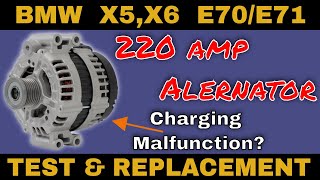
How to confirm: Test the battery voltage with the engine off (should be ~12.6V) and running (should be 13.5-14.5V). A load test is the most definitive way to check battery health. Many auto parts stores offer free battery and charging system tests. 🎬 Watch this video to test and replace your alternator.
Typical fix: Replace the battery and/or alternator. A new battery must be registered to the vehicle using a diagnostic tool to ensure the charging system works correctly and maximizes battery life.
Est. part cost: $200-$700 - Corroded or Loose Engine Ground Strap 🟡 Medium Probability The main engine-to-chassis ground strap is exposed to the elements and can corrode or fray. A poor ground connection creates high resistance, causing unpredictable electrical issues and voltage fluctuations that can trigger a P0606 fault.
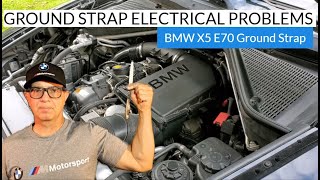
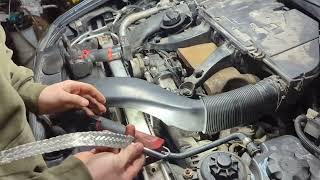
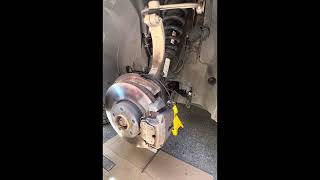
How to confirm: Visually inspect the main ground strap. On the E70, it is a braided metal cable located on the driver's side, connecting the engine block near the motor mount to the chassis. Access often requires removing the driver's side front wheel and plastic liners. Perform a voltage drop test across the strap while cranking the engine; a reading above 0.2-0.5 volts indicates a problem.
Typical fix: Replace the ground strap and clean the contact points on the engine and chassis thoroughly with a wire brush. The OEM part number is often cited as 12427565100. 🎬 Watch this step-by-step ground strap replacement guide.
Est. part cost: $30-$70 - Internal DME/DDE Failure 🟡 Medium Probability The DME is a complex computer that can fail over time due to heat cycles, vibration, and age-related degradation of electronic components. Water intrusion is also a common cause of failure.
How to confirm: This is a diagnosis of exclusion. If all other potential causes (power, grounds, wiring, software, fluid intrusion) have been thoroughly checked and ruled out by a qualified technician, the DME itself is condemned.
Typical fix: Replace the DME/DDE. The replacement unit must be programmed to the vehicle's VIN and security system (CAS). Options include a new unit from BMW, a used unit that is 'cloned' with the original's data, or sending the original for repair.
Est. part cost: $400-$1800 - Leaking Fuel Sensor (Diesel Models) ⚪ Low Probability On the X5 35d model with the M57 engine, the fuel rail pressure sensor can develop an internal leak. Diesel fuel enters the sensor's electrical connector and wicks its way up the entire length of the wiring harness into the main DDE connector, causing a short circuit and damaging the module.
How to confirm: Unplug the large main electrical connector at the DDE (engine computer) and inspect the pins and connector housing for any signs of diesel fuel. The presence of fuel is definitive confirmation.
Typical fix: Replace the leaking fuel rail pressure sensor. The entire wiring harness and DDE connector must be thoroughly cleaned with electrical contact cleaner. If the DDE is damaged beyond cleaning, it will also need replacement or repair.
Est. part cost: $100-$250 for the sensor
Rare But Worth Checking
- DME Software Corruption: A software glitch or a failed programming attempt can cause this fault. Before replacing the DME, it's worth checking with a dealer or specialist if a software update is available, which can sometimes resolve internal processing errors.
- Water Intrusion into E-Box: The DME is located in a plastic electronics box (E-Box) in the engine bay, near the passenger-side firewall/cowl. The plenum drains under the windshield can clog with leaves and debris, causing rainwater to overflow and flood this box, shorting out the DME. Check this box for any signs of moisture, corrosion, or a water line.
Diagnosis Steps
- Read all fault codes from all vehicle modules using a BMW-capable scanner (like ISTA). Note all codes, not just P0606.
- Perform a complete battery and charging system test. Voltage must be stable and within spec (~12.6V engine off, 13.5-14.5V engine running). Register the battery if it's replaced.
- Inspect the battery terminals and main chassis ground points for cleanliness and tightness. Pay special attention to the engine-to-chassis ground strap on the driver's side of the engine. Perform a voltage drop test on it.
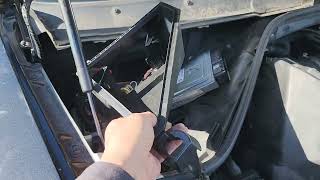
- Locate the DME/DDE. On the E70, it is in a white plastic electronics box in the engine bay, under the passenger-side cabin microfilter housing. 🎬 See how to locate and remove the DME module. Open the box and inspect for any signs of water intrusion, dampness, or corrosion.
- Unplug the main DME/DDE connectors and carefully inspect for corrosion, bent pins, or fluid contamination. On diesel models (35d), specifically look and smell for diesel fuel from a leaking sensor.
- Check all fuses related to the DME/DDE in the glove box fuse panel and the E-Box.
- If all external checks pass, the issue is likely either DME software or an internal hardware failure. Consult a professional shop to check for available DME software updates before proceeding with replacement.
- If a software update does not fix the issue or is not possible, the DME/DDE requires replacement and programming, or cloning/repair by a specialist service.
Parts You'll Likely Need
- Digital Motor Electronics (DME) / Digital Diesel Electronics (DDE)
(OEM #Varies by engine/year (e.g., Bosch EDC17CP09 for M57 diesel))— This is the definitive fix when all external electrical and wiring issues have been ruled out. The code P0606 directly points to an internal fault in this module.
Trusted brands: Bosch, Siemens
OEM price range: $1500-$2200
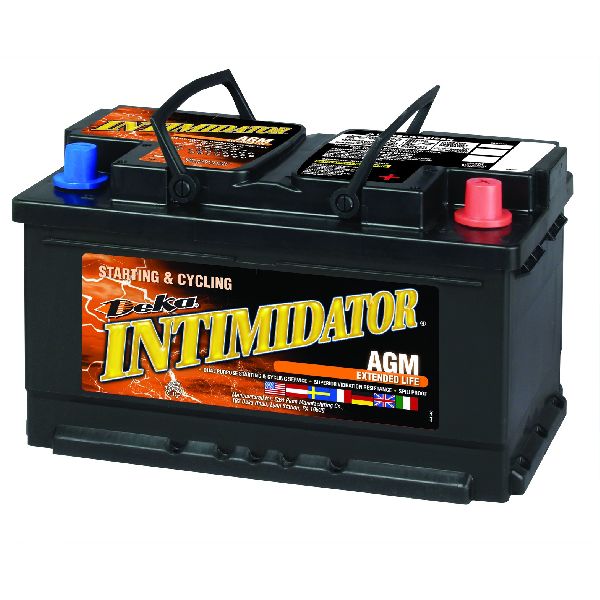
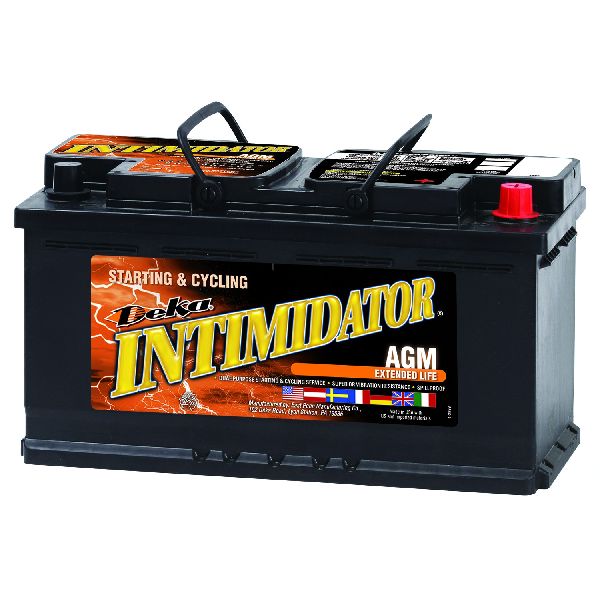
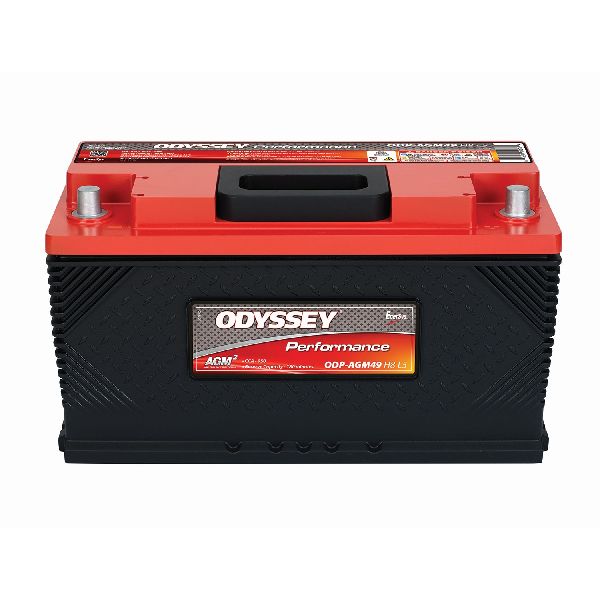
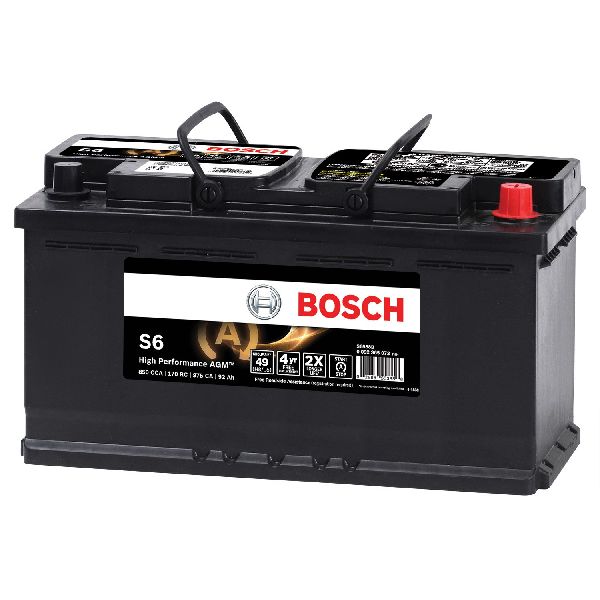
Aftermarket price range: $400-$900 (for a used/cloned or repaired unit) - Battery (AGM Type) — A failing battery is a frequent trigger for this code due to unstable voltage. It's a common misdiagnosis for a bad DME and should be the first part checked.
Trusted brands: Varta, Bosch, Interstate, Duralast
OEM price range: $300-$450
Aftermarket price range: $200-$300 - Engine Ground Strap
(OEM #12427565100)
Related Codes That Often Appear With This One
- U-codes (e.g., U0100) — U-codes indicate a loss of communication between modules. If the DME (the central powertrain module) is failing or offline, other modules like the transmission, ABS, and transfer case will set codes for losing communication with it.
- 2DEC, 2DED — These are BMW-specific codes for power management and battery condition, often appearing alongside P0606 if a weak battery is the root cause.
- Multiple VANOS or Camshaft Position Codes — If the DME is failing, it can lose its ability to correctly interpret signals from or control components like the VANOS solenoids and camshaft sensors, leading to spurious faults.
Technical Service Bulletins (TSBs) & Recalls
- SIB 12 15 14: Addresses engine speed fluctuations on N55 engines, fixed by a DME software update. While not directly for P0606, it shows that software updates can fix DME processing issues.
- SIB 12 14 12: Pertains to N55 engines where VANOS unit bolts can break, causing various camshaft and engine performance faults. A failing DME could potentially misinterpret signals from this system, though this is a separate mechanical issue.
Platform-Specific Known Issues
- On X5 35d (M57 engine) models, a leaking fuel rail pressure sensor can send diesel fuel into the DDE wiring harness, causing a short and triggering code P0606.
- The primary engine-to-chassis ground strap is prone to corrosion, leading to hard-to-diagnose electrical faults that can manifest as P0606.
- Clogged plenum chamber drains or panoramic sunroof drains can lead to water ingress into the cabin or the electronics box housing the DME, causing catastrophic failure.
Mechanic-Grade Diagnostic Values
- Engine Ground Strap Voltage Drop — expected: Below 0.5V, ideally 0.1V - 0.3V. Failure: A reading of 1.0V or higher confirms a bad ground connection.
- M57 Diesel Fuel Rail Pressure (Idle) — expected: 300-500 bar. Failure: Readings that are erratic, stuck at zero, or excessively high indicate a sensor or regulator problem.
- M57 Diesel Fuel Rail Pressure (2,500 RPM) — expected: 1,200-1,600 bar. Failure: Pressure does not rise smoothly with RPM or is inconsistent.
- M57 Diesel Pre-Supply (Low-Side) Fuel Pressure — expected: ~5 bar (72.5 PSI). Failure: Low pressure indicates a failing lift pump or clogged filter, which can starve the high-pressure pump.
Hidden / Shadow Codes Worth Checking
- 4530: Charge Air Pressure Control Deviation / Ladedrucksteller Regelabweichung. This code often appears on diesel models when the DME/DDE is failing, as it struggles to properly control the turbocharger actuator. (see via BMW-specific diagnostic tools like ISTA or professional-grade scanners.)
- 4560 / 4570: Rail Pressure Plausibility. These codes are common on the M57 diesel when the high-pressure fuel pump (HPFP) is failing or when injectors have issues, which can sometimes be confused with a DDE fault. (see via BMW-specific diagnostic tools like ISTA or TestO for logging.)
- 36E0: DDE: Internal Fault. This is a more specific BMW fault pointing directly to an internal DDE processor error, often stored alongside the generic P0606. (see via BMW-specific diagnostic tools like ISTA.)
Scan Tool Commands That Help
- ISTA: Vehicle Test / Guided Troubleshooting — This is the first step. ISTA reads all modules, identifies all fault codes (including shadow codes), and creates a test plan to guide the technician through a logical diagnostic sequence.
- ISTA: Control Unit Replacement / Program Control Unit — This function is used after physically installing a new or used DME/DDE. It programs the module with the correct vehicle software and codes it to the car's specific options and VIN.
- ISTA: Call up ECU functions — Allows a technician to query the DME/DDE for specific identification data, check its programming status, and access service functions like resetting adaptations, which is crucial after a major repair.
- ISTA: ECU Validation Service — For later model vehicles, after a control unit is replaced, a digital certificate must be downloaded from BMW's backend to validate the new module and allow it to communicate with other secured components.
Wiring & Ground Locations
- Engine Ground Strap — Located on the driver's side of the vehicle. It is a braided metal strap connecting the engine block, near the motor mount, to the chassis frame rail. Access requires removing the driver's side front wheel and inner fender liners.. This is the primary ground path for the engine and all its electronics, including the DME/DDE. Corrosion here creates high resistance, causing unstable voltage and electrical noise that can corrupt the DME's internal self-check and trigger a P0606.
- DME/DDE Main Connectors — Inside the white plastic electronics box (E-Box) in the engine bay, located under the passenger-side cabin air filter housing against the firewall.. These are the direct interface to the engine computer. Pins must be checked for corrosion (from water intrusion into the E-Box) or fluid (especially diesel fuel on 35d models) that can cause short circuits and internal processor faults.
Real Owner Repair Stories
- SpoolStreet Forums user 'Torgus' (2011 BMW X5d (M57 engine) with 100k miles, stage 2 tune and deletes.) — Fault codes 004560 and 004570 (Rail pressure plausibility) would appear immediately after clearing when demanding fuel.
❌ Tried (didn't work) Replacing the fuel rail pressure sensor.
✅ What actually fixed it The root cause was a worn-out stock R70 high-pressure fuel pump (HPFP) that could not supply the fuel demanded by the tune. Replacing the HPFP with an upgraded R90 unit resolved the codes.
OEM Part Supersession History
12427557027→N/A— This is a common part number for the E70 engine ground strap, but multiple numbers exist depending on the specific engine and year.
Heads up: While several part numbers may exist, aftermarket suppliers offer heavy-duty, corrosion-resistant versions that are considered an upgrade over the OEM braided strap.Multiple (e.g., 12147610272)→Multiple (e.g., 12147645283)— DME part numbers are frequently updated by BMW for hardware and software revisions.
Heads up: When replacing a DME, the hardware number on the case of the donor unit MUST match the original. A different part number will not be compatible for cloning or programming.
Model Year Variations Within This Range
- 2007-2010 (Pre-LCI): Gasoline models primarily used the N52 (6-cyl) and N62 (V8) engines with Siemens (MSV80) or Bosch DMEs. The diesel M57 engine used a Bosch DDE (e.g., EDC17CP09).
- 2011-2013 (LCI): The primary 6-cylinder gasoline engine was updated to the N55 turbocharged engine, which uses a Bosch MEVD17.2 DME. The V8 was updated to the N63. These DMEs are different from the pre-LCI versions and are not interchangeable.
Diagnostic Flowchart
Other Known Issues on This Vehicle
Issues unrelated to this code that are worth knowing about as an owner of this generation:
- N55/N63/S63 Oil Leaks (Valve Cover & Oil Filter Housing Gasket) 🔴 High — Extremely common, often occurs between 60,000-100,000 miles. Gaskets become brittle from heat.
- N55/N63 Electric Water Pump Failure 🔴 High — Common failure item, typically between 60,000-80,000 miles. Can fail without warning, leading to rapid overheating.
- Panoramic Sunroof Drain Clogging 🔴 High — Common issue where front and/or rear drains clog with debris, causing water to leak into the cabin, potentially damaging electronics in the floor and trunk.
- Transfer Case Actuator Gear Failure 🟠 Medium — A plastic gear inside the transfer case actuator motor wears out, causing 4x4, ABS, and DSC warning lights. Typically occurs over 100,000 miles.
- M57 (Diesel) Carbon Buildup 🟠 Medium — Intake manifold and EGR system are prone to significant carbon buildup (CBU), especially with short-trip driving, leading to reduced performance.
- S63 (V8 M) Rod Bearing Wear 🔴 High — A concern on earlier S63 engines, particularly those with extended oil change intervals or high-performance use. Failure is catastrophic for the engine.
- N55 VANOS Bolt Failure 🟠 Medium — Bolts securing the VANOS adjustment units can loosen or shear off, causing engine timing issues and rattling noises. Covered by BMW SIB 12 14 12. (Ref: SIB 12 14 12)
Used vs. New Parts: Buying Guide for This Vehicle
When a used part is the smart pick: A used DME/DDE is a very common and cost-effective solution, but ONLY if you use a reputable cloning service. This involves sending your original (faulty) DME and a compatible used DME to a specialist who transfers all the critical data (VIN, immobilizer, keys, coding). The result is a plug-and-play unit.
Donor-vehicle mileage cap: roughly under 150000 miles for the part to have meaningful remaining life.
What to inspect on the donor part:
- The hardware part number on the case MUST exactly match your original DME/DDE.
- Source the donor DME from a vehicle that was not in a flood or fire. Inspect the connectors for any signs of corrosion, water marks, or physical damage.
- Buy from a reputable salvage yard with a return policy in case the unit is also faulty.
OEM-only on this vehicle (don't cheap out):
- Digital Motor Electronics (DME/DDE) - While you can buy a used OEM unit, avoid no-name 'repaired' or 'remanufactured' units from unknown sellers without a warranty and a clear cloning process.
Aftermarket brands forum-validated for this vehicle:
- For the engine ground strap, brands like ECS Tuning and Arc Terminator offer heavy-duty, sealed cables that are considered an upgrade over the corrosion-prone OEM braided strap.
Brands owners have reported issues with on this vehicle:
- For electronic components like the DME itself, unbranded or generic aftermarket units are not available or recommended. Stick with original Bosch/Siemens units, either new or used/cloned.
Real Owner Stories
Aggregated from forums and TSBs cited above. Mileages and costs reflect what owners reported in those sources.
2009-2013 BMW X5 E70
Symptoms: Owner experienced electrical issues and sought the specific location of the braided ground strap to resolve communication faults.
What fixed it: Replacement of the main engine-to-chassis ground strap (Part #12427565100) and cleaning contact points.
Source hint: xbimmers.com thread titled 'Location of the E70 ground strap'
2009-2013 BMW X5 35d (M57)
Symptoms: Internal diesel fuel leak wicking through the wiring harness into the DDE connector.
What fixed it: Replacement of the leaking fuel rail pressure sensor and cleaning the DDE connector and wiring harness with electrical contact cleaner.
Source hint: bimmerpost.com discussion on M57 diesel engine common failures
2007-2013 BMW X5 (E70)
Symptoms: Water ingress into the cabin and electronics areas due to clogged drainage systems.
What fixed it: Clearing clogged panoramic sunroof drains and plenum chamber drains to prevent water from entering the DME electronics box.
Source hint: xoutpost.com DIY discussion on clearing panoramic sunroof drains
Related OBD-II Codes
Frequently Asked Questions
I have an X5 35d; how can a fuel leak cause a P0606 computer failure?
Where is the main engine ground strap located on the E70 X5?
Does SIB 12 15 14 apply to my N55-equipped X5?
Can a bad battery really cause a 'Processor Fault' code like P0606?
Where is the DME located if I need to check for water damage?
Is there a specific part number for the X5 ground strap mentioned in owner discussions?
Helpful Videos

We Have This Part in Stock


The information in this article is provided for general reference and educational purposes only. Vehicle specifications, procedures, and part compatibility can vary by production date, trim level, and region. Always consult your vehicle's factory service manual and verify part numbers before purchasing or performing repairs. Safety-critical components such as airbags, seat belts, and braking systems should be installed by a qualified professional.
- BMW X5:
- 🎬 Helpful Videos
- 🛍️ Shop This Part
- What's Unique About the 2007-2013 BMW X5
- Symptoms You May Notice
- Most Likely Causes
- Rare But Worth Checking
- Diagnosis Steps
- Parts You'll Likely Need
- Related Codes That Often Appear With This One
- Technical Service Bulletins (TSBs) & Recalls
- Platform-Specific Known Issues
- Mechanic-Grade Diagnostic Values
- Hidden / Shadow Codes Worth Checking
- Scan Tool Commands That Help
- Wiring & Ground Locations
- Real Owner Repair Stories
- OEM Part Supersession History
- Model Year Variations Within This Range
- Diagnostic Flowchart
- Other Known Issues on This Vehicle
- Used vs. New Parts: Buying Guide for This Vehicle
- Real Owner Stories
- 2009-2013 BMW X5 E70
- 2009-2013 BMW X5 35d (M57)
- 2007-2013 BMW X5 (E70)
- Related OBD-II Codes
- Frequently Asked Questions
- 🎟️ Get 5% Off